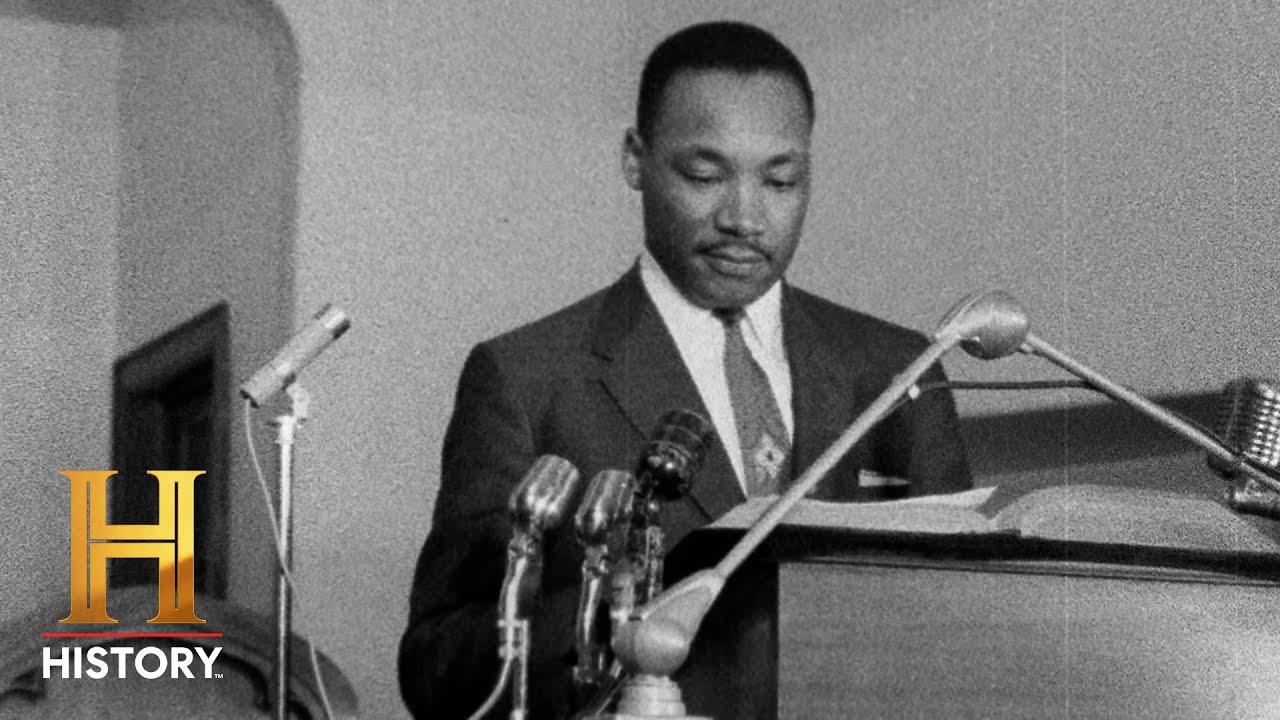
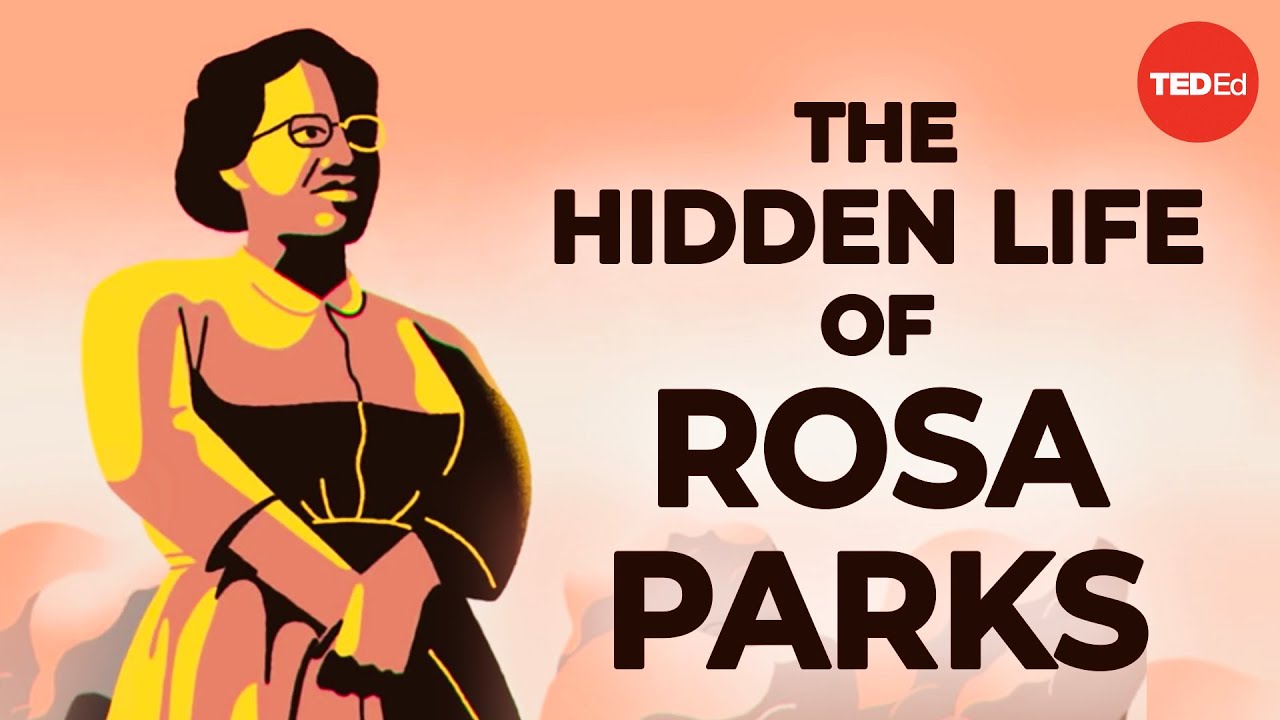
hi i'm clint smith and this is crash course black american history the montgomery bus boycott which took place from december 5th 1955 to december 20th 1956 was one of the most successful examples of mass non-violent resistance in u. s history this boycott is regarded as being the first large-scale u. s demonstration against segregation with an estimated 40 000 participants it came on the heels of brownview board of education in 1954 which deemed separate but equal a violation of the 14th amendment and therefore unconstitutional but brown v board only integrated public schools in the united states segregation continued to run rampant in all other areas of society including department stores movie theaters restaurants and public transportation as historian gene theo harris put it the arbitrariness of segregation the power and place it granted white people was perhaps nowhere more evident than on the bus let's start the show [Music] before the boycott transportation laws in montgomery directly upheld white supremacy the montgomery city code mandated that black and white people were required to sit in separate sections on public transportation furthermore bus drivers were legally allowed to arrest passengers who violated the mandate and many of the drivers carried guns black patrons were assaulted abused arrested ejected and sometimes even killed for refusing to give up their seats talking back or even asking questions rosa parks whose refusal to give up her seat was the catalyst for the montgomery bus boycott was about one of a long line of black americans who resisted the inequality of our public transportation system for example in montgomery 11 years before the boycott in 1944 a woman named viola white was beaten and arrested for refusing to give up her seat thurgood marshall recounted one case of two members of the women's army corps in 1945 and he described it as one of the worst cases he had ever seen the two women in uniform refused to give up their seats and pointed out to the driver that there were seats available and they shouldn't have to move but the driver then physically and verbally assaulted the women in 1950 authorities took it a step further in the case of a man named hillary brooks black passengers were supposed to pay at the front of the bus then exit the bus and board from the back straight into the colored section sometimes after black people paid and got off to go to the back bus drivers would drive off before passengers could even make it to the back door a world war ii veteran brooks refused to exit after paying his money when the police arrived officer m.
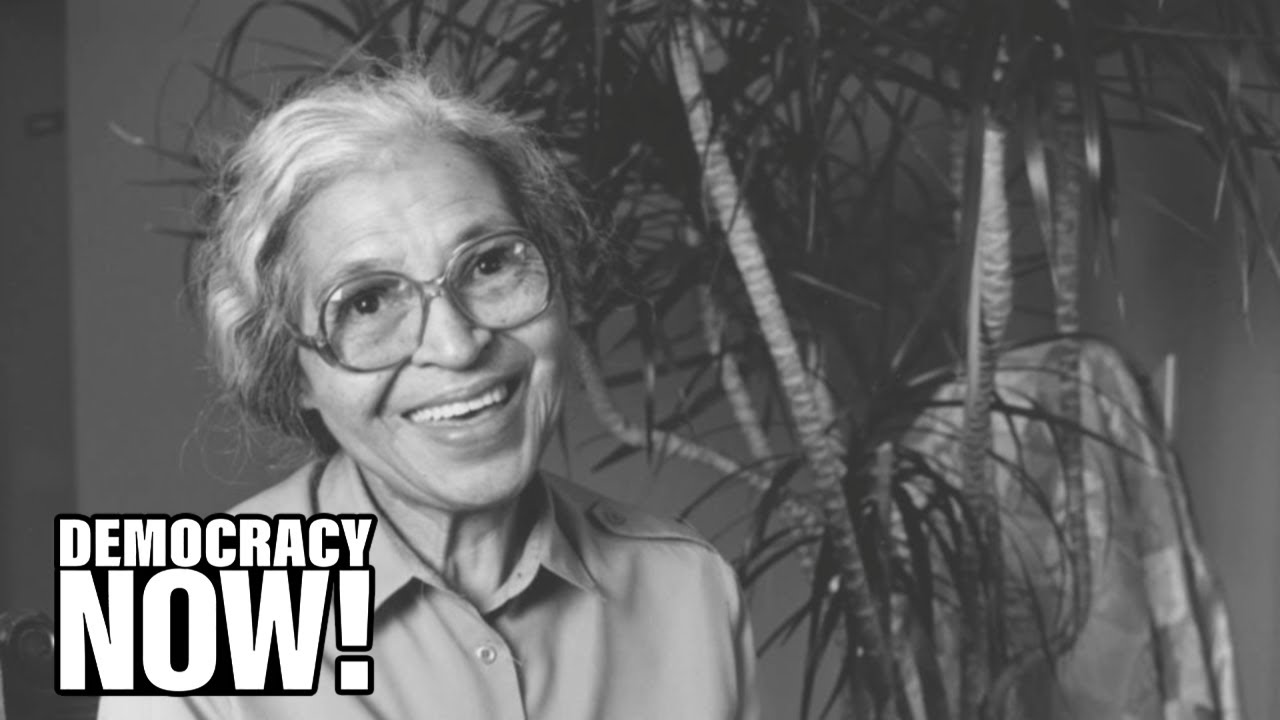
e mills beat brooks with a club then shot and killed him as he tried to escape episodes of violence and humiliation like these were pervasive amongst black americans and because many black people did not own their own cars many felt like they had nowhere else to turn but sometimes there's only so much that a person can take and talks of a bus boycott danced around barber shops cookouts and churches then in 1953 the women's political council or wpc collected a formal list of around 30 complaints of abuse on montgomery buses in an effort to petition the mayor the wpc was a league of about 300 black women in montgomery founded in 1946 to develop strategies to combat community challenges in the face of jim crow laws and in 1954 under the leadership of president joanne robinson the wpc wrote a letter to the mayor warning him that if violence did not stop black bus passengers would boycott in the years before the boycott robinson worked arduously with members of the wpc to create a plan they strategized on how to notify the city's black population if and when the time came they didn't know when it would come but they knew they needed to be ready when it did the december 1st arrest of parks provided the perfect opportunity as soon as word of the arrest reached robinson she knew that it was time to go to work let's go to the thought bubble it was a dark and stormy night just kidding it was a normal very typical thursday evening as rosa parks boarded the bus home from work for her usual 15-minute commute as always she boarded in the colored section and sat in her designated area then the whites only section began to fill up when there were no more seats available the driver instructed the four black people who took up the next two rows including parks to get up so that a white man could have their seat everyone got up except her see this is how it usually worked about 10 front seats were always reserved for white people and then 10 back seats were reserved for black people the middle section wasn't reserved for either but white people had priority so if more white people got on the bus and all the middle seats were filled then black people in the middle seats would have to get up and stand contrary to the way the story is often told rosa parks was not asked directly to give up her seat for a white passenger instead her entire row was cleared so that one white passenger could sit down parkes thought about the racial injustices her family faced and about the tragic murder of emmett till just one year earlier and she decided that she had had enough she later wrote in her autobiography my story quote people always say that i didn't give up my seat because i was tired but that isn't true the only tired i was was tired of giving in thanks thoughtbubble after parks was arrested and word spread joanne robinson and the wpc immediately went to work partnering with community leaders had proved ineffective in the past so they decided to call a one-day boycott by themselves instead of going home that night robinson went to work at alabama state where she taught english she stayed there all night using the mimeograph machine to make leaflets announcing the boycott roughly 20 women then assembled to deliver them and over the next four days they distributed tens of thousands of leaflets through as many salons barber shops bars and places of work that they could robinson was determined to get this show on the road because like many other community members she felt like park's arrest was a moment where the boycott could finally take hold but here we also have to stop and ask ourselves why rosa parks became the person that many civil rights leaders wanted to rally around i mean she wasn't the first that same year two other women in montgomery had already been arrested after refusing to give up their bus seats one of those people was claudette colvin detained in march of 1955 who was a 15 year old high school student at the time of her arrest even though her arrest happened before parks many believe that edie nixon and other civil rights leaders did not feel compelled to publicize her arrest because she was young poor and dark-skinned furthermore after the arrest she got pregnant and with that any chance she had at becoming the public face of the boycott was gone for rosa parks these leaders believed had the right background and the right look and her history of activism with the naacp that helped too she fit the profile of the type of person the civil rights movement wanted as its face born rosa mccauley in 1913 and raised on her grandparents farm in alabama parks had to walk to school because at the time jim crow laws prevented her from riding the school bus initially aspiring to be a nurse parks had to drop out of school in the 11th grade to take care of her ill grandmother it wasn't until she married raymond parks in 1932 that she was ultimately able to go back and finish school and with raymond she also began a life of activism parks eventually came to work for the naacp and was appointed secretary in montgomery decades of work in activist circles had given parks all the connections she needed for the community to come together at the time of her arrest and agree that she was the person and this was the moment at first the wpc held a one-day boycott and it was a success feeling the momentum they decided to keep it going those with cars carpooled and people contributed to what was virtually a 1950s uber system without the surge pricing those who walked rotated in groups so that no one had to walk alone and be subjected to violence it was a community effort and the community was all in local leaders elected a young 26 year old preacher named martin luther king jr to serve as the public face of the movement with king as his president they established the montgomery improvement association or mia to oversee the organization and maintain the boycott joanne robinson from the women's political council chose not to take an official position within the mia but she was part of the executive board and edited the weekly newsletter together the wpc and the mia created and maintained a lean mean boycotting machine and one of the main reasons the boycott was successful is that black americans made up most of the passengers on the bus 75 in fact without black riders or black dollars the city suffered financially on june 5th 1956 a montgomery federal court ruled bus segregation a violation of the 14th amendment the town still tried to appeal to the u. s supreme court but it upheld the lower court's decision on december 20th 1956 and on december 21 1956 the buses were integrated and the boycott came to an end lasting for a total of 381 days this movement was the culmination of a long struggle against discrimination in the public sphere it also served as a gateway to the extensive activism of the civil rights movement but as successful as this boycott was it wasn't all sunshine and rainbows like many black americans who have stood up for equality at any point in time boycotters face violence and intimidation tactics from surrounding white community boycotters face the threat of losing their jobs having to walk to work increase their chances of being late and some face heckling and torment from white citizens others had even more trying experiences dr king and eddie nixon's homes were both bombed just days apart in 1956.