throughout history human beings have peered into the night sky and recorded the glowing lights that flicker and move above our heads the first maps of the stars and the planets were drawn on the walls of caves recorded as calendars and tracked with astronomical symbols then books and written records became the main source of information that expressed the way the people of that time thought of the cosmos as technology along with our understanding of the universe became ever more sophisticated more and more worlds in our solar system were discovered moons around Jupiter and Saturn ice giant
planets and Frozen dwarf worlds but there were also many worlds that were not discovered like the hypothetical planet named Vulcan for example in the early 1800s Vulcan was thought to be the closest planet to the Sun closer even than Mercury it was even claimed to have been observed by many respectable astronomers however it turned out that it did not exist and that what many of them were observing was probably sunspots a dark world named Nemesis was hypothesized in the mid-1980s attempting to explain why the earth goes through periodic mass extinctions could a giant object at
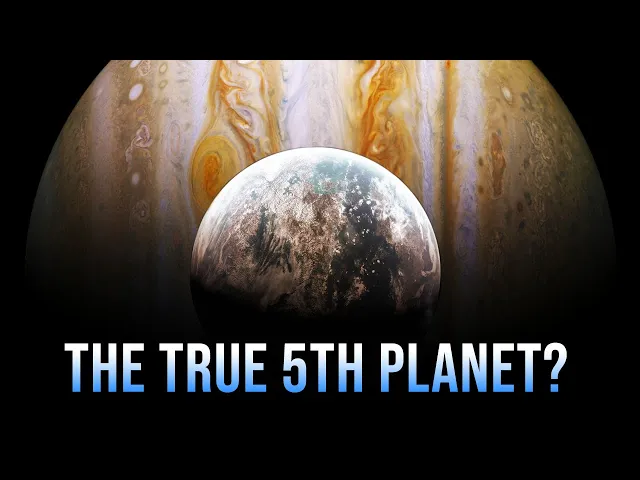
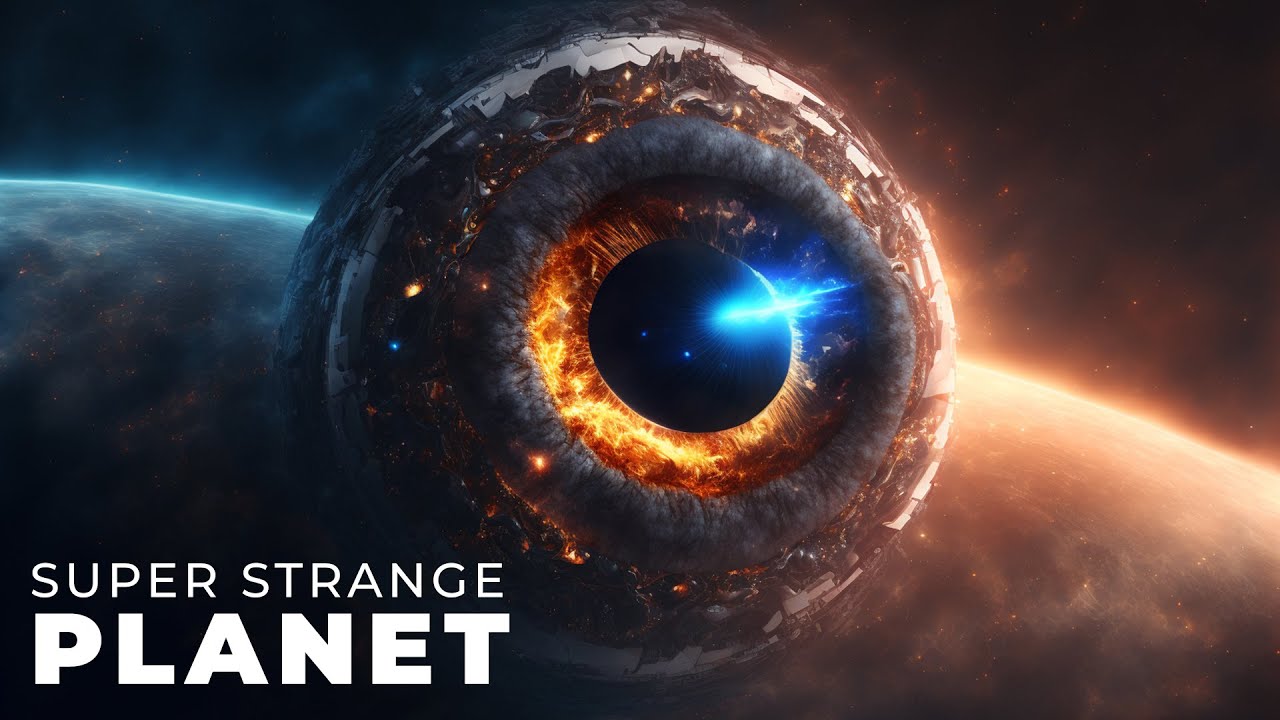
the edge of the solar system really be pushing comets into a collision course with Earth well an object of that nature has never been discovered even in more recent times we have seen a worldwide hunt for an elusive Planet 9 Somewhere Out Beyond Neptune but as of August 2023 nothing has been discovered it seems that we are always in some way or another on the hunt the new giant planets lurking in the shadows of the solar system and one of the most fascinating examples of this is the planet named phaetan a hypothetical world that was
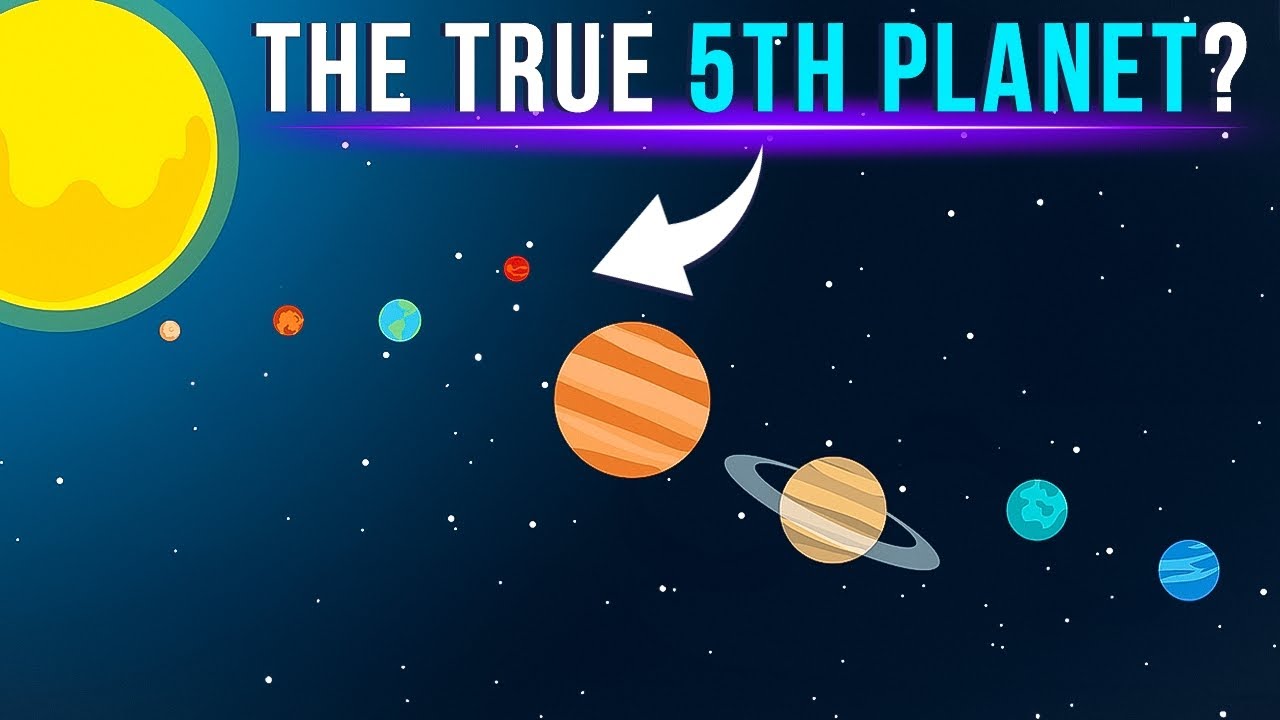
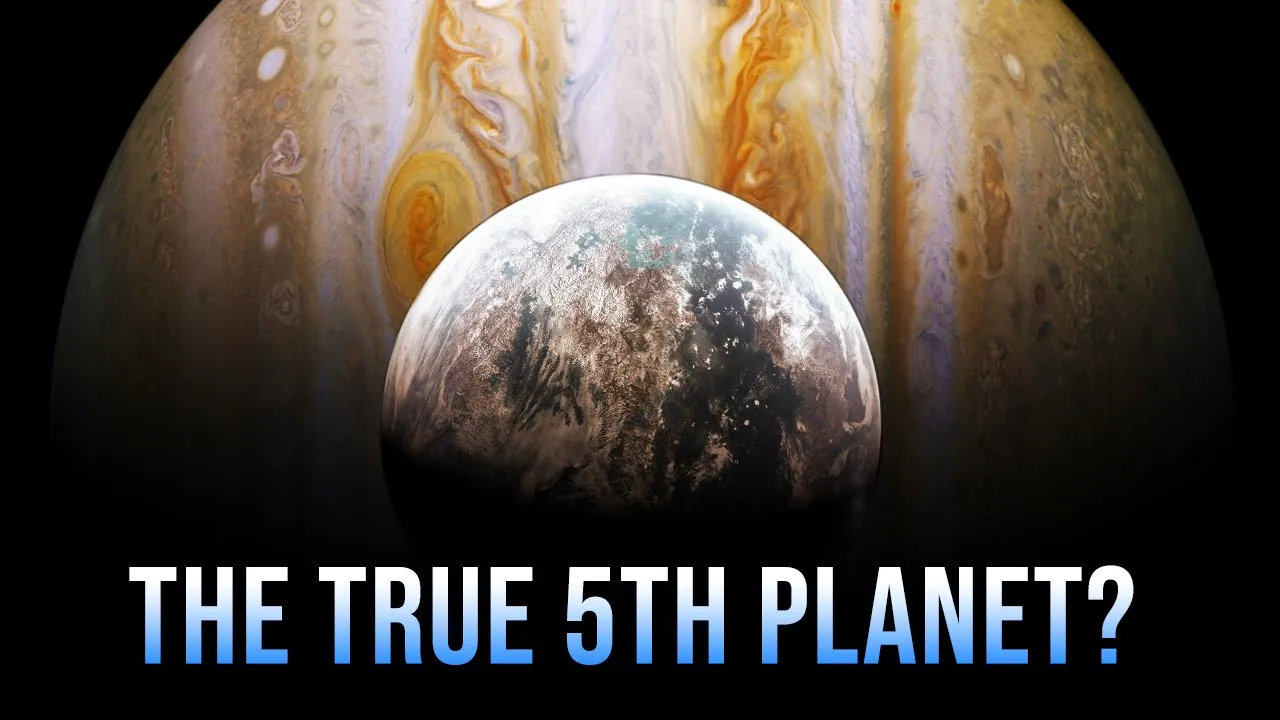
believed to exist between Mars and Jupiter the true fifth planet from the Sun so what led scientists to go looking for this Mysterious World why did they think it was there and what did they discover in its place you're watching v101 space my name's Rob and if you enjoy my videos then make sure to subscribe and tap the notification Bell to never miss an upload when William Herschel spotted Uranus in 1781 it sparked a new interest in our solar system after all Uranus was the first planet to be discovered in thousands of years and so
astronomers of the time began peering into the night sky hoping that they would become the next person to discover a new planet however finding a new planet is like finding a needle in a haystack the solar system is spread across an enormously vast region but there was a mathematical method discovered at the time that seemed to predict where you might start looking narrowing down the search area and it was called the tightiest boat law the formula suggested that extending outward each planet should be approximately twice as far from the Sun as the one before it
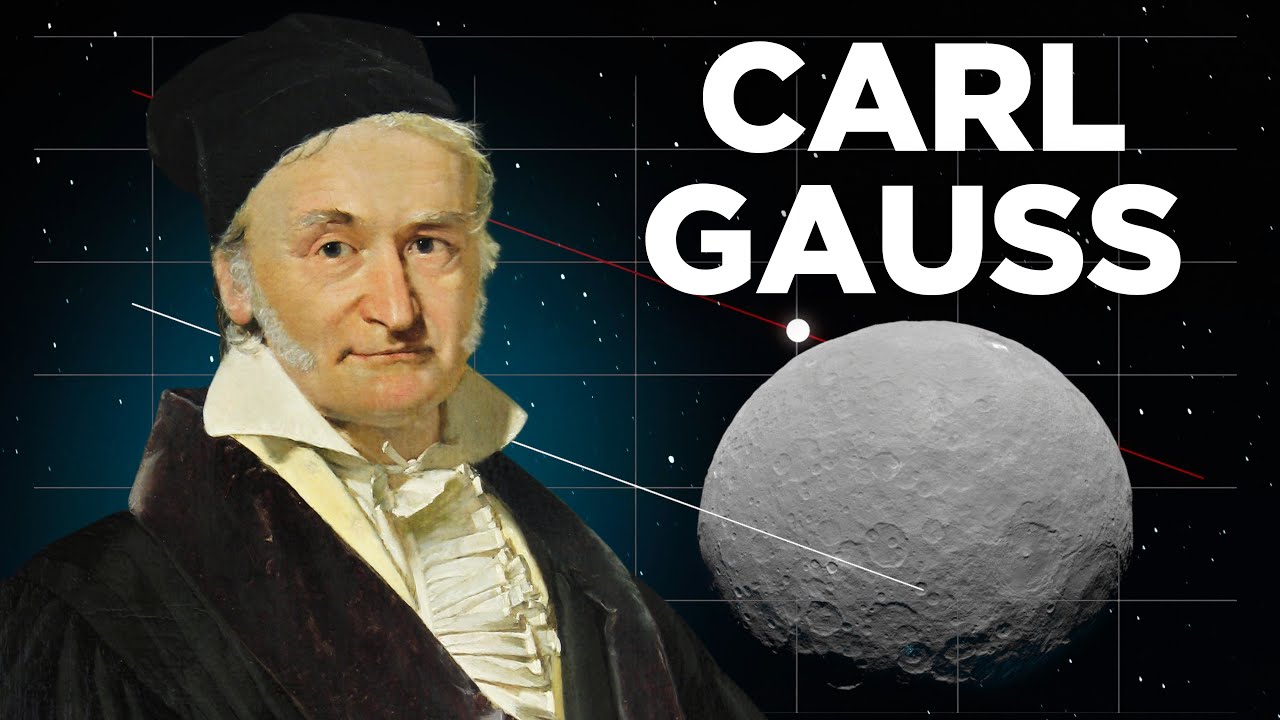
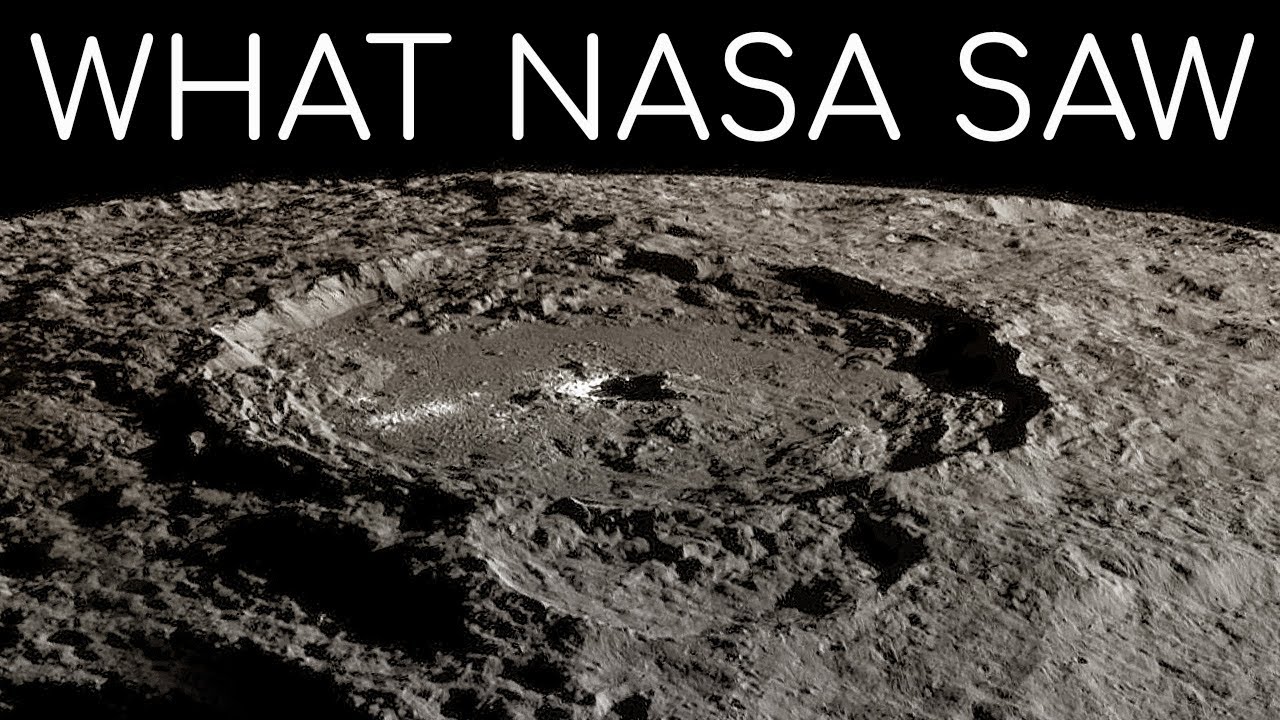
and when applied to the planets that were known to exist at the time it roughly predicted each of their distances even the newly discovered Uranus however according to the formula there was a planet missing that should be located between Mars and Jupiter around 2.8 astronomical units from the Sun after discovering this exciting Gap in the sequence many astronomers began the hunt for this predicted missing world then on January 1st 1801 astronomer Giuseppe piazzi spotted an unfamiliar dot of light moving slowly Among the Stars originally thought to be a comet he named it series after the
Roman goddess of agriculture at 2.8 a.u from the Sun however series appeared to fit the tightiest bowed law almost perfectly and although Ceres was fainter than the other known planets of the time indicating that it was far smaller it was nevertheless considered by many to be the missing Planet the true fifth planet from the sun had finally been discovered the mysterious Gap in the tightiest bowed law sequence had been solved it was assigned a planetary symbol at the inner solar system seemed to be all in order or was it quite quickly the Euphoria over the
discovery of Ceres faded because by 1802 just a year later an object named Palace was spotted then in 1804 another was found named Juno and in 1807 Vesta was discovered each of these newly found objects roughly share the same orbit with Ceres causing astronomers to suspect that what they had found was actually the first of a new class of objects despite this for around half a century our solar system had 11 planets according to the astronomy books Mercury Venus Earth and Mars then Vesta Juno Ceres and Palace followed by Jupiter Saturn and Uranus not too
long after in 1846 the planet Neptune was also discovered but the discovery did not fit the tightiest bowed law as Neptune was eight astronomical units closer than predicted it was then concluded that the tightiest bowed law was likely just a cosmic coincidence as the formula did not work on the outer planets by the 1860s most astronomers widely accepted that a fundamental difference existed between the major planets and the objects like Ceres or Palace and eventually they were renamed as asteroids and the region where they are located would be called the asteroid belt so within just
a year of the missing Planet being discovered it became clear that there was no missing planets to be found there is no major planet in the asteroid belt just millions of scattered rocks but where did these chunks of rock come from well in 1823 the astronomer that discovered the asteroid Palace Heinrich Wilhelm Albus proposed that these objects were actually the fragments of a destroyed Planet bringing forth the planet phaetan hypothesis the name phaetan was taken from a mythical Greek character and means shining one according to the myth phaetan was the son of Helios the Sun
God who rode his burning Chariot across the sky every day one day Helios granted feitan's wish to take the reins of The Chariot but the ride was a disaster Satan could not keep a firm grip of the horses as a result The Chariot came too close to the Earth burning it and too far from it freezing it in the end after many complaints from the stars in the sky to the Earth itself Zeus struck faten with one of his lightning bolts destroying him instantly A fitting name for a destroyed planet the feitan planet hypothesis suggests
that the asteroid belt was created after the destruction of a planet that orbited the sun between Mars and Jupiter it became known as the disruption Theory and suggested that the planet was destroyed by one of the following processes the first possibility is that it veered too close to Jupiter and was torn apart by its powerful gravitational tides the second is that it was struck by another large Celestial body such as another planet the third is that it was destroyed by a hypothetical brown dwarf a companion star to the sun dubbed nemesis finally the fourth is
that it was shattered by some internal catastrophic process so was there really a planet that somehow became torn apart leaving only its scattered remains orbiting the Sun well as fascinating as this idea is it is unlikely to have happened the reason is that studies of the asteroid belt have shown that its total mass is only four percent the mass of the Moon meaning that it just doesn't have enough material to have once formed a planet it is now known that the asteroids are simply remnants from the formation of our solar system around 4.5 billion years
ago it is the leftovers from the disk of gas and dust that once surrounded the sun called the accretion disk the material that created all the planets moons asteroids and comets we see today the asteroid belt may seem like nothing more than a circle of rocks drifting around the Sun but it is actually a window into the past allowing us to study a frozen stage in our Solar System's history a glimpse at a time when material came together to form the embryos by planets that would never be but what if it had formed what would
the planet phaetan have been like orbiting the Sun between Mars and Jupiter the hypothetical Planet would have been smaller than Pluto rendering it the smallest major planet in the solar system it would likely have been a Barren planet with little atmosphere and no magnetic field to protect its Rocky surface from solar radiation but as suspected with many smaller worlds across the solar system including Ceres it may have been able to sustain an ocean of liquid water below its crust warm enough for life to exist we would have likely sent multiple spacecraft to explore its surface
and possibly even landed on it despite many astronomers during the 19th and 20th centuries wishing this hypothetical planet's existence studies of the asteroid belt have disproved fateen but even though it didn't exist it still had a fascinating Story one that inspired science fiction writers and scientists alike this is the planet that was discovered destroyed and then forgotten foreign [Music] I hope you enjoyed this fascinating look into the Undiscovered world of Satan if you did then tap the like button and subscribe there is plenty more to come thank you all for watching and I'll see you
next time [Music]