hello and welcome to my channel in this channel we explain various nursing concepts in a simple form for better and easy understanding these videos could be used by both lpn and rn students as well as nurses who are trying to refresh their basic concepts my name is nasmosh so this is our oncology series and in this video it's going to be our introduction to oncology in relevance to medical surgical for nursing students continuing nursing education so for both lpns and irons in this specific video we're going to talk a rough pathology of cancer which is
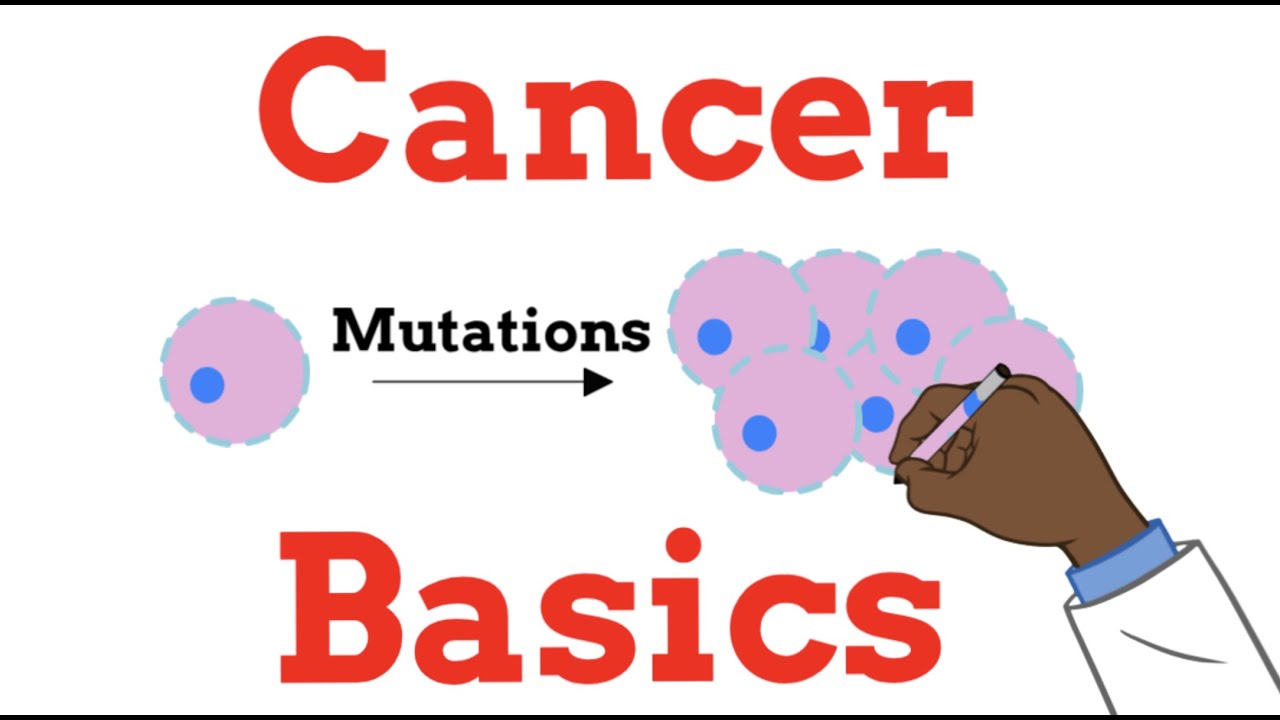
oncology risk factors general signs and symptoms of cancer diagnostics that they are used to diagnose cancer we'll talk about tumor classification as well as staging the cancer so let's get started so what is cancer cancer is actually a disease where healthy cells transform into malignant cells upon exposure to certain agents okay so these cells were originally healthy but when they get exposed to a certain agent they tend to be unhealthy or they have the malignancy cancer is actually characterized with dna damage that causes abnormal cell growth and development so cancer involves rapidly growing cells so
the pathophysiology under oncology is there are three processes involved in actual cancer right so and this include initiation promotion and progression initiation this involves damage or mutilation of the sna causing excessive cell division due to excessive oncogene function and decrease in gene function so this initiation stage this is where we are having that damaged to the cell before the cell because it's now exposed now the cells start getting damaged promotion like you're getting a job promotion so what happens in promotion promotion this is when the mutilated cells remember it gets damaged and when it becomes
damaged it's a mutilated cell right so the mutilated cells are exposed to promoters that enhance the growth this cells feeds on to something for it to continue growing and this could be like if it's a hormonal induced cancer for example any feminine cancer like ovarian cancer if it's exposed to estrogen it con makes the cell to continue to wrap it like because this is feeding it this is food to this mutilated cell and then progression is our last process where the tumor cells acquire additional mutilation and their growth rate increases allowing them to metastasize making
them resistant to therapy it's three processes there's the initiation stage where now we damage this cell right and then when the cell gets damaged or mutilated we put it in a promotion stage where like it gets fed like we are feeding this bad cell and when we feed this bad cell it gives birth to children so bad cells are produced and it continues rapidly dividing and growth some of the common risk factors for cancer include age and mostly when we talk about age we are talking about older people right we have like genetics rest diet
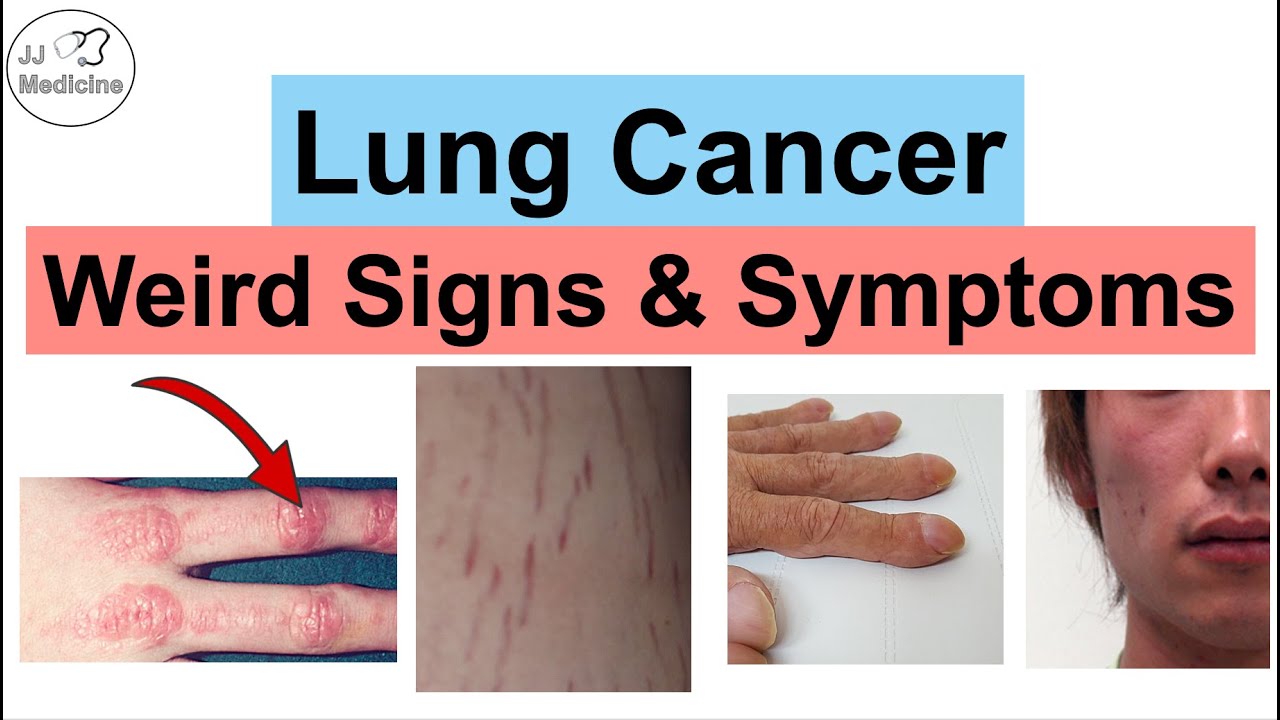
and various exposures that could make you more prone to getting any form or a specific form of cancer okay some general signs and symptoms of cancer with this in this video we're just talking about cancer as a whole nothing specific not a specific type of cancer okay so general signs and symptoms of cancer include a decreased immunity and blood production so because we are damaging cells right so these cells are rapidly dividing they are not getting to the full they're not growing and not developing well so we're gonna have this low immunity because you're damaging
our different types of cells as well as blood production okay we're gonna have an altered gi function motor and sensory function deficits wrist respiratory function because we are compensating and one of the classical signs of somebody or a symptom that we could think somebody has cancer is unexplained weight loss like unintentional or unexplained if you see a question that asks you a general sign and symptoms of cancer it's normally unexplained or unintended weight loss fatigue as well as pain so diagnostics some of the general diagnostic procedures we perform to actually diagnose somebody with cancer include
like our mris our ct scans our ultrasounds we'll also do a biopsy which is normally our golden standard will get a biopsy of the specific area that we think is actually cancer infected so let's talk about some signs and symptoms that suggest that malignant disease so the disease has malignancy and we'll talk about the american cancer society seven warning signs and under this science there's an acronym called caution so c stands for changes in bowel and bladder habits remember that's one of the classical general signs of somebody has something you know it could be cancer
a a sore that does not heal you unusual bleeding or discharge tea thickening or lumps in the breast or elsewhere i in digestion or difficulty swallowing meaning like you're bloated you're having a difficult time digesting your food oh obvious weight loss that we were talking about a classical sign and and a nagging cough with hoarseness remember this cues actually some questions i've seen with ati hesi evolve you know this they ask your patient has a nagging cough what would that suggest it could suggest a type of cancer and as well as the other manifestations which
include weight loss fatigue weakness pain nausea as well as anorexia when we talk about anorexia here we're not talking about the anorexia which is a mental disorder we are actually talking about loss of appetite that is actually the definition of anorexia so how do we classify tumors there are various way we can classify tumors and let's talk about carcinomas so carcinomas they originate from the epithelial tissue and what is an epithelial tissue it actually lines body surfaces skins and glands with carcinomas there are adenocarcinomas and squamous cell carcinomas so with the adenocarcinomas the organs or
glands that secrete substances like mucus this is where we get this adrenocarcinomas and the scrumptious cell carcinomas they actually originate from the scrumptious epithelial cell the other tumeric classification are sarcomas and this actually originate from supportive or connective tissue for example bones tendons you know cartilages and these include osteochrosomas and cordo sarcomas please just forgive me for the pronunciations okay this bulky words we also have leukemia which originates from bone marrow melanoma it originates from plasma cells and lymphoma what lymph nodes right it originates from lymphatic glands or nerves okay let's talk about grading cancers
and we wrap up this video as well as staging cancer so how do we grade cancers so we compare the cancer to the original tissue or tissue of origin and it's graded between one to four grade one indicates that the cancer is well differentiated and resembles the tissue of origin grade four the cancer has no similarity at all to the tissue of origin so when you have somebody say oh i have a stage four cancer normally it's like a not a good prognosis compared to a stage one so it goes the bottom is one the
top is four just like the numbers and how do we stage it so we stage using the ta and m mythology where t stands for tumor and for node and m for metastasize development rapidly growing cells with a tumor with the t right we could either have t1 anything between t1 to t4 and remember i told you one is a differentiated there's a difference right but four there's no similarity at all so it's based on size and the extent of the tumor this is the number of nodes affected in the grading so you could either
have zero nodes like n0 or you could have up to n3 with each metastasizing we could ever have zero or one either you don't have any metastasizing or you do have metastasizing so slow growing cancers do not respond well this is a key point you need to remember they actually do not respond well to chemotherapy but fast growing cancers do so the slow ones do respond well to radiation or targeted therapy so that's it for this video on the next video we're gonna start talking about various types of cancer okay see you in the next
one bye thank you for watching please like share and subscribe to my channel see you on the next one bye