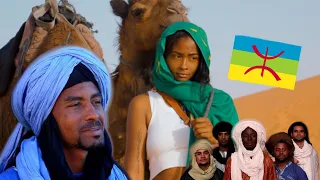
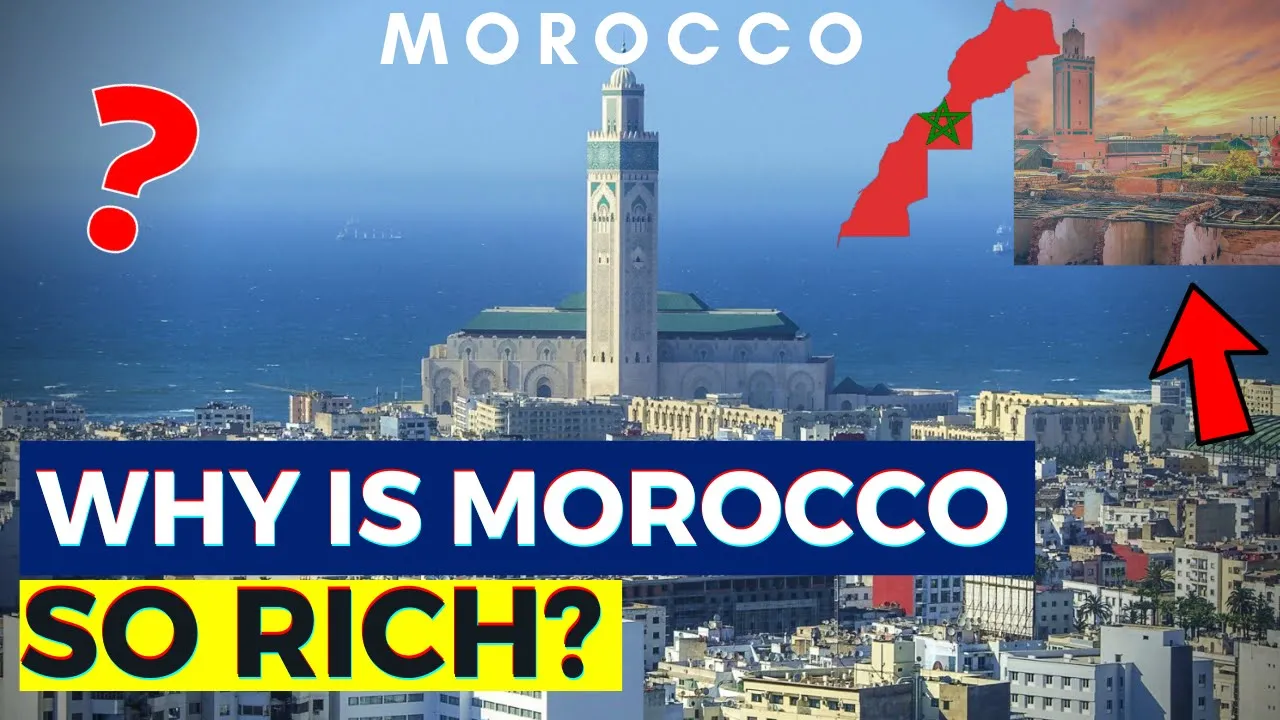
[Music] morocco has a long history and a culture that has absorbed millennia of customs it bears the stamp of multiple historical civilizations resulting in a breathtaking diversity and complexity that can still be observed in the streets of its cities and among its people morocco is a north african country with a population of approximately 32 million people the population is increasing at a pace of 1. 067 percent the population of morocco is made up of berbers sunny muslims of arab ancestry and arab rivers morocco has a population density of 72 persons per square meter there are three ethnic groups in the country the arab berber ethnic group makes up 99. 1 percent of the total population followed by a group that includes people who aren't arab berber and jews which makes up 0.
7 percent and jews who make up 0. 2 percent the country features a diverse religious landscape with islam accounting for 99 of the population christianity accounting for 1 and jews accounting for roughly 6 000 individuals moroccans speak arabic as their official language in government business and diplomacy french and berber dialects are frequently utilized in this moderate muslim country ethnic groups tolerate one another morocco is a key contributor to african economic affairs and one of the continent's most prosperous nations some of the country's food is grown for local consumption however due to the semi-arid climate agriculture is unreliable and the country must rely on food imports moroccan cuisine is the mediterranean consisting primarily of fruits grains and vegetables animal foods are not commonly consumed because of westernization moroccan urbanites have switched their eating habits from organic foods to fast foods resulting in a diet high in sugar and fats as a result obesity is common in metropolitan settings moroccan housing is quite good with 83 of the population living in cities and 69 percent in upgraded areas with safe drinking water and adequate sanitation there are numerous tourist attractions throughout the country the country also boasts a diverse cultural heritage and arts cities like casablanca marykitch and fess are popular tourist destinations due to their magnificent beaches hotels bazaars and medinas among other things acela a historic site with beautiful decorations created by moroccan artists is another draw ornate ceramics lovely mosaics and elaborately woven carpets are all readily available for purchase morocco's economy like that of many other former african colonies is primarily reliant on raw resource exports modern sectors particularly tourism and telecommunications are becoming increasingly important to the economy despite employing only around one-third of the country's workers the contemporary component accounts for more than two-thirds of gross domestic product morocco has a gdp of over 112 billion dollars the moroccan government has been pursuing robust privatization and economic reform agenda since the mid-1980s aided by major international lenders such as the world bank and the international monetary fund selling state on firms weakening the currency and modifying pricing rules have all been implemented to boost local production the moroccan government established a lending fund in 1999 to encourage small business growth and competition morocco's sandy beaches sunshine various ecosystems and rich cultural past provided with exceptional tourist potential which the government has been working hard to cultivate agriculture contributes almost 15 to morocco's gdp and combined with the fishing and forestry sectors employs about four to five percent of morocco's workforce morocco is rich in resources that can be exploited morocco's agricultural potential is unmatched by a few other arab or african countries with roughly eight to five thousand square kilometers of fertile land one-seventh of which may be irrigated and a usually mild mediterranean climate it is one of the few arab countries with the capability of achieving food self-sufficiency in a typical year morocco produces two-thirds of the grains required for domestic consumption primarily wheat barley and corn the country sends citrus fruits and early vegetables to europe as wine industry is thriving and commercial crops such as cotton sugar cane sugar beets and sunflowers are growing in popularity tea tobacco and soybeans are among the newer crops that have survived the experimental stage thanks to the fertile guard plains favorable growing conditions the country is working hard to increase its irrigation capacity which will eventually irrigate about 2. 5 million acres despite this the threat of drought is always present the cereal growing lowlands which experience significant yearly precipitation variants are particularly vulnerable drought occurs every third year on average in morocco causing agricultural production to fluctuate which is the biggest barrier to the sector's progress raising livestock particularly sheep and cattle is common morocco produces its own meat and strives to become self-sufficient in dairy goods morocco's woods which represent about a tenth of the country's total land area are extremely valuable commercially morocco harvests high elevation forests in the middle and high atlas to meet the majority of its timber needs its eucalyptus plantations allow it to produce its own charcoal which is widely utilized as coking fuel eucalyptus also supplies the country's paper and cellulose industries with raw materials cork from the country's abundant cork oak woodlands is also a major export sardines bonito and tuna are abundant in the canary current off morocco's west coast but the country lacks the modern fleets and processing facilities to properly exploit these marine riches morocco and the european union signed a large trade agreement in 1996 that included fishing rights under which the eu pays morocco an annual fee to allow vessels to fish in moroccan seas with the conquest of western sahara morocco gained control of around two-thirds of the world's phosphate reserves which are used to make fertilizers and other products low world phosphate prices on the other hand have hampered production phosphate is used in the creation of fertilizers and a recent discovery has shown that morocco possesses over 70 percent of the world's phosphate in fact within the next decades the world's food supply could become reliant upon whoever morocco chooses to trade with or who they choose not to trade with just maybe morocco might just sell off the phosphate to the highest bidder this has made many countries like the usa europe and china want to trade with morocco in a way that will favor them and morocco all this drives a lot of money into morocco other minerals extracted for domestic use include iron ore and coal as well as barite manganese lead and zinc which are exported in modest quantities morocco's lack of local energy sources is a fundamental flaw in its resource inventory although the country has considerable natural gas reserves that have been tapped oil exploration has proved unsuccessful it has significant hydroelectric potential which is currently being exploited morocco must import the majority of its expanding energy demands primarily crude petroleum that is refined domestically much of the country's electricity is generated by thermal power plants manufacturing accounts for roughly one-sixth of the gdp of this country and is constantly increasing in importance processing raw materials for export and making consumer items for the home market are two particularly important aspects of the country's industrial structure many of the enterprises trace back to the colonial era government engagement was prominent until the early 1980s and the main focus was on import substitution since then the focus has switched to privatization of government functions and encouraging new private investment especially from outside the country a major economic activity is the conversion of phosphate ore into fertilizers and phosphoric acid for export food processing for export includes canning fish fresh vegetables and fruit as well as flour milling and sugar refining for domestic purposes and textile and clothing manufacturing utilizing domestically produced cotton and wool is a substantial source of foreign cash morocco's iron and steel sector is minor yet it meets a large portion of the country's domestic demands the bank almagrip morocco's central bank is a major player in the country's banking sector it issues the moroccan duram manages morocco's foreign currency reserves regulates the commercial banking system controls credit supply supervises the government's specialized lending companies and issues the moroccan duram privatization has boosted trading on the casablanca stock exchange particularly in shares of significant former state-owned enterprises government efforts to boost exports and regulate imports have seen some results and the country's long-standing annual trade deficit has begun to shrink morocco has also greatly reduced its foreign debt by the 1990s agricultural produce such as citrus fruits and market vegetables semi-processed goods and consumer goods such as textiles phosphates and phosphate products are the top three exports semi-manufacturers and industrial equipment crude oil and food commodities are all major imports the european union is morocco's major trading partner given the purchasing power of the european union you definitely know money is coming into morocco through exports because morocco's trade with europe is so essential one of the most significant developments of the 1990s was the negotiation of a formal affiliation with the european union which included an agreement to establish a euro-mediterranean free trade zone over time various trade agreements have been explored to reduce reliance on europe including a deal with north american free trade agreement countries and bilateral agreements with other middle eastern and north african countries a free trade agreement with the united states was struck in 2004 morocco's gdp is accounted for by services which include government and military spending despite the government's continued efforts to sell many of its assets to private companies government spending alone accounts for nearly half of the service economy since the mid-1990s tourism and related services have grown in importance in the moroccan economy becoming the country's largest source of foreign currency by the late 1900s during that time the moroccan government invested heavily in the growth of the tourist industry and related services through loans and tax exemptions the government also made direct capital investments in the service sector's expansion but it has been selling these properties since the early 1990s morocco has several million visitors each year most of which are from europe tourists from algeria the united states and east asia primarily japan also visit agriculture employs roughly one-third of the population mining manufacturing and construction employ another one-third and trade finance and service employ the other one-third a huge informal sector of street vendors domestic workers and other under-employed and low-paid individuals is not included in these calculations unemployment is a concern the official figure is around one-fifth of the workforce but unofficial estimates are substantially higher and unemployment among university graduates with non-technical degrees is notably high as it is in most middle eastern and north african countries el union maricane du travail which is connected with the international confederation of free trade unions is the country's largest trade union with almost 700 000 members the majority of the general budget comes from tax receipts individuals corporations commodities and services as well as tobacco and petroleum products all pay taxes morocco's road network successfully connects the country's various regions the network was established during the colonial period and has since been adequately maintained and continuously enlarged the railway system connects the north's major cities and new train connections as well as better roadways are being built to elaine in western sahara morocco has a total of two dozen ports along its coastline casablanca alone handles roughly half of all port traffic however tenure's port facilities are becoming increasingly important safie mohammedia agadir nador kanitra and eljorf lassfar are among the other notable ports the country is served by about a dozen airports capable of housing large aircraft the main international airport is near casablanca the state-owned royal air merrock airline flies to europe north america the middle east and western africa on a regular basis all these well-maintained roads good railway networks and great air facilities facilitate the movement of people and businesses within and out of morocco and all these bring huge chunks of money into the country the government expanded and modernized the telecommunications system significantly in the late 1980s and early 1990s internal phone lines were roughly tripled and international communications were greatly improved a new law permitted private participation in the retail sector while the state retained control of fixed assets allowing the state owned to telecommunications business to be privatized in 1996.