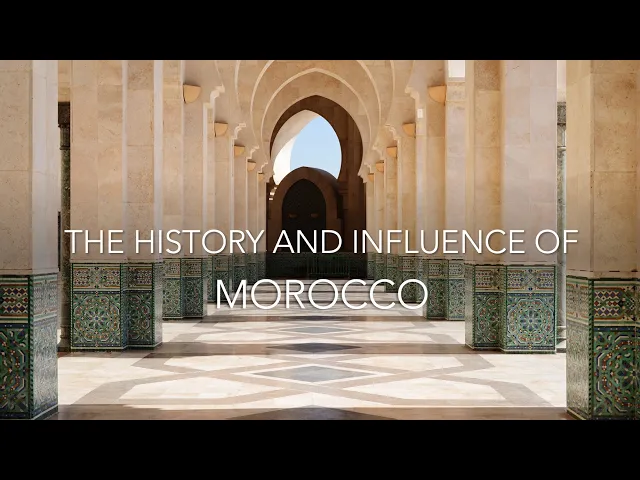
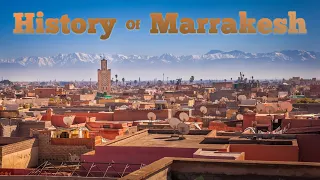
[Music] yeah so we begin with uh with morocco [Music] this map shows uh rabat as the capital uh but it is twice as big as what the international community recognizes as morocco the southern part is a desolate area of mostly desert uh that at one time was called uh by the spanish who colonized it in around 1900 the rio d'oro the river of gold and uh then uh the western sahara um it was uh invaded and taken over by morocco in the 1980s and there is a sort of a guerrilla movement resisting them uh and so the moroccan occupation is not completely recognized area has very few people it's one of the least habited uh in terms of density places uh in the world other than the arctic and the antarctic it has however uh a lot of wealth in the form of phosphates which are used in many uses include industrial uses uh most notably fertilizers so it's actually worth having they're about 33 million people in morocco it is the 38th most populous country on earth although rabbat is the capital the largest city is casablanca which is on the coast and is an important port the language is arabic of a particular kind associated with the maghreb which is the western north african islamic set of countries algeria tunisia morocco the colonial power until the 1950s was france although france didn't really occupy it uh for that many years but the second language has been french because that was what the colonial language was that was the first foreign language taught in schools that was the language of elite private schools obviously as with much of the rest of the world uh english is uh to some extent replacing it so uh it really didn't become a french colony totally until 1907 uh and the french uh invaded and took it over partly to protect algeria and tunisia which were their colonies from the early 19th century uh and to protect it partly against the spanish the spanish occupied the northern part of morocco and as we'll see there are a couple of little tiny vestiges left in the middle ages morocco was ruled by different dynasties and tribes uh a berber and arab kind of uneasy alliance and to this day in the interior uh the people are everybody speaks arabic because that's what's taught in the schools but many of them also speak berber which is a different language and consider themselves uh somewhat different from the arabs of the coast the height of the links between morocco and spain are from 1085 to 1250 when two moroccan dynasties invaded the islamic part of spain because they were afraid that they were falling under christian influence as we'll have occasion to remark spain was taken over by uh the arabs from north africa in 711 a. d some muslim presence persisted until 1492 with the fall of granada to the kings of aragon and castile in between the turning point is this period of 1085-1250 when islamic islam was gradually being hemmed in and eventually defeated by the various christian kingdoms the reason it took so long was not only the um you know that they were fairly evenly matched but divisions among both sides but before we get to that um let's look at one of the most scenic places in morocco which is a remnant of uh very far from the islamic era the city of volubalas near modern mechanus in morocco and this is a roman city although it was founded quite a long time before the romans uh but probably by the phoenicians who reached north africa as well as spain uh in the um as early as the second century bc this uh city on this particular site was created by the romans in the 3rd century of bc when the romans were first uh expanding into africa it was the capital of um the roman province that was called mauritania mauritania is actually a state uh south of morocco uh and this name lends itself to the the spanish term for uh arabs from north africa moors moros and moore is a term you know you obviously find it in shakespeare um and is a kind of not completely pejorative not completely complementary term for um muslims generally but particularly those of north africa but the the roman name for this province was mauritania it was occupied for about 10 centuries um it would be abandoned in uh probably the sixth or seventh century it's a magnificent site as you can see and uh it has a lot of mosaics it um provides a good picture of everyday life it has the remnants of stores of um houses of stables and of course of public buildings and you see here the gate to one of the entrances the height of the prosperity of this city would have been in the first to fourth century's a. d uh the roman ruins in north africa and there are quite a lot of them uh are fascinating because they're usually in the middle of nowhere unlike say the roman ruins of tarragona in spain or the uh um stadium in aurora or the famous triumphal arch in orange both ireland and provence to say nothing of rome itself are in cities in other words a modern city was built up uh on top of the roman city but in this case as with tim god a roman city in algeria or leptus magna a magnificent roman city in libya uh it's deserted and it's a little bit like some of the greek ruins in italy if you visited uh celente or sagesta which are again kind of in the middle of nowhere only these are more so the city of mechanized uh which we'll get a brief glimpse of uh shortly is not far away but there's you know there's nobody living right up against this uh uh this excavated city the important thing uh i'd like to emphasize is the um [Music] the fact that the roman world is was centered around the mediterranean the further you got from the mediterranean the less roman you got the romans themselves recognized this uh any place that was either too hot and desert-like or too cold to support wine grapes olive oil um was not civilized so uh the poet avid who was exiled by uh um uh augustus um uh to remain what's modern romania uh for um misbehaving uh he has some wonderful poems uh lamenting his exile and part of the uh horror of exile is being in a region uh uh whose climate at least at that time didn't really lend itself to at least the kind of wine grapes that he liked and where you can't you can't have uh olive oil cultivation so um this means that morocco had much more in common with roman spain than uh it did with its own interior and roman spain had much more in common with morocco than it did with say northern france or england this is a reversal then from the pattern that would persist in certain respects from the time of charlemagne uh um and is very dramatic now obviously uh the two the northern and the southern coasts of the mediterranean are very different in terms of religion uh in terms of um standard of living in terms of um you know life expectancy uh morocco is not a poor country uh but it's certainly not uh on the level of uh of western europe but in the in the roman world um italy and algeria uh spain and morocco would have had much more in common particularly their cities and so a city like volubilus is um laid out in a standard pattern that uh the romans used uh here you see the basilica and the capital on the next slide the remains of the basilica which have been the the law courts the capital the seat of government um this is on the eastern side of volubalas and was built uh between 193 and 235 uh a.
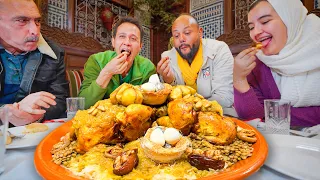
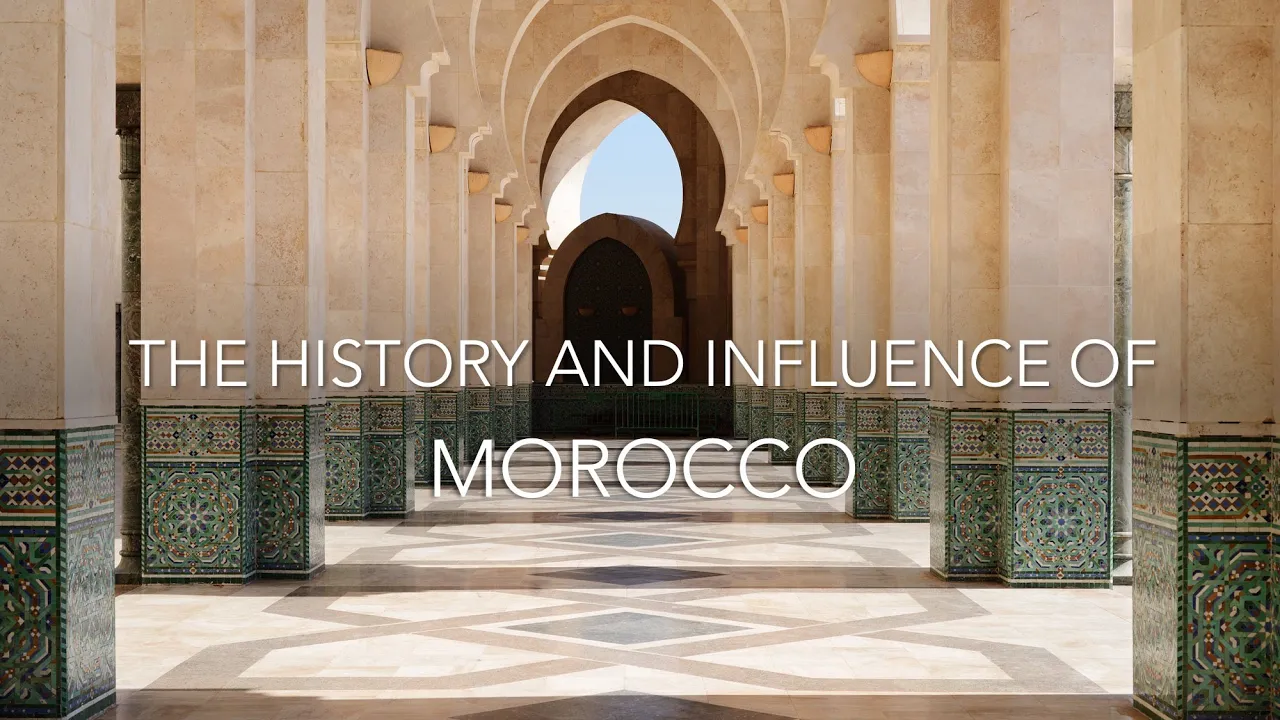
d and this is when a dynasty from north africa ruled the roman empire the severity and the severi were military leaders we're getting to the point where roman leadership becomes more and more militarized if you've been as i'm sure many of you have to the roman forum the arch of septimus severus is one of the two great triumphal arches uh of the forum the outer wall of the basilica uh has corinthian columns and it overlooks uh the forum where the markets were held and this is a standard item of roman town planning that you have a judicial and government building and then outside of it you have both a marketplace and a place for people to meet um so here's another slide from another view of volubilis and you can see the setting very well here it's laid out in a planned fashion with plazas and broad streets um the planning was partly for military reasons a liking for regularity the roman passion for engineering ensuring a proper water supply grain storage public buildings like law courts barracks baths theaters uh sports arenas the streets would usually and certainly in a place that was warm like volubilis be covered and arcaded to protect from the sun all of this is in stunning contrast to the medieval city both christian and islamic cities in the middle ages were crowded the streets were extremely narrow and the layout was haphazard this is partly because these cities were behind walls and so you couldn't just expand easily and still be in the protected zone so that the streets are narrow to maximize the space for houses the houses particularly in mediterranean cities like siena or barcelona are fairly high so you know that density that you associate with things like italian hill towns or uh naples or barcelona uh with tons and tons of complicated little alleyways is not for the sake of being picturesque it's really related to the fact of there being essentially defensive places um no longer uh barcelona tore down its walls in the 19th century as so many uh european cities as paris did but that was the original purpose and islamic towns are even more crooked uh you know the medina of fez and marrakech where really you you have to have a guide or otherwise you'll get lost the islamic city is particularly organized around these very dense neighborhoods um just a slide to show the um similarity of the kind of islamic heritage of spain on the left is mekhnas the town that is um uh closest to volubilus and on the right is morelia which is between um sargosa and valencia it's in uh um aragon or the northern province of valencia and you know in the case of already you can see that there's obviously a fortress on top but there was at one time uh in mechness both cities the way you visit them are to start at the top and walk down you know get somebody to drive you up and walk down uh you can see uh these are very similar uh places the buildings were actually built you know the the ones in morelia apart from the castle and the walls are relatively modern so they're not built as arab buildings but uh they're in a mediterranean style that is similar on uh either side of the coast and we're going to come back to the similarities uh between morocco and spain at the end we'll actually talk about food and some of the food borrowings uh so uh a slide of the mosaic one of the mosaics in volubilus north africa has marvelous mosaics as does spain so the roman museum in tarragona has some magnificent mosaics their mosaics in the roman museums in in tunisia as well um the roman domestic plan uh er has a plain exterior and then lots of courtyards gardens and servants quarters living quarters retail space storerooms are sort of mixed up but the splendor tends to be inside and not outside we'll now take a look at a a brief and by brief i mean like two minutes uh video kind of tour of voluplus so since you've seen these uh pictures in stills it's not a gigantic site i i like it that way the you know places that are unbelievably large or museums that have many many rooms i i have trouble with this is really uh ideal for me [Music] so um we now move to the middle ages uh but again as with volubilis this is a site that different people have built on um you see here this is a fortress um uh in rabat uh notice those little towers they will remind you of the so-called moorish towers uh at the fortress of san juan and puerto rico a very characteristic and it was a deliberate um uh imitation here we have a city that also like volubilis was first phoenician uh then it was roman a place called sala colonia but unlike volubulus uh it wasn't abandoned after the roman times rather it was abandoned this actual site was abandoned um in the al-maravit era in the mid 12th century but it's now part of the large capital city of uh uh rabbat this site was used by the muslims as um a necropolis which is really a fancy word for semin a cemetery necropolis meaning though that this is where the rulers uh chose to be buried um and it it uh has the islamic parts have and we'll look at the next slide roman columns that they use um and then very characteristic moorish arches with ceramic the tower in the background is very typical of islamic minarets in north africa which are much thicker and sturdier than the kind of thin minarets that we associate with uh places like uh turkish or persian monasteries uh but this is you know this is a site that incorporates roman as well as islamic elements and now we're in fez again see the uh um the solid fortress-like uh minaret uh and um remember that look because we'll see it again in places like seville attached to a christian cathedral uh fez is um the marinade capital there was another dynasty whose zenith was the 14th century it's uh in a very fertile site it's surrounded by olive groves and orchards it has mosques um that in the old city go back uh as far as the ninth century uh which is really only about a century after the conquest of morocco which preceded that of spain um in the case of morocco around 700 a. d and as i said in spain in 7-eleven uh the uh medina the center of uh fez the old city has still um several tanneries look at the next slide um places where leather is dyed in a traditional way um pretty uh rather horrible smelling uh the dyes themselves and the hides um the leather goods produced here are very fine islamic leather tanning and dyeing both fairly difficult operations i had some experience with this because i did my dissertation research in spain uh in a town uh north of barcelona called vik vic and veek was famous from the 12th century for leather tanning and i lived with a family that was one of the owners of a large tanning business they would buy skins from uh all over the world pakistan was a big supplier of theirs at that time and then they would uh they would finish them and they would dye them and sell them to you know shoemakers or makers of leather clothing um uh interestingly enough although uh they were the heirs of a tradition that by that time was at least 700 years old uh the leather industry of the is totally extinct it was uh unable to compete with china and particularly with korea and so since the 1990s or at least the very latest 2000 uh but here you see this was not what veek looked like of course vequism or industrial operation but they smelled the same when i when i visited fez i i felt like it was uh you know how smells give you associations even ones that are not all that pleasant um it smelled like peak circa 1975 uh when i when i worked there uh a little more luxurious look the next slide shows the entrance to the royal palace of fez and this is in a kind of modern um uh north african eclectic style uh typical of uh constructions uh and we'll see a couple others um originally uh you know this uh this is built in the marinette era in the 13th century um but it uh it has been uh rebuilt very luxuriously by the current uh alawit uh dynasty and then now we're going to look at another video which shows you the uh the medina these narrow streets uh so this is the sort of wall of the medina once again a mosque with its uh square uh and substantial looking tower do [Music] [Music] so [Music] and uh you see how the stores are the same the tendency for islamic footing is to organize by craft so the copper makers uh the brass smiths uh the silversmiths will be in the same area and um uh it's a little bit like their remnants of this in say the diamond district of new york the retail idea there being uh that if if if you want copper pots then you'll come to this quarter uh rather than every area having its own uh set of services there's some that are concentrated in one place so that even if you don't buy from me and you buy from my neighbor at least you know we get to share the number of people who are around and those people who are around are actually looking to buy they're they're less likely to be just sort of browsing uh they've come to the you know the street of the coppersmiths for a purpose uh all right so now we go to uh chef swan uh the blue city uh as it's called uh for obvious reasons and no clear reason why it was painted blue but a lot of these cities uh the the buildings are painted in one color or um you know a variety of colors this was founded in 1471 it was built both as a defense against the invading armies of the christian powers of the iberian peninsula um spain and portugal and as a refugee center for um muslims who had been expelled or were fleeing the christian occupation of granada which as i said fell in 1492 ending eight centuries of islamic um rule over at least part of the iberian peninsula and uh one of my students actually named chris forrey a graduate student is writing his phd thesis on these refugees and while it's been long recognized that there's a lot of interchange between muslims of spain and of morocco [Music] thinking of them as refugees and as migrants and as you know both kicked out of spain and not completely welcomed in morocco uh uh you know because they they were sort of a drain on the economy or they were disruptive or the usual reason that that immigrants even immigrants who are familiar to you in religious and cultural terms are not always welcome so this was a city built up particularly by refugees from islamic spain whitewashed houses with courtyards citrus trees this looks very much like um some spanish cities uh uh in andalusia the so-called white cities except these aren't white um again the the links between the two styles uh transcend religious boundaries um if you ask locals why the city is blue there are all sorts of different answers uh um that it symbolizes the sky or heaven uh that blue repels mosquitoes that blue attracts tourists none of these provide an absolutely convincing reason but it is a wonderful look particularly when the sun is out remnants of the reverse phenomenon the spanish attempts to invade morocco and take it over are two tiny places called seota and you can see gibraltar which belongs to the uh to great britain since the war the spanish succession 1700 to 1714. um ceota and malia uh are uh go back to the 15th century uh to the period when um um after or or as part of the conquest of granada spain tried to take over morocco and as i said uh the opening at one time it had all of northern morocco including tangier and tetuan and places like that uh this is what remains to them and now these cities are really in the news because uh they're the object of refugee um migrant uh destinations uh because they are technically part of the european community uh so once you're in seota then you are uh in europe and you you know you have a certain kind of uh freedom of movement although the spanish uh authorities are hardly um really uh giving um uh very much facility but these these these cities now are sort of semi-besieged by the new migrations we um end with uh oh no i think we have casablanca after market but we moved to marrakesh now founded in 1062 um capital of the alma raven empire and the al-muravids and the almohads and we'll look at a map in part two um were i don't want to use the word fundamentalist but certainly religious uh advocates of a return to a pure and more austere kind of islam and they blamed the weakness and collapse of islamic power in spain um or al-andalus as spain was called in uh arabic on the degeneracy the materialism the luxury-loving ways of the rulers and they proposed a you know an extremely austere and intolerant form of islam in its place here were in the uh narrow streets of uh the medina of marrakesh and um i think the next slide is of the spice market if i'm not mistaken yeah so spices including dyes uh and this is very medieval in the middle ages in europe uh um the word spices covers uh edible condiments but also aromatic substances that might be used for perfume uh dye stuffs like matter uh which is the uh a blue dye and um medicines um we'll look at some of the um similarities between spanish and moroccan food but one of the big differences is that spain has very very little in the way of spices and morocco has just tons of them you know the the the amounts that people buy seem to be what would be a you know a year if not a lifetime supply for people on the other side of the straits of gibraltar another difference is the tagines that um are used to uh to cook so you know we have on menus something called chicken tagine but it's called that because it's chicken cooked in a um well you know kind of a a medieval sous-vide it's a um clay pot that allows you to control how much heat escapes how much steam escapes and uh it allows for even um and and slow cooking and also they're portable so you can have tajins uh carried on a kind of portable uh abrasion of of coals and indeed you have um food stands uh all over uh marrakech in the main plaza uh they have these elaborate restaurants that are disassembled every night and so they're really glorified food stands uh we've got a video of marrakesh i believe and notice the uh um again the islamic uh uh one of the most famous minarets in the world one of the most beautiful [Music] [Music] [Music] i think uh everybody knows that islamic art is non-representational to avoid any charge of idolatry uh and so they make up for this absence of uh you know portrait or uh human form by extraordinary virtuosity with abstract patterns tile stucco and gun sculpture [Music] foreign uh the population is all centered on the coasts or in the north uh or in the foothills of the atlas mountains all areas of fertility or of good communications the desert is uh as it was in roman times um as it always has been uh pretty empty vitally important in the middle ages uh because of the trade in gold uh from uh africa south of the sahara um so uh there are fortresses all sorts of remains of strategic um uh places because much of the gold um that made its way into medieval christian europe came from um uh areas that are now mali um northern ghana um and uh and that area along the niger uh and the senegal rivers uh we moved to casablanca uh casablanca is a modern city uh the the mosque tower there is a modern mosque of uh hassan uh um it's actually uh lovely it's on the coast uh it's crowded it's picturesque it's not all that exotic but it's you know it's got a sort of a mediterranean uh it reminds me of some combination of uh tel aviv and miami beach uh an islamic variety uh here's the the mosque of hassan ii and and uh here again we have a modern building built in a um certainly in a traditional style but um uh obviously uh obviously modern uh it's uh it's not the largest mosque in the world it's like number two or number three and the interior slide shows again that level of extraordinary ornamentation and design that is a substitute is putting it to pejoratively is a uh a different aesthetic from that of like you know if this were a christian cathedral you'd have sculptures of saints and uh of uh other holy figures and then finally and this time it is finally uh the city of essuaria um esoria formerly known as uh mogador is on the atlantic coast and it was a great port uh replaced by casablanca at the end of the 19th beginning of the 20th century it's uh again a site that was settled by the um phoenicians and then the carthaginians whose center was more in what's now tunisia um and uh it uh had a very large jewish population uh in 1950 it was still 40 jewish um and uh now the the city fathers uh partly exclusively i suppose for tourism uh emphasized the jewish heritage uh but um uh the jewish population uh moved uh out of mogador they were um disliked not only for religious reasons and the founding of israel but um uh accused of collaborating with the french colonial authorities and um i think uh we have the next slide shows some cats uh these cats as you can see they're all over the place in essuria uh they're well fed uh they're taken care of without being exactly indoor pets they're outdoor animals that people feed people leave food for them uh you know they get groomed after a fashion this city is a port still uh for fishing and there are fish all over the place uh and the cats are part of the fish scavenging and sanitation system so that's part of the reason why they're so fat um and then finally we have another street in estoria uh once again the blue uh you know it's not the major aesthetic here but blue is a color that you see much more in morocco than in other places so we're going to just have a little bit of spain in terms of the influence of morocco and of the islamic world in particular so the first slide shows the islamic conquests of spain as of 750 a.
d you see there's a a little enclave a christian kingdom of asturias with its capital at oviedo along the bay of biscay and the mountains of asturias um the carolingian empire which would in fact buy um a conquer narbonne up in the uh top uh and barcelona in eight uh 801.