hey everyone welcome back for another deep dive um today we're going really deep oh yeah into a debate that's really at the heart of how we even think about fairness in society yeah so get this it's about whether social justice is mainly about money and resources okay or about respect and recognition it's a really interesting question because it kind of gets at the heart of how we value different things in society and who gets to you know benefit from those exactly and to really get into this we're going to be looking at this conversation between
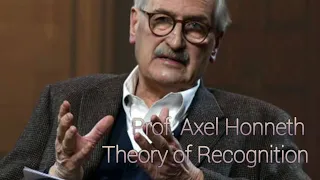
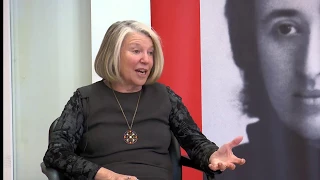
two philosophers Nancy Frasier and axel hanis right who really get into the nitty-gritty of this debate their book is I got to say a real head scratcher sometimes I was like what are they even talking about but in a good way it dies into moral philosophy and like how social structures work and even political movements but the core question is really what does a truly just Society even look like and what's interesting is that both these philosophers they argue that it's not as simple as just dividing the more equally okay or just making sure that
everyone feels included so it's not just about redistribution of wealth right think about it like even if everyone had the same exact income okay would that automatically mean we live in a just Society probably not probably not because people can still be Trad unfairly based on their gender their race their religion all sorts of other things yeah so that's where recognition comes in yeah it's about valuing different identities different cultures making sure everybody feels seen and respected right and tth actually argues that this feeling of being recognized is really fundamental to human dignity mhm like
without it people can experience this thing he calls misrecognition which can be like really damaging can you give us like a concrete example of this misrecognition at work sure think about how Society often values certain types of work more highly than others even if those like less value jobs are super essential like a teacher for instance plays a crucial role shap young minds absolutely but often they earn way less than someone who works in finance who might be seen as more successful so true it's like there's a disconnect between the real value of work and
how it's recognized yeah both in terms of respect and income exactly and this really ties back into that idea that we need both redistribution Andy recognition for a just Society yeah it's not enough to just level the playing field economically we also need to challeng these like underlying values and social norms that create hierarchies in the first place so we have to rethink what we value as a society it is that's a tall order it is but that's why this debate is so important I think it forces us to like really examine those values that
are kind of like the foundation of our social structures and think about how those values might actually be perpetuating Injustice okay so we're starting to see how these two ideas redistribution and recognition are intertwined yeah but where does it get really interesting where does it become a debate rather than everyone just being like yeah we need both of those things things get tricky when you start to think about how those two goals can sometimes actually be in tension with each other like what happens when pursuing more recognition for one group leads to less economic equality
for another oh that's a good point yeah imagine a policy that's aimed at promoting diversity in a particular industry okay so that's a form of recognition right you're trying to level the playing field for underrepresented groups but what if that policy unintentionally disadvantages workers who are already in that industry Maybe by making it harder for them to get promotions or raises yeah so you'd be increasing recognition for one group right but potentially decreasing economic equality for another yeah it's not as simple as just like more recognition is good or more redistribution will solve everything it's
way more complicated and that's why both Frasier and HTH they really emphasize the need for careful analysis and like critical think when it comes to like crafting policies or even thinking about social movements so we need to be mindful of those unintended consequences even when we're trying to do the right thing yeah absolutely and that brings us to another key point that these philosophers make okay which is this distinction between the right and the good okay I saw that in the book and I gotta be honest I found it a little bit confusing yeah can
you help break it down of course so the right refers to these Universal principles of justice that everyone should have access to regardless of their beliefs or their background so you can think of it like basic human rights like the right to free speech or the right to a fair trial exactly the good on the other hand is more about like individual preferences and values it's what we each consider to be like a fulfilling or meaningful life yeah so my idea of the good might be totally different than yours exactly depending on our values and
experiences right and that's why this distinction becomes really important when we start talking about social justice how so so redistribution often falls under the umbrella of the right okay it's about ensuring that everybody has a fair share of resources regardless of you know their background or beliefs but recognition can feel more like a matter of the good it's about respecting different ways of life and like valuing different perspectives so if someone is arguing for like a higher minimum wage they're appealing to the right yeah to say that everyone deserves a living wage right regardless of
what kind of work they do exactly but if someone's demanding that like their cultural practices need to be respected and valued by Society that's more about the good it's about making sure that their way of life is seen as valuable even if it's different from the mainstream so it's not always clearcut whether something is a matter of the right or the good exactly and sometimes those two ideas can even be in Conflict yeah and that's when the real debate starts yeah Frasier for example she argued ues that recognition can sometimes become so focused on the
good on respecting difference that it loses sight of the right uhhuh of ensuring that everybody has equal opportunities to actually participate in society so celebrating cultural diversity is great but not if it means that certain groups are still systematically excluded from Power exactly and that's why I think this whole Deep dive is so important yeah it's forcing us to think really critically about that relationship between redistribution and recognition and how we can achieve both in a way that creates a truly just Society all right well let's keep going because I think there's a lot more
to unpack here yeah there is so redistribution and recognition they're like totally intertwined yeah but it feels like we're only like scratching the surface here right where do we go from here like how do we actually put these ideas into practice well that's the million-dollar question right that's where the rubber meets the road yeah and luckily both of these philosophers they offer some pretty interesting ways to think about translating these Concepts into like real world Solutions okay so what are some of the approaches they suggest well one big idea is that we need to think
about both affirmative and transformative strategies for achieving social justice affirmative and transformative I'm not sure I've heard those terms before what's the difference so think of it this way affirmative strategies they're all about fixing problems within the existing system okay so you're trying to make things Fair without necessarily changing the underlying structure so if you were trying to address like the gender pay Gap yeah an affirmative strategy might be encouraging more women to go into stem Fields right or providing more affordable child care so women can stay in the workforce exactly you're working within the
system to try and level the playing field okay transformative strategies on the other hand they're all about changing the system itself okay so you're going deeper you're questioning those root causes of Injustice so a transformative approach to the gender pay Gap might be questioning like whhy are certain jobs valued more highly than others in the first place exactly or challenging those like deeply ingrained gender stereotypes that limit opportunities exactly it's about asking those bigger why questions and pushing for more fundamental changes in how Society actually operates this distinction is really helpful I can see how
it applies to both redistribution and ecognition absolutely think about affirmative action policies for example right they're often seen as a way to promote Racial equality on the one hand you could say they're redistributive because they aim to increase access to education and jobs right for historically marginalized groups so they're trying to make things fairer in terms of who has access to those opportunities exactly but affirmative action you could also see it as a form of recognition Okay right it's challenging that historical devaluation of certain racial groups and pushing for greater inclusion so it's working on
both levels yeah trying to fix immediate inequalities and pushing for a deeper shift in how Society values different groups exactly and that's what I think is so powerful about this framework it's not about choosing between redistribution or R recognition or affirmative or transformative strategies it's about understanding how all these pieces work together to create a more just and Equitable Society my mind is officially blown good but are there any like real world examples of these transformative changes actually working it's definitely a challenge yeah but there are historical examples that give us I think some reason
for Hope okay think about the labor movement for example the fight for workers rights exactly historically it's been a movement pushing for both redistribution and recognition in what way so on the redistribution front the labor movement fought for things like higher wages okay safer working conditions limits on working hours right they were trying to make sure that workers got a fair share of the economic pie that makes sense but where does the recognition piece come in well the labor movement was also about dignity and respect for working people okay it was about challenging this idea
that workers were just cogs in the machine and demanding that they be treated fairly and like recognized for their contributions to society so it was about economic Justice yeah and challenging those social hierarchies that devalued certain types of work exactly and some of the policies that came out of the labor movement yeah things like Universal public education Social Security those had like a transformative impact on society yeah they created a safety net for like millions of people exactly ensuring access to basic necessities and a degree of Economic Security right and in doing so they helped
to shift that balance of power yeah and create a more Equitable Society where workers had a stronger voice and greater opportunities that's inspiring it shows that even in the face of like powerful opposition movements pushing for both redistribution and D recognition yeah can achieve real lasting change absolutely but it's also important to remember that even well-intentioned efforts to promote social justice yeah they can sometimes have unintended consequences what do you mean like give you an example so let's say a society tries to remedy the misrecognition of a particular cultural group by emphasizing their unique traditions
and Customs so that's a form of affirmative recognition right but it has to be done carefully otherwise you risk reinforcing divisions between groups exactly or even creating a backlash from those who feel excluded right and there can be similar risks with affirmative redist retribution okay take means tested welfare programs for instance the ones that provide financial assistance yeah only to people who fall below a certain income level exactly so they're Essential Safety Nets yeah but they can also create this kind of stigma right where recipients feel like they're being labeled as like less than or
dependent so an unintended consequence of trying to help people in need could be further marginalizing them right by reinforcing those negative stereotypes exactly and that's why both Frasier and HTH they advocate for more transformative approaches okay ones that tackle those root causes of Injustice they argue that by actually restructuring those social systems we can create a more just and Equitable Society for everyone but how do we make those kind of systemic changes happen it all seems so daunting it's definitely not easy both philosophers they emphasize the crucial role of like Democratic deliberation okay and social
movements in driving social change so it's about engaging in like open and respectful dialogue yeah about these really complex issues and pushing for change through Collective action exactly it's about empowering people to challenge the status quo and demand both redistribution and recognition but how do we make sure that those demands are heard and acted on that's a great question I mean it's one thing to have a good idea but it's another thing entirely to translate that into concrete political change that's where the link between social theory and political practice becomes really crucial okay both philosophers
argue that a deeper understanding of how power operates and how social structures shape Our Lives can help us develop more effective strategies for challenging Injustice okay and promoting social transformation so it's not just about having good intentions andc ofet toate change right and that's where their ideas about non- reformist reforms come in okay you mentioned that term earlier can you remind us what that means it still sounds a little bit paradoxical to me yeah it is a bit of a heads scratcher yeah but it's a really powerful idea okay it's this idea that you can
pursue reforms within the existing system that actually have the potential to create more radical transformation over time so they're not just about addressing immediate problems but about setting in motion a process that can lead to more fundamental changes exactly it's like they're Stepping Stones toward a more just and Equitable Society okay I like that one example that's often cited is this idea of a universal basic income the idea that everyone regardless of their income or employment status would get a guaranteed minimum income that's right now it's often seen as a redistributive policy aiming to reduce
poverty and economic inequality right but it also has this potential to be transformative how so well imagine a world where everybody had that basic level of Economic Security okay people would have more freedom to choose work that was actually meaningful to them yeah rather than being forced to take any job just to survive right they could be more selective they could demand better working conditions they could even start their own businesses could really change the power Dynamic absolutely between employers and employees exactly non- reformist reforms are all about using the existing system to kind of
plant the seeds Okay for more radical social transformation this is all incredibly thought-provoking but I have to ask the pragmatic question sure how do we build the political will and the social momentum to actually make these changes happen right I mean it feels like our current political climate is so focused on like Division and short-term gains rather than these long-term systemic Solutions you're absolutely right it's a huge challenge yeah but both these philosophers they really believe that social movements are key okay to driving this kind of transformative change so it's about people coming together yeah
to demand a more just and Equitable Society uhhuh pushing for both immediate improvements right and the long-term systemic change exactly and they argue that social movements can be even more effective okay when they really understand and can leverage that interplay between redistribution and recognition so it's about combining that passion and energy of activism yeah with a clear understanding of like the social and economic forces that are at play exactly social change it's a long game yeah it takes time it takes strategic thinking it's not about quick fixes but about creating lasting shifts in power and
in values it's about movements that get both the economics and E the culture exactly and one one way to really see that is to look at historical examples of movements that did a good job of blending those demands for redistribution and recognition right think about the civil rights movement in the US yeah it's often remembered for that fight against segregation and discrimination which were very clearly issues of recognition right ensuring equal rights and dignity for African-Americans exactly but the movement also had like strong economic Justice components too okay you know challenging those racial disparities and
employment housing education so the fight for equal rights wasn't separate from the fight for economic fairness right they were two sides of the same coin yeah and you see that in a lot of social movements yeah feminist movements lgbtq plus rights activism MH they often demand both respect andd a fairer share of resources and opportunities absolutely this makes me think about the whole debate around climate Justice yeah like that feels like another area where redistribution and recognition are super connected absolutely climate change dis proportionately impacts marginalized communities globally yeah the people who contributed the least
to the problem are often the ones hit hardest by the effects so it's not just about reducing emission right it's about making sure those most affected have a say in the solutions MH A and D get support to adapt exactly climate Justice requires both a redistribution of resources to help those vulnerable communities cope A and D recognition of their perspectives and needs when you're designing policies this whole Deep dive has been really eye openening yeah it's not about choosing one approach over the other right it's about understanding how all these different forces work together absolutely
and that's what I think makes the work of these philosophers so valuable they give us that framework to think about social justice in a more nuanced and effective way and speaking of Frameworks you mentioned earlier this concept of non- reformist reforms oh yeah can you talk a little bit more about that I'm still trying to wrap my head around it yeah it is a bit of a head scratcher I know but it's a really powerful idea okay it's about pursuing changes within the system we have now that actually have the potential to create much bigger
Transformations over time so not settling for like small incremental improvements right but using those small changes to push for bigger systemic shifts exactly one example they talk about is the idea of a universal basic income yeah that idea that everyone regardless of their income or employment status would get that guaranteed minimum income that's right isn't that mostly seen as a way to like reduce poverty and inequality it is and that makes it a redistributive policy right but it could also be transformative on a deeper level how so well imagine a world where everybody had that
basic economic security okay people would have more freedom to choose work that's meaningful right instead of just taking any job to survive right they would be more selective demand better conditions maybe even start their own businesses it could totally shift that power dynamic between employers and employees EX exactly non-reform reforms are about using the system to plant the seeds for bigger changes in how Society works so inspiring but I got to ask the pragmatic question yeah how do we get the political will and the momentum to actually make this happen right it feels like things
are so focused on Division and short-term gains these days you're right it's a huge challenge but both of these philosophers they believe that social movements are key driving this kind of change about people coming together yeah demanding a more just and Equitable Society right pushing for both immediate fixes and those long-term Solutions exactly and those movements are even more effective when they really understand how redistribution and recognition play off each other combining the passion of activism yeah with a real understanding of what's going on socially and economically precisely and remember social change it's a marathon
not a Sprint right takes time and strategy not quick fixes but lasting changes in power and values wow this deep dive has been quite a journey I feel like I've got a whole new understanding of how complex these issues are yeah me too it's not about simple answers y it's about a real conversation uhhuh about how we create a world that's truly just and Equitable for everyone absolutely so keep questioning keep learning keep pushing for that world where Justice and equality win the day thanks for joining us on this deep dive thanks everyone