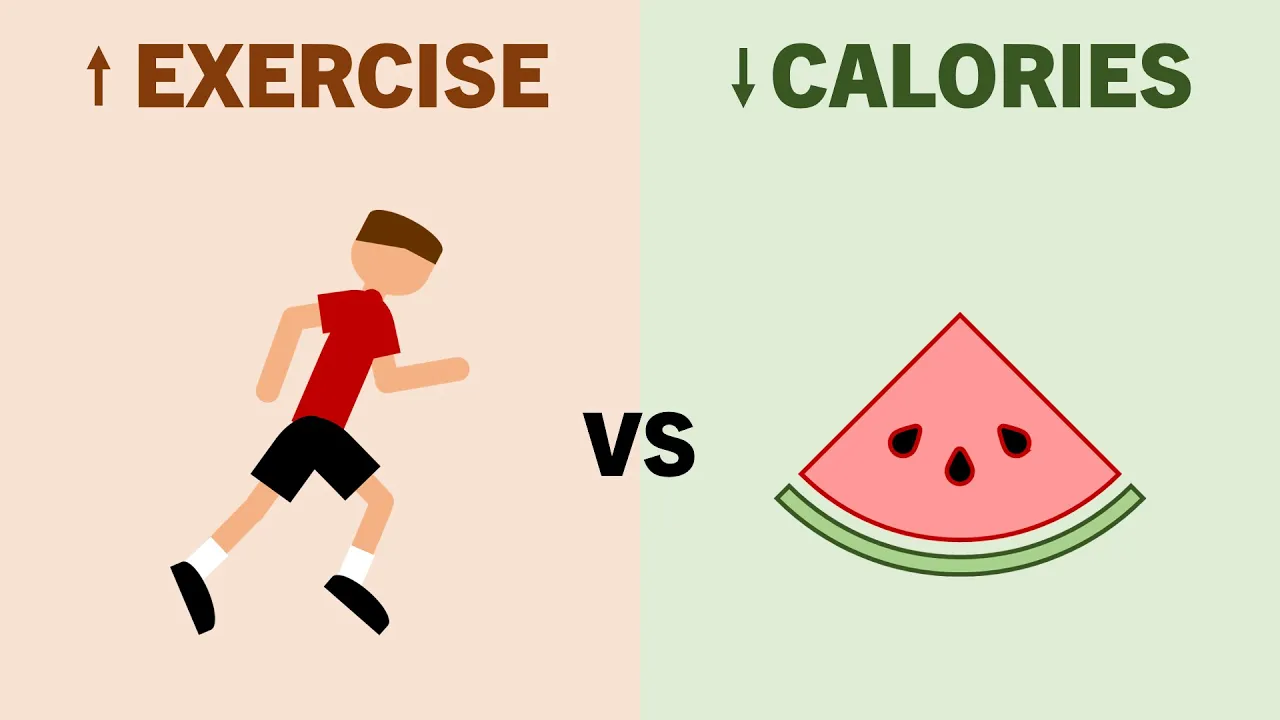
doing more exercise and decreasing calories are both helpful strategies to promote weight loss however which is more effective and when is it a good idea to utilize each strategy in this video we will try to answer these questions first let's quickly recap the fundamentals of energy balance this is the simple equation of energy intake versus energy expenditure if we consume more calories than we expend we will gain weight over time if we eat the same number of calories than we expend we will maintain weight over time and if we eat less calories than we expend
we will lose weight over time so to lose weight we need to be in this last category here a calorie deficit so how do we reach this negative energy balance State well there are two ways to achieve this eating fewer calories or expending more energy or some combination of both so the question we want to know is which one should we preference consuming less calories or we're doing more exercise well luckily there is an abundance of research on exercise and nutrition interventions on weight loss and body composition first let's compare the overall effects of diet
versus exercise on changes in body weight this study explored the effects of a diet or exercise intervention on changes in body weight over 12 months 439 overweight and obese women were provided with either 45 minutes of aerobic exercise five times per week or individualized nutrition counseling from a dietitian or both the diet and exercise interventions after one year all groups successfully lost weight the exercise group lost around 2.4 kilos the diet group lost around 8.5 kilos and the combined exercise group lost the most weight around 10.8 kilos so what this suggests is that both exercise
and diet interventions can be helpful when the goal is to lose weight however manipulating diet seems to have a greater positive effect than exercise and combining both diet and exercise interventions seems to be the most effective for long-term weight loss furthermore once white has been lost the next challenge is to maintain this new reduced body weight if that is your goal while this functions via the same principles as weight loss I.E maintaining a lower energy balance the role of exercise and diet seem to be slightly different this study explored the effects of diet and exercise
on long-term weight management in overweight and obese individuals who had initially lost significant body weight over 5000 subjects underwent regular exercise and nutrition counseling for one year and lost an average of around 5 kilos then for the next three years subjects were monitored to see how their body weight changed over time with much less frequent counseling sessions these graphs show exercise levels and reported calorie intake of those who successfully maintained this lower body weight versus those who regained weight as we can see there was a clear dose response relationship between exercise levels and the amount
of weight loss that was maintained those who had the highest activity levels showed the the greatest amount of weight loss maintenance while those who had the lowest activity levels tended to regain body weight however the results were slightly different for calorie intake as we can see calorie intake was actually similar between all groups who successfully maintained weight loss but was significantly greater in those who regained weight this data suggests that although it is not entirely clear why exercise seems to play an important role in the long-term maintenance of weight loss possibly even more so than
diet let's Now cover what the effects of increasing exercise are exercise has a few important effects that are relevant to this discussion which we will now cover the first and probably most obvious is the effects of exercise on energy expenditure here we are talking about exercise with the goal to burn more calories to promote a calorie deficit but how much energy does exercise actually burn to answer this we need to look at energy expenditure during exercise sessions but also how this affects energy expenditure post exercise and throughout the rest of the day let's start by
looking at how much energy we burn during exercise this study provides a general summary of how much energy we burn during different forms of exercise the best way to look at this is to use the metabolic equivalent metric or Mets for short this describes how much energy we expend relative to rest if we perform light exercise such as slow walking cycling or swimming we would expect to burn around two to five times the amount of energy compared with rest if we performed moderate intensity exercise such as moderate walking cycling or skiing we could expect to
burn around four to nine times the amount of energy compared with rest and if we were to perform more intense exercise such as running or playing sport then we could expect to burn around 9 to 15 times the amount of energy compared with rest furthermore we also expend some amount of energy after an exercise session after we exercise we continue to burn slightly more energy than Baseline for a few hours this is what is often called the afterburn effect this is primarily due to what is known as excess post-exercise oxygen consumption or Epoch for short
this refers to the elevation in heart rate and breathing rate we experience even after the exercise bout has ended and during this time we also expend more energy than what we would normally expend at rest but how much additional energy do we expend at this time and how long does this afterburn effect last well the magnitude of epoch we experience is influenced by the duration and intensity of the exercise performed This research review explored the effects of duration and intensity on the magnitude of epoch experienced these two graphs display the collective results of the studies
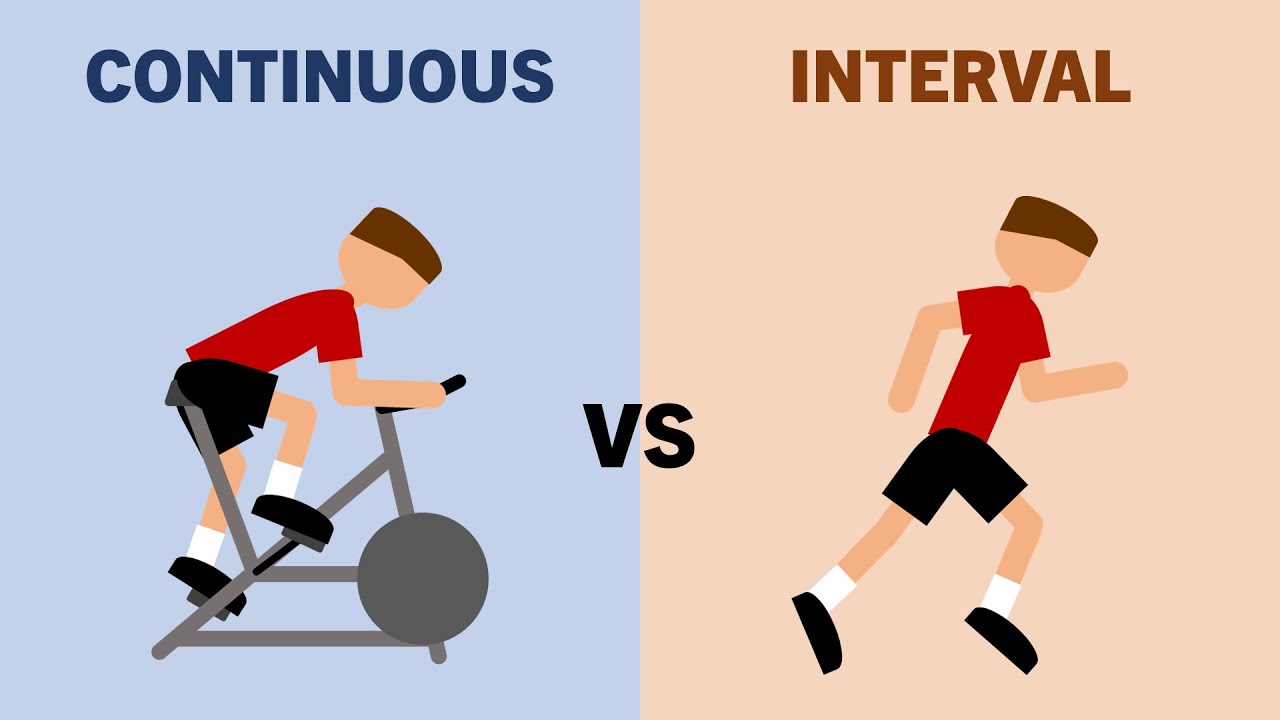
looking at the effects of these variables on Epoch as we can see there was a an exponential increase in Epoch with higher intensity exercise and there was more of a linear increase when it comes to duration so basically longer and more intense exercise will increase the amount of epoch we experience so how much energy does Epoch actually burn this idea was explored in this study which assessed the amount of energy that was burnt after a cycling session on separate occasions subjects performed Sprint interval training high intensity interval training and continuous cycling Sprint intervals included 6
Max effort 30 second Sprints with four minutes active recovery at sixty percent of Max heart rate between Sprints high intensity interval training consisted of four bouts of four minute intervals at 95 of their max heart rate with three minutes active recovery at sixty percent heart rate and the continuous training consisted of 30 minutes of steady state cycling at eighty percent max heart rate in the following three hours after each exercise bout subjects were seated and Epoch was assessed it was found that the Sprint interval training resulted in the greatest post-exercise energy expenditure about 110 calories
high intensity intervals were second best at around 83 calories and continuous cycling was least effective at around 63 calories although it should be noted that the total energy expenditure including both the exercise session and Epoch was actually highest in the continuous group and lowest in the Sprint interval group as a result of the energy expended during the exercise session so it may not always be wise to try and stimulate the greatest Epoch at the expense of total session energy expenditure so it seems that exercise does promote significant energy expenditure when looking at the individual session
and the post-exercise period however something we often fail to realize is that we also experience what is known as energy compensation this is the idea that our body compensates for increases in exercise via a down regulation of other components so over the course of the entire day we don't spend as much energy as we would expect by looking at the exercise session in isolation according to this research review We tend to experience an average of around a 28 compensation in total daily energy expenditure via decreases in resting energy expenditure as a result of increasing exercise
in other words only around 72 percent of the energy burned via exercise will actually contribute to Total daily energy expenditure and it seems that the more exercise we perform the more compensation we experience this research review proposed that we tend to experience drained energy expenditure with high levels of physical activity when performing low levels of exercise additional exercise tends to increase energy expenditure in an additive way in other words we perform more exercise and burn proportionally more calories there is no compensation from other components however when physical activity increases to higher and higher levels we
tend to experience what is known as constrained energy expenditure in other words we burn less energy from other components so total energy expenditure is not as high as we would expect and this down regulation due to other components is what is known as energy compensation furthermore exercise doesn't only contribute to energy expenditure directly but it also plays a role in how much we eat evidence suggests that exercise tends to help us regulate our appetite This research review proposed this graph showing the effects of exercise on how much energy we consume per day on the left
hand side we have low levels of physical activity and as we can see energy intake tends to actually be relatively High despite energy expenditure being relatively low this is what is known as The non-regulated Zone our hunger and satiety cues are not in line with our actual energy expenditure increasing our likelihood of overeating and gaining weight over time as we move to the right hand side of the graph we have higher levels of physical activity and as we can see once we achieve a moderate level of exercise our energy intake is more in line with
our actual energy expenditure requirements this is what is known as the regulated Zone with moderate to high activity levels we tend to eat more in line with how much energy we actually expend via more accurate regulation of hunger and satiety so exercise can also help us to regulate our hunger and satiety signals in addition to increasing energy expenditure this means we are more likely to eat in accordance with our actual energy requirements which is going to be beneficial when it comes to weight loss and the last consideration regarding exercise for weight loss that is worth
mentioning is its effects on muscle retention the goal for most people is not necessarily just to lose weight rather it is to lose fat for muscle retention exercise plays an important role in particular it is resistance training that will provide a stimulus for muscle retention during a calorie deficit this was seen in this meta-analysis which explored the effects of resistance training during calorie restriction on body composition changes in obese elderly individuals this graph shows the average effects of a calorie deficit alone versus a calorie deficit plus resistance training on changes in body composition in both
cases a similar amount of total body weight is lost however dieting alone tends to result in some losses of muscle mass whereas performing resistance training simultaneously tends to result in no losses and potentially small gains in muscle mass during the dieting process as we can see in the blue this means that if the same amount of toe little body weight is lost we will lose more body fat during the diet when including resistance training compared with a calorie deficit alone shown in the orange we've now explored the effects of exercise on weight loss and body
composition changes now let's explore the effects of decreasing calories well this is a more straightforward discussion when it comes to exercise there are ways that increasing exercise can have minimal impact on total daily energy expenditure via behavioral and physiological factors however when we reduce calorie intake it is a true reduction in energy intake so if we are doing this with some level of accuracy it has an undeniable impact on the energy intake side of the equation although this is a simpler discussion there are a few factors worth being aware of the first is what is
known as adaptive thermogenesis this is similar to the energy compensation phenomenon we discussed in the exercise topic when we decrease calorie intake and enter a calorie deficit we tend to experience a decrease in our metabolic rate or the amount of energy we expend at rest this certainly cannot completely compensate for a reduction in calorie intake but it can result in slightly less weight loss than what may be predicted for example this study explored the amount of adaptive thermogenesis experience during six weeks of severe calorie restriction in overweight men subjects consumed a diet consisting of only
50 percent of their predicted daily calorie needs during the diet subjects lost an average of around 14 kilos of body weight over 16 weeks confirming that they were in fact in an aggressive calorie deficit if we look at the amount of energy that was expended over a 24-hour time period we can see that it decreased as soon as subjects entered a deficit before the diet total energy expenditure was around 2400 calories after one week of dieting energy expenditure dropped to around 2250 calories and for the rest of the diet it slowly decreased further but not
by as much as the initial decrease so although decreasing calories will ultimately put us in a calorie deficit we should just be aware that there will be a small amount of adaptive thermogenesis in other words our energy expenditure decreases a little as a result of the deficit this means that it may not result in as much weight loss as we might predict based on your calculated Baseline energy expenditure and more importantly there are potentially some practical issues we may face by decreasing calorie intake there are two primary challenges we may face when decreasing calories the
first and most obvious is that we will usually need to increase our overall diet strictness this may include factors such as eating lower calorie foods decreasing portion sizes possibly needing us to track food eating out less and so on this can be somewhat of a challenge to adhere to if it requires drastic Behavior change in most cases immediate major changes to our chronic behaviors and habits will often result in poor adherence to the diet this is especially true if the new behaviors are too extreme and ultimately unsustainable so instead we probably want to make small
and gradual changes to our eating behaviors to increase our chances of adherence and the other practical challenge we may face by decreasing calories is that it becomes more difficult to manage our macronutrient intake this refers to the amount of protein carbohydrate and fat that we consume within our lotted calorie intake in particular a reduction in calorie intake especially a drastic reduction will make it more difficult to consume a high protein intake you will likely need to specifically select foods with high protein content and less carbohydrates and fat in order to heat your protein targets within
your calorie Target this will again mean that you need to become stricter with your diet potentially making it less sustainable to adhere to and the last factor to consider is the time we have available for leisure this will influence our decision to either reduce calories or increase exercise since it takes more time to perform dedicated exercise sessions if we have the time we at least have the option to perform more exercise but if we are very busy with other tasks and commitments it may not be realistic for us to perform additional exercise alternatively we could
make time for more exercise by scheduling our day differently waking up earlier or any other way to fit in more exercise into your routine although you probably don't want to put yourself in a position where your schedule is so tight that you have no room for a change in plans so if you find your schedule is so tight that your weekly exercise is limited then it may simply be easier to reduce calorie intake to promote a calorie deficit taking all this information into consideration let's now establish some practical recommendations firstly both reducing calorie intake and
increasing exercise will usually have positive effects on weight loss and body composition in terms of exercise it seems to be important to at least perform a moderate level of physical activity as a general rule a minimum of around 7500 steps per day is going to be beneficial for weight loss purposes higher activity levels will likely further help with energy expenditure but seems to have less additional benefit as we perform more and more exercise so depending on your enjoyment and time availability more exercise may be a good idea to perform but in any case it will
be very difficult to expend enough energy via exercise to compensate for a high calorie intake in other words it is difficult to out exercise a poor diet so to speak furthermore it is important to also include resistance training in your routine not necessary early to increase energy expenditure but for the purposes of retaining muscle mass during the weight loss period and once you were performing a moderate to high level of exercise the diet is going to be the primary method to achieve a calorie deficit the majority of total daily energy expenditure occurs as a result
of our basal metabolic rate not via exercise so while exercise can help to boost our total daily energy expenditure calories need to be controlled to some extent for successful weight loss and it should also be noted that some people male rely slightly more or less on diet versus exercise to promote a calorie deficit based on time availability and their exercise preferences