one fear to rule them all one fear to find them one fear to bring them all and in the black box bind them this is the introductory sentence to a scientific peer-reviewed journal article titled fear of the unknown one fear to rule them all and as you could have guessed the entire write-up is completely dedicated to fear it posits that the fear of the unknown may be the fundamental fear that which stands at the core of our phobias and terrors and fearing the unknown is not an accident it is a trait that it's been adapted
in human beings across thousands of generations this is a concept in a field of psychology that I studied called evolutionary psychology which is an approach to use psychology to explain how the mind adapts across time because of natural selection our ancestors feared the unknown because by definition there is no way to plan for it we didn't know what dwell inside the deep cave or underneath the blackness of the midnight water or just past the dense thicket in the jungle so we became fearful of these things and because of this fear our ancestors stayed far away
from these things and live to teach their children the same thing that it is far more advantageous to try to avoid the unknown than to embrace it watching someone else make dangerous discoveries is a much better alternative and I believe we have carried our ancestors fearful cautious mindset into the present day and that just might be why horror movies are so popular there is a yearning deep inside of us a primordial primitive one I think to watch others interact with the unknown to be bystander to those living through experiences that science in logical reasoning cannot
explain professor and author and screenplay editor Bruce Cowen wrote a book titled horror and the horror film and in it he said horror has been an important John Reforma lenio and modern-day horror movies are one reflection of this practice in popular culture they translate the ancient activity of telling creepy fairy tales into visual narrative form in doing so they provide a way to conceptualize give shape to and deal with the evil and frightening the supernatural and the mysterious are the subjects of so many horror movies and we are more drawn to them and their representation
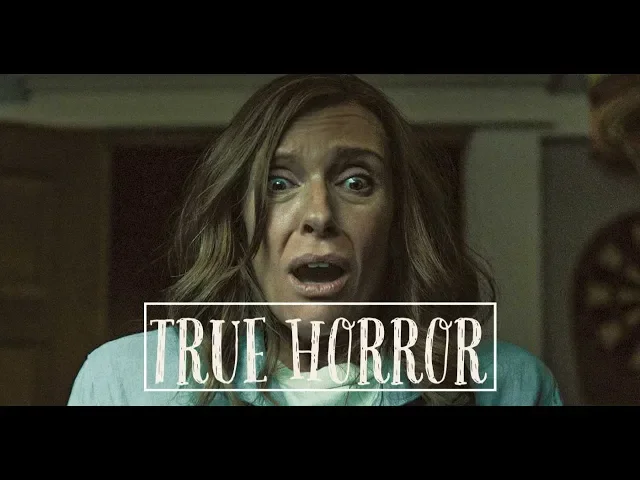
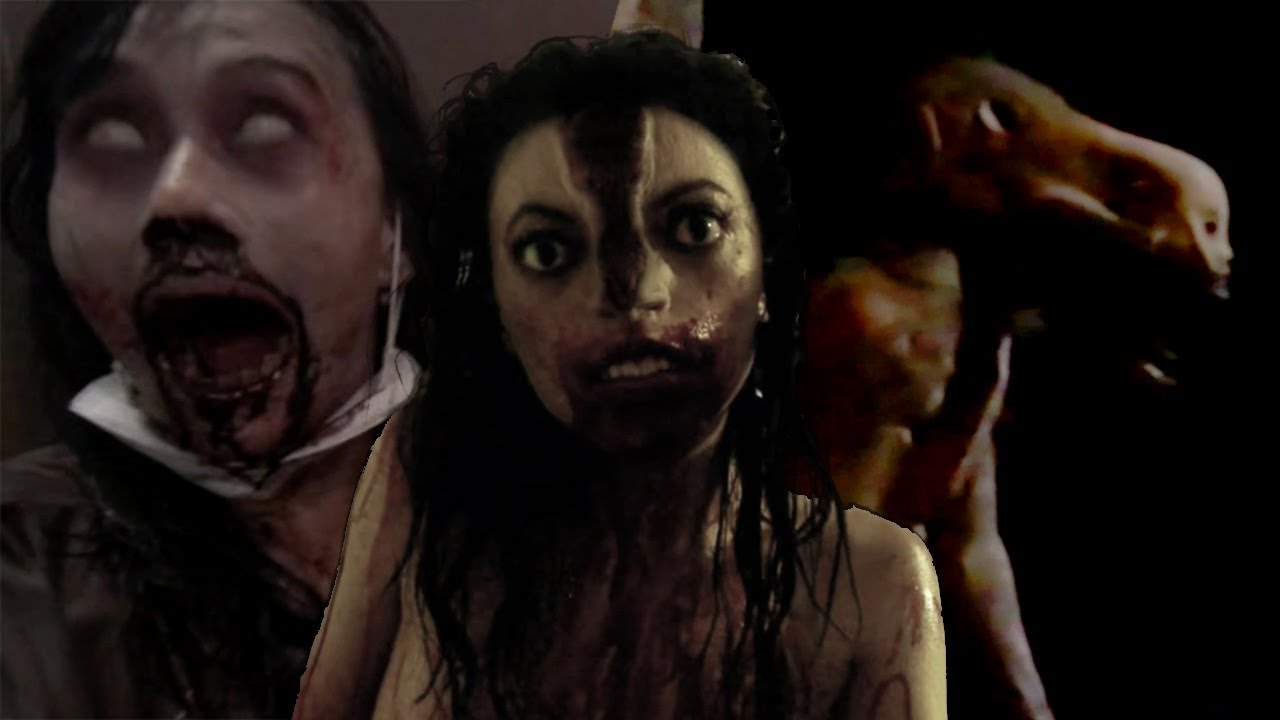
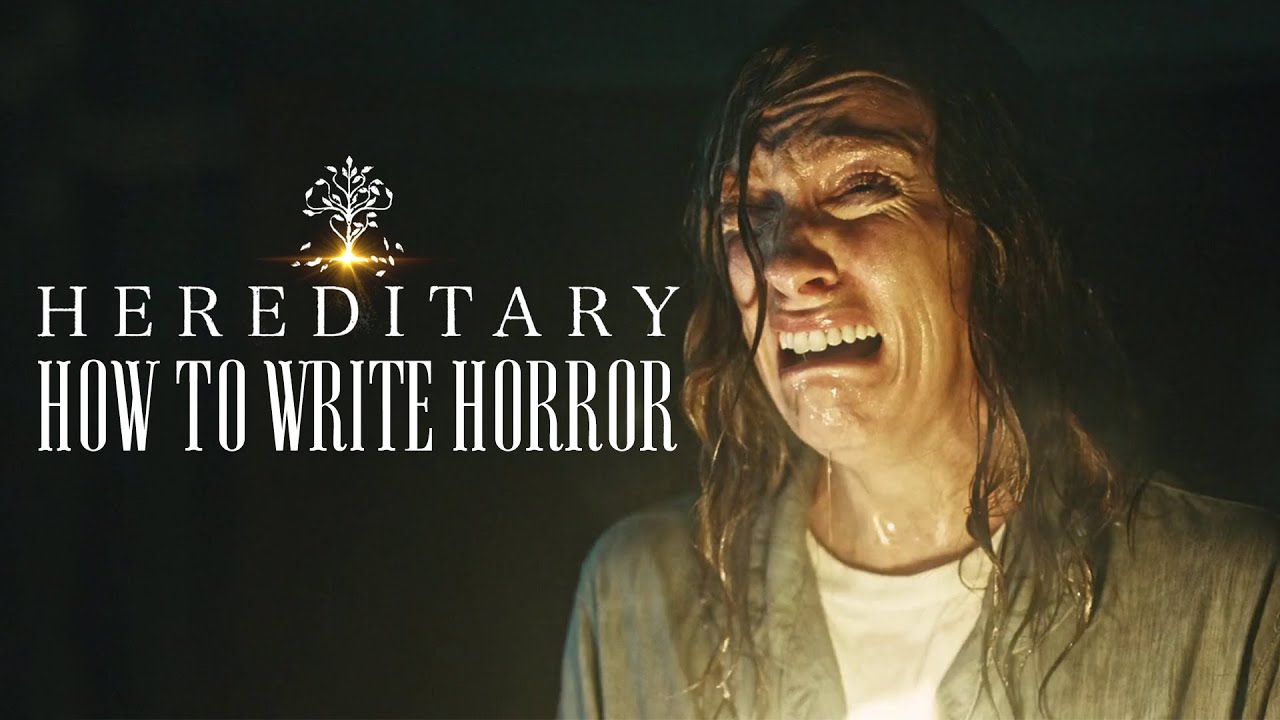
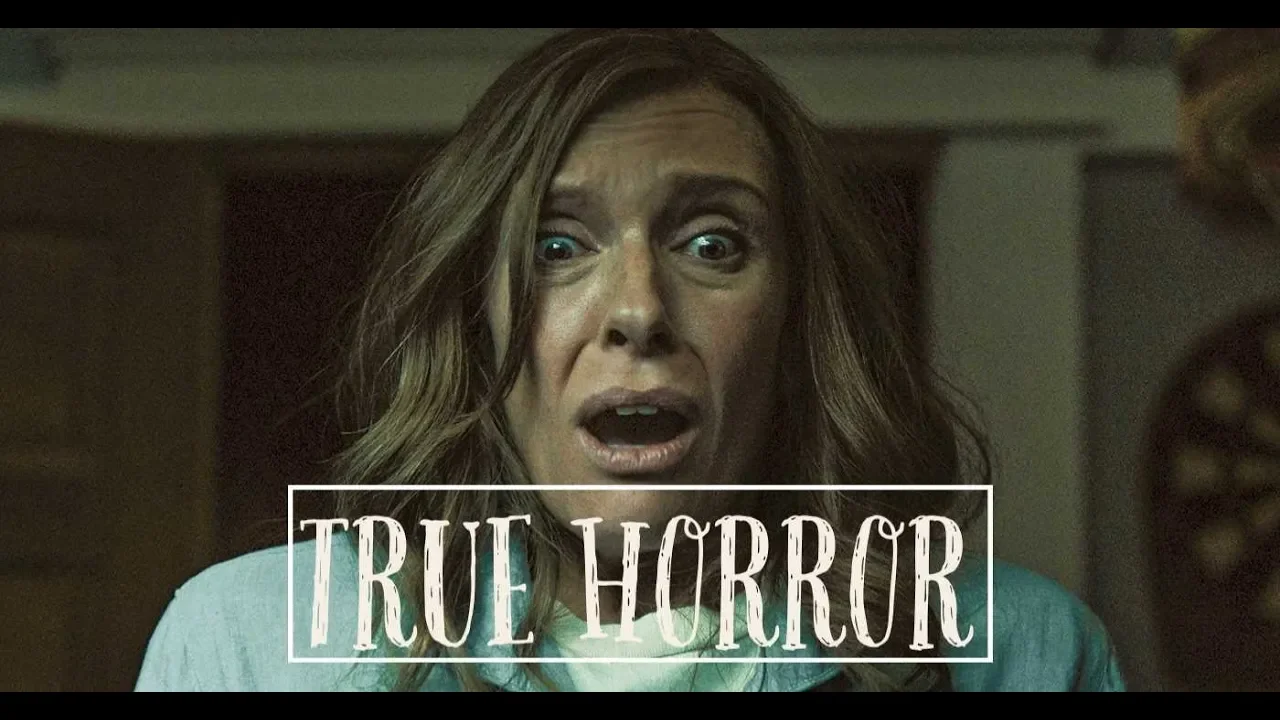
of the unknown and how we may better cope to understand it but so often horror movies are poorly made and poorly received every year we are inundated with horror movies that scare us not because of any atmospheric tension they create bread because of interaction with the unknown but because they had a loud noise and a scary flash onto the screen but even still every once in a while we do get a gem of a horror movie a film that understands its genre and what it means to be a truly terrifying movie hereditary is one such
movie the more I watch it the more I am confident in saying it is my favorite horror movie of all time however before I get into what makes hereditary such a great movie I feel the need to explain why horror specifically is intrinsically difficult to write and to do that I need to break down the structure of a narrative though there can be infinite variations typically there are three distinct phases of a narrative introduction conflict and climax some also choose to include the resolution as the fourth stage and that's perfectly fine but we will focus
on the first three stages for the purpose of this video and while we're at it we're going to alter the names of it for better understanding of the concepts provided the introduction can also be understood as the discovery phase this is when you meet the characters you are figuring out who is who and what they want a good introduction is supposed to allow you to discover things that will make you interested enough to continue participating in the narrative the other two phases are either meant to sustain or increase the interest that the introduction has created
and speaking of we can move on to the next phase the conflict or familiarization phase this is where you get the sense of both the struggle of the narrative and the antagonist keep in mind the antagonist does not have to be a person the antagonist is whatever or whomever is keeping the protagonist from achieving their goal and the reason I call this the familiarization phase is that even though you learn about what the protagonist wants and what the antagonist is doing to keep them from getting it you don't have the full picture yet there are
still a lot of story to go you aren't intimately acquainted with the narrative you were just familiar but all that changes in our next phase which is the climate or understanding phase this is where the full intentions of the antagonists are known and when our protagonist learns what it will take to defeat them some of you might recognize this as when the villain gives her evil monologue and tells her evil master plan now why is all this important because in a horror movie the discovery phase and the familiarization phase will almost always be the easiest
to do well why is that because of the exact concepts that I addressed at the start of the video in the initial phases of the movie we know the least about who or what is causing the conflict of the narrative we are surrounded by the unknown and the unknown breeds fear when presented with uncertainty in mystery our minds automatically seek to create answers to fill that gap in knowledge when the monster or demon or psycho killer exists in the discovery and familiars Asian phase you manufacture the terrifying answers that the narrative is not giving and
no one scares you better than you however it is when the story moves into the understanding phase that much of that fear can dissipate the horrifying answers to the conflict that you created are set aside for what the narrative tells you is really happening sometimes this can actually make you more scared if the concrete answer is properly aligned with which were fearful of but in many instances the understanding phase makes you less scared because you know the antagonist what they want in how to defeat them the uncertainty and the unknown is gone along with their
power to assist in creating fear a prime example of this would be the nun in the final act the characters learned that to destroy valack they misused the blood of Christ against the demon because of this certainty this disregard for the unknown the climax and the understanding phase of the movie feels more like an action flick than a horror and this is where you might have realized that a horror movie naturally runs counter intuitive to traditional storytelling in reality you may never get the answers to your deepest fears they remain ambiguous and unknown but by
definition of their existence narratives demand that you find out more about the antagonist and the conflict as they progress and the more we know about something scary the less scary it becomes yet hereditary is able to transcend to greatness despite all these limitations and to do so with two beautifully simple decisions first it takes the understanding phase and pushes it as far back into the film as possible until almost the very last moment it is only within the last five minutes of the film that we learn what has been happening to the family and why
and what this delaying of understanding does is constantly keep us from gaining any knowledge on the circumstances of the horror each time we get a little bit closer to the answer some new aspect appears to keep us in the dark movies like The Witch and annihilation do the exact same thing the characters never figure out that they have to traverse another dimension in order to save their loved one or sacrifice themselves to a witch to stop a cataclysm they were kept ignorant of what to do and terrified because of it throughout the entire movie and
we are able to walk alongside in that fear because of it but even for stalling the understanding phase until the very end is just a clever choice and narrative construction would truly set hereditary apart is that it doesn't try to be a great horror movie it tries to be a great movie period director Arie Astor is adamant that he wanted to create a movie centered on characters and their struggles Arie said that he desired scares that were emotionally justified rather than leaning solely on traditional horror jump scares according to Alex Wolff who played Peter the
original cut of the film could have easily pushed over three hours mostly consisting of more family dialogue IMDB records that many of the cast and crew view the film as a family drama more than a horror movie Arie Astor himself calls the movie a film about suffering not about horror the fear-inducing nature of the film is so effective because we care about the characters we recognize that we could be them sympathizing with the characters in a horror walking in their shoes challenges the passive observer role that evolutionary psychology says that we desire for safety sake
by aligning ourselves emotionally with the characters we insert ourselves into their circumstance we are no longer watching the unknown we are experiencing it ourselves and that is the one fear to rule them all so often horror movies seem to be the only films that become fixated on their genres rather than their narratives genre is supposed to be nothing more than the frame for the story inside of it men in black isn't about science fiction Game of Thrones isn't about fantasy they powerpoints or dissertations they are stories about people who happen to do scientific things and
fantastical things horror movies shouldn't be about horror they should be about characters that grow through horrible situations when movies in the horror genre do focus on being character driven and not horror driven they get the reception to validate their effort ari asked her saying that hereditary was made to be character driven and not just about horror shouldn't be revolutionary it should be the baseline if you liked what you heard and want to support the channel check out my book on Amazon I will leave a link in the description as always it was a pleasure and
I will talk to you all again next week