My dream is to democratize healthcare and health literacy. . .
Tá. Na. Hora basically created an artificial intelligence.
. . .
. . that can communicate with thousands of people at the same time in a personalized manner.
. . .
. . principally via cellphones.
Often it doesn't make sense to send some medical information in a folder, book, on TV. . .
. . .
if the effect will be limited. . .
if the underlying behavior isn't changed. With a doctor, if you have any questions, you have to go there and ask. He doesn't know if you're unsure of something or not.
. . .
. . and the texts cover all the questions you may have.
If your baby's 1 month old, you get step-by-step info on what to do with her. Sometimes I had a doubt about something and I ended up getting a text that resolved it. The texts provided company.
. . when I woke up, I always checked if there was a new one.
For me it was good because I have four other children. During my other pregnancy I didnt have anyone come by and ask "how are you? " .
. . or "how do you feel"?
Because many times you don't feel great, and I didn't have this kind of virtual support. It's a kind of "virtual friend" If the "virtual friend" is really a "friend", then we'd be able to see a high of responses I'll ask questions, users will be engaged, and respond. This means that the content that we're transmitting, that we're exchanging, actually works.
We had a decrease in the wait times, because mothers receive the texts from SMSbaby. . .
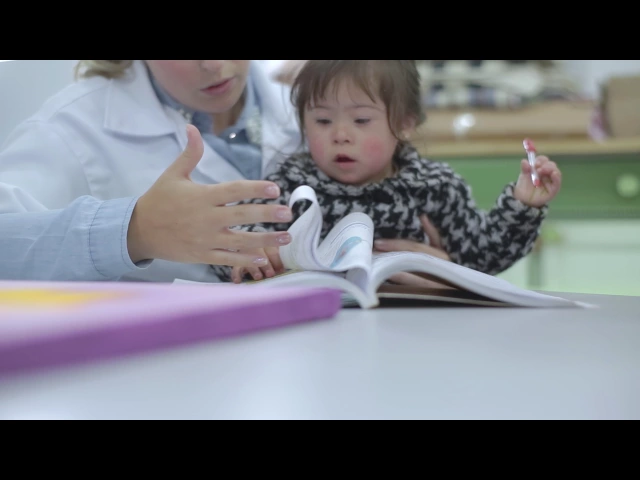
so the mothers have been seeking us out a lot less. The content that families will receive from SpecialSMS will involve the areas that APAE works with. .
. . .
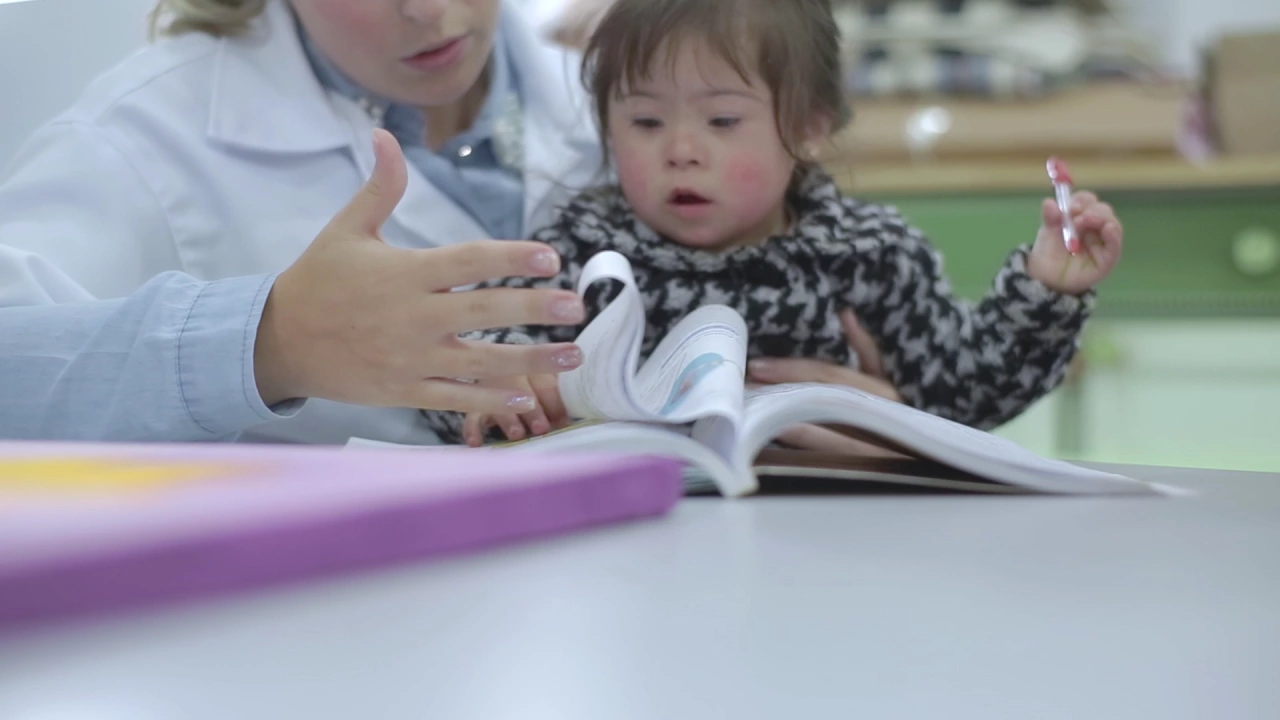
. physiotherapy, speech therapy, psychotherapy. Many families still, by habit, infantilize people with Down Syndrome.
. . .
. . which limits their lives.
And with the text messages we could help break this stigma. . .
. . .
focussing on the autonomy of this person, so in the future he/she may have job opportunities. "Digital Health" is one of the best ways to resolve the growing demand for healthcare services. .
. . .
. when current infrastructure can't keep up. I always thought about creating something that could help people at large scale.
In 2012 I was working in Silicon Valley. At that time I was speaking a lot with my cofounder Juliano. .
. . .
. about the idea of using cellphones as a vehicle to transmit healthcare information. We help healthcare organizations, that have very large populations, better manage those populations.
The Dengue vaccine from the Instituto Butantan is entering into Phase 3 trials. . .
. . .
which is the last phase of trials. And now, a big challenge is to include participants from different cities and states in Brazil. Nearly 17 thousand participants, over 5 years, to track symptoms of Dengue.
Tá. na. Hora's system, that sends interactive text messages, allows us to have constant communication.
It's automated, so we don't forget a single participant. We can see if the patient is going to their doctor or pre-natal appointments. .
. One of our users started responding in a way that indicated high risk. .
. . .
. and this risk intensified until the system automatically sent a notification about an impending health problem. "Go and see what is going on" "because they're something that could be potentially dangerous" The medical team took a look, and was able to prevent a case of umbilical cord strangulation.
We were able to help save that life. Impact needs to be measured. You need to guarantee that your initiative is the most effective that exists.
You have employers, health plans, hospitals -- everyone looking for better outcomes. . .
And many don't know how to do it. We've been working hard to solve this problem and have been achieving fantastic results. I hope that this concept is used in the rest of the world.
. . .
. . and changes how people think about health.