the driving force behind capitalism namely profit has got out of line with what we as individuals societies and the natural world need when we think about well what is a profit it's not just simply the difference between the revenue and the cost the operating cost and the capital cost of the company it's also about the cost of ensuring that companies don't create problems but at the moment companies in many cases are profiting from creating detriment and that undermines the functioning of markets that this isn't just a matter of Regulation it's a matter of ensuring that
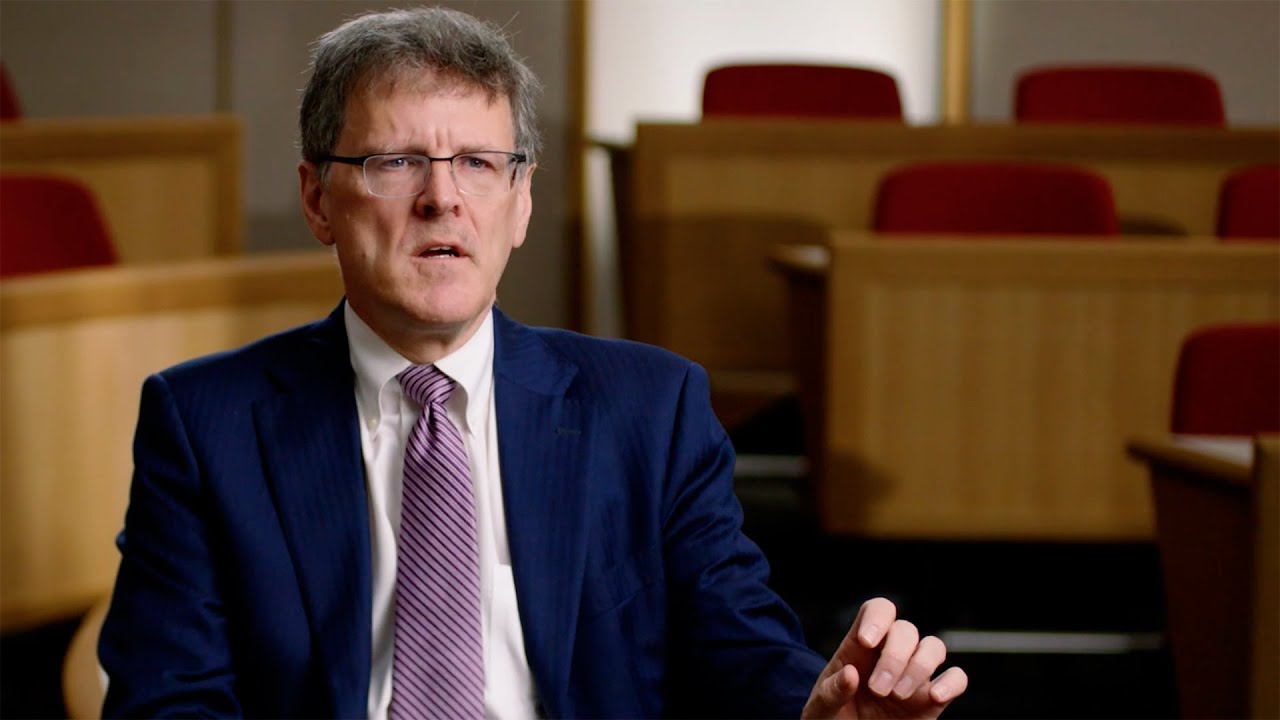
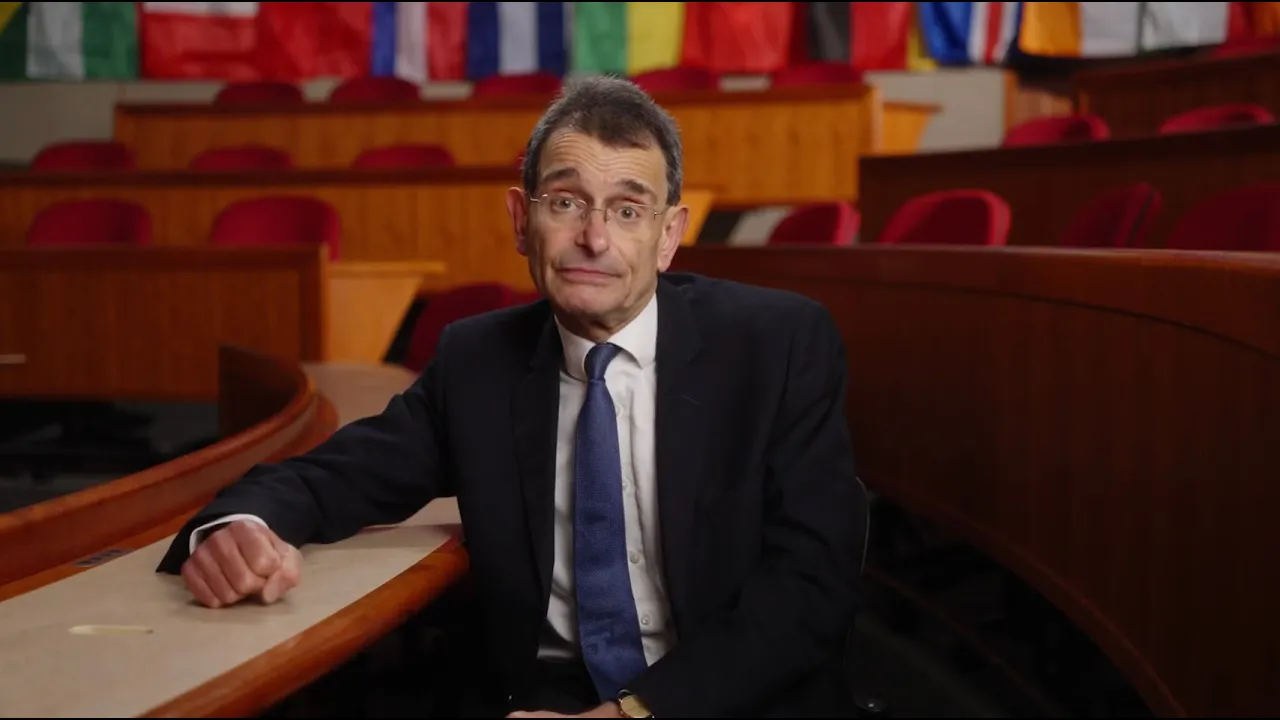
the underlying principles that are driving companies are consistent you know we invented the modern Corporation we invented it in a form that's created immense benefits for us but we're increasingly realizing that those benefits at are coming at a price my name is Colin mayor I'm a professor at the side business school and the blatnik school of government at the University of Oxford I started off as an economist in particular a financial Economist focused on the financing of business over the last few years my interests have developed in the direction of what makes for responsible business
what does it mean for a business to have a a real corporate purpose and how can we change the reputation that business has around the world in January of this year I published a book entitled capitalism and crisis how to fix them it's about why we've got into the mess that we're currently encountering in terms of the ever growing number of crises growing in frequency amplitude and prevalence around the world I look at why is this happening what's the role of capitalism in bringing this about and in particular what's the role of business and what
can we do to sort out those problem [Music] capitalism first of all you should recognize has been an incredible contribution to us it's created economic Prosperity the growth of Nations and the alleviation of poverty around the world so it's against the background of that that we have to look at what's happening recently but basically what has happened is that the driving force behind capitalism namely profit has got out of line with what we as individuals societies and the natural world [Music] need the framework that I develop is around the purpose of business corporate purpose and
in particular I Define the purpose of business in a particular way namely that business exists to solve problems to solve problems that you and I face as individuals societies and the natural world but to do so in a particular way and that is to do it in a profitable way we're talking about what the best companies and the most successful companies around the world if you look at what is sometimes turned the Magnificent Seven the trillion dollar companies in this country they all basically have the same feature they're all highly purposeful they're all set out
to solve really big problems and to find ways of making it commercially viable to do [Music] that well what we've got to realize is that a profit derives from a company solving a really big problem and not creating problems and the implication for that is that when we think about well what is a profit it's not just simply the difference between the revenue and the cost the operating cost and the capital cost of the company it's also about the cost of ensuring that companies don't create problems that they don't pay people below living wages that
they don't pay their suppliers below a fair trade price that they don't profit from producing pollution biodiversity loss or or emitting global warming gases that they recognize that it's their role to avoid those problems or whether they do cause them to clean up the mess that they create I was very fortunate to be part of a major investigation by the UK government of how it could make this generation the first generation to leave natural capital in a better State than it found it and what we did is we set out a plan that the government
could use and in particular the role that business as well as government can play in doing this and what this did was to bring out the notion of what does it mean for companies to be sustainable we talk about sustainability all of the time and the clear element that came through from that committee was a key component is that companies should ensure that they sustain and restore the natural Capital that they use and exploit in their business activities not just simply undermine them I'll give you an example from the UK that is currently causing immense
problems the water industry you know the most straightforward industry one might imagine of all that a company is doing is delivering water and uh dealing with sewage well it's turned out that this has been one of the most problematic Industries why because it was privatized regulated but nevertheless what it's doing is at the moment profiting significantly from dumping raw sewage into rivers lakes and coasts and that's causing outrage and bringing out exactly what I'm talking about it's the role of those companies to ensure that they sustain the cleanliness of the water the rivers the lakes
and the seashores [Music] what's the big problem of doing this the answer is that so long as every business recognizes that that is really its purpose then the best companies come out top they out compete other firms but at the moment companies in many cases are profiting from creating detriments and that undermines the functioning of markets we talk about encouraging competition competition is great it does create a run to the top provided it's the case that it's a Level Playing Field it's not a Level Playing Field if some companies can profit from for example dumping
raw sewage into seashores and lakes Etc that undermines the competition process and it causes a run to the bottom not to the top [Music] regulation is important in laying down what are the accepted conventions by which business should operate but regulation has serious problems and it's a cause of an immense amount of controversy in particular in this country where it's causing considerable political divides between the left and the right the reason for that is that the left believe that regulation and intent speci ified imposition of Regulation is required to avoid these problems the right says
on the contrary this is undermining political freedom and liberty and it's undermining growth investment and jobs and it illustrates that we're not actually going to solve the problem simply by imposing regulation what we need is for the notion of the company's purpose of of being to profit from producing Solutions not problems that should be inherent intrinsic to the way in which we structure companies and the way in which companies are run it's a matter about of corporate law not just about regulation in the UK we've got a company law that says that it's the responsibility
of the directors to promote the success of the company for the benefit of its shareholders okay that's basically the way in which uh corporate law operates in the US but it goes on to talk about that in so doing the directors of the company should have regard to the consequences of that for other parties for their employees for their suppliers for the environment Etc now if that's interpreted in the right way that is to say that company profit when they're taking due regard for the interest of those other parties that does exactly what I'm talking
about put simply the purpose of a company as stated in corporate law should be they profit from producing Solutions not [Music] problems currently the boards of companies are not expected to take account of the extent to which their companies are causing detriments for the environment or their employees Etc but what is happening at the moment is that there are new standards that are being developed by for example the international financial reporting stand standards that has set up an international sustainability Standards Board to set out the ways in which companies should report on what they are
doing in terms of sustainability disclosures in regard to for example climate or it will go on in due course to talk about the social impacts that companies are having this is laying down a framework by which companies will report on the extent to which they are profiting from creating problems or solutions for [Music] others when I talk to board members about this the notion that this is the way in which one should think about the success of the company is precisely in in accord with the way in which they look at business that's exactly the
way in which the most successful companies think about their businesses but they frequently say well you know we're up against a problem unfortunately the rest of the industry isn't always playing according to that type of rule and that's exactly my point that this isn't just a matter of Regulation it's a matter of ensuring that the underlying principles that are driving companies are consistent so that all companies realize that this is the basis on which they are playing against each [Music] other what we need to do to address this going forward is to bring together the
various parties that recognize that there's a problem and that something needs to change and there are many companies that are coming together in Industry associations in their particular sectors to think about for example to what extent is the fashion industry clearly creating a major problem around the world in terms of the pollution and that industry approach is one Element but it's only one element because it also takes government and bringing government round the table so one of the things that I'm currently doing is working with governments around the world to work in conjunction with business
to think about well how does one really move the dial in this area and there's a part of the world that's particularly interested in this not just here in America or in Europe but in the developing and emerging countries where they are the businesses of the future that at the moment are having a lot of problems in terms of how do they develop against a world which is imposing increasing costs in terms of saying environmental damage has to stop now you know they're reasonably saying well how can we still expand our economies if it's the
case that we're having ever increasing burdens imposed imposed upon us and there they recognize that what is needed is to level the playing field to ensure that those companies that are now expected to avoid detriments are not undermined by companies in the west that are still profiting from creating lots of [Music] problems institutional investors play a critical role in ensuring this happens because they obviously control the capital that then drives business and what they are increasingly recognizing is that it is their responsibility to ensure that the B basis on which they are profiting is not
through creating detriment for others otherwise it undermines the sustainability of the businesses in which they are investing and so increasingly they are looking to engaging with companies in finding out to what extent are they really adopting the right policies but more needs to happen on this they are not at the moment sufficiently focused on this at least in most most parts of the world but there are some investors that really are playing a key role in making this [Music] happen the media and the analysts are key players in terms of bringing this around because what
at the end of the day is really going to transform this is a recognition by you and I as consumers as communities as people whose societies are being affected by business we are going to look to companies and their investors to ensure that the sorts of problems that have been imposed on them will not continue in the future so we're increasingly seeing the media and the way in which analysts report on the companies that they're investing in recognizing the importance of not just convincing their own investor Community but the much wider segment of the world
that is realizing that business is not just a Force for good but it has also been a source of many of the problems that they're currently in [Music] country there are two ways in which the transformation can come about the first is building on something that Milton Friedman once said that only a crisis actual or perceiv produces real change when that crisis occurs the actions that are taken depend on the ideas that are lying around he therefore then went on to say it's therefore our duty to create new ideas keep them alive and available until
the politically impossible becomes the politically inev so that's one approach we have increasing crisis going on getting worse in terms of amplitude and impact until people realize that there has to be a change and then the change gets enforced upon them the other is to pick up his idea that actually it's ideas that change the world you know we invented the modern Corporation we invented it in a form that's created immense benef benefits for us but we're increasingly realizing that those benefits at are coming at a price at a really serious price for us as
societies and the environment and therefore we can recognize that there are other ways of envisaging how business can operate which aren't revolutions which are relatively modest reforms that can transform our attitude towards business and the way in which it affects us and that's what what I'm trying to do to really bring out the realization that it doesn't take a re Revolution to sort out these problems it doesn't take a revolution for the emerging and developing world to really prosper and flourish and to become developed alongside the rest of the world what it takes is a
recognition that business was created should be created to solve problems for us and that profit should derive from that not from creating problems for any of us that is at the heart of what's needed for the [Music] change Milton Freeman did not get it wrong when he said that there is one and only one social responsibility business to use its resources and engage in activities designed to increase its profit so long as it stays within the rules of the game that is to say engages in open and free competition without deception or fraud now that
was fine but it excluded five key words without imposing expense on others without exporting the costs that it is causing for others to other people that element then defines what a profit is and on that basis what he was saying in terms of the role of business was perfectly reasonable and understandable but because those five words were not included it has actually created increasing problems for us over the last few years we've seen a considerable backlash to what is termed as capitalism and what exemplifies this is people's views on ESG environmental social and governance factors
and there's a belief that these are actually undermining the way in which business operates and with some justification because first of all the notion of ESG is extremely confused some people see it as a way of saving the world others just see it as well another risk that investors have to take account of when they're making investment decisions those two views as to what ESG are doing are completely different and most people are confused about which it is and furthermore the measures that are put forward in terms of ESG are not verified they're not audited
there's a very low correlation between the measures that different providers provide in terms of particular companies so it's all very confused and it's undermined the developments that need to take place what I'm proposing is something that is much more straightforward that anyone can understand that really gets to the heart of what people see as the problem profit should come from solving problems of others not creating problems for others you just measure what is the cost that is required for companies to avoid imposing detriment and where they do impose detriment cleaning up the mass and incurring
the cost of cleaning up the mass that's it you don't have to have things like single materiality double materiality extrinsic ESG intrinsic ESG it's so much more straightforward and so much more intuitive for anyone to understand [Applause]