It's very difficult for established conventional [Music] corporations to move the boat the ship of state to I mean they already have processes in place their vendors in place they have people in place they have um Supply chains in place to make what they Already make and so to flip that to create something that's faster more green more sustainable cleaner whatever is nearly impossible and so what a lot of companies try to do is they buy those companies smaller companies and but however by bringing them in this differs Case by case right but when they once
they bring them into their system and that's their supply chain and There's they sort of pollute what they bought in many cases and so um as a result of that the in the end game those larger corporations with the with the supply chains and so forth and the scale will probably start falling away over time because they just won't be able to make the switch [Music] hey everyone it's Johnny here welcome to the brand Master Flash Podcast now if you work in marketing or you work in brand or design or brand building we often hear
the words tribe and community and you can hear these words used by influences or influential people within marketing like Seth Godin or Marty newmeyer I have to be honest I do use these words quite a lot but I kind of struggle with them a little bit because I've never Sort of seen the association with the tribe or Community with a product or a place or even a person I always think of tribes and communities of people that live together share and work together and have children and raise children within a tribe I suppose now that
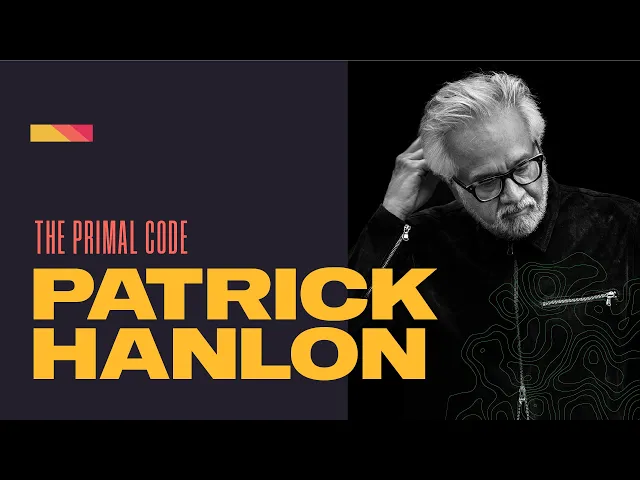
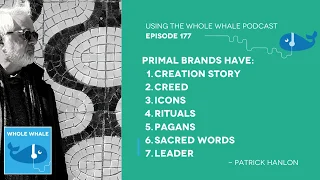
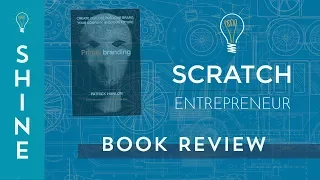
we are tribal people that life has changed and a tribal Community might be quite different now from what it was a few thousand years Ago so the association between the words and what they're Associated to I've kind of struggled with a little bit until I read this book let's grab it here and this book is Primal branding by Patrick Hanlon and in this book Patrick talks about something called a primal code and this Primal code has seven pieces of individual code and I'm going to list you them now you Have the creation story The Creed
icons rituals pagans the sacred words and the leader and if people or places or organizations use and optimize and discover these seven pieces of code and deliver them then this will create a belief system that connects with people and ultimately help you build a community or we could call it a tribe so I had the pleasure to have a Conversation with Patrick recently and Patrick is really inspiring he's a very very knowledgeable person he comes from an agency background so he's worked at organizations like Olga V and he now is a bit like me he's
you can't really pin him down with a job title of description he's creative he's a writer he's a producer he's an art director he's involved in many different projects at many different levels But his writing is absolutely fantastic and I really really connected with this book and if I'm honest it has to be right up there in one of the best brand books I've ever read and I I it's more than brand it's more about psychology it's more about Behavior and our association with the brands that we love and why we love them in the
book he doesn't just talk about products though he talks about places and people and other associations that we have and That connectedness that we have in the things in our life so this conversation is a bit different from the other conversations I had we it was done over zoom and literally as soon as the zoom um opened up we just started chatting and there was no beginning to the to the conversation and even after I said goodbye at the end of the conversation or thank you we continue to have a conversation so I've kind of
edited Edited it together and stitched it together so hopefully you'll kind of get the full the full conversation that we had when we spoke so yeah this is Patrick Hanlon um the author of Primal branding enjoy yeah yeah I um it took me I don't know 50 years or something to realize that I um I was always a writer I've been a writer since I was I was paid when I was 15 years old for Some poems and paid by a magazine and you know it's the last time I ever got paid for poems but
the who gets paid for poems no one but the um but then it set me off on a writing jaunt and but I always loved design and I always came up when when I went into advertising I was would always do the heinous absolutely thing which would be to lay out the uh I mean this is just the way I think I would put down a square and then Scribble in a headline up there and that's the that's the way I thought of that's how I came up with headlines right so I'd hand them to
my art director partner who would not appreciated at all and luckily I had great art directors um for most almost all of my career so not in the beginning but afterwards and later on and so you know brilliant art directors and I even did it with them and the um but that was just the way my Brain worked and so I've always been interested in design and I've always been interested in illustrations and I started using illustrations uh back in when we started in uh we started in 2002 and by 2005 I think we put
out our first at the time when the company was called thinktobia the first thingtopia poster and um which people used to steal off of walls off of off they first of all people I would send it to them they Would frame it because they wanted to hang on to it and then people would steal it off their walls and uh literally so um so yeah very similar um Pursuits I guess I I knew that you were going to be artistic um just from the front cover of your from Primal branding because that that's it's quite
a ballsy yes oh we have to Discuss that you sent me a bit the baby shot right yeah yeah brilliant why did you come up with that well that that was me just turning round and she had the book so I do all my Reading seriously yeah I do all my reading in the morning that's even better and she's normally just rolling she's 10 months old she's normally rolling around and stuff like that and I have my coffee my book and I tried to keep an eye on my three children who are normally causing Havoc
and I'm doing it really badly and um and that it was actually Natalie that turned to the left and she just had the book in her mouth uh-huh you decide to take a photograph of it and I and I was like wow that's wicked and then uploaded it I thought well I should tag you in it's your book and then yeah you liked it and shared it and I was yeah I was dead stoked and you did that well with your permission I would like to use it again as a visual for a headline yeah
of Course for an article that I'm gonna put out yeah yeah and it's um the headline when a bastard dies it probably get it wrong but um oh when's the best time to start thinking about your brand basically yeah right very early would you know Joe what Patrick I think you're an Exquisite writer to be honest because um not only obviously this book and then the article that you recently shared with me I think writing is one of those Things I think it's a bit like playing bass guitar it's it's easy to pick up but
it's hard to master and I and and when you mentioned you know that you work at Ogilvy I think there's definitely um an a really great traditional art form of this this Transcendent though it's kind of like a um the bounce between great copy and great words and great art Direction and I feel like in today's marketing brand World a little bit of that magic has Been lost you know you are the one or the other a lot of the designers that I work with they're very very visual they don't really care about the words
and vice versa and um it was only until actually I watched Mad Men and I don't know if it's a true representation of of of older you know agencies but there it was the energy and the focus and the importance of the relationship between words and pictures and then that's why I mentioned the front cover of your book Because it is ballsy um and I love the fact that it's hand drawn and you don't see that very often the format of the front cover of a book these days it's quite formulaic you know big title
big name and if you're lucky you get a graphic well I like yours is it's all great it's all hand drawn it's all graphic but then it has the obviously the name of the book the title so yeah props to the front cover of them yeah we got in uh ca for the poster and The poster is there here's the postcard now which is you know all these comments were scraped off of social media and so I just had gathered together you know as they came in some things that people had written or said or
whatever and um and so then when we decided to when Simon Schuster agreed to redo the book cover which was this is the old book cover which was the scary book cover and um a friend told me that uh This book so this cover sold despite itself you know oh my book sold the book sold despite the cover and um sorry not enough coffee yet the um and so when Simon and Schuster agreed to let me Rebrand my branding book as they said um I was excited about that so we've used the scraped comments and
all that to um to throw on there yeah Martha Rich uh who's a great terrific illustrator in Philadelphia over here in the states uh Illustrated it and she did hand draw it and uh maybe you've seen that those videos but the uh or stuff we put on social of her drawing it in the initial layout and all that kind of stuff but did you did you see a big difference in in the sales of the book by because that's that cover that original coverage is radically different from this one isn't it yes yeah I think
there is a big difference in the sales uh it may be due to the book cover but I Think that there's also a um a renewed or revived or re-purposed um sense uh for what brand that how important branding is as much as some people try to lean away from it and um and you know in my head our Market was I mean the book was a bit ahead of its time and the uh real uh ability to Brand yourself um or create brand Community as it really happened after the iPhone right and the interconnectivity
between When you could connect with Google and Facebook and Instagram and all these things so I'm cut more or less simultaneously on your iPhone that's when the real connectivity happened and the real ability to create social communities also happen which is apparently something I predicted in one form anyway and so the uh looking at Brands as belief systems just has been a trying to get rid of the clutch works of this pancaking of different Um philosophies if you will about what a brand is and so forth and try to scrape all those clean and start
over again with a Reliance not on Advertising because that's a bygone thing right when the that is to say that the the era the madman era that you spoke of earlier when clients really did work in partnership with the advertising agency to come up with this big idea which then went over the pipes which the new version Originally of course was newspaper then went to radio and then transitioned to television in the 50s 60s but the ability uh to send out a message on one station right the BBC in England right is that accurate or
three ABC CBS NBC in the United States um once that dissipated that the Advent of cable in the 80s and then social media today splintered networks um the advertising itself went from being The big idea and clients actually working in partnership with the advertising agencies the advertising agencies having the stakeholder responsibility of helping to shape that brand and brand voice and all that once that uh dissipated with all the splintered platforms that are out there today um it became just one of many and so what we try to do now is to figure out what
the the Strategic brand narrative Is well at the core how do you Brands we look at Brands as belief as belief systems what goes into a belief system uh creation story create icons sacred words rituals um non-believers and a leader and once you pack those seven things or unpack those seven things about your brand you have seven points of differentiation that are uniquely your own and then you communicate those across social digital and traditional media including Advertising although advertising is a kind of a false start these days um nobody watches it we flee from it
we were always fleeing from it uh and when I was in advertising we were trying to stop people from going to the bathroom or to the kitchen right and so you had to be break break through and and steer them back to the TV well today that's not happening at all so the um today you're trying to advertise people while they're while they are in The bathroom that's the key uh pretty much yeah and so the um the interest here is then to spread your messaging across all the different um social digital and traditional channels
traditional being you know out of home TV advertising obviously but out of home uh PR outdoor I guess that's the same as other phone but you know Transit and all that kind of stuff and so the um So that's what we do is uh and that's what we want to do because if you notice all the powerful most powerful Brands uh they're in your face all the time right and even though you welcome them in so if you I mean the example I always give is Apple you know if you're an apple person every day
you hear about uh the new phone versus the old Ferrone versus you know a Galaxy Samsung phone or whatever Google or whatever it is and you hear about the stock price and you Hear about um uh what Tim Cook is doing today you hear about ITV you hear about you still hear about Johnny Ives and what he's doing right and so but because the you're getting all this different all these different inputs stock price design product design etc etc personality branding and all that um You and you're an apple person anyway so you welcome it
in and so you get in all this diverse information every day uh and but because we're members of that Community um whether it's apple or Red Bull or Nike or Disney whoever it is right and so um our challenge I guess is to try to make those feeds as interesting as possible so over here we follow two metrics uh One of them is that people need to see you in five different places over here in the US anyway five um it varies by country uh need to see you in five places before they are even
aware that you exist so before they can even say yeah I think I've heard of those guys and so that's very important when you're launching new products or Services it's very important when you're re-gening your brand to appeal to a new Marketplace a new Demographic or psychographic and it's five in the US it's 17 in Singapore so you can imagine uh and then the other metric is uh it takes a hundred hours to make a friend and so what this means is that that's a lot of tweets right and and if you want to be
have a shape and experience or shape a relationship it um that'll take a hundred hours rather than a transaction that will take a hundred hours and Um and that's a lot of tweets that's a lot of you know you understand how important things like YouTube and Tick Tock become then but the important most important thing is you can't just it's not enough just to be on Tick Tock or Twitter or Facebook or Instagram or having influencers Etc you need to be in at least five different places and so that gives that helps brand teams kind
of figure out the dimension so either what Is that three two three two D 3D 4D whatever that is some so it's going to take some time and it's going to take some a certain amount of content and it's going to take a certain amount of time in order to make things happen yeah so it doesn't happen uh you can't just go viral it's even that's not enough if Kanye is telling you you know this is what to buy or or Beyonce or uh some of the other super influencers the probably Elon Musk then you
uh it probably cuts Through all of it but yeah maybe maybe depends if it depends if you're into those those people I want to just jump on um into something that you said at the very beginning there you mentioned that you that the book might have been too early and I agree with that and you know what I really wish I'd picked this book up 10 15 years ago there's another book yeah in within brand and I'm guessing that you've heard of Martin newmeyer he wrote the book The Brand Gap And I feel like that
book in my circles and the the in the circles that I see online seems to be making a Renaissance because actually some of the theories the processes the thoughts and discussions that happen in that book um are actually more relevant now than maybe when they were released and actually I think a lot about the Primal code the Primal code and what you've written in this book I think I mentioned earlier I feel like that is now more Relevant than ever and I I'll explain why in in today today's Marketplace or in terms of marketers and
brand experts you hear a lot about growing a tribe A Tribe your community um but I've always found a bit of a disconnect with this because a lot of it is business talk and I and I find a disconnect between something you know the the words the the the leaders you know everything That's within a primal code within brand building I don't find it in these books until I found your book and actually the words that you use and the Primal code is so closely connected with community building and the actual real life attributes experiences
and emotions that you have with building the tribe so I'd like to kind of go up start really here where did this come from where did you start learning about the these aspects and how did it come about Yeah so it came about because I wasn't advertising and I was faced with a client problem I said this another a lot of other places but I think that the at that time which was uh 2000 the late 1990s 2000s uh came up with the idea in 2001 uh June July 2001 because I was working on a
client problem and uh at that time I mean people were talking about the Nike tribes the Apple cult and all that and but no one knew how to do that for their own brand or company uh Product or service um even though they knew that everyone that's what everyone wanted right and we would always there was always be this meeting where um you would present a campaign and uh someone it would be the you know that last meeting before you know the trigger was pulled or the papers were signed the uh the campaign was approved
uh with someone to pipe in with uh well Google it doesn't advertise and they seem to be Doing you know they're taking the World by fire and uh Starbucks doesn't advertise so why should we be spending you know 10 20 30 million dollars on on this on this advertising you know why don't we just do what they do and so there'd be a huge you know not only an elephant in the room but a huge prize and someone would come up with some something you know um computers Tech no one knows what they're Doing anyway
you know and it's an anomaly and for Google and for Starbucks you know it's all about the experience or something you know not about coffee and so the um although it was about coffee also obviously but so no one really knew what to do um and I had some time to figure it out and I did and um the client I was working on was Lego I was one of a couple Global creative directors but because I had the opportunity of being Able to go not only to Bill and Denmark which is where headquarters for
Lego is but also to the headquarters in London and also to Carlsbad um Legoland out in California and all these different places I probably in hindsight really had a better perspective on Lego than Lego than most the people inside LEGO did and I just realized they're felt I should say I didn't realize I felt in my gut that there was something slightly off and Um and at the same time uh someone from McKenzie a consultant at Mckenzie was going through the spreadsheets and coming to the same conclusion uh to the point where he told the
owners the family that they would be if they kept on with the way where they were going they'd be out of business in two years and so that you know sparked for some interest from them and and I just created this Um this construct which by the way I feel has been around for thousands of years and I just happened to come upon it um I I had a video in the beginning that showed you know where some people just show the sky and where some people only see a mass of stars some people you
know pick out the Big Dipper or Orion or whatever is right and so I was just able to come up with this construct basically while I was working in my garden in Connecticut which is uh in the outskirts of New York City used to used to train in commute in every day uh to Manhattan and so the um I just was looking for what are the con why do we really care about some companies and their products and services like Nike Apple Starbucks Google Etc and Coca-Cola at the time and not about others and so
I just started Thinking about well what do they all have you know they all have a logo obviously um they didn't all have a website back then although they might have that might be exaggerating there but they uh they all had a logo they all had a story about how they got started you know Coke started in a gross in a grocery store a pharmacy down in Georgia uh Google started in a dorm room um Facebook wasn't really around then But quite they were still up in Boston uh at Harvard but the sort of a
dating site but they also had a creation story uh and so forth and they all had a Creed just do it think different Etc one of my buddies came up with Craig tanamoto came up with think different so I knew about the back story of that and the um so they all had a creation story they all had a Creed they all had icons um by the way they also had rituals you know the way you open up and drink a Coca-Cola uh to ordering at Starbucks as the ritual you know at that time Starbucks
had famously flipped the ritual of having coffee in the morning you know um at home and and then doing it at a Starbucks and paying three times as much for it um which people thought was insane but it was a deal and then um a big deal and then uh they all had special words I scrawned a skinny decaf Latte at Starbucks yeah iPhone well iPhone wasn't wrong yet sorry iMac I Todd this that the other and um and then they all had non-bel levers so I grew up in the well we had we called
the burger Wars here in the states the burger Wars became the coal Awards became you know another kind of War Airline Wars and stuff like that fair Wars and so uh uh Pepsi versus Coca-Cola and all these things Republicans versus Democrats and There's so there's seem to have have to be the necessary necessitated having a brand necessitated having something to stand against and bang your head against actually the non-believer part of Primal code has become one of the most resonant which we can go into later but the and then the leader and you just put
these seven pieces together and you can once you're able to tell someone here's this is called where this idea came from How it came about here's what we believe in uh here's what it's all about here's the uh how you know it's us here's how you use it here's the way we're talking about it uh here's what we're not and never want to become um which is important especially in large corporations where you have a multitude of products you don't want uh the art in the brand architecture you don't want one brand to be stepping
into someone else's space right and then Here's the team that's leading it and if you're able to articulate that um both in sort of a matchbook cover version of a couple words uh and then in the elevator version uh you are able to then uh command what we call a strategic brand narrative and um which makes you totally unique onto yourself so this gives you the freedom or the ability or The opportunity to not imitate your competitors or what not imitate what someone else has done successfully in another category and follow the herd like that
means to tick tock Twitter YouTube uh Super Bowl commercials or NASCAR promotions Etc et cetera and so and do something that's unique and entirely your own and so yeah and all of that was laying out There and so advertising uh was not the most important thing I realized and maybe we were doing it wrong I realized and I think that's the case and so all of these um in branding as we all know you ask a hundred people you know what is a brand you can get a hundred different answers right and I think that
this and everyone comes up with you know something uh what's your what is it the power Thing uh what is your secret power Sue what is your superpower you know and all of these other things that they stack up you know trying to figure out strategically you know what you're all about giving their own spin to it and so it's all a pile of um it's just a pancake you know different things so we have this what I call the clutch Works um of how to create a brand and most of it's wrong most of
it's very superficial It's ironic isn't it that the word brand has an identity crisis because it really does I love that yeah it does you know people just think it's a logo and uh you know it's a long it's a logo on the website right when we talk to people about oh they've already done their branding what did you do oh we just redid our logo on the website yeah well yeah congratulations here one thing about coming the way there one thing about the the Primal code that's Interesting and and you said this is probably
the most important um piece of code which is the pagans and it's interesting that you talk about the pagans and the non-believers um over the Believers because many people talk about brand they talk about the community the tribe or you know the the followers the fans those type of people but you focused on the non-believers as the most important and I really like that no no no no no no no I need to clarify that uh there is no one thing that's the most important you need to have all it's the the one thing is
to have all seven things okay and the so if you have all seven things you ping both the rational and the emotional parts of our brains that create this holistic sense of totality if you will completeness that oh yeah these guys make sense and if you make more sense than the people before You or the people after you you win right they prefer you more and so in preference create sales and so in the marketing world that's the Holy Grail right and so um what I intended to say and I probably didn't articulate it right
is that the non-believers has been a very resonant thing because if people are stuck um whether they're a new a startup who has pivoted so many times they don't They've lost their way or if you are an older brand who are stuck in their ways maybe you can figure out where they need to be by saying well what about this over here I know we would never do that well what about over here not uh no we don't like those guys we don't want to we're not now we don't like them but we don't want
to be like them okay fine and so but eventually you've backed people up into some place where um you can get a fresh start and the other thing is That if you can identify a group of people who don't want to eat meat you are don't want sugar or don't want gas guzzling SUVs or or something else you can open up a whole you know virgin Terror a white space you've just discovered a white space in the marketing Arena and you can start creating products that go after those huge markets that are unattended what's the
opposite of a pagan is it a worshiper Um yeah a Believer yeah and by the way uh in the book uh we use the word pagans and uh I was um cited for being tone deaf or something and so from someone in Australia of all places and um so I so we've switched it to non-believers but you know either way the um there are always in marketing we always assume that everyone is going to like us because our product is so incredible right and the only reason That people more people aren't using us is because
we're not aware of it and that's uh sort of a residual notion from push the advertising button you know increase the advertising spend that will increase uh they'll make help go out to more people which will increase awareness and more people will come well that works up to a certain point but what we're not recognizing is that for all of the people that go to Starbucks you know P another large set of people Also go to Dunkin Donuts over here in the states or some other coffee right you know or they might you know in
this today's world they might uh how drink Red Bull or water or orange juice you know and so the um we in marketing we tend to disregard those people or that fact and spend a lot of time time and wasting putting a lot of wet effort and wasting money and resources going after those people who are not a part of the market and I and With Performance Marketing we've kind of steered a bit away from that but I think the overall um attention um could be more finely directed in general I I like the idea
of of you know the Deep work that goes into finding your pagans or at least identifying the pagans because it allows because like you talk about Market positioning it allows you to realize who we're not and Then that's the moment that the process of reduction the process of elimination to get rid of those other areas to then Define your Market find the niche find the you know your little pocket of where you belong and uh you know and again like again we can use the Primal code the tribe you know yeah we so we look
for believers and you know ask what's the opposite of the non-believer it's the opposite obviously is the Believers those people feel once they believe they Feel they belong and they not only buy you they buy into you but the um so we look at zealots brand zealots and we try to find out um most companies especially in packaged goods and other areas they know who they're um Advocates are and they know who their repeat purchasers are right and this the heavy buyers and they have metrics on those people so we find out we talk to
those people uh in qualitative and find Out what makes us sticky with them because we don't want to lose that you know arbitrarily by accident lose what makes us sticky and the things that they love about us and then we've talked to the potential Advocates potential zealots and find out what's holding them back so in the real world if someone buys us so has bought us seven times they're probably an advocate a zealot if they are have only bought us two or three times then why haven't they what's Going to help us uh what's what
what's going to help them get to Seven right and become a heavy Zone and um so we take figure out what those friction points are and sometimes they might be something we can't do anything about it might be distribution or it might be the price um we can do things about either of those but um it could be something we do just can't do anything about and then Um yeah we remove those friction points and immediately you know when you do that because they are the low-hanging fruit anyway you get a rise in sales usually
double digits and knock on wood and um so that's like the task number one I like it okay Patrick in the book you've got a a great quote and I've written it down because I think it's amazing by it by someone That's in a book called Peter matrovers I'm a Vida and the quote is instead of Simply satisfying a consumer need we want to Green Earth and excite the human Spirit now I can I can really buy into this and I and I love that quote and I suppose the question from this would be is
this is a primal code that I wish every business would adopt um how do we get more businesses to connect and deploy a primal code that's more Earth friendly Yeah um well some people may have to fall by the wayside unfortunately it's very uh difficult for established conventional corporations to move the boat the ship of state to I mean they already have processes in place they have vendors in place they have people in Place they have um Supply chains in place to make what they already make and so to flip that to create something that's
faster more green more sustainable um cleaner whatever is nearly impossible and so what a lot of companies try to do is they buy those companies smaller companies And but however by bringing them in this differs Case by case right but when they once they bring them into their system and there's their supply chain and there's they sort of pollute what they bought in many cases and so um as a result of that the in the end game those larger corporations with with the supply chains and so forth in the scale will probably start falling away
over time because they just won't be Able to make the switch it's interesting I had a conversation a few weeks ago and it came that this was pretty much the same question and it was you know how could businesses be more sustainable and the word that comes up there because of these huge massive businesses inertia in like the oil tanker it takes a long long time to move yeah and I know sure is what I was just describing yeah yeah the counter argument to that was the speed That people moved within the pandemic to innovate
their products to look at you know how they deliver their projects and their processes everything and if we can do that for a pandemic then isn't there a case to say that businesses can look at their supply chains they look and look at the way the circular design and they think in a way that they're producing their products and speed things up you know but is there but yes and hopefully that would be Um the case however I think that you're looking at two different sets of people the first set the people who are trying
to be intentionally being a sustainable green etc etc um are entrepreneurs and inside the larger corporations they're managers and it's two different mindsets probably two different I don't know if it's two different skill sets it's definitely two Different mindsets and because entrepreneurial you're you are much more committed intentional um proactive possibly depending on on who you are and where you are probably more where you are what the culture is inside of the organization right uh tends to be more proactive where if you're aware as if you're managing uh you are not really paid to be
proactive and uh entrepreneurial you're paid to keep Things going yeah and uh so so I mean you have the Unilever over there which is a classic case I think of a company that's been a large company set in its ways if you will and who's been trying to buy up smaller companies and leaning on what Oil of Olay for the last 20 years 30 years as it's uh nod to to a lot of things but is it the big companies buying out the smaller Companies is that in the ways to learn and not have gain
have knowledge transfer these young small organizations so they can adopt it within their organization or they're using these smaller organizations to offset the bad things that they're doing within the large organization what's the meaning behind buying smaller more sustainable I think it's going to vary Case by case right but hopefully it's both you know hopefully they try to learn something From the smaller organization but in general I would say that the um I mean look at the typical deal the owners Founders get bought out they stay you know two three whatever years to help uh
make a transition and then um they get the distribution and fall into the systems and the patterns of the larger basically become usurp by the larger gobbled up by the larger Corporation and their ways and means Right yeah and so I mean the Haagen-Dazs that existed in the 90s no longer exists today for example because the Ben and Ben and Jerry's is going through the same thing it sounds like so is there any entrepreneurs or businesses out there that you that you're aware of or you're working with that are inspiring you the companies that you
think are leading the way and it doesn't Have to be from an environmental point of view I'm just thinking from a creativity and Innovation point of view yeah so one of our um great clients is called Sunrise banks they're a local Bank in Minneapolis St Paul they were just um put on the list of brands that matter this week in Fast Company uh the reason that they are a brand that matters is that they have been since the 1970s What happened over here in the states is that the government um governments local governments gotten Banks
got together in kind of red line districts that they did not want to invest in usually those typically those red line districts were so-called minority areas and so as a result those areas fell behind uh the typical growth pace of the rest of the community and we're disinvested in um disenfranchised etc etc so they Didn't have the same growth and which has been substantial over the last you know 50 years and so uh Sunrise banks has been intentionally actually going into those redlined districts and green lining them and giving them uh the funds and the
lending and so forth that was necessary for them to keep going so as David Riley and the CEO once explained to me he said you know everyone wants the 500 million dollar deal or the 50 million dollar Deal right no one wants the fifty thousand dollar deal but it's the 50 000 deal that keeps the local you know YMCA going you know which employs 30 people and um you know helps you know Uncle Charlie have a job and uh and you know maybe your parents or something right and so it's those kinds of deals the
micro deals that kind of keep the neighborhood alive and going and preventing disaster And so I would say that that's so in the financial World they are also the other thing is um payday lending which I don't know if you have an equivalent over there but the payday Landing is when you don't have enough money to make men's ends meet and so you go to a person and get some cash but they um but the the rates I mean you could ask for a hundred dollars and have to pay back two Hundred dollars just to
make things simple and so that doesn't work right and so they've been uh helping those things go away um through fintech and also um credit scores so helping them establish good credit they've been working on so over the last five to ten years and so um authentic starters so fintechs come along what in the last five years or so Since PayPal so um so they've been doing that so that's one thing in the financial sector uh in another sector Aurora solar is um a SAS company out in Silicon Valley they when we started with working
with them they were they just gotten 25 million dollars in funding and what they do is they to I mean it's a standard Silicon Valley success story uh it should be in a book uh two guys at Stanford they met at a party they both Wanted to do something good they went to Nairobi and installed uh solar on a school in Nairobi and if you can imagine installing solar on a hot uh Kenyan African under the African Sun um they said this there's got to be a better way so they went back to Stanford and
they figured out a better way so now what you do is you go on a Google satellite you give them your address they go on Google satellite they know exactly where your house is they Can see the roof of your house they can measure it through you know um Tech and they can measure not only measure the roof they can measure the declination of the sun 365 days a year they can design you know how the tiles solar tiles go on the roof uh all in about 20 minutes and so this is a SAS system
for um Builders and installers so it's no more what they call Chuck on a truck where the guy comes out with the ladder And climbs at the top of the roof and you know flings the tape measure across the top of the roof etc etc so they now have um let's see at the start of 25 million investing when uh in 2020 so we worked with them two years ago um at the start of the pandemic and on now in January I think they got another 350 350 million dollars so they're on their way to
becoming a Silicon Valley Unicorn they will work with Elon musk's and uh cousins and this Milan Solar Company and stuff like that so yeah but so those are two P two just two that are doing good and uh off the top of my head and um but we also get the nitty-gritty of uh B2B and um people who put machines together and so forth so it's really interesting about the organizations you met you mentioned it because well first things First they're doing great things for people and for the planet and actually so that that's one
area of the Venn diagram that I think is a core element especially in today's world but that they've also got really great products and services really really good that means something that that matter that actually people need and people want and I think if you if if you think of a Venn diagram if you if you have a great product if you can do something that the World needs but then if you add then Primal the Primal branding or the Primal code on top of that that's when you can then do incredible things so it's
kind of like the pre the pre-stage before the Primal code is you I suppose you've got to have a great product you know the Primal code doesn't work unless you've got a you're offering something that people need and people want would you agree on that um I think that it helps Um great products there's great Services succeed faster it also helps I mean each point of piece each piece of code is a piece of is a point of differentiation so other people may have a similar creation story to yours or a similar Creed or but
you can't be a cliche you know I mean you can't say you know what's the usual Roundup of values you know diversity and uh empowerment and you know it's the typical list right uh and This helps get away from that a bit and it gets into your own skin and so it's just like when you're being a person you know you're a little bit like everyone else but you're different you have your own individuality and by the way you know I have to mention that you know when we're born uh we're Anointed with a name
and then we are told that we're a brother or sister cousin grandchild uh whatever Um brother sister did I say that and the um and then we are told where we live you know and here's your bed here's your room we live in this house on this block this neighborhood this city this country this planet and then we go to school and we're told what we're good at and what we're not good at what we're bad at and we wrapped all these stories around us and then and we do the same things products is um
We wrap stories around them we tell how they were born we tell we're told you know how they behave etc etc and the um and that's the same thing we do with products and services and so when you look at it like that the it gives you a different perspective I think I always ask people you know think of your brand as a place you know I mean we have Nike Town obviously but if you know if Apple Was a neighborhood what it would have looked like you know it would be I think um very
white probably everyone has earbuds earpods in their ears they're listening to music it's well lit let's put it that way up maybe a little bit green and uh park-like setting probably looks a lot like the Apple campus but the um and the same thing with Nike you know everyone would be fit and they'd be in like dressed up in Lycra and uh earbuds in their ears and um probably Listening to the same songs but they'd be all be fit Etc et cetera so you can if you think about your brand that way um it gives
you a different sensibility sometimes of what we're all about I like that I like that I'm going to do that for for seed I'm going to think what if seed was a town what it would look like yeah I'd like to think we'd have a good night out Patrick in in Sea Town have a few beers hopefully I've got some Quick fire questions for you they're not quick they often give the longest answers but I've got a few but I'm going to give you a couple because I mind I'm respect I hate this part yeah
well let's see how you get along okay I'm gonna I'm gonna ask this question because I always ask it and it's kind of like almost part of the show now so I'm gonna I'm gonna just gonna go for it but what's the most important thing that you've learned in The past 12 months well probably what I just described to you I mean just that relationship between um being anointed given a name when you're born and told you know who you are and what you're good at and not so good at uh because I think that
a lot of our problems as human beings is um could be attributed to those stories and unwrapping divesting ourselves of some of those stories especially what We're bad at is that kind of focused towards the schooling system um or parenting or parenting parenting schooling yeah I think so yes and um so I think that uh yeah that's so that's the within the last you know 12 to 18 months that's the one of the key Revelations so okay um your best mentor oh that's hard I've had a lot of great Mentors but um I would say
Carl Jung probably a living I guess the living Mentor would be uh uh Dean ordegard who is my teacher my English teacher in when I was a junior in high school okay and and your toughest decision because he told me that I was a good writer and no one uh had told me I was good at anything before that and so the um that And he also told me uh taught me how to play um um a c chord okay well it says on that occasion it well it worked to Advantage being told what you
were good at then yeah I think so yeah in my case it did okay and and your your toughest decision foreign starting my own company but it's and it's the um it was the best decision And the um and it's the it's the right decision and I've been thinking about this a lot lately and the you know here in the states I'm not exactly I think it's somewhat the same in England because we're sort of cousins but the um the United States is I'll just go on the limb and say it's probably the only country
in the world where you're Where you are encouraged to go out on your own and start your own thing and the you know land of riches and um Yankee Ingenuity and all that kind of stuff tells us to you that you are better off here by going off on your own yet the Paradox is is that we're all taught to we're trained to get jobs start careers build a family Etc and so there's those two diametrically opposed things right there um but a lot of immigrants Um from Elon Musk to to whoever Jeff Bezos or
Steve Jobs son's uh children of immigrants um come and it's a land of riches right and they take advantage of it and you see that so many times when uh when uh people come over to the states and you lose that I mean I don't know how long it takes a couple Generations maybe before you're all you want to do is look for a job But I think it's the um it's the imperative here to uh no one owes you a job you'll owe it to yourself to figure out how to do it on your
own we we don't celebrate entrepreneurship in this country enough we and we don't we will we don't especially don't educate uh you know young people about it and why and how they can do it and guide them it's like I think a lot of people land in Running their own business and then they kind of just have to navigate their way through it um I think we should we we need new business people we need new businesses and um I don't think we we encourage it enough um Patrick I'm going to let you choose the
last subject for the for the end of this conversation because we're running out of time okay these are three subjects that you can choose from we've Got climate we've got UK politics oh we've got purpose you can choose one of those one of those subject areas okay climate Okay climate Okay cool so we we touched on this actually a little bit earlier and and I I I actually believe from conversations that I'm having with people that I believe that the climate change now is more of a psychological problem than an environmental problem and I'll explain
That and the reason being that we've got the science we're working on the technology we do know how to navigate out of this but the biggest challenge we've got is behavior and changing the way that people think about their lives about the way that they they behave they travel they eat the way they clothe themselves that's the biggest challenge we have here now is there a way that we can use say the Primal code to try and create better communities to create Better education to help instigate and motivate positive change yeah I think we made
a mistake back in the 60s you know back when we created Earth Day um and we were talking about because the narrative there was let's save the animals you know someday the ice caps are going to melt and the poor polar bears and hidden behind that was the fact that we were Well we should be saving ourselves so I think 50 years ago I think it was 50 years the first Earth Day right um if we had Flex of that narrative to say we need to save ourselves um we'd be in a bunch different position
than we are today I think because we are tied everything is tied to petrochemicals and from making Plastics You know making iPhones to um uh to Automobiles and so forth obviously transportation and so the um I think that that narrative needs to change yeah we helped uh we worked with the UN so several years ago when we they wanted to change the phrasing from uh global warming to climate change So they were going to Davos and I didn't work on it personally in my partner at the time did um worked out the argument for making
that change with which I thought at the time was that I didn't work on uh was a little bit political in a little bit just word Smithy and walking away from the real problem but the um trying to soften the problem and yeah so I would uh change the narrative it's all about Um deconstructing The Narrative so that you have um developed a counter narrative that is more impactful I would 100 agree with that and and especially here in the UK the word climate change for me doesn't work we live in a country that is
often very cold wet has very small Summers and yeah whinge about the the weather and telling people in the UK that it's going to get a little bit warmer isn't seen as a negative thing Is a positive yes yeah I know I was there in June on a shoot uh at uh the James Bond Studio what's it called yeah Pinewood thank you and um cubby broccoli was there and everything so it was a while ago but the uh yeah it rained the entire month of June when the when the sun would peek out from the
clouds you know for that 15 minutes everyone would crowd out run out to the lawn to look And I think it's it's knowledge poverty that's what we have in this country and I'm guessing in the US it's similar knowledge poverty it goes back to education we're not educating people why this is such it's the biggest challenge of our lifetime is the war of our lifetime and it's it's not taken seriously because it's not delivered the media don't deliver it seriously there's no Community good Communications around it and I and I feel that we do need
to Rewrite the narrative and and climate change as a global phrase or saying it may be something that we all understand that we know what that what it is attached to but actually what it means in terms of our daily lives in terms of economics in terms of food in terms of health no one really knows or understands it and it because it's not delivered to them in a in a clear way so there's a lot of deep work that needs to be done there Yeah the language is not simple enough for people to understand
I mean uh it's it's relegated to scientific terminology if you will will that is and someone over in Britain did a great study about that I thought that about the words and how the words oh George Orwell did it and in one of his books propaganda I think and um he talks about uh how we use college educated if you will highfalutin words when no one understands what those Words are so we're speaking above um people's heads talking over them and not getting not saying the simple fact like uh the world is dying or something
you know and so the um sort of escapes people yeah I I thought it comes and then you have people gluing themselves to what was it a Vermeer last week or this week to that one another one today oh really yeah right yeah what is that For I don't get it so um yeah anyway what so tell me where were you born I was born in a in a town it's not a town it's it's a small city called Blackburn north of Manchester I lived there until I was four and then I was actually brought
up in the county of Surrey which is directly below London and I lived there till I was 20 no until I was 19 and then I moved here to Leicester and then where did you go to College here in Leicester I I came to UNI here and I stayed here uh did you go to a regular college or did you go to an art school or it was um it was um it was it was a university when I went there but I don't think it'd been a university that long it was called It's called
The Montfort University and um I studied multimedia design management oh cool and then um how many kids do you have three Ages uh 10 months three and five oh great and then uh oh good good and then um so when did you start seed so Sage was died in 2010 it was at the end your company it is my company yeah okay in 2010 yeah uh cool so you started from a three businesses that got merged together one of them was like the zine that we talked about earlier yeah it was like an Arts publication
it looked like a Zine uh a design company which was Just doing basic graphic design and websites and the media company that was doing video and uh we merged them together and created seed which then became a I suppose at the time you would call it a multimedia agency but it's kind of changed and developed over 11 years um we did we've worked a lot in education media yeah true we have to change don't you you have to change a lot Um and now actually I I kind of when people say what is seed now
I I'd like I kind of say we were a Communications partner because when you think of design or a design agency you often think of just Marketing in those areas but actually the majority of work that we're doing now is it within strategy at leadership level but also internal Communications actually doing a lot of the work that you've done um or do within within organizations to Figure out who are we you know what do we what do we stand for yeah Inside Out organization exactly yeah and finding that the core truth the Deep truth which
is the most important work and as a creative and a designer I find them more that I do this work the the more removed I am from the from the creative which obviously I love and it comes does come it is a part of the process but the the deeper work the most important work is that exploration that Discovery in who Are we and and who do we who do we want to be become yeah and execution is crucial because execution can screw up in you can have a great strategy and and I would suffer
from Bad execution and vice versa I suppose right the um yes organizations have to start from the inside out and you have to know you know what you believe in and what you don't believe in In order to move them forward I think so it all kind of starts there yeah great yeah yeah so we one thing that we do is we ask people um to write a headline your journalist and uh it's the year 2030 and you're writing a headline about seed or some other client or a client and uh what's the headline and
then you know two sentences that Back up support that headline so those the answer to those um or outcomes of that uh output for that is generally you know something like world peace goes from the world peace or the Nobel Prize to uh to whatever um tactical thing they're working on that week but so it varies but but out of that you get a sense of if you have all the key stakeholders in the room you get a sense of where they are going or Where they want to go yeah I have this very similar
task which is you have to you're the year is 2035 you're at your industry Awards and the most respected voice in your industry comes on stage and you've won the lifetime impact award what do they say what are they saying yeah yeah same thing yeah yeah I find that's a really good and the great thing about these type of tasks and these type of exercises is most of these leadership Teams they've never done anything like this before to them it may seem a bit fluffy but when they actually start getting involved in it and they're
writing it and they're sharing it you see their eyes light up you see the light bulb moments and we talk about Unity we talk about people coming together and working together that those are the moments where I think people do come together when they get creative when they're storytelling when they're Having fun maybe when they see different sides to each other and they're not just crunching numbers or you know hiring and firing people those moments are really important and it's the Nuance it's the magic that happens within those moments the alchemy that I love the
most and you know I'm just a facilitator of questions most of my strategy work just comes from extracting the words that come out their mouths their ideas their thoughts you know the fun the funness of those Exercises and then turning it into a game plan that they can actually go out and execute and then eventually you know we get to the visual we get to the art the creative which is my kind of is where I belong but that art and creative is so much more meaningful it's so much more impactful when that that exploratory
work is being done in those in those rooms yeah absolutely yeah I mean we find that most in most organizations those people Have not gotten together in the same room for anything right and uh we get HR and finance and the Chief Operating Officer CEO CMO CBO all of them CTO all together in the same room and they're never in the same room together they used to be together for the holiday party but they don't have holiday parties anymore right or the company picnic in the summer but the um so when they're all working together
Talking through the you know how do we get started what do we believe in you know what don't we believe in those are big questions and um once you get kind of uh it might not be a consensus but some articulation of what where they're all about um everyone and who's present in those sessions uh walks out of the room somehow transformed and but also bonded more Importantly bonded together yeah and then some people quit yeah yeah you do yeah because they're not they don't want to be a part of that and so the that's
interesting too but yeah and sometimes it needs those those conversation yeah you need sometimes you need those conversations for it for the again I keep mentioning the core truth the truth needs to come out and if you've got you know if you've got people aligned together that are focused and uh on the Path that they want to take if someone's doesn't want to be part of that path and that path doesn't work for them then that is a good time to bow out so uh I think that's a useful task uh it's not really card
truth though I think it's core belief core belief yeah yeah well what's the question that you wanted us to get to that we never got to uh okay well I'm glad that we dodged UK politics because it would have just ruined my weekend anyway that you you may know That we've got a big problem in this country with uh you know UK politics and um so I want what I wonder and I don't know if you have the answer to this I don't know that there is an answer to this but you think that if
the queen hadn't died that she would still be in office um what Liz trust we talked about I know I think I think now I think she would have gone oh okay I think she would have gone yeah I I think there's a saying in Sport once you've lost the bench you're basically as a manager you're over basically she she'd lost a bench you know she'd lost her uh her Believers she didn't have any I don't know if she had any believers but it was interesting and I'm I'm carry on recording because I'm you know
with this mind yeah but we I I actually feel in UK politics there is no Primal code you know if we if we think if we go to like the creation story our creation story in UK politics is Hundreds and hundreds of years old although important not relevant today there is no Creed because we have two political parties that don't believe the same thing and actually even within the parties themselves the parties don't believe it and the people around them don't believe it the icons uh don't associate with anyone or don't connect with anyone the
rituals are old and outdated and again are polarized in terms of who you who you vote for the Sacred words are lies which No One's Gonna believe in and we've we've had we've had three leaders in six weeks so this this the you know the Primal code doesn't work but if we were to look at U.S politics if we were to look say look at Barack Obama I don't know your political stance but from an outsider looking in he I felt like he he nailed all the pieces of code yeah because it's really the high
water mark uh of the last 20 years anyway for sure yeah if You look I I listened I I was I read his story The Promised Land not that long ago and you you can go through the creation story create icons and everything about him and he nailed it you know either consciously or unconsciously he nailed it and um and I feel like UK politics is is just missing that completely yeah yeah so maybe that's another conversation for another day I don't Know that's the article I sent you wasn't it about what's going on out
in the world today great article really great article and and there's there's a book there there's a book there and just that article and um you nailed everything you know from from food to Lifestyle to education you know you talk about all the pillars of society and where we are and where we need to be Um I think there's there's another book there it's amazing I think it was a really great article oh thanks yeah what's happening today I I started writing about or I saw in 2006 I looked at the um the year 2000
census U.S census and it said in the census that by 2025 um blacks Hispanics and Asians would um be more populous than uh whites and caucasians and I thought to myself well that's not going to go over very well No right the minorities become the majority and so the so that's been I mean I assume everyone else read the census also I mean the in terms of the government and legislators and so forth but uh crazy well I live in Leicester and we've and um non-white um the white population have been the majority for Um
decades now and that's one of the reasons why I love here live here because one it's a great representation about that a Multicultural Society can work and the fruits that come from multiculturalism that you know the mixed culture that mix cultures and that we share festivals we share food like I think it comes with the article or the book you talk about the language the culture um the language is a culture and then it Best bind us together it's from the article and I thought that was a great piece of writing uh thank you the
um yeah if you read I don't know are you familiar with Moby Dick the book I know the book I've never read it yeah well anyway if you open up even if just in the first chapter the guy goes on a walk he's walking through Manhattan and he names off all the different uh people from all over the world because in that era Um I think this is accurate uh the United States had the largest shipping Fleet in the world it was the most active anyway in the world and England had the largest Fleet or
army or navy or whatever Navy but the but the um the Yankees and the Yankee ships you know we're going to China and Africa and everywhere and the um and so you had this hodgepodge you know of all these Different nationalities in New York City at that in the 18 what 20s 30s when Herman Melville Melville wrote that and the um yeah and it's always been that way if you if you look at the crossroads of the world you if you look at New York Bristol here in the UK Morocco these were all Crossroads because
they were shipping ports and they were they would share obviously the markets of spices and trade the trade routes Most beautiful places in the world the most incredible people um rich and diverse in culture and different and and color and Creed you know that I think that's where the beauty is you know you have as a culture when you have all of these different inputs you you're so stimulating as opposed to a homogeneous um place without all those stimuli stimulants yeah less stimulating more Less Lively literally and I think that that um diversity and um
interactivity and connection with other cultures is what makes the world go around really yeah and that was what the Renaissance was all about right you had this monastic middle period called the Dark Ages and then all of a sudden the inputs uh started coming back again from China and elsewhere And and there you go Renaissance what I'm Dreaming for another Renaissance period Patrick I'm gonna I'm gonna hope that especially from an environmental point of view and I'm not I wouldn't customize myself as an Eco Warrior or a tree hugger but the more that you learn
about the environment the more you learn about climate change you can't help but fall down the rabbit hole and learn about food and Agriculture and and you know and all the different things that Come with with climate change and I think that may be part of of why I was a bit poorly recently you know I I had pneumonia but actually it came from being run down and I think I'm run down because I've got a lot going on up here and thinking about a lot of things with family and work but I do think
about the planet a lot and um I'm I'm really interested in this I'll send you a talk I did in Birmingham recently uh it's a half an hour I'll send it over to you And it talks about the changing of mindset and understanding that there is lots of great positive possibilities here the changing mindset and changing behavior and all the great things it can do from Innovation from health and well-being all the different areas that can come from a change in behavior and looking after an environment so there's lots of positive things that come out
of this but like I said before the the psychological the social sciences within Climate that's where the Deep work is at the moment Patrick for anyone that's listening to this conversation then where where would where can they find out more about you in your work and get in contact uh we're on Instagram all the time I at least it feels like all the time at Primal branding and then um you know LinkedIn obviously is the easiest place uh the book is on Amazon and Um but we're also you know spread across everything Facebook not so
much Facebook but YouTube and um and elsewhere uh the website primalbranding.co amazing and I I said it at the beginning of the conversation I I you know I think this is an important piece of work and I'm gonna be a an advocate for you another Champions but because Jay what this book I'll be honest with you the longer it takes me To read a book The more important it is to me because it's one of those books where every single page is just packed full of stuff takeaways things that you can go on it's one
of those books where you can see look at the state of it where I've been dog-earing it um that you're reading a page you'll read a couple Pages go back a page have to stop reading it because I need to think about it I need to reflect on that page and go back to it so yeah the Longer it takes me to read a book The more important it is to me and I'll tell you what this took a long time to read I don't know if I should be happy or apologize but need that
well just be happy that's great yeah I guess I'll be happy it's great work and again I wish I'd picked it up years ago yeah I'll keep I'll keep shouting about it but yeah thank you for your time appreciate it absolutely yeah have a great weekend and thanks for putting us Together appreciate it I hope you enjoyed that conversation I could have just spoke to Patrick for hours and hours the I don't I think I had about 40 questions or something to ask and I didn't even get past question two or three the conversation just
naturally progressed and went into lots of different areas and we talked about loads of things and that's the best type of conversation I don't like to call it an interview it is a conversation and It's made me rethink everything about brand and branding and brand building and this deep connection that we have with each other and communities and the things that we love and the things that we care about as most of my conversations now you can see that I connect everything with people and Planet because that's really important to me it's something that I'm
trying to understand how I can use my skills and my creative skills in brand And brand building [Music] and use them to help towards the protection of people in the planet and you'll probably hear that in most of my conversations now that association between creativity and planet climate so um if you do like these conversations that I'm having if you like my content please like and share it please subscribe to the channel that you're listening to this or watching This if you think anyone else might find use in these conversations and you think it's important
for them to hear it or watch it please do share it with them but as always be useful be kind I'll see you all soon bye [Music]