the mass shootings in Las Vegas the violent massacre at Sutherland Springs Church even the recent death of Charles Manson has many wondering how one person could be capable of killing so many our first guest neuroscientist and professor of psychiatry and human behavior at UC Irvine dr. James Fallon says the reason may be anatomical and he is here today to take us inside a killers brain doctor thanks so much for being with us [Applause] wow this is fascinating it's also very scary so talk to us about how a psychopathic killers brain may be different over 30
years I analyzed thousands of scans PET scans MRIs etc people who are normal people with depression schizophrenia a lot of addicts Alzheimer's but also over the years I was got these scans from attorneys and neuroscientists who were in the middle of a trial and they said take a look at this guy scan you know he's a murderer and what do you say and so over over the years I saw a pattern and people hadn't seen a pattern because they're hidden these brains are hidden by all sorts of other damaging it hit over the head as
kids and early but there was a pattern there and so that's when I really got interested in this so tell us a little bit about that pattern what do people notice well the first one just in terms of what a psychopath is a psychopath is a personality disorder and personality disorders are those things in psychiatry that are you can't reverse unfortunately it's not like a lot of other disorders that we look at but the basic thing is that their interest species predators their predators on other humans and they have some what are called positive traits
it's called fearless dominance it looks like charisma they look a little early and that's why they're so attractive and dangerous a lot of energy a lot of tremendous amount of energy and and also there's other group of traits that is called impulsive anti sociology which is the nasty part nobody likes and that's the one that's most correlated with criminal behavior very aggressive but most psychopaths are all around or they have psychopathic traits they may not be categorical clinical ones and but they'll they'll have the traits and so the ones I was looking at categorical real
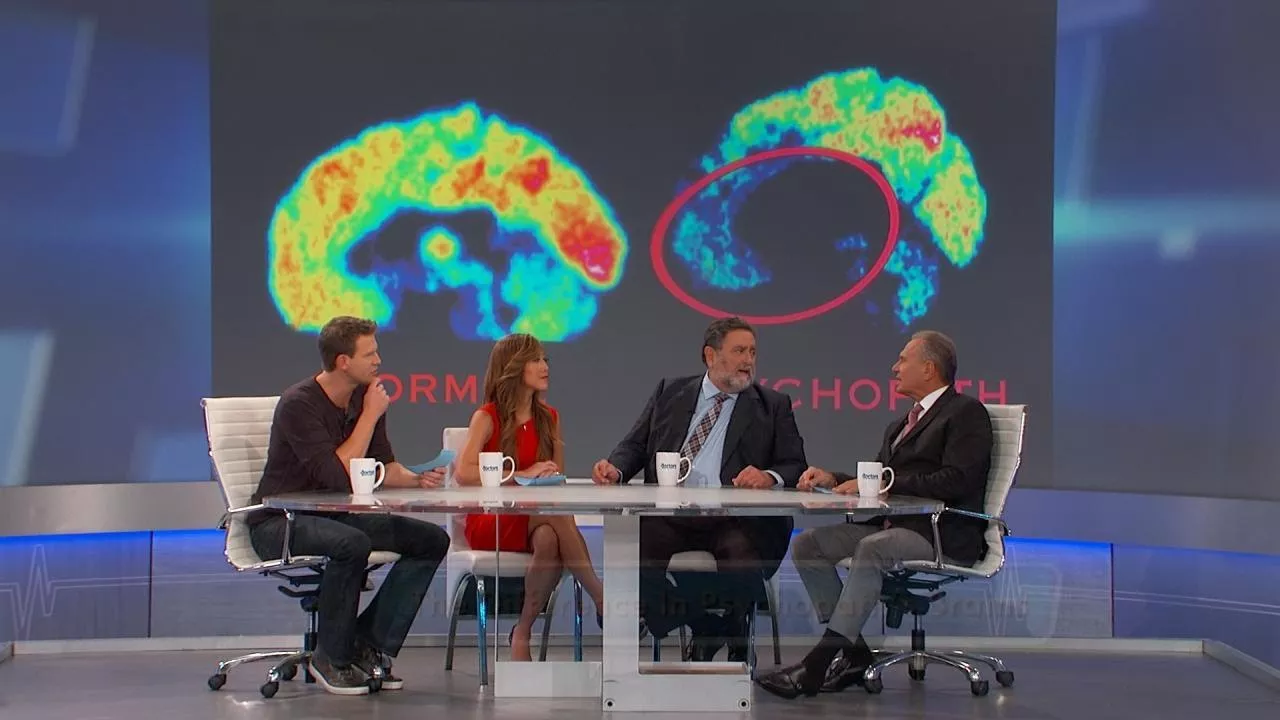
murders and multiple murders I can't believe how different it is and you don't need to be a neuroscientist to that to see the significant difference there that the brains limbic system it's it's absolutely turned off in level and this person was shown pictures of awful things and no response to it so I see it but it was like activating let me ask a very controversial question let's just see retic Lee say someone gets convicted of murder maybe it's more than one person and they're in prison they're coming up for parole and you have this data
and the brain looks like that of a psychopath which we just talked about with these individuals it's a personality disorder you can't necessarily rehabilitate that do you ever get to a point where you do that and as a society say you know we can't we can't afford for you to be out there because you will act on these impulses you will kill again we keep making and you know I after these studies I became much more against the death penalty because they actually don't think what they're doing is really wrong they don't think it's wrong
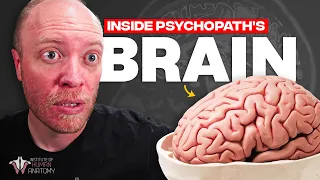
right to them it's not it's not a moral so it's like so that's a weird chunk of it but the the other thing is they always keep doing the same thing let out of prison we platter they're raping and killing and as a society we have a romantic notion that everybody there's a good boy and good girl or not and the in the pattern is if you if you look at the animation which is this rotating brain which are always fun you can see that most of what you see is on the outside the cortex
well the areas of the brain that are involved psychopathy are not in the outside you can't see them they're in the midline the inside and it's part of what's called the limbic system or the emotional brain part of that emotional brain you've heard of the amygdala I'm sure which is at the tip of the temple of it's processing positive negative emotions aggression predatory behavior sex rock-and-roll you name it addiction but the other part that's kind of the it'd and then the other part is we call the orbital cortex right above the eyes because that's the
orbits and that's a part of that's really associated with moral behavior moral reasoning well turns out that the everybody and everybody's brain these are in balance the normal thing because there's there's a time to kill there's a time for sex Psychopaths don't have that context and those two areas are turned off in these people so that's like the super-ego there's no shame there right yeah the orbital cortex like the super-ego it's your conscience you