so this is the acoustic positioning webinar all right reinforce my theoretical knowledge of this technology thank you for that let me just clear that down again um so first of all in just again text on the screen or on the chat what do you understand as a short couple of words a few words definition of what is acoustic positioning what do you understand if someone asked you what is acoustic positioning in a very short couple of words how would you describe it just ever think just again use the text put tools put it on on
the pin a blank area on the screen or into your chat acoustic positioning some of you used it already I know so understand positioning using sound waves as Elias yes good answer anybody else but it's being what determine position of an object in the real world by using sound waves yes excellent well this is fairly basic level stuff I know but it's just to understand what you know what your understanding is already before we start on nowhere where our starting position it so what is acoustic positioning uses sound waves to position an underwater object yeah
and see key area underwater that's what we're looking at yep underwater acoustic pulse is to locate underwater so some good answers there I'm gonna clear your answers there and so let's flow so we've kind of get an idea of what it is it's using sound to position something underwater so why is it we need acoustic positioning why can't we just use GPS what's stopping us out there again use the chat function or put it on a screen what is stopping us using GPS underwater GNSS I mean my colleagues Jim will probably flash up on the
screen GPS signal attenuated underwater yeah absolutely they the signals and I know that was difficult because it came up with white text so genus s is the correct terminology I know but GPS is the generalized term for it so it can't burn bender underwater the air surface is a barrier for GPS signal absolutely GPS signal is an RF signal it's very very very very weak and doesn't penetrate the water the salt water that or any water in fact attenuator signal rapidly and so it doesn't work underwater we can't receive satellite signals or singles underwater yeah
satellites can't swim yeah absolutely so so let's go on to how GPS itself works the reason I'm gonna talk about how GPS works is because similar principles in our acoustic positioning systems right so what we know from satellites is well what is it we know about satellites how can we use a satellite to give us a position on the planet so we know the satellites are send these signals every second we receive them at base station and we know what time they left the satellite so they're because they're all timestamps and we can see what
time they arrived at our ground station or base station so therefore we can determine how long it took for that signal T so triangulation open known satellite positions yeah absolutely the thing we need to know the thing at any GPS or GNSS system needs to know is where e satellite is so there's a database of where all the satellites are which orbit therein we know precisely where they are in space so we can triangulate or trilateral our position based on the signals from them right so in order to do that what are we measuring what
is it in one word what is it we are measuring to determine our position relative to those satellites pseudo range ah are we measuring range are we measuring distance or are we calculating distance what is the system actually measuring any advance on range or distance time difference time of travel yes but on it's about time I spent time where we basically the system is measuring time and using that time is calculating their range how far we are because we know speeding with distance over time we know the speed of our RF signal is the speed
of light it's a constant nice and easy all right so we can calculate how far we are as we've already determined we can't use GPS underwater so what we do is we turn the whole system upside down replace those satellites with seabed acoustic transponders and we're basically put in place a kind of underwater GPS system instead they're using radio waves we're using sound positioning right it's effectively like underwater GPS now there are three types of acoustic positioning systems those each in turn starting off with the one that's most like the GPS X system long baseline
the functional word in that LBL long baseline is the word baseline so you again goes what do we mean by baseline in this context in a positioning context give us a short crunchy definition of a baseline when we're talking about what are your thoughts on the word baseline on the screen or in the chat whatever work for you known distance between two points very good answer anything anybody else anybody else on what we mean by a baseline range between two nine points line between two points yeah I like the word known there's no input known
points no positions give us effectively and you reference a start point to measure yet effect these are all the same things distance between two reference points yeah these are all brilliant answers exactly right basically it is a distance between two points of reference and the reason LBL or long baseline is called long baseline is because those points of references are those fixed transponders on the seabed placed around the arrow going to work some distance apart so in typical that could be a hundred meters could be a thousand meters a couple of thousand meters to two
and a half thousand meters depending on the application depending on the from the purpose on the whole project alright and the number of transponders required but these transponders are placed on the seabed surrounding the area of work all right so the thing we're tracking is always within what we call the array of these LBL transponders they always surround the area but the reason for that is because we're going to use these for trilateration triangulation and there are always four or more transponders on the seabed in the same way that GPS works you need to have
four or more to give you some dungeons so three wouldn't be great but four is better and more of that in the air wheel and how it works in principle really we have a transceiver so this is the the electronics that go on the vehicle that were tracking this is on a tethered vehicle for tracking an ROV this is called the romanov transceiver this is the bottle all the processing of power on coms etc and then this is the transducer element not to scale this is actually physically more smaller than this but this is the
transducer element that makes the sound and receives all the signals - to this underwater alien base so no not radio so install that on the ROV and then similar to GPS in order to position the ROV within the array we actually need to request a position we don't GPS as you probably as you where is pinging every second it sends a new satellites are automatically programmed to send you a message every second so this position update did that underwater these transponders are running on batteries they don't have the the luxury of an unlimited power supply
of solar panels driving on the Sun these are down the dark on the seabed they relying entirely on batteries so in order to conserve that battery power battery life and make them last as long as possible we only get a position by interrogation so in order to do that we will send a signal to the ROV down the umbilical to the rock now a transceiver telling it to send an interrogation to the transponders on the seabed once they receive that interrogation they all respond with individual responses and we and the transceiver on the ROV measures
that total travel time but they long it took for that trends the interrogation to go out and the response to come back and then all of that to a travel time data for all the beacons and each one will have its own address who knows which one's talking it sends all that data back up the umbilical to the processor to calculate where this is relative to our references on the seabed does that make sense if that makes sense please on your participant window give us a green tick or a thumbs up here we are green
ticks thumbs ups brilliant good stuff alright as you're doing that it's good stuff so the position is or as similar GPS is worked out using trilateration some people call it triangulation but the true term is trilateration just being phonetic and the key thing about LBL is the precision of our system is independent of water depth if you put an array on on the seabed 100 meters depth and then you were to transplant that array keeping the same distance is the same geometry the same correlations but put it in the thousand metres of water you get
exactly the same performance out of it everything is having relative to those beacons on the seabed manner this is why LBL is used in deep water to position stuff precision is independent of water daily now that's tracking an ROV the main purpose for L and for LBL operations is to put infrastructure on the sea where the big structures of the big bits of doing the construction and survey phase of a lowland gas infrastructure project so in order to place a structure this structure is now not tethered to the answer to the vessel then you've got
the crane lines and everything but there's no comms line to it so we're gonna be basically relying entirely on the acoustics to position this this structure to do that we place a mobile transponder just like this one we place that one or more onto the structure and now we're going to use the ROV to relay communications to that beacon on the structure so the ROV may not be being tracked at this time you can track the ROV in our more modern the software but but actually most of the time they are if he won't be
being tracked in the LB armor it made me clamped on to the structure in order to maneuver around or just be so swinging around and monitoring the whole process know where the structure is we could see it on the camera we know where they are AV is but in order to position the structure they'll send a signal down to the ROV which will then relay that acoustically to the beacon on the structure telling it to interrogate the array the beacons or the transfer the reference transponders in the array then respond with the individual responses each
one would have his own address we know which ones are replying then the transponder on the structure will gather all of that two-way travel time data the time measurements and relay that back to the ROV which subsequently send that back up to the to the to the PC on the vessel to calculate where this is relative to the green tick change it to a thumbs-up on the more button if you've got a thumbs up change it to the green tick or I can see some change hands up from anger is that question there if it
is just type it in the chat or open your microphone ask a question no no just a green tick that's cool clicked on the wrong thing it happens all right if you do have a question any time just raise your hand that's fine I can hear what's going on then brilliant all right I'm just expand what we know them can't see everybody in it good stuff right so that's trucks are tracking once you place the structure on the seabed LBO can also then be used for metrology purposes which is basically positive once you've position we
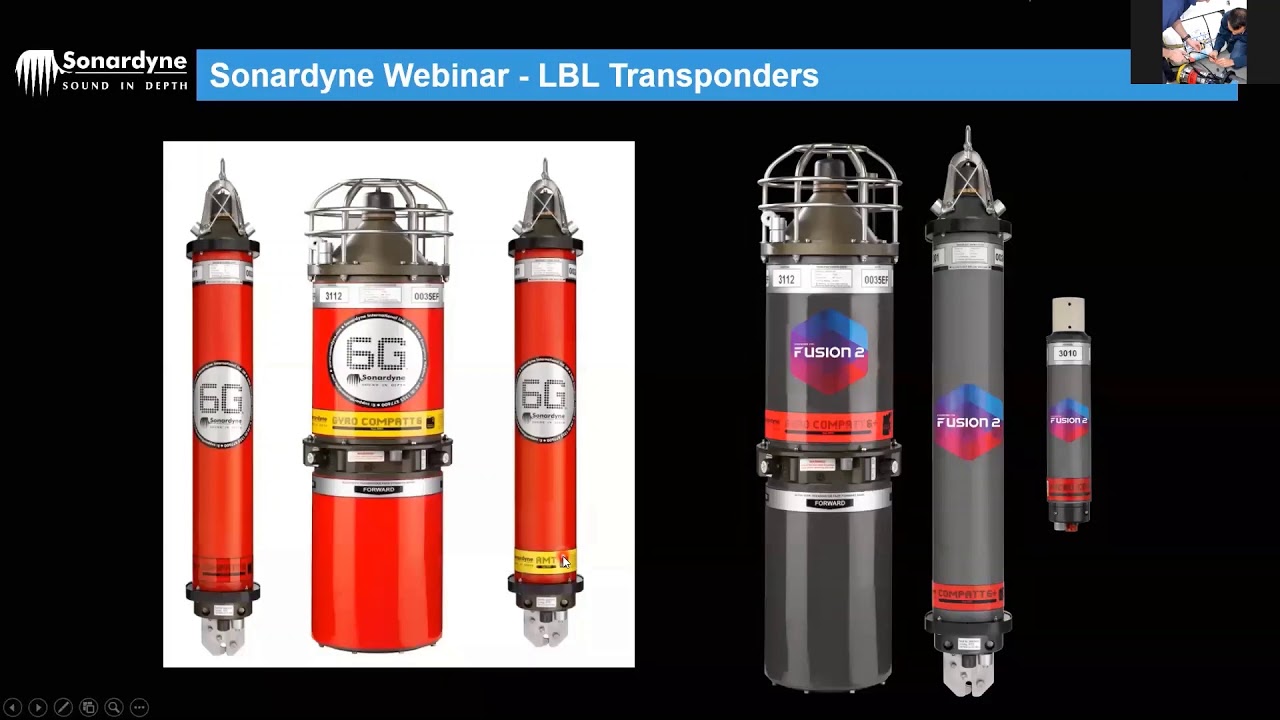
know where the eyes to measure how far apart the structure is all relative from one structure to another it's like in gel level LBL so to do this they'll place a transponder on each structure above the hub or the connecting and joint where they need to get but the interconnections in because they'll need to connect this thing to something else of pipework jumps or piece jumpers all the usual stuff where the hubs are each one we need to be able to measure exactly how far apart those hubs are so placing a transponder like this is
a gyro transponder on top of the hubs with a brace cord LBL array around it just fresher rigidity and and quality control we can then very very precisely position exactly how far apart these are lateral straight up track and down track and vertical offsets who know exactly how far apart they are and and their orientation as well as their kind of pitch and roll and headings how these actually lying on the seabed all that data is put into a spreadsheet that's that data is then all the trigonometry and Pythagoras it is put into a into
a CAD diagram the fabricators then take that manufacture the small piece or the year or the jumper lower that point work several you know hundred thousand meters down into the dark offer after the hubs and it fits perfectly it is like plumbing your bathroom using measurements you took through the window it's like all the point work for your bathroom having never stepped in the room ninja level lvl um so that is the kind of I said the advanced level of available stuff the products that are currently out there on the market doing this the main
one that's being used is our sixth generation acoustics with fusion 6g or now with renaming it for like fusion one that is what's being used for 97% of LBL jobs up offshore right now recently been updated with fusion to fusion to is a product that allows our inertial navigation and they'll be able to be used on one one bit of software with and the user interface is much more intuitive and the hardware is much more efficient but they're the two products that are currently really being used for elbe on operations so another product certainly off
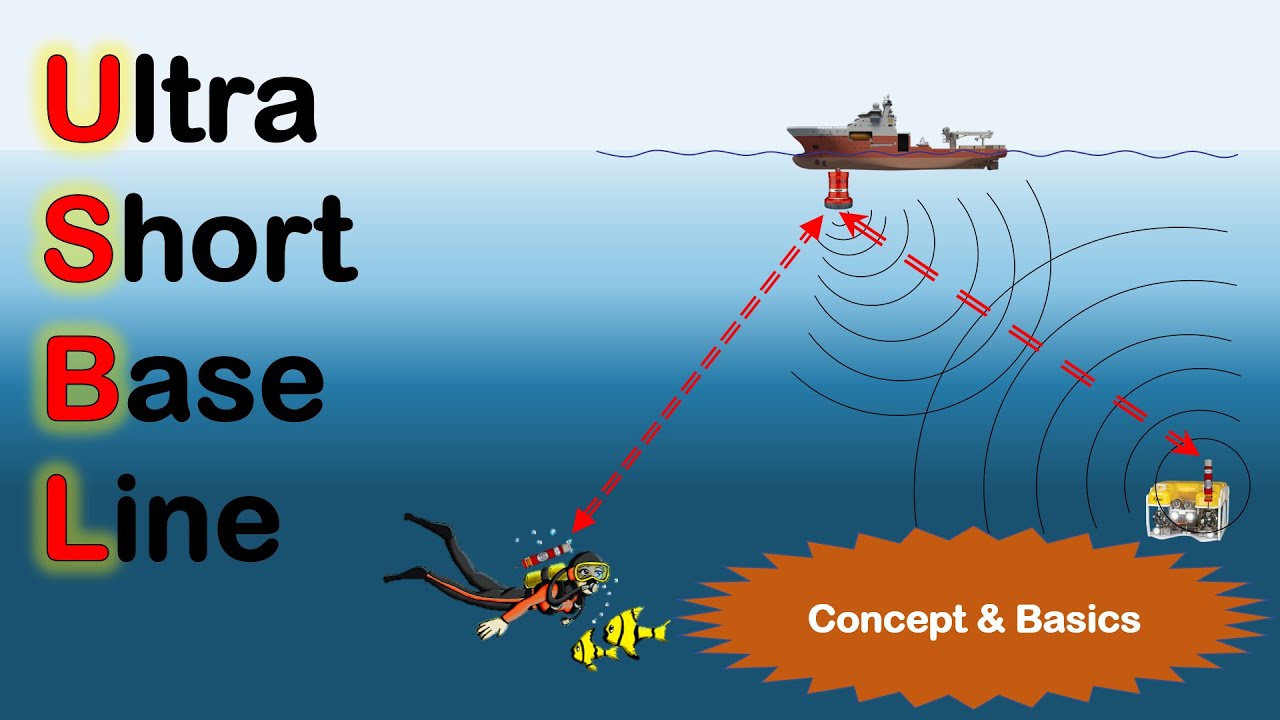
shore so annoying do that pretty much summarizes LVL will recover that in more detail in a couple of weeks time in the LBL webinar but is everyone happy with that if you're happy just give us a tick or a thumbs up just change it to a thumbs-up or a tick on your thing if you're not happy just want to see some changes it's tough brilliant right I'm gonna move on now I'm gonna move on to the next sort of version on the next acoustic positioning system which is you SPL ultra short baseline all right in
this can so if we look at an LBL array these are references on the seabed as we had before but if we use these to measure the position of a target if we were to install those references into one transceiver head then it becomes a USB l system so we have a single head and on the bottom of that we have this thing makes the noise this is set this is the the transducer they're sending interrogations out into the water column and these are hydrophones all the references that are listening out for the responses from
the vehicle so the difference in a way as well as the actual physical structure of it with an LBO array the vehicle is interrogating the array in the USB you know the array is interrogating so we ask the vehicle for interrogation it sends response back and we measure using these references on the transceiver and the reason is called ultrashort is because they're only a few centimeters apart and we've got different designs of different different types of heads but basically they're very very close together ultra short baseline very very close together that works yes so we
may Barry yes die again have you stumbling over my words it's afternoon so we may we'll use the USB l system to actually install the LBL system in the first place so we'll mount the transceiver onto the bottom of the hull and if we wanted to track the position of these beacons on the seabed but it could equally be an ROV or an AUV or any other or towed body whatever it is we want to track it matters not the principle is the same we send an interrogation out from the usbln and we get responses
back from the beacons from the things we are trying to track it measures range and bearing to the target whereas LBA was a range range system some of the GPS the USB L is range and bearing so we measure angles as well as different references um the key problem if you like with the usbr system then why it's not applicable for every is because the precision is highly dependent upon water day so you can see here we're tracking an ROV we're tracking a beacon the further these things are away from the vessel the less precise
our system is going to be right and that's just the law of physics and and I can aptly demonstrate that by if I get my draw at all up here and I'd put a dab on the screen in a second if I gave you a red pen and I drew a target on a whiteboard and I get but the pen in your hand and I said in 30 seconds jab the bullseye of that target as many times as you can in 30 seconds I'll expect to see a nice tight group of shots just like this
yeah the cars the penny very short then if I was to give you a green pen but Mountain that green pen on the end of a snooker cue and then I told you to repeat the exercise and jab the balls are as many times as you can with the green pen on the end of a snooker cue I expect to see you're positioning to be slightly less precise a little bit more erratic because it's difficult to control the end of a snooker cue from the opposite end of it if that makes sense so the longer
that sneaky cue was to be the wider your spread of data would be so if you turn that vertically that's a usbln operation this is the snooker Q and this is the target on the end the longer that stick is the longer further you are away from it the bigger the spread of data is gonna be on the seabed the more amount of error you're gonna have in that position this is why you SPL isn't always used for installing an L bail system but then we get an L beyond system to calibrate itself who knows
where it is precisely relative to itself but in order to sort put this thing on the seabed with a high level of confidence in its position the best USB off system in the world is still going to have a certain amount of error on the seabed because of this issue here right it's just the laws of physics but in you must be relatively simple that's what USB L system looks like are you all happy with that thumbs up or ticks on the screens again we're gonna cover this in much more detail in in the next
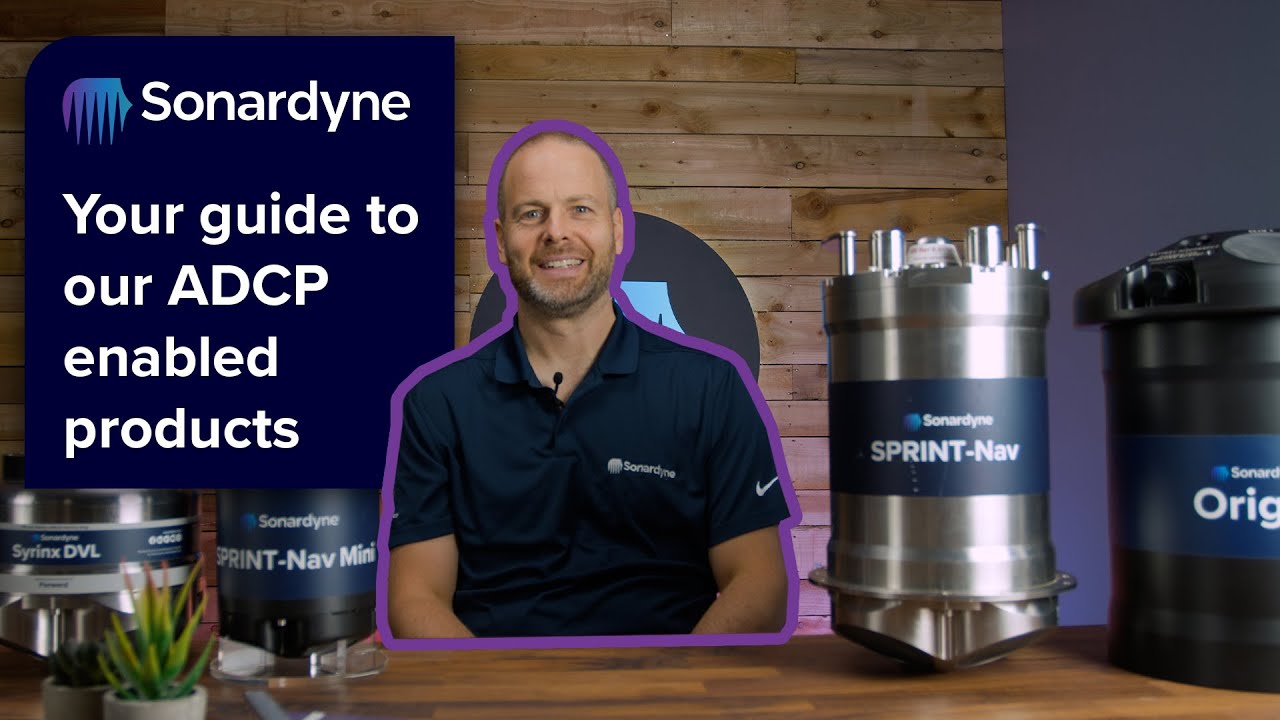
webinar which is the USB L principles but if you're happy just give us a thumbs up - yeah good to see alright again just just to give you an idea the product that we're talking about here for solidyne is Ranger 2 there are a few variations of it this is the full range of - sort of sonar head that we use there's a couple of areas at variations of that a lot of different designs and we've got a smaller one called mini Ranger - and an even smaller one called micro Ranger - but if you
ever want to know what the products are that's what they are like I said though we are going to cover more of that in the USB L principles we're moving on then we're going to have a third acoustic positioning system which is L u SP l so Berman what we've just been talking about what do you think l USB L stands for right on the screen put it in the text warm your fingers up get all that on on the keyboards again on your testicle l BL and USB L yeah long USB l absolutely your
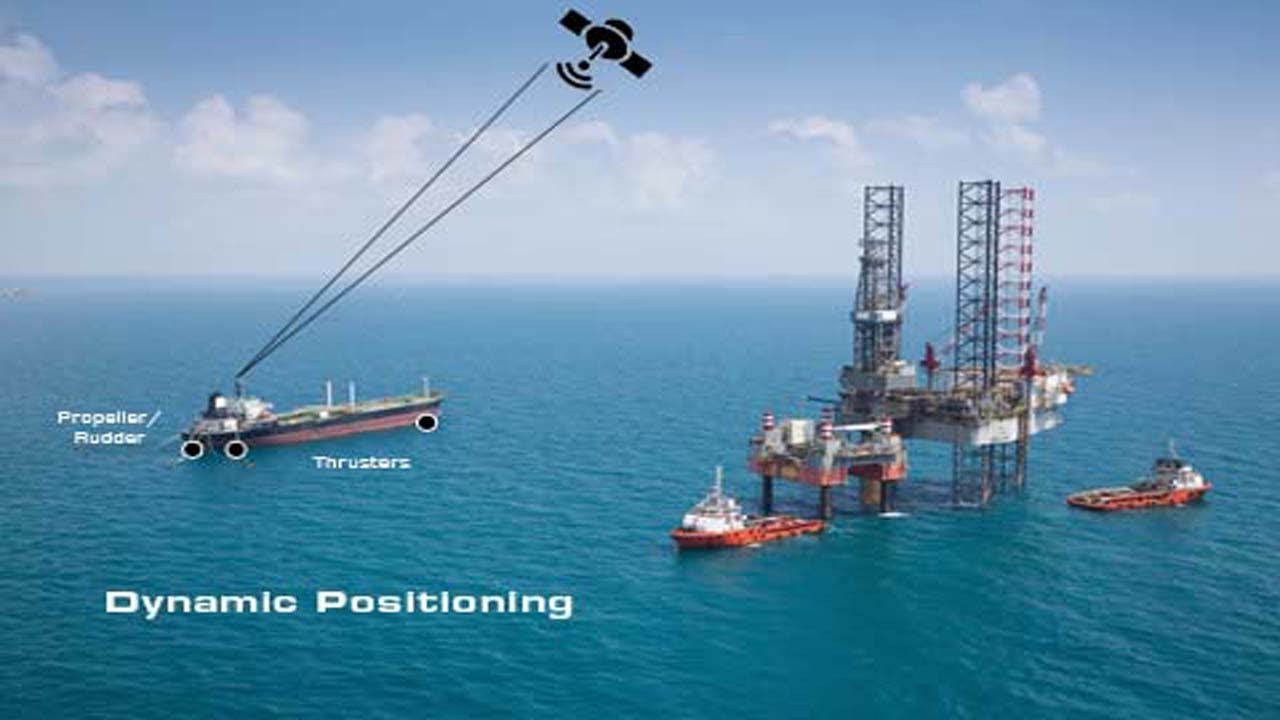
instincts are right so you may not even heard of it may not even be aware of it but basically it is a combination of the two on ultra short baseline it's like really kind of illegitimate love child of the two of you lights so this has a particular application right it's mainly used for dynamic positioning of drill vessels or FPS owns or certain support vessels whatever basically a a large ship that needs to be held in position on the sea surface where the seabed is too deep to anchor it in position they'll use an acoustic
positioning system to keep it in place so we've put a sort of pseudo lvl array on the seabed beneath it and in u.s. we all head to position it now clearly you think why not just use GPS well they do write DP systems these dynamic positioning systems do get gps feed or GNSS feed that is their usually most most most the time their primary system into keeping it into position but as many of you are aware GP gps or GNSS is not 100% reliable all around the globe for a global positioning system it's pretty rubbish
at that there are places in the globe where it can jump around a fair amount because it's I don't accept that interference it can be spoofed there's all sorts of issues while that may not be as reliable as you might think so a physical thing on the seabed to use as a reference is is often as the DP 2 system so a DP 2 system there's a different safety case and these have to feed into it so that if one of them does crap out the other one takes over and it's got still got a
good positioning fee the way it works is we place the seabone the beacons on the seabed around the area of work we're going to working or sauce surrounding the the drill humble work or whatever it is we're going to be placing over the top and then we use the USB or system to position those for a long time so a good hour or so tracking of these beacons independently will get a decent sort of spread of position data for each one because a lot of hits on that we can the system could do a statistical
analysis and an algorithm to work out where this is most likely to be within that head that hit of points that we had before remember the snooker cue analogy right what it's done that now and the algorithmic and then fix these in position into the middle of that spread of data and say well they're now fixed in position and then we'll have and then what that creators of DP reference a sort of imaginary point on the surface with a certain amount of error where we want to keep this vessel in position and we switch it
to the acoustic mode and we start tracking those beacons in the same way that we did before but for now what we're doing is we're tracking the vessel relative to those beacons on the sea bass is working like an LBL system because l real ranges but a USB L measurements that are using to calculate the vessel position relative to that DP reference we put in there in the first place and then the errors from those positions are then fed into the thruster control system to keep that vessel thrusted in place and keep it on so
if the wind or the tide starts pushing the vessel in one direction it can detect it quickly using because these ranges will change and it will thrust it back into the Breton's to the correct place relatively straightforward and in principle an awful lot of hardware to make it happen right DP three systems need a third input so sometimes we can also include an inertial navigation system effectively a gyro which we put on the GP on the vessel so as well as the GPS as well as the acoustics you've also got a gyro that senses how
far the the vessel has moved away from its initial stop and I will cover up more about inertia systems in the inertial principles webinar but as everyone generally happy with Lu SPM if you are thumbs thumbs and ticks it's tough and I'll just put some arrows there I'm watching I can see what you're doing that's good alright so everyone's really happy so that's that's the positioning systems or only looks at what they do but you know it's it's probably valid if we actually spend a little more time looking at the acoustics themselves you know what's
going on down there if someone asked you what is sound give us a word or a couple of words that you might associate with sound can use the text use the use the chat window just give us some words that you might associate with sound just to start thinking about what it is I raishin in a medium yeah para water good answer anything else any other words you might associate with sound particles moving in medium yep pressure waves yeah good answer good stuff alright waves yeah compression medium is some frequency yeah excellent so yeah these
are all good answers and sort of those are all the things you just saw a compression at medium absolutely right these guys can understand good good they're good vibrations through the medium yet closed these a couple of scientists the business framers of the 19th century they realized that when they saw someone fire a gun in the distance that could see the smoke they could see the flash but it was sometime later when they heard the sound and they were thinking why is that what can I hear that straight away I can I could see it
but I can't hear it until later on so they did some experiments and they put put two boats on lake geneva ten miles apart they said certain noise off on one boat it was a simulated symbol and a bell which both activate at the same time and they listened for the sound moving across across the lake and ten miles away by the crude hydrophone and their time the difference now they were expecting expecting the sound underwater to take longer and they did through the air because the water is thicker because it would be they clearly
thought they were slow the sound down they were surprised to hear and surprised to measure that the sound underwater arrived much much faster than it did through there why why is that why would the sound travel much faster through water does through where density yeah the water being thicker be more dense yet is density if it the molecules are much much closer together and and if we look at this animation here and I'll just start it this is a sound wave moving through water or through air and you can see as you all said earlier
on is that those those molecule so I pardon I started again it's the molecules bumping into each other we're putting in the left-hand side of there you can see that piston that's kind of generating the pressure wave generating the sound it's putting energy into the into the medium and it's making those molecules bump into each other passing energy on from one to the next and then you can see when the red dots as they go back to the original position so they kind of expand and contract they all end up back in the so the
medium itself doesn't go anywhere but the energy moves through it the closer those molecules are together the more efficient that process is and therefore the faster it takes place so the speed of sound is much much quicker underwater and because it's much more dense travels much further underwater well all good things for us next thing I'm going to talk about is resonance all right because that's important to how we get things actually to work and so if you're wearing headphones this guy might be a little bit loud or it's a bit of a video so
I'll give you a countdown big be prepared to lift one here off your headphones I've tried to turn the volume down a little bit on my computer but never quite sure how loud it is from your end so this guy's going to play videos gonna demonstrate resonance quite happily starting the video in three two one [Music] [Music] all right yes glass number 90 and that's proof then it's not a trick that was too easy myth [Music] number 93 that's five today headphones back on now he has finished jaime vendera there is a rocks to American
rock sing and demonstrating how to break glass using his voice how is he doing that what is particular about the sound who's making that makes that glass break-in up on the screen or on the chat whatever is easiest for you what is particular what is in one word or two words what is particular about the sound he's making that makes the glass break give us a couple of words a word frequency yep frequency frequency increase in amplitude yes two things coming through that there's two parts to the sound that he's making the first thing as
you've said already in the chat is frequency he was selecting the resonant frequency of that glass the way he did that he would tap the rim of the glass it will make a note to make a tone by singing exactly that tone the same frequency the pressure waves generate with this with his voice are hitting the glass at the frequency on the period of which it wants to physically vibrate so it gets pushed away it comes back again as it reaches the apex of his return in the hit but the next pressure vocalist is happening
exactly the same frequency as the glass wants to vibrate and then the other thing that he's doing is is they would be the rings is important but also is the amplitude the amount of energy because he's a rock sing he's got a very very powerful voice because they were the focus that energy and be able to increase the amplitude of his signal he's putting maximum energy into the foot into the into that noise which is pushing the glass so hard it overcomes his physical restraint and therefore breaks because glass is fragile now why is that
important is because that is how our ceramic how our acoustic transducers work inside an acoustic transducer there's a present electric ceramic material which basically converts electrical signals into movement and back again all right so to generate a sound we put the signal of a certain frequency into the ceramic element which is tuned to resonate at a certain frequency you could ask that frequency that electrical signal in at that frequency and it converts it into physical movement it vibrates it starts to create the pressure wave in the water it makes a sound that sound is a
bit like the band on a speaker works if you take any take any speaker apart not the ones that yeah an old broken speaker for example have a look in the back of it you'll see there's an electromagnet it's the same way it's a similar tour process so you put your music signal into that electromagnet the the changing current in the coil make the center of it vibrate it physically makes it move those vibrations because that's a test of the cone and the speaker and then basically makes the generates the pressure wave that you can
hear alright now as they're Celeste I know what a transducer is basically an underwater speaker and I tuned to a specific things he makes a very particular sound as that sound name moves through the water and there it and there's another transducer the source sitting there waiting to listen out for it in passive mode it hears that that signal the signal hits the transducer element that ceramic material and it's sympathetically all resonates the same way the wineglass did because it's tuned to resonate at that frequency so the signal comes through the water it makes it
vibrate those vibrations are converted into electrical signals at the same frequency which we can then amplify amplify and analyzes we need to do it it's the same way a microphone works so if you swing a speak or sing into microphone the as you're creating with your voice make a magnet electromagnet inside the microwave microwave microphone vibrate and those vibrations induce a current into a coil and then the coil is then it sends that electrical signal for you to amplify and deal with what you like so an acoustic transducers are both underwater speaker and an underwater
microphone the reason they work for most both jobs is they're tuned to a very specific resonant frequency all right now there are two types of transducers out there there's an omnidirectional one and a directional one so the omnidirectional one as you can see from the two diagrams here this blue line around here gives you an idea of equal levels of gain on either side so you can see that the omnidirectional one has much more energy coming in through the sides and it's pretty equal in all directions obviously not straight up and down because that is
where there's a piece of metal in the way and there's always a slight dip straight above it but that's just because the design of the transducer whereas your directional one is it's about four times the energy actually in terms of decibels coming straight out through the top and about a quarter of the energy coming out through the side and and this is what they look like inside all right so this is your omnidirectional one there's a doughnut shaped ceramic material there which is helping it as a vote it's free to vibrate in all directions and
therefore creates this kind of proto diagram whereas on the directional side what you've got here is there's a classic piston style of mr. element on top you've got this metal anvil that helps focus that sonic energy into being so you know basically you can see that it's a bit like a if you think about these in terms of light this would be a bare light bulb and a better light bulb and look at from any direction is equally equally brilliant where is he and this would be a kind of focused torch beam and if you
know as you look down from the side of a torch beam you can see light there but it's nowhere near as bright until you stare right down the lens and oh my god it's super intense so this is kind of how these are used so omnidirectional and directional clearly have different applications and different uses so again we use your stamp tool so click on stamp or tick or draw something I'd like you to indicate on my slide if you can which one is most likely to be used for LBL operations omnidirectional or directional which one
do you think berry man what we talked about earlier on about how I'll be all works which one do you think would be best used for lvl acute evenness new some good ticks there Omni yeah people circling all on the left hand side clearly people paying attention I like that right good stuff right so if I clean these down then Omni for that yep good so now I'm gonna clear these down what a Lewis just gonna be in those and now I'm gonna ask the same question for you SPL which one will be most suitable
for you SPL and there's a there's a delay as people are thinking about which one might be best for us PL Lewis says that omnidirectional huh I going on the chat has got the right answer it depends right it's a trick question I do apologize you can use either it depends exactly on the application so if your tracker the thing you're tracking is going to be moving around or lateral to the vessel then omnidirectional is the one you want to use all right but for deep water operations where the thing you're tracking is right down
underneath the vessel or in a long way back and you in the angle the transducer on the thing you're tracking back towards the vessel and directional one just gives you more focus or more energy and therefore better chance to do it so yeah trick question just to see if you're still awake as if people are thinking about it for us pl we can use either or it depends on the application and the project itself good stuff right similar for Elliot girl as well actually all depends on the project and where they where they storm the
water depth etc all right so let's look at we looked at how we make the sound let's look at the sound themselves so no sonar has been around since the early past the 20th century and and for most of our folk pretty much all of the 20th century it was all tone based it was analog signals right so we had narrowband tone based signals and but when we applied it to acoustic positioning where we're since sending a and interrogation getting a response back and measuring that time of flight for a wheel or or USB L
you could either get range responses or you can get telemetry data now telemetry data sort of happened quite late in that in the last Barlow century which I know how you can send information through the water using sound and it was done in analog Moses frequency modulation like a two tone signal to give you ones and naught in the process right but it was basically a nice pure tone sound that we're using and the particular particular sound again I'm gonna play some audio now so if the last one was loud just again be prepared to
listen Eureka this is quite a high pitch and therefore maybe a little bit uncomfortable so just prepare three two one and the noise has stopped decide to put your earphones back on for a minute so that what you heard there was short ranging chirps and then some bursts of telemetry dates that two tone data you can hear now the ranging chirps how we got a range from those similar thing we saw so do you send an interrogation you get response back and then you measure how long it took to receive it but actually to detect
that signal with a signal what you had in the transducer itself was a replica signal an exam a sample of the tone is listening out for so as the signal comes through the water column you can see the peaks and troughs is there's frequencies that seems to match you get these of correlation spikes and they build as this overlaps and died away again as it continued to overlap so when that's when the two sting was perfectly overlap you get this peak of detection that makes sense you're the Texan threshold this is kind of where your
background noise might be so anything above the background noise is detectable there was another threshold which is not shown on e because it got a bit busy was the authentication threshold and that's when you start your clock what we ended up with was on reasonable timing because this hump was you know was basically narrow as you can right so with tone based systems in the medium frequency or nineteen to thirty kilohertz normally playing with this this the length of the signal was kind of crucial really so in order to get a good detection they needed
at a certain amount of energy a lot long enough pulse length to get this hump to be big enough to be above the detection threshold um and and the four millisecond pulse length was kind of generally used as a good compromise between precision and power because if you wanted more range or more power into into the water you had to extend the pulse length and by extending the pulse length as you can probably imagine this hump got bigger and longer so your precision of your system the timing errors got worse as you started to try
and push for longer ranges if you needed high precision then you needed to go for a shorter pulse length but that meant that your detects that your hump itself was much much shorter and therefore much smaller so in order to be about all sorry above the detection threshold you have to be much closer to the target to get this of the detection threshold so you lost in order to get better precision in a tone based system you had to sacrifice range and if you wanted to get range you have to sacrifice precision so not ideal
but the the four millisecond pulse length was seen to be the best compromise between the two reasonable power to get reasonable ranges and reasonable precision certainly make in 2001 2002 Sena dime produced the first digital or wideband system so instead of frequency modulation for the telemetry and time what we did was we got a coding into the signal we were basically use the same waveforms that they were using the telecoms industry so the mobile phones cell phones TV systems radios communications or less lister they were using they've got the whole world have gone digital we
were just the first to apply in acoustics so I did think it was phase modulation it's called a phase shift keying so what you do is you take the sample frequency you switch it in and out of phase two if he's in phases a lot logic one of his out of phase it's a logic zero or we end up with is this funny-looking sawtooth waveform a different waveform which meant it had a different sound it sounded different in the water and not like anything in nature therefore much much less susceptible to background noise and interference
here's what it sounded like again just mind you is [Music] [Music] so what you heard there was ranging chirps and telemetry right there's a bit different sounded completely different and also sound stood out from stuff in the background sounds and background noise and interference it was much much lesser because of this took this funny-looking codified waveform when the signal comes through you only get a perfect match when the ones are not match when the coding actually matches so you get this instantaneous spike of detection which meant that your precision was much much higher because you
got this nice sharp spike we're able to increase the pulse link by 8 milliseconds that gives us more power and therefore more range but we've got increased precision so with wideband systems couple of benefits more power in the water are therefore much easier to detect above background noise and a much much ongoing order of magnitude better precision in one fell swoop laughs because this was codified we're gonna use the same frequency over and over and over again and just put more coding into it so we can actually use Morse more systems at the same time
the rest of our laurels though we we also produce then we've in 2008 2009 we produced wideband to our sixth generation acoustic technology so we moved on from binary phase-shift keying that we had in wideband one-to-one something called quadrature phase-shift Kings the base with sampling the cycle more times in each to each rotation and which meant we can able to get data embedded in our 8 millisecond pulse me so in an 8 millisecond pulse length of ranging interrogation in the coding we also embedded some diagnostic telemetry so it's like health checks for error correction codes
engineering type stuff that gives you a constant health check of the system whilst it's doing it all part of that acoustic range and what in the 6g also produced a wideband 2 plus which is the same coding the same protocols but in an 8 millisecond pulse length so again to give you another set of addresses so we ended up with our 600 plus addresses in the same frequency band that were using for tone where you used to have four frequency bands before frequency channels and that was it now we have 600 plus channels which and
they would have more energy better signal noise ratio much better performance and reliability so to summarize those the sixth-generation stuff ranging and diagnostic telemetry in one pulse and if you wanted other telemetry so get data from a sensor on your beacon or whatever it was a separate celebrity string but it's using the same wideband coding therefore mat nice and reliable we've recently improved that again with six plus which is wideband three same coding actually same address is as wideband too but the protocol is better we're able to do more with it so it's more efficient
it's faster and much more user-friendly for the customer ok hopefully that all makes sense if it was happy so far give us a tick or a cross or in some particular thumbs up oh my god I've got a round of applause some studies and some one thanks very much indeed ok well they're doing that will just summarize what we've covered all right so this is only an hour probably fell short or maybe even longer I don't know depends that come across to you guys we talked about what acoustic position is right we discussed the three
different types of cootie positioning so LBL USB L and L u SPL and we also talked a little bit about sound and of course the particular sounds that we're making this the acoustic signals that we use on our sonar systems so just to summarize this was the first one webinar1 there are six more to come I hope people will sign up for those if you haven't if you missed out on over the other I mean any other slots I know they've been very very well subscribed we are going to put recordings of all of these
presentations on YouTube for you to access at your leisure at some point in the future and we'll announce when they go live on our LinkedIn page as before if you're not sure where our LinkedIn page and most you've probably got this right LinkedIn there's our LinkedIn site we're also on Twitter and there's our website details there as well feel free to contact us at any time using any of those mediums emails to anytime you've got any questions if you want any more information on any other training that we do we are able in this and
this and this environment to deliver certain amounts online remote training right so we can see most of our product training now online as well should require if there aren't any more questions I'm gonna I'm just gonna say well thank you very much again for joining us this afternoon or this morning wherever time it is in your and your part of the planet really hope you guys are staying safe and looking after yours in your own and I really enjoyed speak to you guys I look forward to seeing you all again hopefully you