[Music] good morning afternoon or evening depending on wherever you are in the world i'm so glad to have you all with us for our 14th community builders virtual event my name is johanna canda and i'm the strategic engagement consultant at illuminati this event is part of our monthly creating connection event series that's part of our community builders network this network is made up of communities of people who work within the education enterprise and also the membership community space as you can see on the screen our next event for creating connection will be on 23rd of
june so right after today's webinar make sure you register to secure your spot now everyone here is also invited to join us members of the community builders network and by joining you'll be able to receive our monthly newsletter and also advanced event event invitations and you'll be receiving more information in an email following the event so just to let you know a little bit about illuminati we are a company that works with various institutions around the world providing community technologies through a provision of a community platform called illuminate and i would like to show you
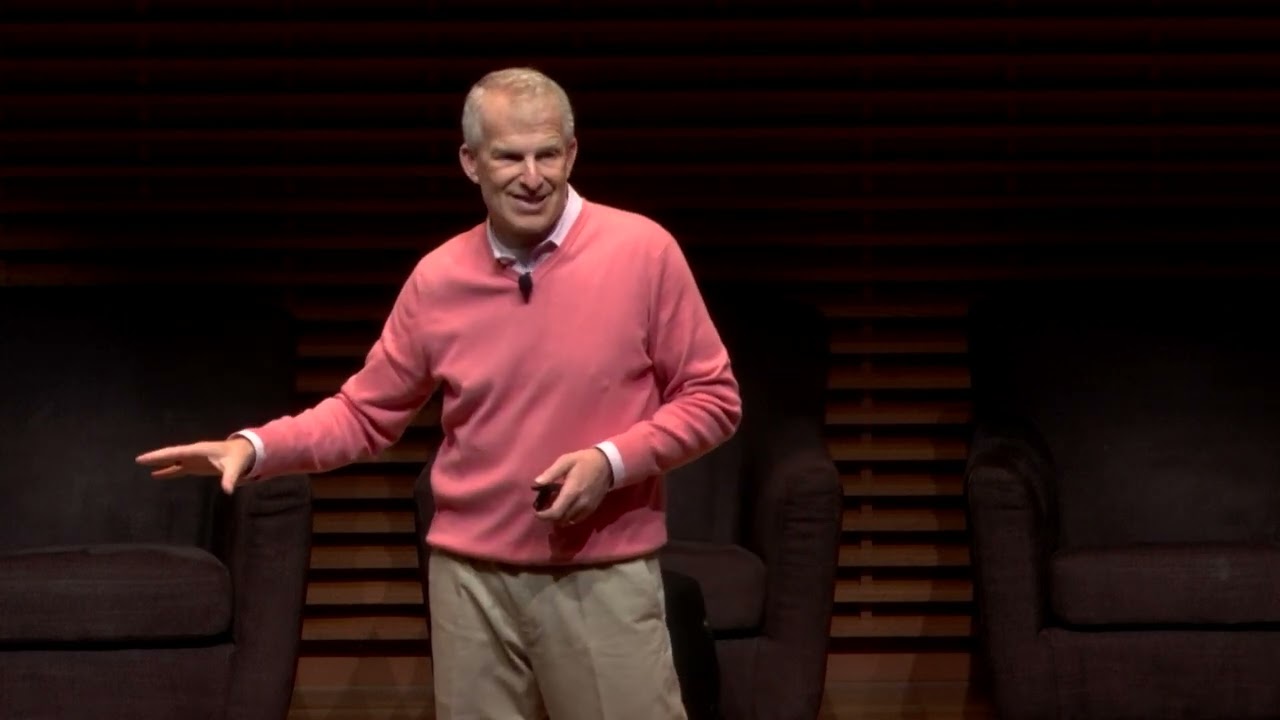
a short video to give you a little bit more of a taste of what illuminate is all about especially for those who haven't met us just yet [Music] [Applause] [Music] [Music] [Music] and now for the most important part i would like to invite josh to come on stage with me we have such excellent webinar all lined up for you today and um again i would love to just thank our speaker josh domitrovic for joining us today josh is a veteran of the united states air force and he currently serves as the director of the center
for career and professional development at claron university of pennsylvania in his role he manages an office of four professionals and six students and he specializes in mentoring first destination outcomes and retention efforts he's also a graduate of clarion university holding a degree in human resource management and a master degree in business administration and is currently pursuing a doctorate of education administration and leadership at indiana university of pennsylvania josh's work has been featured in numerous regional and national articles to include the february 2020 edition of the nays journal and he has presented his work at the
state regional and national conferences and in this session josh will share with you the key to how clarion university which is an institution with less than 5 000 students research developed and institutionalized a high impact student to online mentoring program with some really really impressive results so i'm really excited for everyone to meet josh today and for josh to share his experience with you all so without further ado let's find out how they did it thanks johanna before we begin i'd love to give a context so there's a short video that we want to play
to kind of set the stage of what is our mentor mentoring program all about so once we finish the video then we'll begin the presentation i'm looking for someone who i can share candlelit dinners with someone who enjoys watching sports someone who you know is like compatible to me yeah good luck finding that what else are you looking for long walks in the wilderness camping trips uh every day a new adventure to experience um no that's you geoscience major oh okay calm major i forgot all you guys like are sports and um apparently candlelit dinners
do you even know what it is you're filling out anyway obviously it's cu mentor you fill out an application online and if you love rocks they'll match up with someone else who loves rocks no not exactly um they match your profile up with a professional in your field the person on the other end helps you with all your college and job related questions like what they do at their work what your resume should look like and tips for interviewing basically they help you make the transition from college to career it's not someone for you to
go on dates with and talk about sports hey i got a match sounds like you're gonna have some great conversations about rocks he isn't just gonna talk about rocks yes i got a mentee i can't wait to teach them about all my foundational knowledge on geoscience and talk about rocks [Music] hopefully even found you found that pretty funny and entertaining and enjoyable so very simply what our program does is we match students with alumni we like to help them take that transition from college to career and one of the things that we're going to talk
about today is how we did that i'm going to share some context with you about what made our program unique and ultimately where you can actually utilize components of our program for your own mentor program if that's something you're thinking about creating so one of the secret ingredients that we're going to present on today and talk about is gamification and i'll explain what that is as we go through the presentation so i think it's important to begin with a little little objective so these are the things that i hope you can all walk away with
today understanding a little bit more about key components of mentoring how to design and implement a program at your institution regardless of your size or wherever you fall within the organizational structure or maybe you're in industry regardless of where there are key things that should be occurring i'm going to share with you what i found through my journey of creating a mentor program and then also examine those creative and strategic approaches for us that was gamification and that helped us significantly increase our student engagement so for the sake of today's conversation there are really two
key life cycles we're going to talk about the first is the program life cycle and then the other is the student life cycle when we think about the program life cycle i'm going to give you an inside look of the research that i've done the findings that that presented themselves through the research and then ultimately how our program was developed and is being assessed but then i'm going to end the presentation from a student perspective and how this mentor program at clarion has evolved into something beyond just connecting students with alumni it has impacted our
first destination outcomes it's used as a retention model and it also supports our alumni uh relations and engagement officers and our foundation to attract young professionals seasoned professionals to come back and support the institution in a variety of ways that aren't just monetary so really excited to dig in kind of peel back the layers of the onion and present to you what we've done at clarion so i hope you can sit back and enjoy what's about to be presented to you before we begin though i want to be able to provide an institutional context i
find these are extremely helpful so you can see who we are and ultimately how you might relate to this type of institution or maybe you're a completely different institution but regardless of where you are the things i'm going to talk about today are here to help you and design to help you build your own program or enhance your own program at your institution so as johanna mentioned mclaren university of pennsylvania we're a rural institution in the united states about two hours northeast of pittsburgh pennsylvania from a population perspective of our students about five thousand undergraduate
and graduate students a variety of academic programs from associates degree to a doctorate degree in nursing our programs and our institution attracts a very unique population of students we're considered a part of the pennsylvania state system of higher education which is a collection of 14 institutions that are open access institutions meaning that we're here to support an education to any student regardless of your background gpa whatever it might be so based off of that mission we do attract a large number of first-generation students who are the first in their family to attend college and then
low-income learners so that type of population requires a certain amount of nurturing and support through that collegiate process so it's something to take into consideration as well whenever you're listening to the presentation today interestingly most of our students remain in the state of pennsylvania so a high majority of them build on the economy within pennsylvania and that's something we're extremely proud about from an office perspective if we zoom in a little bit i have a direct report to the provost so we're housed in academic affairs uh we've already established the type of reporting structure within
there are three additional success coaches and administrative assistant and then our students vary but right now we have about six we do not have any graduate assistants in our office but we do operate under a liaison or career cluster model this is very common if you start to think about we're aligned with specific programs department colleges or schools so for example i am the liaison to the college of business and information sciences so i see and interact with all students within that area and my counterparts in the office do very similar things in other areas
like education nursing etc so depending on what our schools are at the institution and then we do have a specialization areas as johanna mentioned first destination i love first destination outcomes as well as retention efforts our office we have a budget of about fifteen thousand dollars uh which isn't anything too substantial whenever you think about how do you build programs and do all these unique and innovative things in this time where enrollment's decreasing for us in the state of pennsylvania so we have to do something different and those are going to be things we're going
to talk about today specifically about our mentoring program to kind of set the stage to where we begin my very first conversation i had with our former director who has recently retired when i was hired six years ago was where do we start our program how much money are we going to have to support this type of initiative what research have you all done and what are you ultimately looking for he leaned back at his chair and he simply said we have no money for you and we really don't have a direction we just need
you to create a mentoring program so a little bit surprised i got out of the office and i started thinking okay i'm motivated to do this so let's get this started so the journey that i'm going to walk you through today is the development of that program and how we started from no software build our own software and then ultimately we go through the process of developing strategic partnerships to have a software um i think it's important to note we did all of this with no budget no additional money so being creative and innovative is
something that we pride ourselves on because it has to happen in our current environment we did pilot the program originally with our college of business but now you're going to see it has grown into other areas and then i am the single administrator who operates the program when i started in my role it was about 80 percent of my job responsibilities but now as the program has evolved and become natural and organic it has shifted a little bit to less about 25 percent of my responsibilities okay so that's the context now we're going to jump
in we're going to talk about the program life cycle going to dig into the first learning objective about our research and findings so after that conversation that i shared with you with my former director i said i had to get started the best way to do that was do the research so i contacted 10 other colleges and universities across the country in the united states about their mentor program i wanted to gain insight into how did they develop a program who was using their program and what we're learning what what did you learn through the
process right did you have any stumbling blocks that you could help me with so i don't have that pros that that difficulty as well so from a summary of the program structure most programs varied from informal some people call it flash mentoring to formalize partnerships but very few were formalized at the university or institutional level so for flash mentoring what that means is it's short 30-day conversations or maybe a one-on-one one-time conversation with an individual where formalized programs tended to be a longer in nature maybe it was a month an academic year something in the
middle between those partnerships typically range from students the whole way to employers and everywhere in the middle there really wasn't one set objective it they really set their program up based off of need at the institution what they were looking to do for us we were focused on connecting students with alumni who also could sign up as employers in a way and we'll talk about that a little bit most programs had a single administrator which is not uncommon and many i did have joint venture with alumni relations and as you're going to find there is
no way our program would be as successful as it is if we didn't have the wonderful partnerships with our alumni engagement team because they're on the other side being able to recruit alumni to be the mentors in our program software varied based off of what people utilize some didn't use software at all others utilize a career management system that they already had in place some individuals like myself that you're going to hear we started manually matching in excel but there are countless mentoring programs out there illuminati provides a great service i had a wonderful demo
with them a while a couple days ago it was just fascinating and really impressive and intuitive so if that is something that you're able to do a software obviously helps with scalability of a program and that's something that we're going to talk about today as well so uh studi student utilization so what i was really looking for to try to advocate for our program was how many students at your institution are utilizing your particular program so in the research i really couldn't find what a typical student utilization rate was so i did them the numerical
calculation my own by contacting these organizations and colleges and universities to figure out how many students are typically engaging and that would range from the whole way from 30 to 800 students and then i what i did was took that and divided it by how many in people students learners were at your institution that had the opportunity or access to your program what i found through my research was the typical student utilization rate of mentor programs varied between 10 and 15 so that was the benchmark that i set to say how can we be 10
to 15 percent and make our program something special and at the end of the presentation towards the end i'm going to share with you what our utilization rate was so i think that's a good benchmark to follow however the major takeaway that i found through the research of other colleges and universities was no one was formally or intentionally preparing their students to be mentored the key words there are formally or intentionally so what we did was try to fill a niche in the market by utilizing a brand new unique technique called gamification so let me
quickly explain to you what gamification is to kind of give you a definition gamification is the use of game design elements in non-game-like context so for example you may play a game on your phone maybe it's an app where you earn one two three stars you're only earning certain currency maybe you get a badge or a certification based off a certain level of competency taking those game-like elements like a badge and applying that in something like career services is said to increase motivation of individuals so what we were attempting to do was utilize the concept
of gamification specifically digital badging which i'm going to show you here on the next few slides and use that as an extrinsic reward to motivate students to use our services because we are an optional service at clarion university students are not required to use us but we firmly believe career development is a central component of the student's journey and alumni journey so it's important for us that our engagement were increasing and if we could provide a badge to dangla cared in front of somebody to say come engage with us we knew we would teach them
the rest of the way so that was the journey that we we started on what i'm about to present to you each of these next few slides and the component of the return on education initiative that you're looking at everything happened at the same time although i was here to create a mentoring program we quickly realized that the four year four five six years at an institute that a student was at our institution we were really hitting them the freshman year and the senior year we weren't doing things intentionally in the middle and based off
of retention numbers we saw it's called the sophomore slump we were losing sophomore second year students through the process so what we did was we created a few different components as you'll see here this is a simple four-year plan that we've embedded within our college of business which is now called the return on education initiative what we have done is we've created a culture shift at clarion where an optional service like career development is now embedded inside of the curriculum with key faculty and classes so over this four years that a student engages at our
institution we career development are embedded in required classes that every college of business student has to take so as you can see on the screen there are different classes and different activities that they're participating in that are often worth points as part of the grade what you see the sophomore year is we've intentionally created a badging process where students have to participate in a certain number of programs and services which i'm going to share with you before they can have access to our mentor program which typically happens the junior year junior senior year that is
where we become very unique and we were formal and intentional in preparing our students to be mentored students cannot be connected with a mentor until they have proven they have the competencies and skills and are able to have the proper conversations with our mentors and the badge is a symbol that they are ready to participate in that program so let's take a snapshot and a deeper look inside of that before we get there i think it's important to note that we do abide by the national association of colleges employers which is nice they do have
a set of eight career readiness competencies unfortunately this slide is out of date because the new nace competencies have currently been revised at the end of april so we will be updating this particular handout in our office but it gives you a good sense it's a good framework to tell you these skills and competencies are what students are learning as part of our cu professional platform so let's take a look at that so in order for students to be mentored they have to earn and participate and participate in our services so regardless of how the
student chooses to learn whether that's an individual appointment our online virtual series or two in person large scale events what you see on the right side of the screen are the ways a student can engage there are five different categories and students have to accomplish one topic within each of those five categories once a student has successfully accomplished that they then earn the badge which allows them access into our mentor program so this is the component of gamification this is the uniqueness that we have added to say students weren't really engaging with us before or
we weren't pleased with the number of students engaging with us prior to our badging but i'm going to share some statistics with you so you can see how gamification has positively impact and grow it really has grown our engagement within our office across multiple programs departments majors i do think it's also worth noting that our badging process has evolved over the years on the left side of the screen you're going to see a bronze silver and gold that was our original kind of pilot of our program what we quickly found was tracking badging and how
we do that can be a challenge and in the top right of the screen you now see our new and updated one digital badge that really replaced the three original badges we did a lot of data analysis and feedback of why we went from three to one largely that was based off of students were either doing uh the bronze or the gold they really weren't doing anything in the middle and we thought we could refine the process of how students engage with us to make it simplified and that's really what our new badge does we
do have a badge for our mentor program which is the second down on the right and then also our living learning community offers a digital badge called discover you whenever they participate in career exploration type activities but what you see in the center of the screen is actually it's a funny story this is our cu pro platinum badge uh after the year or two of our first iterations of our badging and we found it successful uh one week we had a student come in our office and say i've earned the pla the digital badge the
cu pro badge do you have another badge is there something like a platinum badge that i could learn and continue to grow from and we kind of looked at each other and we said hey unfortunately not but maybe that's a good idea we'll explore that student left and we thought that was weird uh two weeks later a different student came in and said the exact same thing this time we looked at each other and said okay we need to do something about it if the students are looking looking for something more so what you see
at the center of the screen is our cu professional platinum badge what happens here is there are a variety of activities on those colored tiles at the bottom of that image where students can choose how they want to participate what matters is students can pick and choose how they want to as long as they earn at least 10 points and you see each activity essentially equates to a certain amount of hours that we devised on the back end of career development so for every 10 points a student engages that's equivalent to about 20 extra hours
of career professional development so what a student can do now is be able to leverage that in a conversation with an employer for a particular job to say here are the things that i've done to enhance my career readiness when we issue our badges in our program there's something called the anatomy of the badge imagine you dissecting the platinum badge and looking inside of it there's a description of what the student has to accomplish in order to achieve the badge amount of hours specific skills and ultimately what that means for them and who it was
issued by as an accredited institution like clarion so what students can do is they can leverage that they can market that on linkedin on on their resume or through other portfolio platforms that they might use so this has been a very unique and creative way to try to increase student engagement and really help students understand that career development is that journey beyond the four years that they're at the institution but the hope is that this type of extrinsic reward motivates them to think about career development and to be intrinsically motivated to continue to develop themselves
through their career journey so now let's transition to the cu mentor program so what i've presented so far is there's this four year plan we're preparing students their sophomore year through cu professional they've earned the badge now they're invited to participate in our mentor program called cu mentor which typically happens their junior and or senior year so what you see on the left side of the screen is a simple infographic that we've created based off of the assessment information and outcomes this is a few years old so a lot of the information is outdated but
it does give you a really neat perspective of what type of conversations are had forms of contact and then what type of experience we have and where we ultimately reach across the united states so from a structural standpoint i think it's important to lay out a few components of what's typically in a program and then talk a little bit about what ours looks like we started the program by developing program goals and objectives so we knew ultimately we wanted to increase students confidence knowledge and awareness of professional experiences that relate to what they wanted to
do what their success was so those were really the three core objectives we had in our program confidence knowledge and growth in that area so we knew that was the end product we reverse engineered it to say how do we get them there how do we build a program that ensures that they're gaining knowledge having confidence in ultimately growing and learning through this process so those were the assessments that we created the end we needed to start by ensuring that they were prepared to have those conversations and were confident enough and knowledgeable enough so they
could grow in the program which was the creation of cu professional in the utilization of gamification techniques once the student has accepted that they want to participate in our mentor program there there's a process that they can go through how they want to participate so they can choose to participate informally flash mentoring or formally informal typically happens they have the partnership for about 30 days and then the partnership will recycle itself and then they can go back into the pool of individuals and have a conversation that that's typically limited to resume reviews and maybe a
mock interview or some networking conversations or they go through a formalized program which is the whole entire academic year our mentor program is a rolling admission so students can join at any time throughout the college year the college life cycle the academic year but typically all partnerships have an end date of may when the semester when the academic year ends for tracking purposes but if students are interested in having continued conversations they can they can do that we just continue the partnership and we assess that through our end of the year assessment and outcomes survey
there is an application process that students will go through so the badge is a component of that they essentially what we do is we've created our own algorithm where students are telling me here's what i want in the mentor as i met from the mentor and the mentor saying here is what i have confidence in in being able to speak with a student and help them along the journey and then what we do is we marry those two things together in our algorithm to say here's the best possible match for you based off of what
you're looking for before a match is made we do have a requirement that every student has to meet with the career coach they're assigned to just to make sure that they understand what they're about to enter into and to ensure that they know how to have proper conversations and what they're even going to talk about a lot of the research when i started what i learned from those 10 other universities was students weren't able to have conversations appropriately or they didn't know how to have them appropriately and sometimes that ruined the alumni relationship on the
other end we were trying to avoid that at all costs because we wanted to support our alumni office and truly re-engage those alumni whenever they come back to the institution which is why that requirement piece is in there and we've actually seen more thoughtful conversations more i guess the strength of the relationships between student and alumni are better because of those goals and objectives that they've created together this typically again as i said happens the junior senior year but we do take students their freshman and sophomore year if they go through the preparatory program of
cu pro and they have justified that they can do it we match them we have a student in our office who was a freshman who wanted an internship first between her freshman and sophomore year super motivated and she wanted to be connected with an individual a mentor so we got her connected she got her goal of her internship in the summer so we can absolutely have those adjustments in being flexible in our program but typically we see juniors and seniors engage participants as i indicated are matched between student and alum some of them indicate as
employers too because some of them post jobs in our career management system we did find it extremely helpful to create recommended materials through our program so for example a lot of students would connect and come back to us and say how do i have a conversation with this mentor they're scary i don't know how to draft an email to them and as silly as that might sound i get it right it is scary for you to ask for help when you're not even quite sure what you what you want to do with the rest of
your life so part of what we're trying to do with them is guide them through the process so the way we guide them through that process is by creating a draft email that they can adjust and edit on their own and on our website at the bottom of this screen you'll see a variety of different recommended materials sometimes their readings to help mentors figure out how can you be a better mentor sometimes it is an actual mentorship agreement that we've created and that's a very formal way to say it's not a requirement but we think
there's value in the first relationship the first conversation that you have with your mentor that you're creating these goals and objectives and you're talking about how often should we be communicating what forms of communication will we use will it be virtual in person over the phone so it really helps paint a framework that everybody can understand and follow so there are some recommended materials that i would encourage you to take a look at and feel free to utilize and adapt if they're if they'd be successful for your program as well from an assessment standpoint we
do assess our program mid-year and end of the year our mid-year assessment is really just a touch point how are things going is there a partnership is it what you expected do you think there may be somebody is out there better for you maybe this isn't working uh and then our end of the year assessment is extremely formal it's where we gauge our learning objectives and outcomes we get the data like you see on the left side of the screen we gather success stories and publish those on our web page and our alumni magazine and
ultimately we want to know outcomes so we connect them for example to first destination outcomes which i'm going to share with you on the next slide so that's a little bit about the structure of our program an important piece to mention though is software so we started the program with no software and again no budget so i started a manual process i created an algorithm to figure out what's the best way to match these individuals to have a a really engaging and dynamic conversation well that manual process took me to match five students so we
piloted the program with five students and five mentors it took me about three or four hours to match five individuals and i quickly realized that was not gonna work based off of the criteria we set so something had to change so one day i got an email from our computer information science department chair and one of their capstone courses they have to their students are required to create a software for hopefully a local organization so that email was to say do you know anybody who might need help from students i thought i need help so
i want to be able to engage with them so i met with a professor we had a great conversation i said here's my need i need a platform i need an application that can automate my algorithm can they do it so fast forward three years every fall semester i had a group of students that perfected and continued to enhance our algorithm the first year they automated it and then created our own software or apple web application that was a a true application uh for the participants and then i was able to match individuals on the
inside which generated automatic emails and replies and other areas like that on the on the back and the administrative side but what we quickly realized was that wasn't going to be enough but what it did do is it did decrease the time for matching by about 800 percent and it saved us tens of thousands of dollars because we didn't have the budget to be able to go and purchase a software that we desperately need to be able to scale appropriately but through strategic partnerships with our alumni engagement office they have they have their own software
that we just tapped into it's not perfect we're definitely looking to try to advance that and then products like illuminati and illuminate but it's just it's something that works for us right now but i think the unique component of this is we did this on our own for five years we built our own program build our own software and it worked and it it made beautiful outcomes on the other side which i'm going to share with you from a student engagement standpoint i think this is important to to mention too we talked about student utilization
rate earlier in the presentation our program originated and started with our business students and then it has slowly adopted into communication psychology and other areas so what we've done and i'm going to share why this is the case under our lessons learned here in a little bit but it's really important that you balance the scale and you rise both student engagement and alumni engagement together some programs when i did the research they would just go all in and they would try to recruit every student from every major and every alum and those programs struggled to
get off the ground because there wasn't continuity consistency and they really couldn't learn as they went we've learned as we went and we've reiterated for those specific programs students are different alumni are different in each of these majors and departments so the program has to adjust slightly for those particular areas but what we're excited about is that our student utilization rate is about 40 so of the students who are able to engage in our programs we have about 40 of them engaging which is a from our numbers about three or four times the typical benchmark
that i set through my research so we're extremely happy with that and it's something we want to try to continue to maintain and or grow as our program becomes even more institutionalized across the university so where i want to kind of finish the conversation with the mentor program before i move into kind of the outcomes is really this retention model where what we quickly found in a way that i was able to pitch our program two of the alumni engagement office two admissions to increase student engagement through the faculty was that this retention model was
truly a holistic life cycle think of it this is the example i would use that i would encourage you that you can adapt for your own [Music] this program is very attractive in the admissions cycle for prospective students and families more attractive to parents and family members because they like to see the outcomes that i'm about to present to you so if we can say you know x if your student engages here's the likelihood that they'll have uh success on the other side that's attractive to them so it helps recruit students at the institution we
help engage students throughout our four year plan our return on education initiative that i explained earlier so we're keeping students engaged we're having them learn the skills we're getting them in our mentor program to hopefully learn what they need to do to get an internship to get a job to go to grad school whatever their next step is and then ultimately when they graduate the hope is that those former mentees become the mentors and it completely completes the cycle we're at a point now where i don't have to recruit heavily for our alumni it has
self-sustained and it is organically doing itself and that but you have to holistically look at it that way and try to work through that process to make sure our alumni team understands that and that's an option for alumni to engage in especially if they can't engage or provide monetarily so that's the retention model it's a unique way that we try to spin our program and show its attractiveness so now i want to share with you some data i love data so i'm excited to share this information with you so what i want to talk about
first is the impact of our liaison career cluster model and that four year plan when we implemented that model what we've seen is that office engagement has increased by over 200 percent and really if we if we break that down into three programs that i've shared we've saw a 750 percent increase in our business is majors in our college of business to put that in perspective we had sick i met with 63 students my very first year as a career coach now i consistently meet with 650 to 700 students on an annual basis every year
and that's solely because we're now ingrained and i have these relationships with faculty inside the curriculum that students see us as a necessary component of their life cycle at a college but that doesn't happen in every program and we struggle to get students in other programs because students not all students are thinking about it if you remember the students we typically attract there are those first generation students who don't know what they don't know it's not their fault we need to do a better job at trying to get to them which is why that four
year plan is so important to us similar in common psychology these numbers looks extremely like skewed on one side but to put things in perspective like psychology we had one student engaged and now we have about 88 to 89 students engaged on a regular basis and that's almost everybody in the program so part of that is again those strategic partnerships really make a difference whenever we're trying to engage with those particular colleges and schools that we're looking to advance and help support their student success we did see a huge shift in our faculty collaboration you
know what we always say is you have to find the unicorns in your particular university and for us we had to find the unicorn in our liaison area of those faculty typically what we found were the younger more non-tenured faculty at our institution because we're a unionized environment they were hungry they wanted to prove themselves not to say tenured faculty didn't because we did have partnerships there but those were the people we could take these new innovative ideas to and they helped us instill it in their culture so our cultures bled together and became one
so we were extremely proud of this increase in faculty engagement now we did do a case study for our return on education initiative and i talked about these nice competencies what we've actually done is every service that we provide is associated with at least one competency in our most recent study of our management 120 class which is our first year class uh what we found was students reported that they had an increase in all eight of the competencies that nays suggests that are important and that increase either happened on a one point or two point
scale out of a 10 scale so it's pretty significant that we know we can confidently say that our programs and services are ultimately impacting students through gamification through our mentor program through these little assignments like a resume or a mock interview now when we think about gamification though we created this cu professional platform and utilize gamification but what we found is that was a 60 contributor increasing student participation so at the end of some of our events for particularly we have a huge event called professional development day that happens in the fall semester and we
get about 100 to 150 students to participate in that and we wanted to know why they were coming what was motivating them and they told us 60 of them told us the badge was the reason they came not because the alumni were there not because employers were there not because they wanted to learn the content they wanted the badge which goes to show you that that extrinsic reward is healthy to a point what we needed to understand though was we use badging as a smoke screen we dangle that in front of the student to get
them attracted to our programs and then we teach them what they need to know and we excite them about the journey of career development that's the beautiful part of how we use gamification it's a means to an end and the end is giving them the knowledge skills and abilities to be successful on the other side and now whenever students engage we know they re-engage on a 1.5 to 2.5 multiplier they keep coming back but badging got them to come to us for the first time if that's what has to happen we're going to continue to
do that because it does attract a variety of different people now what i'm most excited about is to present to you this last bullet point so what we know based off of our first destination outcome rates which are they follow the nace guidelines is that uh 90 of our mentor program participants have a positive outcome the day of graduation and after six months of graduation 100 of them have a positive outcome rate so to be able to create a program that truly helps students get to their end destination or maybe beginning destination of their career
depending on how you want to look at it we're helping them achieve their own definition of success and that's why we started this we can confidently say that our program is teaching them the knowledge giving them some confidence to grow in the areas that they want to grow in and that we couldn't ask for anything more from that so to kind of wrap up the presentation i do think it's extremely valuable to teach you and share with you some of the lessons that we learned and some maybe some of the mistakes that we made so
if you're thinking about developing or enhancing your own program you don't make those mistakes like we did or learning lessons like we did so i do i started this presentation really focused on uh when we were talking about our mentor program programs and objectives you have to start with them first ask yourself why what is the purpose of your program what are you trying to achieve and then everything you do work backwards to make sure that you're trying to align that for us we're tracking knowledge skills confidence and growth on our end of the year
assessment to connect that to our first destination outcomes so everything we're trying to do is streamline through the process to ensure that we're helping the students and ultimately we're creating a program that is meeting the objectives that they first set out to be and those objectives are allowed to evolve you just have to ask yourself why what's your purpose then like you're doing today you do some research contact people do cold calls listen to webinars do demos reach out to people like me to have a conversation brainstorm with people some of the best people that
i've ever met in the field of mentoring are because i've engaged with them through this conversation like a shout out to my friend ashley krueger who in the university of kansas she reached out to ask a few questions and then we presented an ace together so i'm open to these conversations because this is how we learn this may be a secret for us but it might not work for you you might have to adapt it a little bit differently so doing the research is so helpful as you might be able to tell i'm extremely passionate
about this subject area and i do think it is extremely important that you have the right person in place to make this successful we have a joke in our office that we always say passion is differentiation and we mean that you know putting me in a room to talk about mentoring i'll do it all day i'll do everything about it i'll talk about gamification i won't stop it's because i love it and i'm passionate about it so i wouldn't let this program fail and to be honest with you my original position was a two-year temp
position i had to prove its worth so that they would turn me full time i proved its worth in six months because i was that motivated that i wanted to be here so it's those little things that will help you get through the ups and downs of the creation and reiteration of a program arguably one of the most important things that i would offer you is that the faculty partnerships for optional services like career development create the culture shifts and changes that we have seen at our institution and hopefully that you've seen by the data
that i've presented to you today you're finding those unicorns learning from them and ensuring that i'm not trying to make more work for the faculty i'm actually trying to make your life easier here but you just have to trust me that we can do this together and we'll learn from one another and enhance it as we go so that culture shift is huge to be able to do and we have done it with our mentor program that was the way we kind of started the conversation i do think it's important to repackage your products with
the consumer in mind we know one size doesn't fit all whenever you're purchasing things or your attractiveness to things in the industry same concept would be for this whenever you market or have a conversation with a student it's a different than you would with a faculty member or an administrator or a parent or an alum you have to know the audience and you have to shift your narrative a little bit to ensure that you're speaking their language so what we do is we say we edutain people that we're educating people and we're entertaining them at
the same time we like to have fun in our office we like to try unique things to see if they'll work so edutaining people and being adaptable and flexible has helped our office create badging create a mentor program create this four year plan and repackage it with the consumer in mind to make it fun or what we at least think is fun for the student to be able to engage arguably right software that matters knowing what you want from a user perspective the design of it the intuitiveness for the the actual user and then having
funding for that is ultra critical as we share with you we still go through our program with no additional funding but we made it happen through strategic partnerships so if you're feeling like you don't know where to begin look at the people around you to build those strategic partnerships to make it happen but what i will caution you is that scaling a program without a software can be extremely challenging even with the software might be challenging but it definitely decreases that load but burnout is real there were many times where i wasn't sure if we
would be able to do this or get through that next hurdle so taking care of the people who are part of this is is really really important when you think about scale kind of the balance of power that i was talking about earlier if you have a weight like the jet the weight of justice and you have weights on each side you don't want to teeter totter away so you want to make sure that you are appropriately engaging and attracting students as you're engaging alumni what we've found is if you get too many alumni not
enough students you disengage those alumni and they won't come back reverse if you engage too many students and there aren't enough people or they're not being connected with people they want to have the conversations with you disengage the student so bringing it up together is what's important what some of those institutions that i was talking about earlier they jumped right in that's where they lost their program is because they were all over the place we systematically started with one college one program and then we morphed that as we knew we could get the alumni buy-in
and then we slowly turn to other programs so my encouragement would be you start small you learn you reiterate and you change and you adapt to ensure that you don't burn out that the scale rises together and that you actually can create a program that's sustainable on its own so a really really important component so those things go hand in hand so this particular time we'll transition to the q a um i just want to mention here my contact information's here if you have any questions you want to have a conversation um feel free to
email me connect with me on linkedin visit our website and then there is an opportunity for the next community builders roundtable on june 23rd i did we did want to mention that as well well thank you so much josh that was just such an amazing presentation with some fantastic results i don't think you know anyone can just be that so thank you so much for sharing all of that if you found this video useful please remember to like share and subscribe to our channel