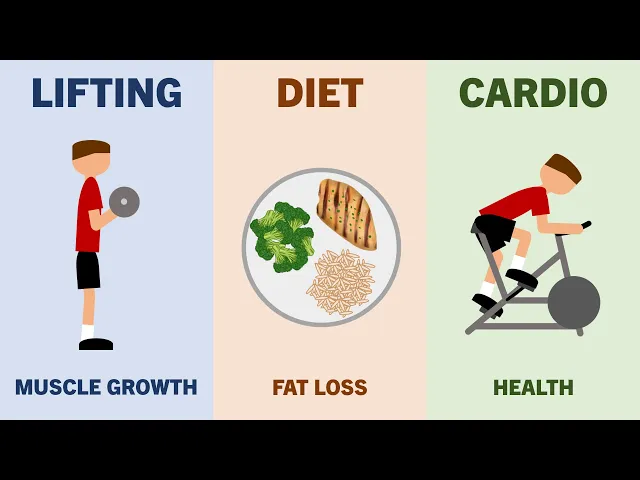
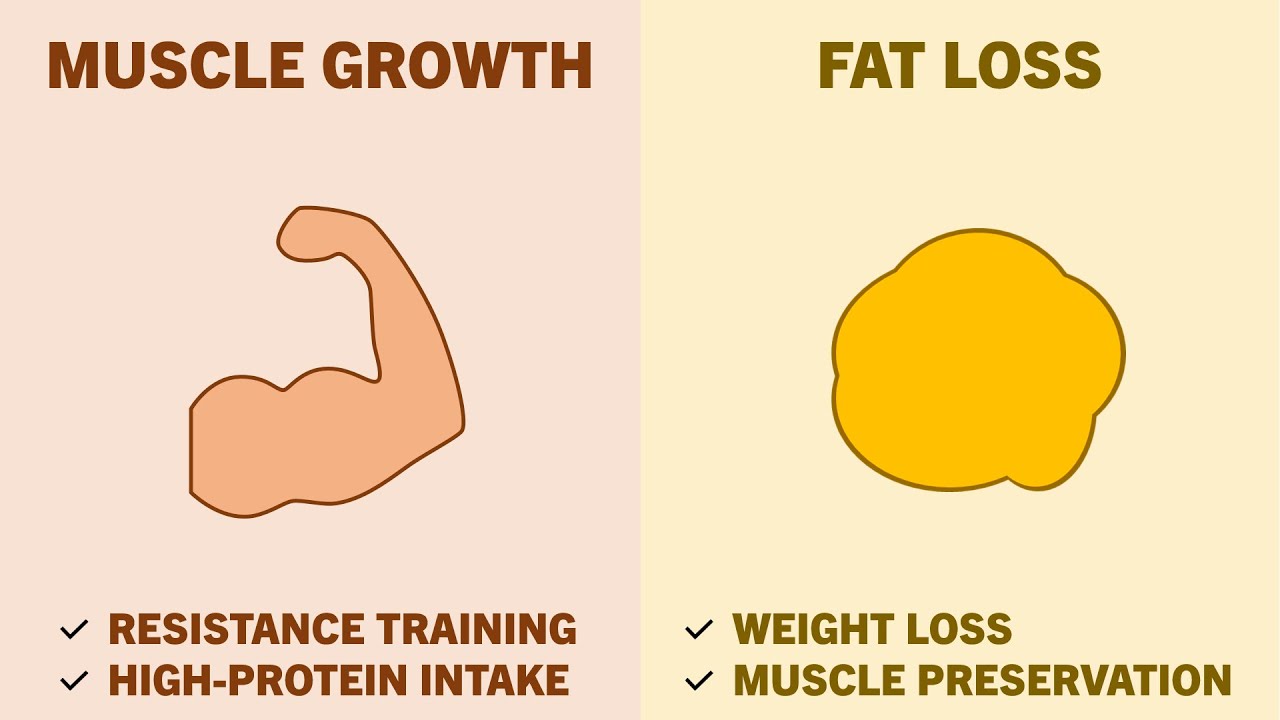
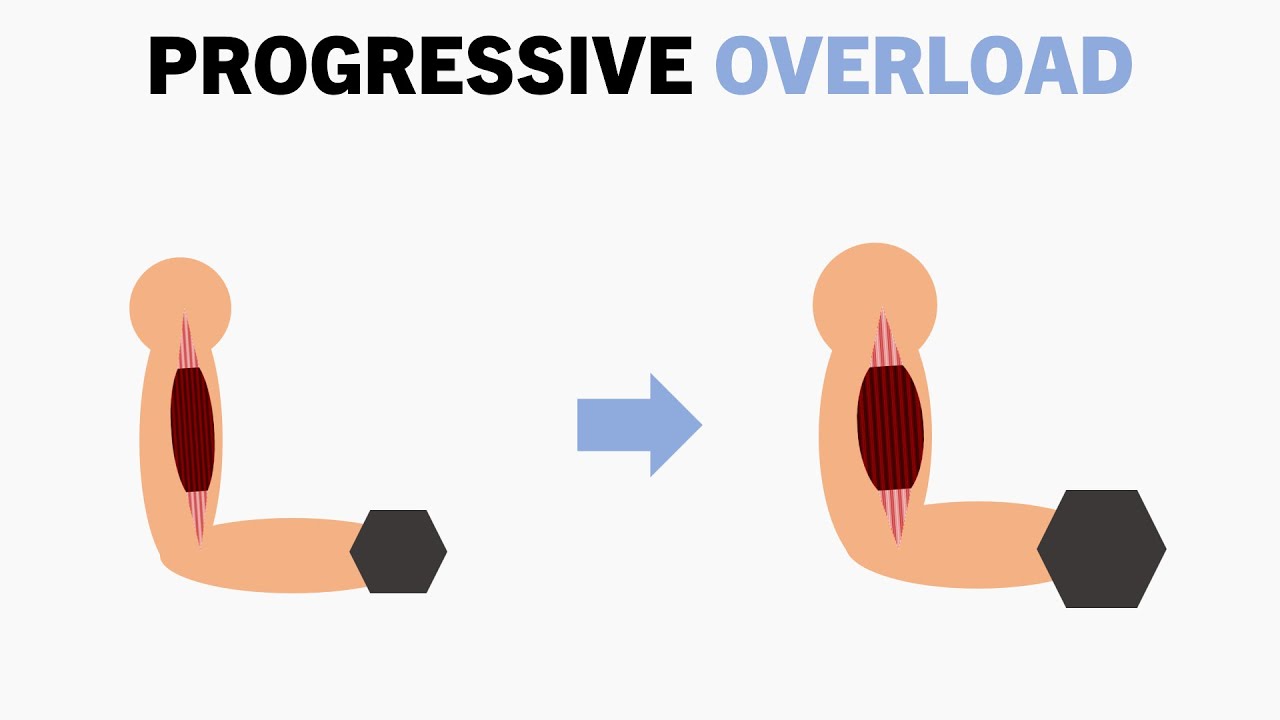
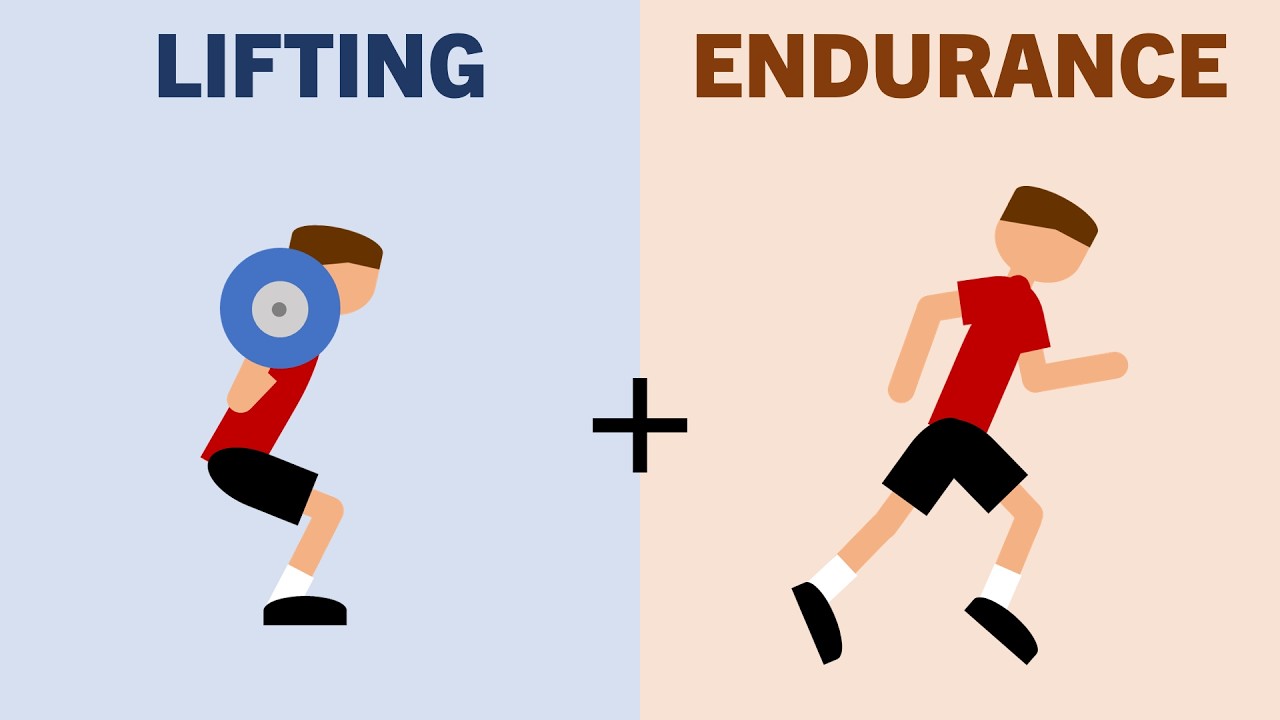
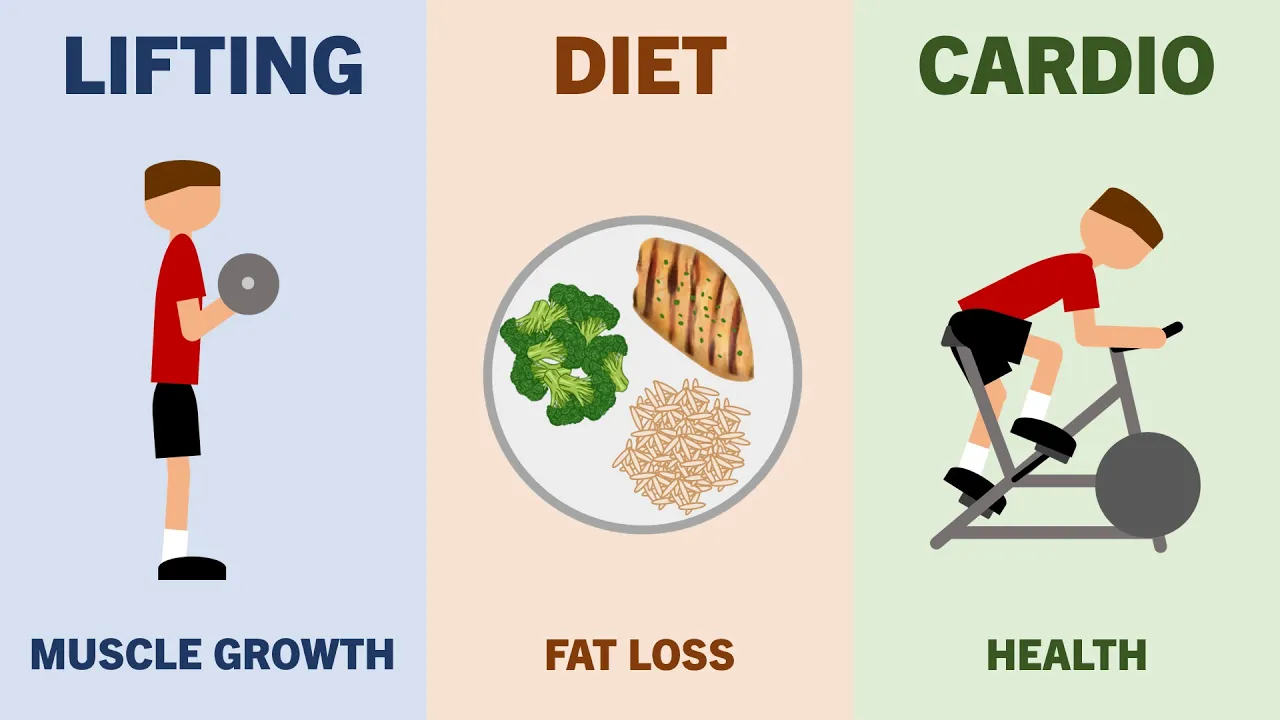
resistance training nutrition and cardio are the three primary modalities we use to enhance body composition performance and health each component is important but they all play slightly different roles in this video we will cover what each component specifically accomplishes for the outcomes we are trying to achieve first let's explore the roles of resistance training resistance training has three primary roles to enhance strength performance for muscle wielding purposes and to improve General Health the first role of resistance training is for strength gains in most cases strength usually refers to the maximum load that can be lifted for one rep in a barbell lift such as a squat or bench press however it can also refer to other tasks such as performing as many pull-ups as possible within 1 minute for example so we need to specify the exercise number of reps and technique rules that are permitted in the strength test in any case resistance training is going to be the primary way that strength is developed in terms of how to best train for strength it follows the principle of specificity in other words the more similar your training is to the competition exercise the more transfer it will have to that specific task so if you want to be able to bench press the heaviest load possible for a one rep max then you would want to perform heavy bench press training if you want to be able to to improve the maximum number of push-ups you can perform without stopping then you would want to include High rep push-up training this idea was demonstrated in this study which compared the effects of resistance training with a moderate versus higher rep range 18 men with an average of 3 years resistance training experience performs the following lifting routine three times per week for 8 weeks half the subjects performed each exercise in the 8 to 12 rep range while the other half trained in the 25 to 35 rep range after 8 weeks 1 RM Squat and bench press increased to a greater magnitude in the moderate rep group however the high rep group saw greater gains in bench press maximum reps to failure at 50% 1rm and the other primary role that resistance training can play is for hypertrophy lifting is what stimulates muscle growth in the first place this stimulus causes A disruption to biological homeostasis the system then adapts to this stimulus and superc compensates to a greater than Baseline level and over time if effective training is consistently performed long-term muscle growth can be achieved it is possible for other factors to influence the magnitude of muscle growth achieved via resistance training but they aren't going to stimulate growth in the first place for example this study compared the effects of protein supplementation with or without resistance training on muscle growth 208 older adults were assigned to different supplementation and resistance training conditions for one year one group consumed a 20 G whe protein supplement per day another group consumed protein in addition to a home-based resistance training program and the last group consumed protein in addition to a supervised gym-based resistance training program after one year the protein only group saw a slight decrease in lean mass whereas the groups who performed resistance training saw a small increase in lean mass with the gym Based training producing Superior gains so what is the best way to train for muscle growth well any form of resistance training typically produces some amount of muscle growth however to maximize muscle growth here is a brief overview of the key Training principles pick exercises which maximally stress a specific muscle group Train the muscles you want to maximize growth for with at least 10 total sets per week take each set close to failure and train anywhere within the approximate 5 to 20 rep range and lastly resistance training can be beneficial for Health and Longevity low to moderate amounts of resistance training seem to be beneficial for long-term Health however it is unclear whether High volumes of lifting are further beneficial this metaanalysis aimed to establish the relationship between resistance training and mortality risk it was found that overall performing resistance training reduced all cause mortality Risk by 15% reduced cardiovascular disease mortality Risk by 19% and reduced cancer mortality Risk by 14% compared with not performing resistance training at all however there didn't seem to be a linear relationship low to moderate total weekly durations of resistance training were associated with a reduced all cause mortality risk but high amounts of resistance training seem to increase mortality risk so it seems that even low doses of resistance training can be beneficial for long-term health and it is possible that doing too much lifting might actually be detrimental although this specific regression model was based on only four studies so we shouldn't take this too literally until we have more evidence now that we have covered the roles of resistance training let's move on to the role of diet there are two primary roles of diet for fitness goals weight management and to assist hypertrophy adaptations first let's cover weight management simply put our body weight is regulated by energy balance in other words how many calories we consume compared with how much we expend energy intake is a result of the total number of calories we consume from our diet whereas energy expenditure is comprised of three primary components basil metabolic rate the thermic effect of feeding and movement movement can then be subcategorized into intentional exercise and non-intentional movement and while there are two sides to this equation energy intake is going to be the primary way that we influence energy balance this is because energy intake is adjusted purely via our diet so we have more active control over it whereas energy expenditure is less reliable to influence the energy balance equation this is because when energy expenditure increases or decreases from one component other components also change in response this is something we will touch on soon in the cardio section in any case the net balance of this equation over time will determine our change in body weight eating more calories than we expend on average over time known as a surplus will result in weight gain eating the same number of calories that we expend known as maintenance energy balance will result in a maintenance of body weight and eating fewer calories than we expend known as a deficit will result in weight loss although weight change itself is not usually the ultimate goal rather the reason we want to change body weight is to manipulate body fat although body weight includes other tissues such as muscle bone and organ Mass the primary tissue that is gained or lost with weight change is fat a consistent deficit over time will usually result in significant fat loss while a consistent Surplus over time will usually result in significant fat gain it is usually body fat which is primarily related to aesthetic appearance Health outcomes and performance rather than body weight so diet is also the primary way in which we manipulate body fat the other role that diet can play is to assist muscle growth while resistance training is the primary stimulus for muscle growth there are some nutritional strategies which can influence the magnitude of muscle growth we experience from resistance training the two primary nutrition variables that can influence muscle growth are energy balance and protein intake as discussed energy balance refers to calorie intake versus expenditure and while this is primarily going to influence fat tissue lean mass also seems to be gained and lost to a lesser extent during a surplus or deficit respectively so if a surplus is consumed while performing resistance training greater lean mass gains will generally be observed and observationally heavier individuals will generally carry more lean mass than lighter individuals this was seen in this observational study which explored the association between body weight and body composition across nearly 500 adults heavier individuals generally had more muscle mass in both men and women however heavier individuals also had a lower percentage of muscle mass as a proportion of their body weight indicating that they also had great to body fat too so while gaining weight will likely increase the amount of lean mass gained during resistance training it will also usually increase body fat to a greater extent too this means that a deficit may be required to reduce body fat back down to desired levels at some point which may result in some lean mass losses and it isn't clear at this stage if the net total lean mass gains would be greater from Gaining and cutting Cycles compared with just maintaining body weight and the other nutrition variable which can influence muscle growth is protein intake consuming a high protein diet tends to amplify the muscle growth achieved via resistance training to a small extent for example this study compared the effects of consuming a low versus high protein diet on muscle growth during resistance training 17 women with at least 3 months lifting experience performed a hypertrophy focused resistance training program four times per week for 8 weeks half the subjects consumed a low protein diet consisting of 0. 9 G per kogam of body weight per day while the other half consumed a high protein diet consisting of 2. 5 g per kilog per day after 8 weeks both groups experienced favorable body composition changes although the high protein group saw slightly greater gains in fat-free mass and greater losses in fat Mass so how much protein should be consumed to maximize muscle growth well it seems that higher protein intakes produce Superior gains but there are diminishing returns and at some point the cost effort and personal preference of consuming more protein may not be worth the marginal additional benefits this meta analysis aimed to assess the influence of protein supplementation on muscle growth via resistance training it was found that protein supplementation was beneficial for muscle growth when total daily intake was less than around 1.
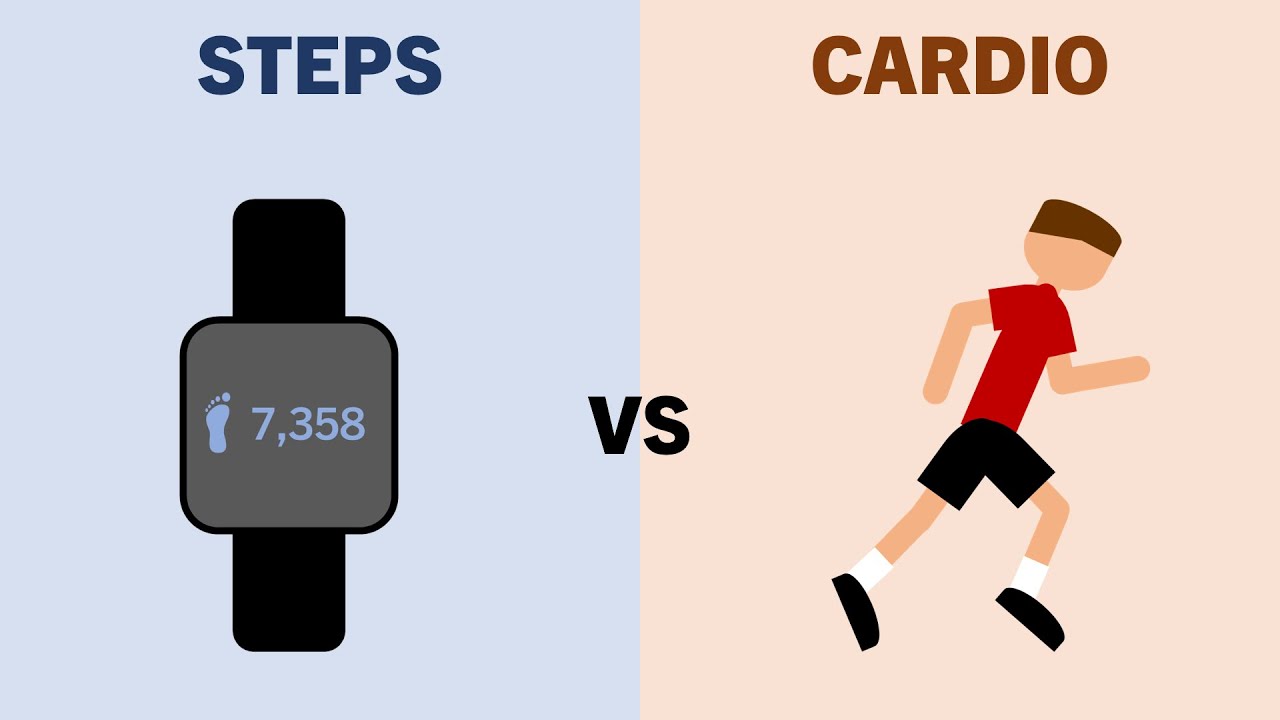
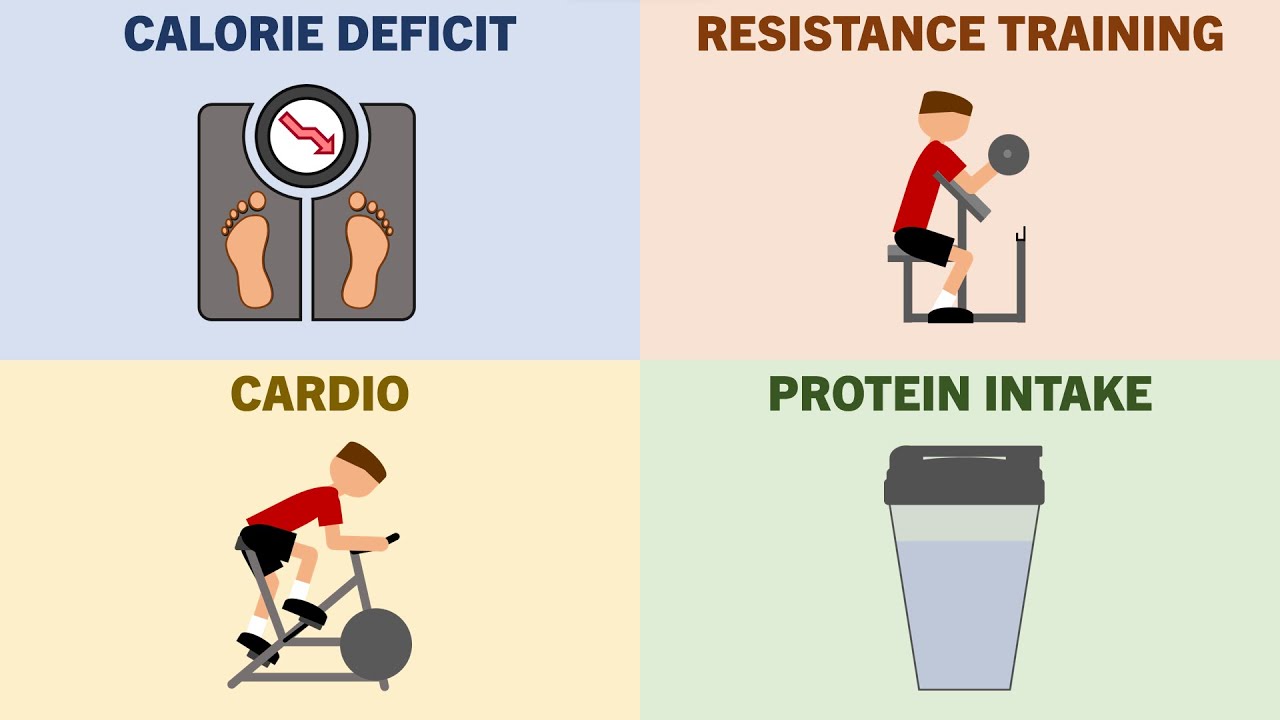
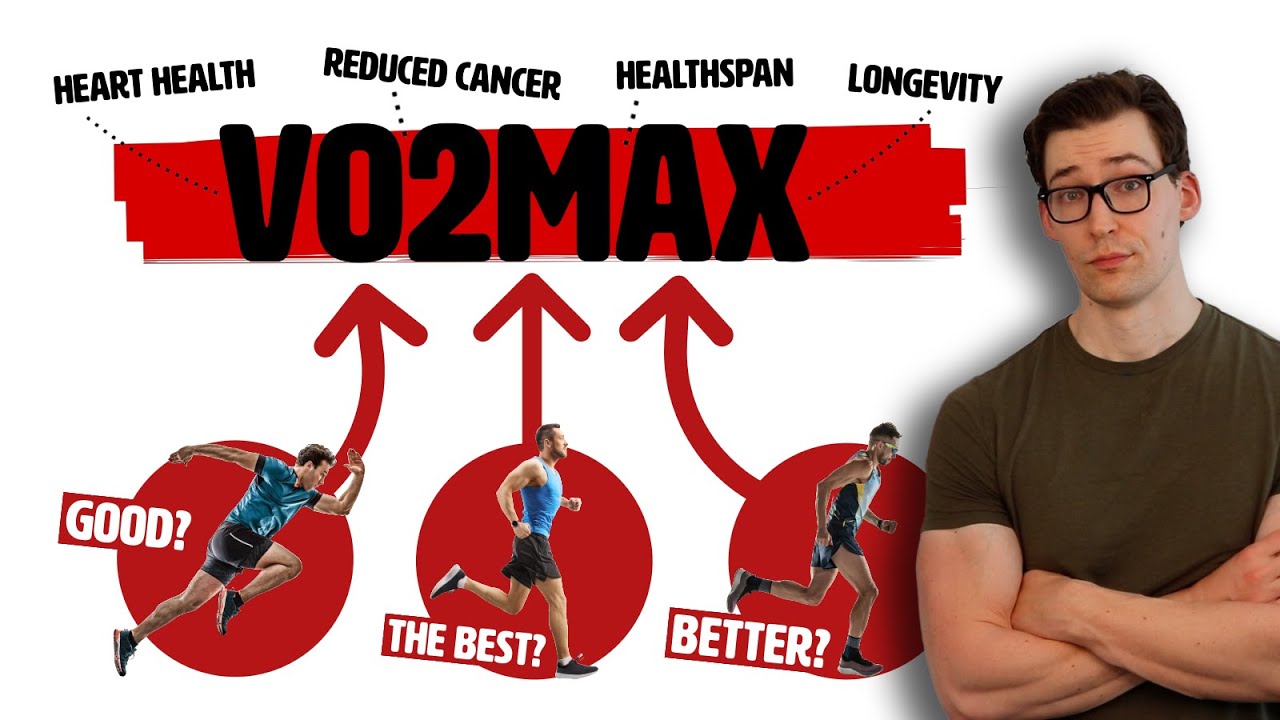
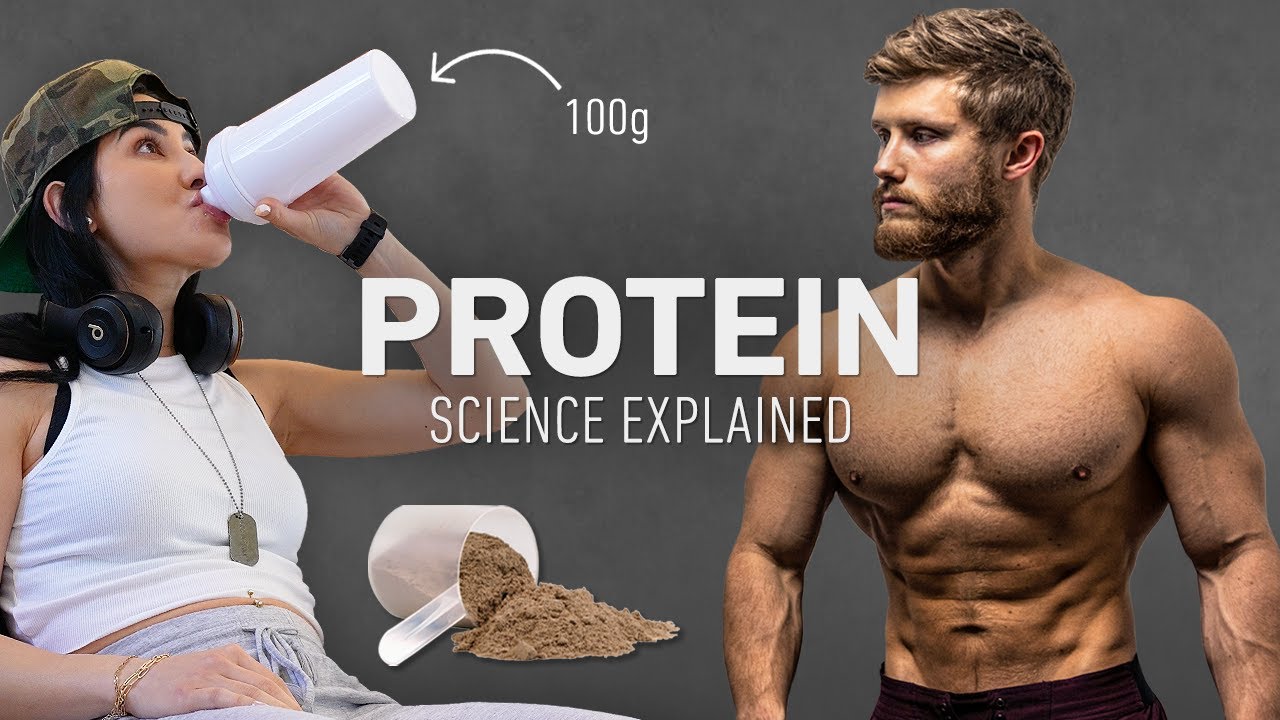
6 G per kog of body weight per day however when total daily protein intake was greater than this additional protein supplementation had minimal additional benefit so the relationship between protein intake and muscle growth fire resistance training May hypothetically look something like this more protein promotes greater muscle growth but there is less additional benefit with higher intakes and the point at which significant diminishing returns start to exist seems to be when consuming more than around 1. 5 G per kog of body weight per day and lastly let's discuss the role of cardio for fitness goals cardio has three primary roles for endurance performance for health and for energy expenditure cardio is going to be the most effective way to develop endurance performance but what type of cardio is best to develop endurance performance well in terms of improving General aerobic fitness any form of cardio is generally beneficial but for the greatest improvements higher intensity cardio seems to be particularly effective for example this study compared the effects of aerobic training at different intensities subjects performed one of either three aerobic training protocols for 6 weeks a moderate intensity longer duration protocol a slightly higher intensity but slightly shorter duration steady state protocol or a high-intensity interval-based protocol it was found that all groups improved V2 Max significantly however there were greater improvements as intensity increased with the high-intensity interval protocol seeing the greatest improvements it should also be noted that endurance performance is somewhat specific to the task or event while improving General aerobic fitness will usually help with almost all endurance-based activities there are some differences between each sport or event for example endurance for a long-distance cycling event is a little different from the endurance required for a tennis player for example this means that training for endurance performance also follows the principle of specificity in other words we want our training to be similar to that of the sport or event for maximum transfer another influence of cardio is its effects on Health and Longevity in general those who perform more cardio typically see beneficial Health outcomes so what type of cardio is best for health outcomes well it seems that basically all forms of cardio are beneficial performing more traditional aerobic exercise for example tends to be beneficial for health this was seen in this meta analysis which investigated the association between aerobic exercise and mortality risk overall it was found that performing more total aerobic exercise is associated with a reduced all cause mortality risk and we seem to achieve the majority of health benefits from up to around 2 to 3 hours per week with less additional benefits with greater amounts furthermore we also see a similar relationship when it comes to step counts higher step counts are associated with positive Health and Longevity too this meta analysis explored the association between daily step counts and mortality risk similar to aerobic exercise doing more steps per day decreases all cause mortality risk and the majority of benefit seem to be achieved by reaching around 10,000 steps per day with small additional benefits experienced when increasing step counts Beyond this and the third role of cardio is for energy expenditure purposes as discussed body weight change is a result of our long-term energy balance State and while energy intake is going to be the primary method to influence this equation we can also manipulate energy expenditure to some extent too going back to the components of energy expenditure there is really only one that we have some active control over and that is movement and exercise the more movement we do whether that is via intentional exercise or non-intentional activity will increase our energy expenditure and this is where cardio can play a role we can expend more energy via cardio to increase total daily expenditure as a way to manipulate the energy balance equation and while this is true in reality it is a little more complex this is because the amount of exercise we perform can influence the energy expended via other components more specifically as exercise increases we observe a decrease in other components this has been termed the constrained model of energy expenditure this review paper suggested that as physical activity levels increase other components of energy expenditure decrease to compensate and as more activity is performed the magnitude of compensation increases so our net total daily energy expenditure may be less than we might predict so in terms of weight loss cardio can certainly help but it probably isn't as effective as traditionally thought rather diet should be the primary method of inducing a calorie deficit rather than exercise and this seems to line up with what we observe in practice for example this study compared the effects of exercise diet or both on weight loss loss 439 overweight or obese women were assigned to either one of three interventions for one year one group performed 45 minutes of aerobic exercise five times per week the second group worked with a dietician with the aim to lose 10% of their initial body weight and the third group implemented both the diet and exercise protocols after one year all groups lost weight on average the exercise group lost around 2% of their ini body weight the diet group lost around 9% and the diet and exercise group lost the most around 11% let's now summarize what we have discussed and establish some practical recommendations resistance training has three primary roles lifting is going to be the primary method for improving strength max strength is best achieved by training with heavy loads with the competition lifts while strength endurance may be better developed with higher rep training lifting is also going to be the primary stimulus for muscle growth muscle growth is best achieved by training close to failure with moderate rep ranges with high total weekly volumes furthermore resistance training is also generally beneficial for Health and Longevity low levels of resistance training are consistently associated with improved Health outcomes but very high levels of lifting may not be as beneficial when it comes to diet there are two primary roles it plays first is for the purposes of weight management diet is going to be the primary method of manipulating the energy balance equation and therefore determining long-term body weight change diet can also be used to assist the magnitude of muscle growth achieved via resistance training a high protein intake and a calorie Surplus are generally going to enhance the amount of growth achieved from lifting and finally cardio has three primary roles first is for the develop of endurance performance any form of cardio can be beneficial to develop General aerobic fitness but for maximum transfer to sport performance you want to train in a similar manner to that of the specific sport or event second is for health benefits high amounts of cardio in all forms whether it be traditional aerobic training or simply accumulating a higher daily step count are associated with improved Health outcomes and the last role of card is for the purposes of energy expenditure cardio can help to increase total daily energy expenditure by a small amount but it is not as effective for promoting a deficit compared with lowering calorie intake via the diet thanks for watching and hopefully you got something out of this video check out Floy performance.