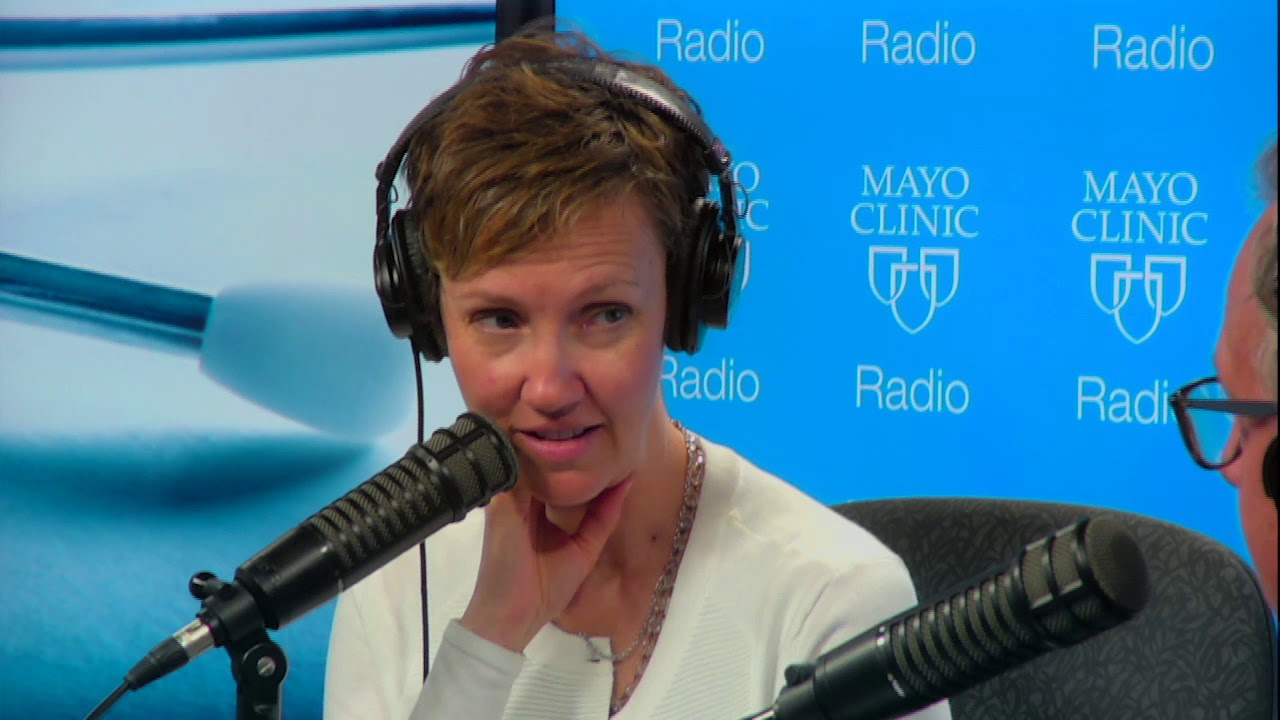
welcome back to Mayo Clinic radio I'm dr. tom chives and I'm Tracy McCray Tracy we all know how many times have we heard that exercise is good for you but the other question is what kind of exercise what type of training helps most especially when you're older say over 65 that's a little bit discriminatory people over 65 they're seasoned citizens right well a recent Mayo Clinic study says that the best exercise is high intensity aerobic exercise well it's not exactly the Fountain of Youth exercise particularly high intensity interval training encourages yourselves to make more proteins to feed their energy needs which can actually reverse some of the aging process at the cellular level dr. Shah has to do with yourselves I don't quite get somebody who knows here to discuss is the senior researcher on this study Mayo Clinic and Roy chronologiste dr.
Shri Nair welcome to the program dr. Nair it's nice to meet you dr. diary it is really good to have you on the program because this is an intriguing study that you did suggesting that you can actually well maybe reverse the aging process but you're an endocrinologist you're a hormone doctor how is it that you got interested in exercise well I'm a predominantly diabetes two three and one thing we realized pretty early is that you can improve insulin sensitivity or insulin action that way prevent on Saturday betas many people there are studies showing that the exercise alone people who are high predisposition become diabetic can be diabetes can be delayed or even prevented by an exercise program and another one is of course a caloric restriction there are the two things which has which have been shown to really delay the onset of diabetes exercise and diet exercise in keeping your weight under control that's right you can either delay it or prevent it that's right so what is as dr.
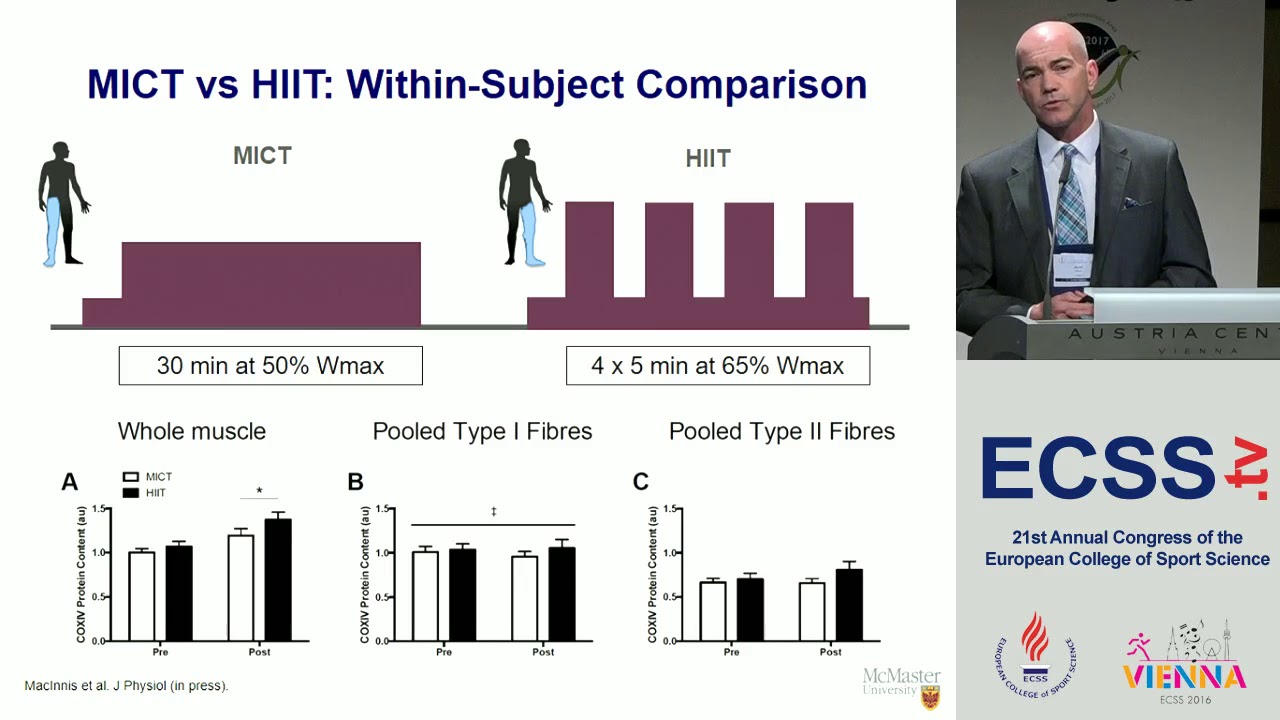
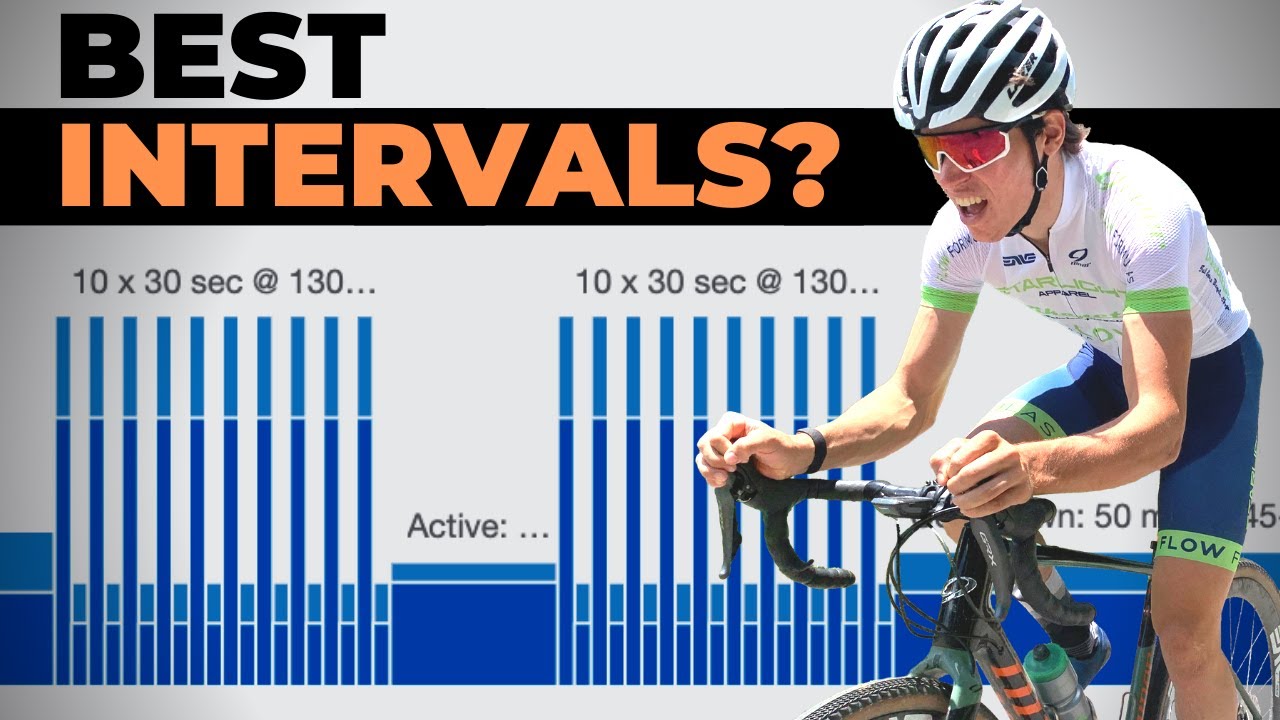
shibez was saying what do you consider to be high intense interval training or HIIT yet well let me tell you that another reason why I'm interested in exercises we know that even if you have a family history or diabetes genetic predisposition become diabetic people I mean most people don't become diabetic until they become older so one of the other things that we realized very early is almost 65% of our sugar after a mixed meal is metabolized by the muscle and we realize that with age you decline your muscle mass and we also found many years ago with age there is also decline of your capacity to convert nutrient energy to a chemical energy called adenosine triphosphate ATP that's the only form of energy cell can use it so the organelle layer for doing that is called mitochondria then mitochondria are declined with the aging and which means overall your energy requiring processes also decline so we realize that's one of the key thing happening with aging and our early cross-sectional studies have shown that when you compare with the people who regularly exercise vigorously for a long period more than four years younger people when you compare the mid people who are sedentary we found that the most of these changes we are seeing in people who are sedentary older people can be almost completely reversed by this exercise program in all the people Wow so that really especially mitochondria and insulin sensitivity you know insulin sensitivity also declined with the AIDS that can predispose to diabetes yeah pretty amazing but you also suggested that maybe if you had more muscle since 65% of sugar is metabolized in the muscle that that would be part of the regiment - yeah I think increasing muscle mass but muscle also has to be metabolically active that means I can prevent muscle loss by resistance exercise but Tim brew the insulin sensitivity but that doesn't stimulate the based on our recent study that doesn't stimulate the ability of this mitochondria which is a sort of organelle a within the cell converting my neutral energy to ATP all right so that but in order to do that that's exercise aerobic exercise yeah monkey aerobic exercise this current study we did we we want to understand what's happening at the cellular level and so that we compared high-intensity interval training that means you cannot do very high intensity continuously for a long period so there is a period interval or high intensity then you go down and do a low intensity then you go back to high intensity so that's the called interval training you go all up for a while and then you if you can you know there are various regimes of high-intensity interval training what we followed is the only 15 16 minutes of the total exercise period at these people did high intensity by biking the rest of the period was a low intensity and this was under supervision we measure that everybody did the right way and what we found was this is associated with almost 67 69 percent increase of the capacity to produce ATP by the mitochondria the muscle by older people almost a forty seven forty eight percent by younger people so one shot and then that means that you can metabolize the sugar is that well you know it turns so it you know even if you burn a few and it had to convert that energy into ATP we have found that if you are insulin resistant like women with the polycystic ovarian syndrome they are very severely insulin resistant and as a result they can predispose diabetes heart disease various problems and those people we found and even they are burning fuel there's an inefficiency converting that into ATP and what we found in the study is that you know their piece even with the PCOS you can correct that by exercise program so this study we found that capacity's Felicity's be substantially increased in all the people which was lowered to begin with and that occurred because the you know Yin D gene expression is true proteins and what we found was that the mitochondrial protein it was lower in older people that returned to pretty high level or to exercise and that's explain this increase in the capacity produce should the high-intensity interval training be is that the best exercise for people over 65 well I have to be careful about that the point is somebody who's sedentary they cannot really start a high-intensity interval training I mentioned initially this was done under supervision in the Dannebrog mplt Living Center which is in mayo under supervision of a very highly qualified exercise physiologist so all the people better do is is first there to talk to your doctor how can I start doing an exercise program slowly and steadily increasing and preferably if they can go to a fitness center get some instruction from a exercise physiologist then they can do by themselves I you know other ways you can cause injury some of the adverse effects say yeah there's no reason that they have a heart attack just to try and do this right you know you got to check with your physician but I think intensity exercise get your heart rate up pretty high pretty high that's the reason I think that way start slowly and steadily increasing so what you have done is figured out actually on a cellular level what it is about exercise that it is so good and you've also figured out that the high intensity is better than it just me medium intensity in terms of mitochondrial function insulin sensitivity when resistance exercise improve that but the resistance exercise has no impact on mitochondrial function and we also found this high-intensity interval training he enhanced with what I call a the missionary that make protein ribosome before the ribosomal proteins were increased in older people when they exercise that shows their capacities produces proteins increase all right so it's okay to it's a good idea to have a little more muscle but in order to get the full effect and in the best of exercise the best effect from exercise you need high intensity aerobic yeah I think probably what my patients I recommend is yes you had to get some instructor to introduce into that and do three days a week i density interval training two days may do the resistance training the other two days to a modest walking or something do something every day the worst thing that happen is not doing anything not doing it silently all right we got a run back to the office huh dr.