You need to step back and you need to look at this from a math basis you need to look at this as if you were an actuary and you were running a risk model or you were running a pension fund um most adults will die from one of three things they're going to die from cardiovascular disease cancer or dementia know that if you get your risk factors right the likelihood of you deferring the onset of cardiovascular Disease extends considerably up to uh greater than 10 years of extension the line that I use is you have
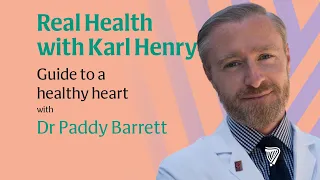
to exercise like your life depends on it because it does if you can't fit into the genes that you did your leaving certain you likely have access this real fast obesity is going to in general lead to excess visceral fat and excess visceral fat is an engine of inflammation that is a huge contributor to cardiovascular disease Cancers and dementias the following conversation is with Dr Patty Barrett Dr baros is a cardiologist and expert in the field of preventive Cardiology and everything Park related I found the conversation absolutely fascinating and very educational full of practical hints
tips and advice and how to improve your heart health and everything heart related don't forget to like and comment and share with somebody who you think could benefit from hearing party's Advice and to all those that have subscribed thank you so much I really appreciate each and every one of you and if you haven't if you could take two seconds just to hit the Subscribe button I'd really appreciate it and it really helps the channel grow thank you so much [Music] Dr paribara thank you so much for joining me I'm really excited and looking forward
to this conversation good to be here Where are you from howdy where did you grow up uh I'm originally from Galway in the west of Ireland um but currently live in Dublin and uh have kind of wandered around the the planet from East and West Coast United States to Australia and and Beyond and in terms of your childhood and your development and your adolescence and what you studied was there anything there that impacted your decision to go Into heart health and Cardiology and Medicine um I'd love to give you a a really kind of clear
compelling answer to that but I think most of that will be kind of post-hoc confabulation uh about why I chose to do it um uh the honest answer which I find even surprising is I had a dream one night that I followed a doctor around having a conversation with them asking them what it would be like to be a Doctor having previously had no aspirations to be a doctor and no one in my family being one and then I woke up in the morning and I said yeah that seems like what I want to do
and I put my head down and that's how I ended up here fantastic so it was kind of inspiration from the gods if if you like um what are the keys to a healthy life um the way I look at this is It's a math Problem um too many people get frustrated with this confusing mess that we see online in terms of should you do X and should you do y and should I have goats cheese milk and should I eat vegetables and should I you know it's it's this you know massive tactics um in
terms of how people approach this and you need to step back and you need to look at this from a math basis you need to look at this as if you were an Actuary and you were running a risk model or you were running a pension fund so you say listen okay as an adult in the developed world what is it that I am most likely to die from if I get to say 50 years and Beyond I believe 50 the causes of death are things like car crashes suicide poisoning things like that but really
when we're looking older in life um most adults will die from one of three things they're going to die from Cardiovascular disease cancer or dementia assuming that you were a non-smoker because if you're listening to this aspiring to live a longer life and you are a smoker there's something that's really not at odds here so we're kind of excluding that in terms of a cause of death so now that we have that as our our model we ask who is it that actually doesn't get those diseases and the model for that are healthy centenarians people
who live to 100 Years of age or Beyond and we ask ourselves okay now we have a model what is it that those people actually die from and what we find is is that those people die from three things cardiovascular disease cancer and dementia so the same things as everybody else the key difference between us and them is that they get those conditions 20 to 25 years later than everybody else so the model is not actually preventing whether you're going to get Cardiovascular disease cancer or dementia given a long enough time Horizon absolutely everyone will
get one of these conditions the model is about trying to understand what are the risk factors that lead to these conditions because the healthy centenarians have typically some kind of genetic Advantage but what can we do in terms of modifying the risk factors to delaying the onset of these diseases and then extending Our Lives not just in terms of the duration Of our lives but also in terms of our health span so that the time period of Our Lives when we actually have our functional and cognitive capacities intact and the most likely reason you are
going to have a decrease in the quality of your life is because you've developed one of these major chronic conditions so that's the model it's about trying to understand this as a math game and playing the game of Risk behind that Um so what is significant in terms of a person's age when when do they move into is it 40 years of age is it 50 years of age when do you start really focusing on heart and cardiovascular health and really paying attention to it the answer is now at whatever age you are the answer
is now and the reason I say that is that while heart disease tends to appear suddenly in people who are say 60 and 70 years of age that process has been Building up for years decades prior if you go and look at autopsy studies of say soldiers who were coming back from the Korean War and these are people who would have died in combat so non-heart related conditions approximately 60 to 70 percent of them would have already had on autopsy the early stages of plaque buildup this finding has been borne out and replicated over and
over and over again criticisms of those early studies would Have been that most of them would have been smokers for example but again when we look at heart transplant recipients in terms of who are acting as the ostensible healthy donors when you look at their coronary arteries under a microscope you can see that plaque in its earliest stages is already building up we know that in children and we know that even in newborns when we look at their coronary arteries under a microscope when people who've Kind of died of non-cardiac related issues often the earliest
stages of plaque development have begun so this is a process that begins immediately and that is why the time to start thinking about your heart health in terms of optimizing your risk factors to delay the onset of the condition is now um you mentioned plaque buildup um how early in a person's life does not start are you saying it starts literally straight away so so I Guarantee you that the probability of you having some form of plaque buildup if we were to look under a microscope when you're listening to this podcast means that you probably
already have the earlier stages of plaque Builder so it is a progressive condition and you need to think of this like speed so everyone is accumulating plaque throughout their life in their coronary arteries and we always have to think of three categories we have to think about risk factors that Lead to that deposition of plaque and how fast it's going to accelerate we have to think about the plaque itself which is the disease and then we have to think about the problem uh that actually arises from the plaque and that is a hard event like
a heart attack or a stroke and as you know foolish as it sounds you cannot die from a condition that you do not have you certainly kind of had a heart attack or a stroke in in the sense of a plaque rupture if you do Not have a significant amount of plaque so therefore you have to say well listen my objective here then is to avoid a heart attack by minimizing the amount of plaque by minimizing my risk factors that lead to the onset of that plaque now the reality is is that if you look
at most K series of populations over time there's a rough average about how fast people will accumulate a plaque over time so as you get older plaque accumulatively increases in time And we know this across multiple multiple case series there are certain individuals who have say certain genetic variants that that make them immune to that in terms of they can have lots of risk factors but they tend not to develop a significant amount of plaque but again those people are kind of are rare in general and then there are others who actually have other risk
factors from a genetic perspective that are meaning are kind of giving us this This situation where they're laying down plaque much earlier than uh compared to someone who will be an age match peer and they're going to be at much higher risk of a heart event much earlier in life and what most people don't realize is that if you look at the single biggest risk factor for heart disease is age the older you get the more likely you are going to have a heart attack but if you look at the number of heart Attacks that
happen on an annual basis more than 50 percent of those heart attacks happen at age less than 65 for males and approximately one-third for females now the reason that doesn't make intuitive sense is that there's just way more younger people than there are older people so if you look at say one percent of people under 65 having a heart attack numerically that's just a huge number so this again speaks to this idea that the people who are say 60 years of age and Having a heart attack plaque in their arteries didn't become an issue for
them at 64. it happened years and years and years prior and it's only reaching its its culmination points at that time and how would you investigate is there what kind of diagnostic model do you have for discovering your kind of plaque levels in the system and what treatment can can somebody seek now if you like so there there are models that we use but Um we always need to be mindful of of two factors one is is how old you are and how likely in general you are to have plaque so uh if you take
say a an 80 year old male and if you were to look at their coronary arteries the overwhelming majority of them will have some degree of plaque Builder the second thing you need to consider is somewhat the inverse of that is how many life years does that person likely have remaining so if I went and I looked at a 30 year old you know male or female for that matter um and just say they had some risk factors a little bit of high cholesterol and they had an early family history of heart disease and there
are certain tests we can do in terms of scans that we can talk about that showed a very small amount of plaque in their coronary archeries and when we see a plaque in the coronary arteries on a scan that means it's very Advanced plaque this Isn't early stage plaque this is plaque that has gone through several stages of development potentially has even kind of ruptured and healed and left this signature Mark of calcification in the coronary arteries as a repair mechanism now you can look at the coronary arteries in say this 30 35 year old
male and you can say well there's only a very very small amount of plaque and that's true it's a very small amount of plaque but it is way more plaque than we would Anticipate compared to an age match Pier so always we have to be asking ourselves we have to look at the risk factors that go into the development are they being optimized and we know that if you get your risk factors right the likelihood of you deferring the onset of cardiovascular disease extends considerably up to uh greater than 10 years of extension um so
it's typically going to be looking at things like blood tests which are Standard blood tests and more advanced lipid testing or genetic cholesterol testing or metabolic marker testing then you'll be looking at Biometrics things like your waist circumference and you're looking at a visceral fat content you're looking at functional capacity in terms of your VO2 max or lactate clearance thresholds then you're looking at certainly around Imaging tests that the most commonly used is something like a cardiac CT which is a CT scan looking Directly at the coronary arteries to say yes or no do you
have any evidence of plaque in your coronary arteries but interpreting those texts always requires context of thinking about where will you be compared to an age match peer what is I think you mentioned it there already but I just want to find out from yourself what is a person's LPA levels and how does it impact risk okay so LT little a is the way we pronounce it is what's called LP little a it is the the Nomenclatures here can get quite confusing but it's called LP little a or lipoprotein little A lipoprotein little a is
is a modification of of standard cholesterol so if you think of standard cholesterol particles so they're like a tennis ball this tennis ball has a tail um and that tail is the the lp little a tail what we know is is elevations in LP little a so the number of particles with the tail are super common and probably The most common genetic cholesterol disorder there is on average it affects about one in five people so I guarantee you you know someone who has it um or there's a kind of a reasonably good chance that you
have an elevated LP literally it is frequently last tested and is a very common reason for early heart attacks and it is a genetic cause so when I hear the story of dad had a heart attack at 50 and his brother had a heart attack at 50. I'm thinking Elevated LP little a and so often people will present to hospital with a heart attack at a young age they'll say listen it's just genetics there's nothing we can do about it but in fact many of these people have elevated LP little a and this is somewhat
an offer of an explanation and also a therapeutic Target in the future um what is happening when people experience palpitations or even perhaps irregular heartbeats So palpitations are put simply the awareness of your heart beating if you lie down at night time and you hear your own heart beating or aware of your heart that this the the symptom is called a palpitation and palpitations are more often than not benign phenomenon so people can have some extra heartbeats some people are more aware of them some people are less aware of them but it is it is
an awareness of the beating of your heart where palpitations become Problematic is when you get a disturbance in the electrical activity of your heart and the goal that we're always trying to achieve is to match an electrical tracing with the symptom that you have of palpitations now palpitations are are to do with the the electrical system in your heart and when we are often referring to heart disease or what we have been talking about so far is more often about the plumbing in terms of build up a plaque in the Coronary arteries and they're somewhat
kind of different there is a relationship between the two and you know but we always have to be careful about kind of categorizing each condition we tend to use this umbrella term of heart disease but when in fact heart disease can Encompass thousands of different conditions um how significant a risk factor is inactivity lack of movement lack of exercise The line that I use is you have to exercise like your life depends on it because it does um we have no greater risk input and modifier than exercise the evidence here is overwhelmingly clear in terms
of extending not only lifespan not only preventing diseases but also increasing Health Span in terms of your functional ability uh what you will be able to do as you get older in life we know that if you take people who are in the top five Percent of physical fitness in terms of aerobic measurements so this is looking at something like VO2 max and when I say top five percent I don't mean Olympic athletes I just mean a normal population and take the top five percent and then compare them to someone who's in the bottom 25
of physical fitness and to be quite Frank when you actually look at the figures that constitute the bottom 25 that number is actually growing um over time and you compare those two Groups and you look at them over the next 10 years the people in the low physical fitness group are five times more likely to have died when you put people in the top 25 person at the bottom 25 the difference is a four full difference there is absolutely nothing else we have in medicine that Constitution that magnitude of a change of benefit in terms
of risk reduction in mortality risk reduction in chances of dying from Anything risk reductions in heart disease cancer dementia you take it and the reality is is that most people are not hitting their exercise targets all of us are busy all of those are are struggling to to actually get the time to do it but the line that I use to myself and to all of my patients is that physiology doesn't care about your schedule and whether and if you're not doing it you're not going to constitute or you're not going to get those those
Gains that are potentially on the table and that's why I always say that you have to exercise like your life depends on it because it does most people um as they grow older will also experience a commensurate level of stress in their lives they have kids they have mortgages they have marriage maybe they move into middle management etc etc what is the biological and chemical processes that are happening When people experience high levels of stress either momentarily over extended period of time and how does that affect and impact the heart so we always have to
be careful about our our terminology here stress is the maladaptive response to adversity um when I hear an alarm a car alarm going in a car park the alarm in and of itself is not stressful it is my physical response to that that is the stress so how we navigate the adversity In our life the adversity that will always come the flood will always arrive is about how we navigate stress um and so then when we look at those responses we know that we're conditioned to deal with generally short-lived kind of acute responses an alarm
goes off we need to move that's how we stay alive the the challenges really arise when you you result in a situation where you have low grade chronic stress and that is this continuous background stress that That often your your job or life actually entails we know that typically higher levels of stress are experienced by those in lower socioeconomic brackets and that's cumulatively for all the combination of reasons can take about 10 years off your life one of the challenges is when we're looking at stress is that there are both intrinsic issues related to stress
and then there are the the secondary Downstream consequences we know that People who are experiencing regular stress are more likely to have abnormal sleep patterns they're more likely to have higher cortisol levels they're more likely to have higher blood pressure and all these things that lead to cumulatively over time increased risk of cardiovascular disease but one of the bigger issues that I think is that when people are chronically stressed if you look at their their cognitive well-being the Likelihood of their sleep going starts to deteriorate if they're not sleeping right they're likely more stressed if
they're more stressed they're less likely to hit their nutrition Targets in terms of what they should be eating and they're also less likely to hit their exercise targets and we know that fundamentally when we're looking at this this the the the base of the pyramid that holds up all of our health it's made up of four primary pillars and that Is exercise nutrition sleep and stress but the problem is is when you get stress wrong you get sleep run and when you get sleep wrong you get exercise wrong and then you also get nutrition wrong
and then all the things that hold up the the basis of all of your health fall to pieces and you are only left with medications and procedures which sometimes are absolutely necessary but the reality is they shouldn't be seen as a substitute for a base Foundation of Optimizing those four pillars and stress is key to those um okay a combined lifetime reduction of systolic blood pressure and LDL cholesterol can reduce a person's Risk by up to 78 I know we've touched on it because could you just expand on that statement again there for me okay
so what this is referring to is is cumulative lifetime exposure to low Levels of say low cholesterol low blood pressure and the the easy way to to think about this is what would happen in the inverse if I treated it and reversed it so you take someone say who's got high cholesterol say a 40 50 year old male and it's moderately high and I lower their blood pressure by one point or you know a couple of points or I lower the cholesterol by a kind of a small degree the likelihood of that making a major
Difference at a young age to their risk of a heart attack over say a short time Horizon is low but the magic of compound interest applies you get exponential gain from that so that if you make the changes earlier the gain magnifies so for somebody whose cholesterol that you lower at a young age and then you track them out to say 75 years of age so Now we're looking at like 35 40 year time Horizons their risk of a heart attack has now gone from 30 down to three percent and so this is where you
see a lot of this confusion about say certain interventions and typically they're talking about drug trials is that it made very marginal difference the risk reductions were very small true the risk reductions are very small over very short time Horizons but the Magnitude of benefit magnifies and changes exponentially and so when people are thinking about cardiovascular risk they're often looking at data that is pointing to say five-year reductions in risk and five-year reductions don't interest me I'm interested in 50 year reductions I'm interested in the remainder of your life and so this is again this
is the phenomenon of compound interest small changes small benefits made early on in life compound and Magnify into big benefits later in life just the same as you actually have with a pension fund for example but the inverse holds true small changes in the wrong direction magnify and amplify in an exponential sense into increasing risk um coronary heart disease is incredibly complex but prevention is not VO2 max muscle mass and strength when it comes to strength right and and Physical strength we hear about grip strength and stuff like that what is happening there with strength
if you can expand on that a little bit so when you look at this uh this literature that the relationship between muscle strength and chronic diseases and lifespan is very clear um often we have to pick a modality that we're going to test so if you look at grip strength for example so there's Special testing devices called a dynamometer that you can basically grip and it will measure the amount of force that you can generate it's not that a higher grip strength in isolation so simply training grip strength makes you more likely to live longer
it's that if you have higher grip strength it is a marker of overall strength and body strength and so this this marker of strength is just the grip strength is the easiest to test but it's Not just about kind of if you spent your days training your grip strength it's it's a proxy marker for all the other strands it's also likely to be a proxy marker for muscle mass and so we when you look at people's trajectories of muscle mass and muscle strength over time it will typically peek out around you kind of your mid-20s
or so will stay kind of relatively high but will start to decline kind of slowly over time and then once you get to 75 years of age it Just falls off a cliff so those initial reductions in muscle strength and muscle mass throughout middle life tend not to be that noticeable but once you actually then kind of Hit the later Decades of your life you get this rapid Decline and so what you have to ask yourself is is that when I get to the the the final decade of my life the final years of my
life what is it that I want to be able to do and so if you're so for me my objective Is is to be able to walk through an airport with a carry-on bag bring it onto the aircraft and then put it on the overhead Locker by myself so that requires aerobic capacity it requires agility Mobility flexibility muscle strength Etc to be able to do that and that is a very good kind of real world test but we know that you have to Future discount so if that's what you want to be able to do
at age 85 you have to be able to do so much more At age 50. so this is where people will will often go for a test and they'll say it's no problem you're doing just fine you're doing just average no one should be aiming for average if you're aiming for average you're aiming for an as a male a heart attack at 65 and a female a heart attack at 72. average is not a good Target and if you're aiming for average you have to look around and look at all the 85 year olds we
know and we'll say I'm going to aim for average In that group so if you want to be above average when you hit age 85 from a functional Independence Point of View number one you have to be alive and number two you have to be able to be functionally independent also cognitively independent if you want to do that you have to build a huge Headroom in advance and be able to Future discount that loss um most people torture themselves trying to Lower their cholesterol they don't need to can you explain this is this is a
this is a common frustration that I will find in terms of one of the the recommendations that that are made and this is a correct recommendation when someone has high cholesterol is they should modify their their diet in certain ways to reduce it and for some individuals they will have high cholesterol for dietary reasons Um you know they have significant excess weight reducing weight will reduce cholesterol modifying your diet reducing say saturated fats for example will reduce your cholesterol but there's a huge percentage of patients who have genetically elevated cholesterol and the the actual the
magnitude of change or benefit that you're going to make uh by changing your nutrition alone is not going to be sufficient to get you to the lower bound Target that we would Typically aim for so while I think having a good diet in terms of optimal nutrition is a really key pillar of living longer and preventing heart disease you have to ask yourself is it the appropriate tool exclusively for lowering cholesterol so it will get you some of the way there but the question is is for many people who have genetically high cholesterol it will
be inadequate in isolation to get there so I often have patients who have Genetically high cholesterol and are told by various different uh people that they need to keep working on their diet and keep working on their diet and keep working on their diet and they come back and they do everything right and they've really stripped down to the core Essentials and their cholesterol has come down a little bit but not substantially and they get super frustrated and they feel like they have failed the reality Is is for some individuals it will work for some
individuals it will get them to that lower bound but for many people who are genetically elevated cholesterol it will not be adequate in isolation and they're going to need additional tools often medications to get them to the lower bound um what are the comorbidities conditions that might lead to an elevated risk of heart attack so I'm thinking if somebody were to be Diagnosed with diabetes today should they be optimally concerned or really very Ultra cognizant of heart disease or some other condition so if you if you follow individuals over about a 25-year period and you
look at the people who have diabetes versus don't have diabetes they're about 10 times more likely to have a heart attack um and that difference is not subtle or small if you have diabetes um you have a very significant risk Factor and when we think about diabetes and typically here we're referring to type 2 diabetes that kind of happens later in life nasty autoimmune condition that happens say in kind of in childhood um the reality is we have to think of a scale of insulin sensitivity and what I mean by this is someone who is
who is type 2 diabetes is on the very far end of the scale of insulin resistance in terms of their very insulin resistance They need typically need significant amounts of insulin to get glucose into their cells Etc and then but as you move back down the scale in terms of then you have pre-diabetes metabolic syndrome insulin resistance and then insulin sensitivity on the The Far Side and so where everyone exists on that Continuum from being very insulin sensitive insulin resistance metabolic syndrome to diabetes and so you just have gone to the far end of that
scale In terms of insulin resistance and we know that having insulin significant insulin resistance in the form of type 2 diabetes significantly increases your risk of heart disease Cancers and dementias the three leading causes of death so if you're playing a game of odds and you're going into it with that handicap you were you're really setting yourself up for very serious difficulties now some people will have genetic predispositions to developing Type 2 diabetes that is undoubtedly true especially as they get older in time but for the majority of individuals who can maintain their normal weight
maintain muscle mass and are exercising to a high Fitness level the likelihood of diabetes is exceptionally small wow okay that's very interesting um so it's something that is within your control essentially most of the time Um you mentioned diet there before there are lots of fads relating to diet right um we hear about keto etc etc would you be able to point to one diet is it a balanced diet what what is your perspective on diet and nutrition um I think in general what you have to say is what it what is my goal with
my diet are you aiming from uh your nutrition perspective to stay the same weight If you gain weight or to lose weight and when we're talking about lose weight really what we're talking about is reducing visceral fat which is the fast in your abdominal cavity that really is the engine of inflammation so for most people when they talk about diet they're really talking about losing weight is what they're talking about and that the conversations around kind of gaining weight and staying the same way tends Not to kind of come into the equation as much so
really what people are talking about is losing visceral fat and fundamentally you have to ask yourself if you're going to lose visceral if you're going to lose mass and that would be a combination of fat and lean tissue you have to be in a caloric deficit and you can work out your your caloric requirements in terms of a simple calorie calculator you just stick it into Google and you say listen This is the amount of these are the amount of calories that I can consume the and therefore I'm going to be in a caloric deficit
and then I will start to lose weight you then have to ask yourself based on my body mass in terms of what I'm trying to do and my degree of exercise uh frequency what is my protein requirement and again there's a simple calculator uh that will actually work out your protein requirements and for most people who are doing everything Rise it's about 1.82 grams of kilogram body weight that protein requirement will have a caloric cost which gives you then a Delta between what is your total and then what have you spent in terms of protein
and the rest you fill in with fat carbohydrates and alcohol and for the most part I am fairly agnostic about how people then fill in that Gap as long as they get in uh in range of their caloric Target so pretty much every single diet book ever written is about How you fill in that Gap but fundamentally all of them lead to the same Terminus if you're trying to lose weight you need to be in a caloric deficit you need to maintain your protein requirement and then you actually fill in the The Gap so if
you want to do kind of fill in the Gap with low carb sure go ahead just keep an eye on your cholesterol levels make sure that it doesn't actually Skyrocket which is a case over about 30 to patients if You want to do low fat sure go ahead just make sure you're hitting your calorie targets and your protein Target if you want to do vegan knock yourself out just make sure you're hitting your targets if you want to do vegetarian knock yourself out so the reality is is am I hitting my calorie Target am I
hitting my protein Target fill in the Gap is there any um perturbations in terms of your lab work if there is Pivot and change So you would have quite an open you'd be quite open there you're not recommending one specific diet over another um you mentioned visceral fat right so I'm in my 40s I would be I do a lot of intermittent fasting I won't eat till three four five o'clock in the afternoon three or four days a week to keep myself slim but I kind of got alarmed slightly there when you mentioned the words
visceral fat because it's not something that I pay attention To at all um how can we address that how can we measure it um so visceral fat is so there's two types of fat when people talk about fat they're you know we need to be careful in terms of the distinction between the two the fact that is on your your side or on your buttocks that is what's called subcutaneous fat um that may not be pleasing to certain people in terms of how they like to Appear but it adds very little in terms of cardiometabolic
risk it is the fat that is in your abdominal cavity that sits in your main organs like your liver your pancreas and around your major organs that is the engine of inflammation so this is why waist circumference tends to be a better predictor of risk than weight or body math index because it is a better proxy marker of the amount of visceral fat that you have and everyone has differing Stores and so far as that you're going to be making depositions into your subcutaneous path stores and your visceral stores and there are some people who
just have huge subcutaneous stores they can put pretty much all of their fat into the subcutaneous stores and very little into the visceral stores and so they might be significantly overweight by traditional metrics but in terms of biochemically they're not that particularly unwell right now we know That over time that they do tend to become kind of more biochemically unwell but then there's the inverse of this of this scale in terms of and we typically see this in in Asian populations where their subcutaneous fat stores are incredibly small but so when they start to gain
fat a small amount goes into the subcutaneous fat that store is completely filled and then everything else goes into the visceral Flash and then they get horrible cardiometabolic Consequences so these are you know what people will kind commonly referred to as kind of 10 in the outside fat on the inside what you're really concerned about with weight I don't care cloth weight anyone is I have zero interest in terms of what their weight is my consideration is is the waste that you have deposited in excess in your visceral cavity and is it causing a biometabolic
consequence in terms of your ability to Dispose of glucose and be metabolically flexible so the thing is is that sure knock yourself out change your weight around how you appear that's fine but if you're interested in preventing chronic diseases the focus exclusively has to be the minimization of visceral fat content and its uh knock-on effects in terms of your cardiometabolic testing and the the main measure I mean that's what one can do at home would be checking their circumference their Weight circumference correct so a simple tape measure uh around your uh your waist um sorry
your abdominal cavity so that's around your belly button um I'm going to get this uh potentially wrong so people should just Google exact figures I think it's 35 uh greater than 35 inches for males and 40 inches for for females that's not your your Gene size it's the size that is around your abdominal cavity um so you know this is this is why we're Actually kind of measuring up around the the level of the belly button that that is a fairly good boxy marker for that and that will kind of have high sensitivity and so
far as if that if that figure is breached the likelihood of you having significant visceral fat is high there are more advanced uh testing that we can do uh looking directly at it with searching Imaging tests the best in class or CT scans and MRIs but I'm using a dexa scan is Probably the kind of the easiest most effective way to do it there are proxy measures that most will estimate in terms of looking at that visceral cavity and the amount of fat Mass there and the certain ratios that you can use the some dexa
scanning Technologies there isn't any in Ireland at the moment uh use visceral adipose tissue algorithms to actually give an estimation of the amount of visceral fat mass or or areas um but again so there's there's Increasing levels of um of sophistication but I think one of the the easiest ways to to do this and people get really frustrated uh when I say this but it just actually happens to be true is that if you can't fit into the genes that you did your leaving certain you likely have access this real fast and it's just and
so the thing is is maybe you can't but there's no biomedical concept you know biomedical or biochemical consequences from that And that's great you're just putting it all in your subcutaneous fashion kind of it's it's not an issue um but the reality is is this is the the big problem when we talk about the the issues with obesity um obesity is going to in general lead to excess visceral fat and excess visceral fat is an engine of inflammation that is a huge contributor to cardiovascular disease Cancers and dementias the three leading causes of Death um
And to clarify there so we're saying 35 inches we take the measuring tape around the belly button the circumference of the body anything below 35 35 inches were relatively happy for men anything below 42 were relatively so no we'll so so 35 uh for females 40 for males again I'm going to just double check that exact figure in terms of just sticking into Google what that says is Is that if you're above those figures the probability of you having access fat is very high boss the reality is we know there are people who are relatively
normal weight circumferences that actually have significant amounts of visceral fat based on whether they're not able to deposit into the subcutaneous thought stores and everyone's everyone's set point there is is difference is different Okay um how do the seasons affect a person's health so just like everything else uh you know our our biochemistry everything goes in season and we spend more time indoors Outdoors we know that as the winter rolls around and it is cold our blood pressure will rise when we're younger that rise is small but as we're older and that rise in difference
can be up to 10 millimeters of mercury which is a Fairly significant difference in terms of your systolic blood pressure um and so throughout the the year your blood pressure will rise and fall we know that during the summer months and particularly if there's hot weather your nighttime blood pressure starts to to increase it's typically not as a function of kind of direct exposure to to temperature but it's it's poor sleep often uh that people are kind of as a consequence of the higher temperatures They tend to have higher nighttime blood pressures we know that
on average we walk about a thousand less steps uh per day uh during uh colder months but also very very hot month we tend to walk less and less movement equals kind of higher risk and so there is this uh this Rhythm to it and the evidence is always hard to exactly pin down but we know that when the clocks change and people lose about an hour of sleep there's about a 24 increase in the risk of heart attacks And then when the clocks change back and people gain an hour of sleep there's a reduction
in the risk of heart attacks but that gain or reduction is not as significant as the the increase that that happened so net Nash the uh daylight savings potentially is causing uh more heart attacks than it's preventing foreign what really causes heart attacks and their misconceptions I think we we we touched on some of that stuff before in Terms of a major misconception is there anything you would you would say about heart attacks what causes them there yeah and so there's a big difference between heart disease or plaque in the arteries and a heart attack
the the this is the story that pretty much most of your listeners will have heard um Johnny Goes to see his doctor or his cardiologist he had a stress test he quote unquote passed it with flying colors and then he had a heart attack a Week later how is that possible and that is absolutely possible with the test not actually missing anything the reason is is that plaque in your coronary arteries the the assumption that most people make around a heart attack is that if you think of a a tube and it just the plaque
builds up and the artery gets progressively narrower and narrower and narrower until it reaches the point where blood will no longer flow and then the artery becomes completely blocked You have no blood flow in the artery and then the heart muscle dies Downstream of that that is what most people think a heart attack is so therefore if it's a progressive narrowing condition that if you did the stress test the week before surely it would have detected it in time to do something to actually prevent it that's not how it happens and it's really important that
people understand this distinction if you look at the plaques that cause heart attacks about 70 percent of the time they are not actually large enough to cause any degree of flow obstruction in the artery so you can have a plaque of say 30 narrowing that's just sitting there but if it's gel filled an unstable plaque or this kind of this lipid-rich core it can rupture that rupture explores exposes the contents of that plaque class begins to form on top of that and it so it then suddenly blocks the artery so therefore you have this 30
plaque it can rupture Platforms now you have a heart attack but if you got that same individual with a 30 narrowing or plaque and you put them on a treadmill to do an exercise stress test uh the week before or even the day before there would have been no abnormalities detected so we really have to understand that that heart attacks are the reason that they're so abrupt and that they happen so quickly is that it's to do with this acute plaque rupture Fascinating okay um how do you collaborate as a cardiologist with other Health Care
Professionals such as surgeons or primary care physicians in managing cardiac patients so what I would say is you need to extend the net even kind of wider than that if you look at the four pillars that drive the optimal changes in cardiovascular health it's going to be nutrition exercise sleep and stress so That means focusing with people who are dietitians who can help people uh modify their dietary strategies or actually introduce other additional measures for weight reduction that is exercise working with people who are able to take people through a structured program of increasing their
aerobic fitness increasing their muscle mass and muscle strength and so they can get back on track to where they are working with people who can help people in terms of Improving their sleep that can be a simple you know just kind of instruction PDF to actually tidy up the the core issues that people find challenging which works most of the time to working with cognitive behavioral therapy Professionals for insomnia to to change that and also working with psychologists and different counseling kind of professionals who are able to help people navigate through kind of stressful periods
in terms of reducing Their stress so that is actually where where a lot of the actual collaboration comes from after that we're talking about more advanced diseases people who have significant narrowings in the coronary arteries may require bypass surgery that means working with your surgical colleagues there are certain people who have certain electrical disturbances will require a specialty input in terms of cardiologists who work predominantly In the domain of electrical disturbances and again it's a very multi-disciplinary approach that requires all inputs at all times um what are the most significant challenges or Trends in the
field of Cardiology right now so if you look at the the statistics in terms of uh say increasing rates of obesity and metabolic dysfunction and Diabetes and pre-diabetes um you have to ask yourself you know what what is it that people are doing that's actually that's causing this and the issue is is that you have to look at the quotation of Charlie Monger who says show me the incentive and I'll show you the outcome we live in a world that incentivizes us to make all the wrong decisions and people I think overly punish Themselves because
they're they're maybe they're not hitting their targets from an exercise perspective they're not hitting their targets from kind of a dietary perspective they're not hitting their targets in terms of sleep or maybe they're kind of constantly kind of stressed out and you know and take whatever else goes with it the reality is is our modern world has incentivized us to make poor decisions across all of those domains and they're The domains that are going to have the biggest magnitude of impact on our health and if you take a simple example of when you stop to
put fuel in your car why is it that you actually would consider also buying lunch or that you can't actually approach the counter to pay for it without being absolutely inundated with colorful advertising to actually push something in your mouth that is really not going to be good for you Um you know as a child of the 1980s I remember when filling stations just used to sell Fuel and you have to look at it in terms of look at the environment if you go to an airport if you go into any coffee shop take for
example and ask yourself is there really anything I could eat here generally that will be considered as kind of quote unquote healthy and the reality is is there isn't if we look at our food environments if we look at our Environments in terms of how we've set up our sleep patterns our our distraction patterns in terms of the devices that we use the expectations that we have on ourselves in terms of how we should work and what we should do and how we should devote our time show me the incentive and I will show you
the outcome we are incentivized to do all of the wrong things and so therefore the the challenge here is that if you really want to change this at a Population level to make the biggest difference for the most people you need to change the environment but that environmental change happens slowly it typically requires policy change that is large Investments but the problem with that is it takes time and in the interim we then have to ask ourselves well we can't be reliant on that environment changing around us we are in an environment that is highly
incentivized For us to make a bad decision so we have to say how are we going to navigate as individuals in that environment and where are our pain points why are we falling down and do we have the scope to do what is necessary to optimize those four pillars that I talked about and for some people that means making small changes and for some people that means making major changes and you have to ask what are your priorities and how you're going to hit those targets because most People are sincere about their health but maybe
they're not serious because if you were serious you do all the things that were necessary but the problem is is the lives that we have constructed for ourselves make it almost impossible to be serious about making those changes and that's why we have this epidemic of cardio metabolic disease and all of the things that go with it plus if you think about it from the the Healthcare Financial perspective the the healthcare industry Bears the cost of the commercial side of the industry pushing and promoting product to kids to young people ultimately down the line it's
it's it's it's Healthcare that will and people that will pay the price for this so um yeah I don't know so as the line goes you cannot fix Health Care without fixing help people talk about they need kind of more hospital beds they need More doctors then it was like no no no no you're not going to fix the problem over the long term if that's your strategy yes in terms of an acute change in short-term period we need more resources in terms of beds and doctors and nurses and Healthcare professionals but the only way
we get ourselves out of this problem is by fixing health so the only way you fix Health Care is by fixing Health you decrease the demand you change the environment we are Incentive-based creatures and you incentive us you incentivize us to do the things that make us less likely to develop The Chronic conditions that are going to be the significant burdens on our Health Care Systems going forward historically someone had a heart attack very late in their life and there maybe were alive for a short period of time afterwards but people now are developing chronic
conditions earlier and earlier in life and therefore it is becoming a Bigger problem in terms of their health Span in terms of quality of life and the cost that is borne by the actual payer of that insurance be that a government payer or a private insurance pair um are you involved party yourself in any clinical trials or research at the moment that you'd uh that you're excited about so uh I used to be involved much more in research and in clinical trials and it's Something that I haven't been involved in as much lately I've been
more in the the space of clinical practice and also education so you have to pick your battles in terms of uh you know where you're going to apply your time um I think in terms of future research um again it always looks uh super interesting and promising and we always have to understand that the biggest levers are going to be lifestyle changes but in terms of Therapeutics we're Moving into a phase now where you know you're looking at Gene editing technologies that can actually uh change whether you actually have high cholesterol from a very early
time point in life and then never need to do anything about it again we talked about elevated LP little a levels and there are kind of initial uh strategies that are actually looking at Gene editing approaches that if you find that individual who has that Gene variant who Increases their risk you can use a single Gene editing approach early in life and you can just eliminate that risk there and then um we're looking at different ways of say lowering cholesterol that that are just going to eliminate the need for say taking a medication on a
daily basis one of the things that I always say to my patients who say you know when I'm prescribing a medication they say well I need to be on this for life and my kind Of my tongue-in-cheek answer is is you're not on it for life you're not until something better comes along and there are better things coming along fantastic um what does the future hold for Dr Paddy Bear who knows um so uh my general kind of takeaway is that I'm man most likely to run away with the circus Um and I think for
me uh I want to be an education uh portal for for people uh who are looking for a more kind of sensible approach to optimizing their health um I think there have been significant audience capture in terms of just simply being a contrarian and saying everyone is out to get you um and that's not true and there's this idea that the medical establishment is is holding back the solutions to the Problems that we have and that the doctors are not really looking out for your health and they're kind of made they're enriched by the fact
that people continue to be sick and it's not true and the healthcare system is just swamped with chronic diseases and it is simply trying to put out a fire that has been changed and called by the policy changes around them um you have to say you know we would blame the fire department if the Governments were going around and setting on fire all the buildings all the time because of their their fees around say Road networks for you know Green spaces or cycling Lanes or food environments or around processed foods and the reality is is
people in healthcare are trying to do a good job but they're absolutely swamped um and I think there is a gap or a vacuum that has been filled by people who are looking to provide alternative Explanations that are not exactly evidence-based and I think we need to have people who are going to take that kind of a structured scientific approach that understand that there are Nuance in everything we do and provide that information and hopefully I can provide that that set of tools and skills and templates for people who can get a a grounded opinion
as to you know what it involves to actually optimize your health particularly your cardiovascular Health and that is you know why I kind of do what I do and it's why I write it's why I publish on Twitter and Linkedin and sub stack and do all of those things um because the reach that I can make in terms of educating people um is is vastly more than often I will achieve ever in terms of directly seeing patients from a local perspective from an Irish perspective if you had a magic wand and You could change something
or activate something or do something today if you were talking to the minister for health and the cardio and the Cardiology space what would you do I think the number one are our food environments uh is is one of the biggest changes um if you look at the changes in in heart disease and death from heart disease although it is a leading cause of death the the death rates have dropped by About 50 to 70 percent um across most developed Nations the reason for that was because in effect we banned smoking the the rates are
potentially going back up again because of increasing rates of diabetes and pre-diabetes and metabolic dysfunction but we've eliminated smoking that was the real big killer in the room but policy change alone uh the ability of of a government to actually change the infrastructure of a society almost Single-handedly has made the biggest difference in cancer rates and cardiovascular uh disease across Nations and so if you can actually take that same model and apply it to our food environments and also our physical environments to give people the opportunity to physically move more and incentivize them to move
more not to tell them that you need to get out and equip them that you need to do exercise People's Natural State is if they if You're given the opportunity to do those things and they're incentivized in a part of a positive way that they will do them so what we have to do is we need to change the incentives and we need to change the incentives about how we work how we spend our time with our family how we spend kind of time sleep in terms of how we move in the environment and how
the food groups that are available to us this is not about medicines this is not about procedures this is about The environments that we spend our time in um and we have we have modest control over that processed food in particular we don't seem to have much control over that at all um and we hear about that so much what's your perspective on processed food less is better obviously right yeah less is better but the I think to be perfectly honest like I I don't think there's Anything um particularly good about it and I think
there are downsides um but one of the biggest downsides is that if you look at the literature on this given an opportunity to eat unrestricted either processed food or kind of standard real food that is you know uh you know we would prepare at home people will just on average consume six to nine hundred calories more in a day and you basically so if you surround yourself with that Again we're incentivized just to eat more so there's I I don't think you know there are certain bad elements to to process food but overwhelmingly the negative
effect is just an excess polaric load cumulatively over time um you know it's it's you know no one has ever sat down when they ate a steak for example and just said you know what I'd love another steak um but you know you eat a pizza and uh you know it's you kind of go yeah I Could have one more slice or two um Dr Barr where can people find you um so best way to find me is on Twitter uh you just type in Paddy bars on Twitter and I publish a Weekly Newsletter on
substack so if you just type in Dr Patty virus newsletter or Dr Prada bar uh sub stack you can find all my work there there's a Year's worth of Articles going back uh right back to you around this time last year so as as is Generally the the truth if you go back and read all the original stuff that's uh where often the gold is but I publish on a weekly basis there fantastic and I'll put some links in the description box as well Dr Barbara thank you so much this has been endlessly fascinating and
and really really educational for me personally and uh for everybody to listen to it thank you so much thanks so much for your time [Music] Thank you