[music] Some people spend their entire lives trying to earn something they should have just been given. And the hardest part isn't that they didn't get it. It's that they still don't know what it's supposed to feel like.
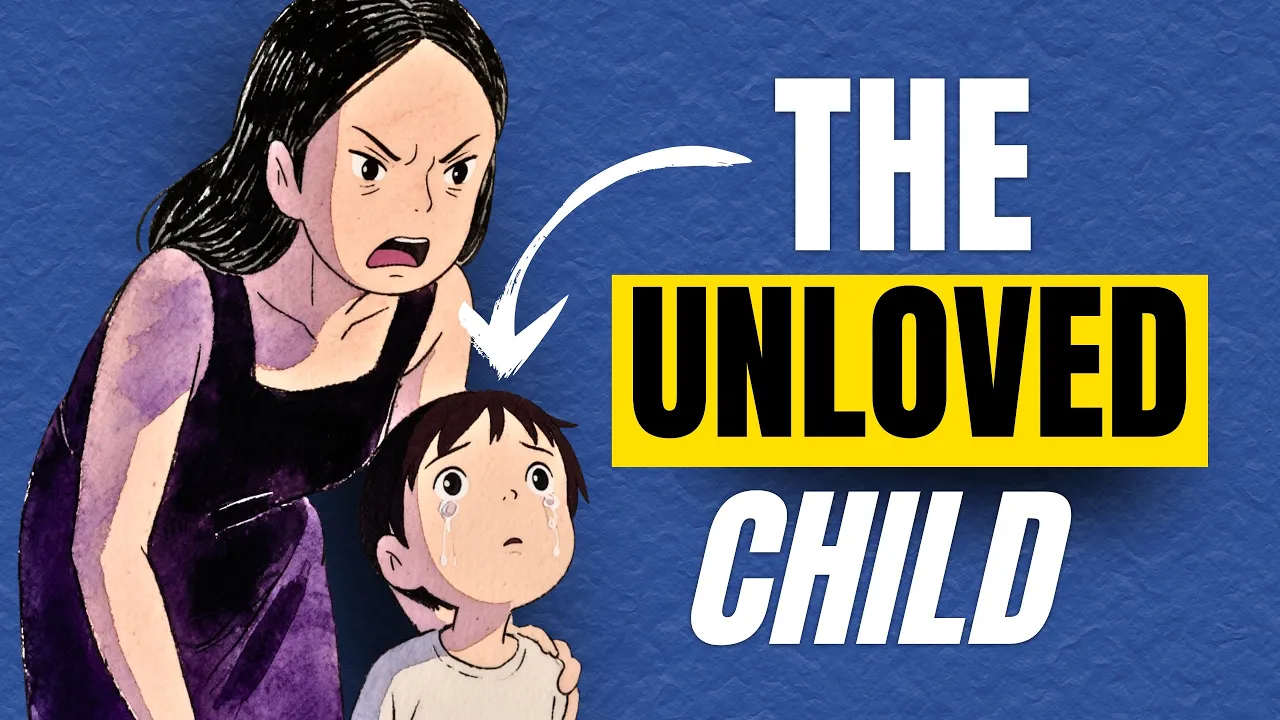
Not being loved as a child doesn't always look obvious. It's not always abuse or neglect in the way people think. Sometimes it's just absence, emotional distance.
Going through the motions without real warmth, a house with food and rules, but no real connection. And what that does to a person doesn't stay in childhood. It shapes everything.
How they see themselves, how they connect with others, [music] and what they believe they deserve. Today, we're talking about the lifelong effects of growing up without love. If you've ever felt like something was missing but couldn't name it, hit subscribe.
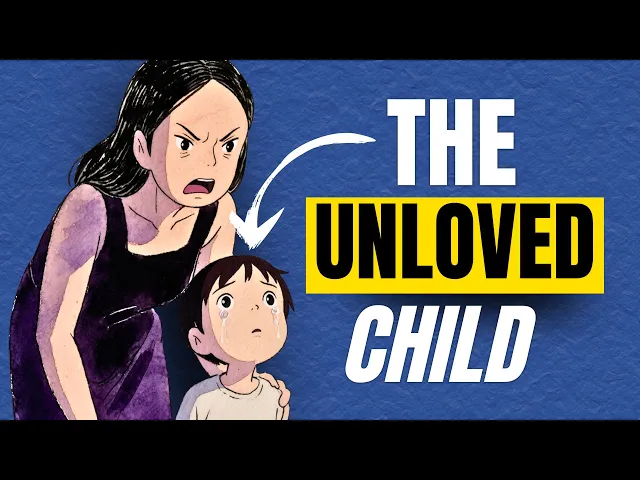
[music] Here's what happens when a child isn't loved. They don't just miss out on affection. They miss out on learning what they're worth.
Because love in childhood isn't just about feeling good. It's about developing a blueprint for how you see yourself and how you expect to be treated. When a child is loved, they internalize a message.
I matter. I'm wanted. I belong here.
That message doesn't come from words. It comes from presence, from attention, from someone lighting up when they walk into a room, from being held when they're scared, celebrated when they succeed, comforted when they fail. But when love is missing, the child internalizes [music] a different message.
I'm not enough. I'm too much. Something about me is wrong.
And that message doesn't just hurt in [music] the moment. It becomes the foundation of their entire self-concept. The unloved child grows up with a constant quiet belief that they're [music] undeserving.
Not of big things necessarily, of small things, of kindness, of patience, of someone's time and attention. They grow up feeling like they have to earn what other people seem to get just by existing. And here's the part that makes it even harder.
They often don't realize this is happening. Because when you grow up without love, you don't have a reference point for what love should feel like. You just assume what you experienced was normal, that everyone feels this way, that the emptiness is just part of life.
It's not until later, sometimes decades later, that they start to see it, usually through contrast. They notice how a friend talks about their parents. They see how someone else's partner treats them.
They recognize [music] warmth in other families that was absent in theirs. And slowly, painfully, they realize what they didn't get. One of the most lasting effects of not being loved as a [music] child is how it shapes relationships in adulthood.
Because if you didn't learn that you were lovable early on, [music] you spend the rest of your life trying to prove it or avoiding situations where you might be rejected again. Many people who weren't loved become adults who overfunction in relationships. They give too much.
They tolerate too much. They stay in situations that hurt them because at least it's something at least [music] someone is choosing to be there, even if it's painful. They become hyper aware of other people's needs and completely disconnected from their own.
They learn to read moods, anticipate reactions, adjust their behavior to keep the peace, not because they want to, but because that's what survival looked like when they [music] were young. And the sad part is they often end up in relationships with people who can't really love them back. Not because they're seeking that out intentionally, but because healthy [music] love feels unfamiliar.
It feels too good to be true. It feels like it won't last. So, they're more comfortable with relationships that confirm what they already believe about themselves, that they're not enough.
Another common pattern is emotional unavailability. The person who wasn't loved learns early that [music] needing something and not getting it hurts. So, they stop needing.
They stop asking. They stop expecting. They build walls so high that even when love is available, they can't receive it.
They go through life independent, self-sufficient, never asking for help. [music] And people see them as strong. But inside, they're isolated because independence [music] born from neglect isn't strength.
It's a survival mechanism, and it keeps them locked out of the very thing they're [music] craving. There's also a deep fear of abandonment that develops. Because if the people who were supposed to love you couldn't, then what does that say about everyone else?
The logic [music] becomes, if my own parents didn't love me, why would anyone else? So, they live with this constant anxiety [music] in relationships, waiting for the other shoe to drop, waiting for the person to realize they're not worth [music] staying for, reading into every small shift in tone or behavior as evidence that it's ending. And sometimes they leave first just to [music] avoid being left.
Another effect that shows up is a distorted sense of selfworth. People who weren't loved as children often tie their [music] value to what they produce, not who they are. They become high achievers, perfectionists, people who are always doing more, proving more, accomplishing [music] more.
Because maybe if they're successful enough, smart enough, helpful enough, someone will finally see them as worthy. But no amount of achievement fills the gap. Because the gap isn't about what they do, it's about who they are.
and they never [music] learned that who they are is enough. This also creates a harsh inner voice, a voice that's constantly critical because when you're not loved as a child, you internalize the rejection. You assume it's [music] your fault that if you were different, better, easier, maybe you would have been loved.
And that voice [music] doesn't go away just because you grow up. It follows you into adulthood. It tells you you're not doing enough.
You're not good enough. You don't [music] deserve rest. You don't deserve kindness.
You have to keep earning your place in the world. Many people who grew up unloved also struggle with basic self-care. Not in obvious ways necessarily, [music] but in subtle ones.
They don't prioritize their own needs. They don't set boundaries. They don't rest when they're tired or ask for [music] help when they need it.
Because self-care requires believing you're worth caring for. [music] And if no one cared for you when you were small and helpless, why would you believe you deserve it now? So, they push through.
They ignore their limits. They give until they're empty and they wonder why they're always exhausted. There's also a specific kind of loneliness that comes from not being loved as a child.
It's not just the loneliness of being alone. It's the loneliness of being around people and still feeling unseen because you never learned how to let people in. You never learned that you could be known and still be accepted.
So, you go through life with a wall between you and everyone else. You share pieces of yourself but never the whole thing. You're present but not fully there.
And people might like you but they don't really know you because the real you feels too risky to show. Another [music] lasting impact is difficulty with trust because trust is built in childhood through repeated experiences of someone showing up being consistent being safe. When that doesn't happen the blueprint for trust never forms properly.
So, as an adult, even when someone is trustworthy, it's hard to believe it. You're waiting for them to prove they're not. You're testing them without meaning [music] to.
You're scanning for signs that they'll leave or hurt you or let you down. And sometimes that scanning becomes a self-fulfilling prophecy. But here's what's important to understand.
Not being loved as a child wasn't your fault. Children don't earn love. They don't have to be a certain way to deserve it.
Love is supposed to be given freely just because they exist. And if it wasn't given to you, that says everything about the people who should have loved you, and nothing about your worth, nothing about whether you deserved it, nothing about who you are. The grief that comes with realizing you weren't loved is real.
And it's heavy. Because it's not just grieving [music] what happened. It's grieving what didn't happen, the comfort that never came, the reassurance you needed and didn't get, the feeling of being someone's [music] priority, someone's joy, someone's reason to smile.
That loss [music] is real and it's okay to feel the weight of it. You don't have to rush past it or be grateful for what it taught you or find the [music] silver lining. Sometimes things just hurt and they shouldn't have happened.
And that's the truth. But here's the other side. You can learn now what you didn't learn then.
You can teach yourself that you're worth caring for, that your needs matter, that you're allowed to take up space and ask for things and expect to be treated well. It won't feel natural at first. It'll feel strange and uncomfortable and maybe even wrong because the old belief is loud.
It's been there your whole life, but it's not true. It never was. Healing from not being loved doesn't mean you suddenly feel whole or secure or like everything's fixed.
It means you start to build a relationship with yourself that isn't based on rejection. You start to notice when you're treating yourself the way you were once treated and you start slowly to do something different. One of the first steps in healing is recognizing that what you didn't get matters.
It's not about blaming anyone [music] or living in the past. It's about acknowledging that something essential was missing and that missing piece affected you still affects you. And that's not weakness.
That's just reality. Another step is learning to grieve without shame. To let yourself feel sad about what you didn't get without judging yourself for still caring about it.
[music] Because the timeline for healing isn't something you can control and there's no [music] expiration date on pain. Part of the healing process is also learning to recognize love when it's actually there. Because sometimes love is being offered and you can't see it.
You dismiss it. You don't trust it. You assume it's temporary or conditional or that there's a catch.
Learning to receive love means letting yourself believe that maybe this time it's real. Maybe this person actually means it. Maybe you don't have to perform or prove anything.
Maybe you're allowed to just be and still [music] be wanted. This also means surrounding yourself with people who can actually love you well. Not people who repeat the patterns from your childhood.
Not people who make you feel like you have to earn their care, but people who show up, who are consistent, who see [music] you and choose you anyway. And it means learning to parent yourself in the ways you weren't parented. to give yourself compassion when you mess up.
To comfort yourself when things are hard, to celebrate yourself when things go well, to be the steady, loving presence you needed and didn't get. The effects of not being [music] loved as a child are real and they're lifelong, but they're not permanent in the sense that they can't change. You can't go back and get what you needed then, but you can give yourself what you need now.
You can build a life where you're not constantly trying to earn your place. Where you're not waiting to be rejected, where you believe slowly and gently that you're worth caring for, not because of what you do [music] or how you perform or who you become just because you exist. And that's not forgetting what happened.
It's refusing to let what happened define what comes next.