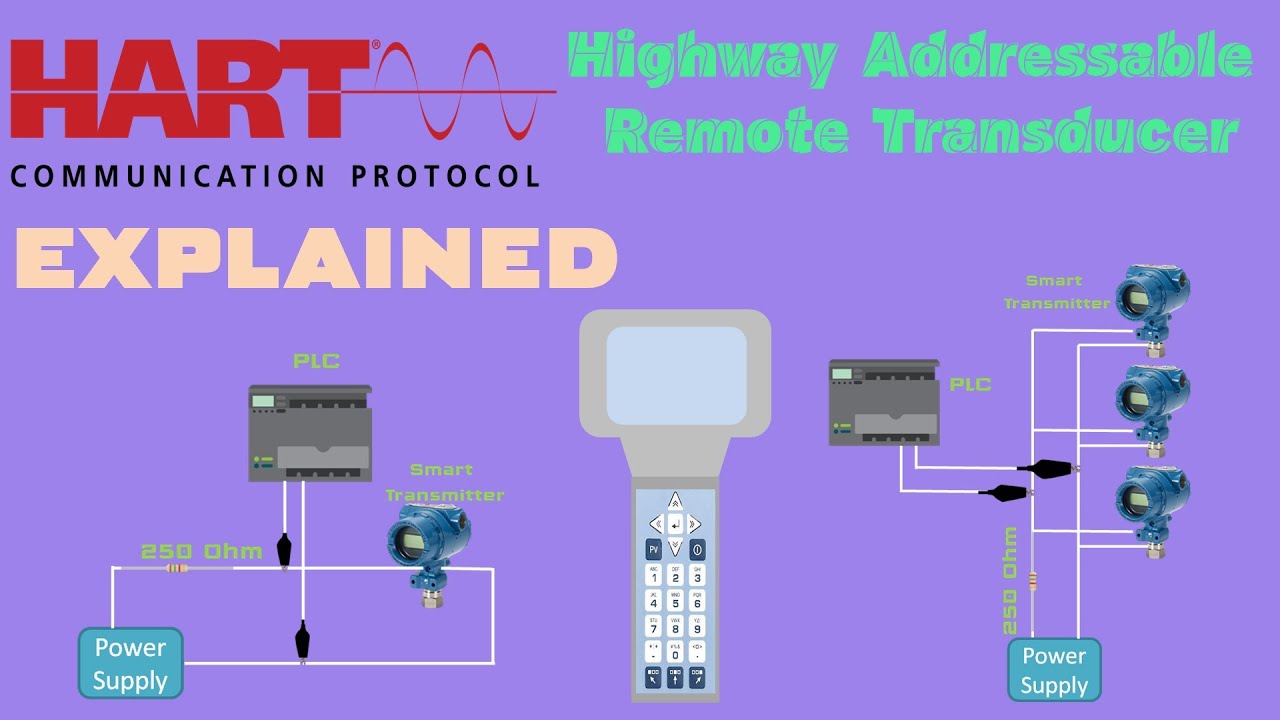
oh hi I'm just wiring up a demo of our new ethernet heart multiplexer and I'd like to show you that in another video but today I'm going to talk to you about how the heart protocol works I'm going to take the 2,000 pages of heart specifications and boil them down into just a few minutes information is transferred between heart devices using commands each heart command is identified by a number and there are hundreds of different commands each heart command is used to access a specific specific piece of information for example heart command one provides the
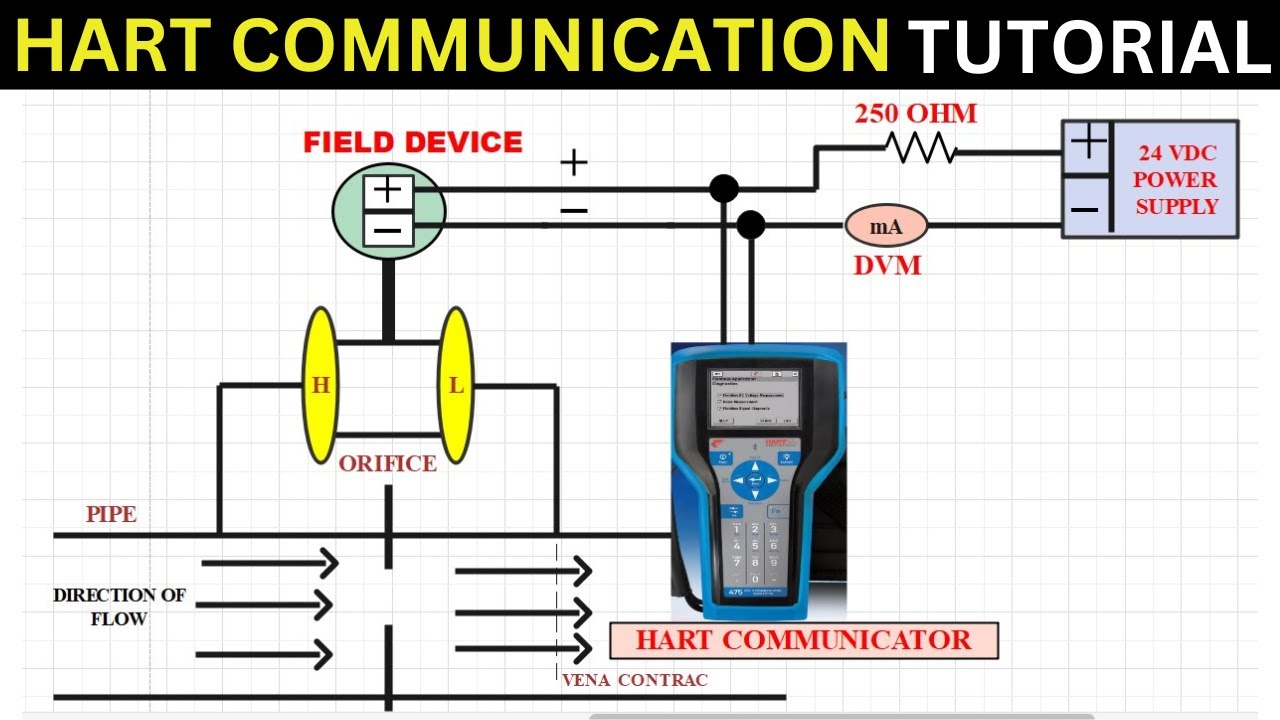
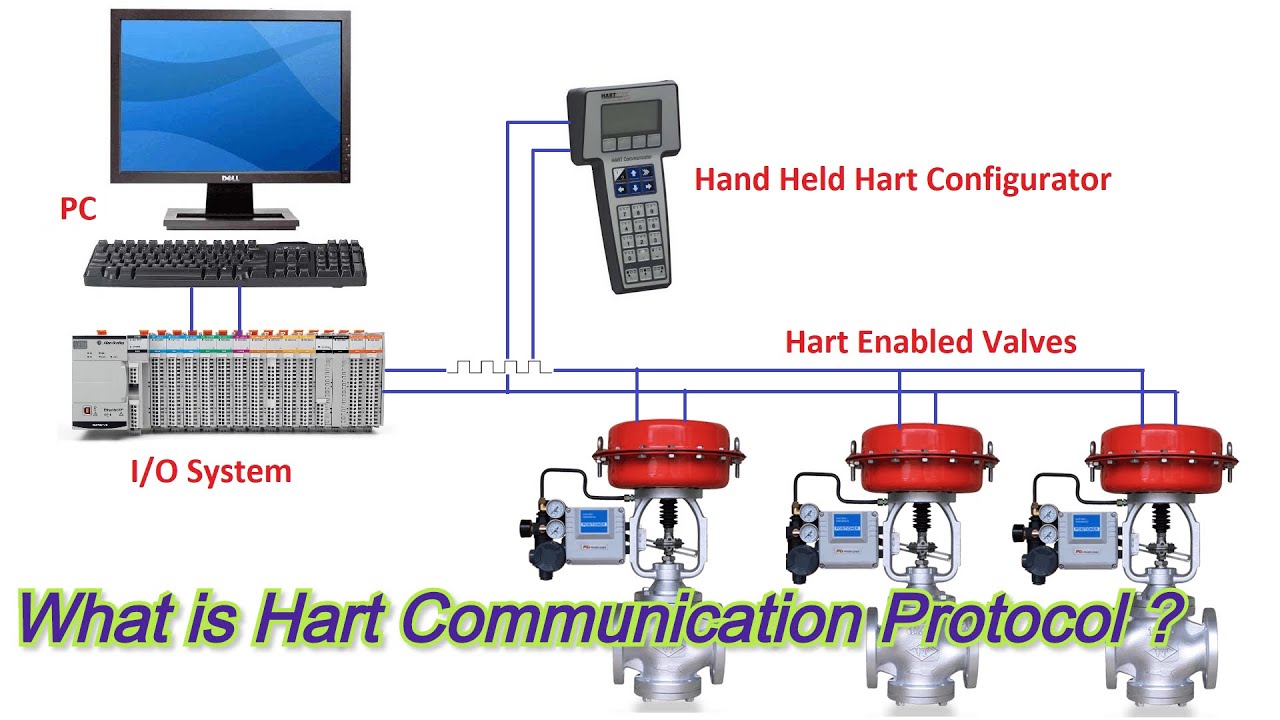
primary variable typically the measured value like temperature pressure level or flow of a heart device heart commands are grouped into three major categories Universal commands that all heart devices must support common practice commands that are recommended and device or manufacturer specific commands that are well specific to a device type or a manufacturer heart is a Master Slave protocol which means that a field device the slave only provides data when it is requested Ed by the host system the master the heart protocol supports two masters a primary and secondary this allows secondary Masters such as handheld
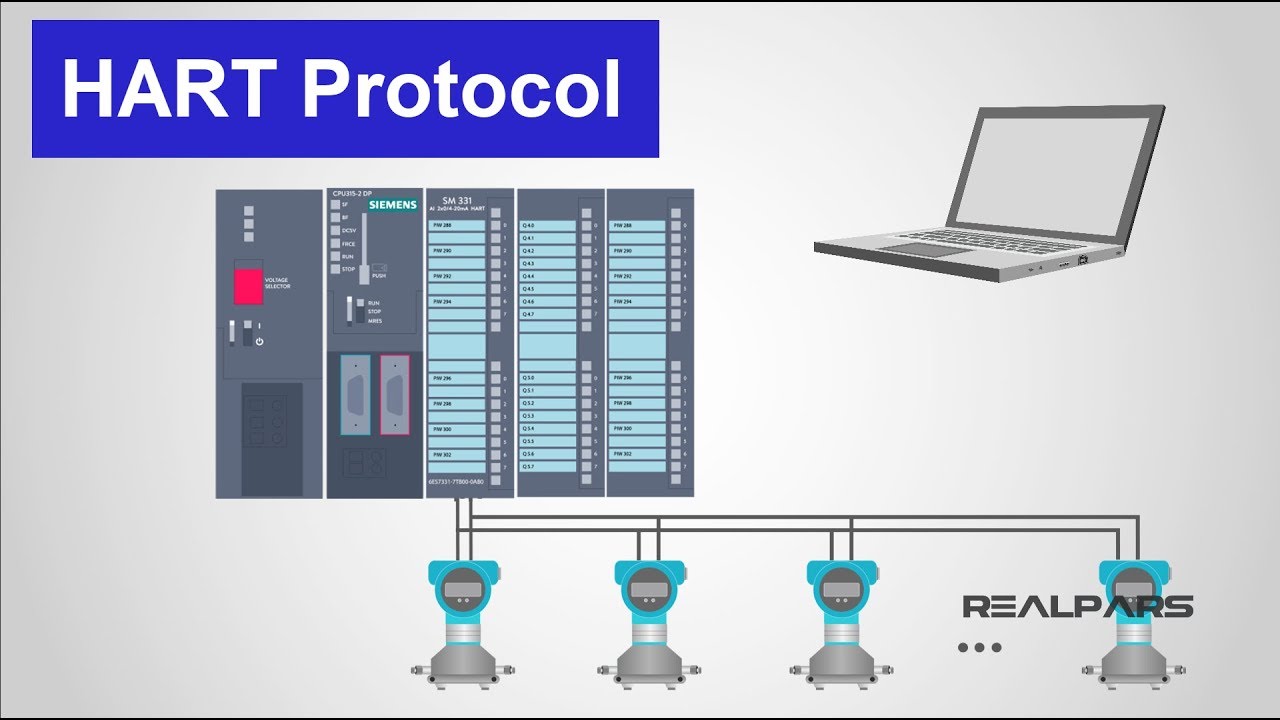
communicators to be used without disrupting Communications with the primary Master the host system a typical installation with a heart device connected to a host system is pull and response the host requests a specific heart command and the device responds with the information there is also an optional burst communication mode that enables a single slave device to continuously broadcast a standard heart message higher update rates are possible with this optional burst communication mode the heart protocol permits all digital communication with field devices in multi-drop network configurations of up to 15 devices each heart device must have
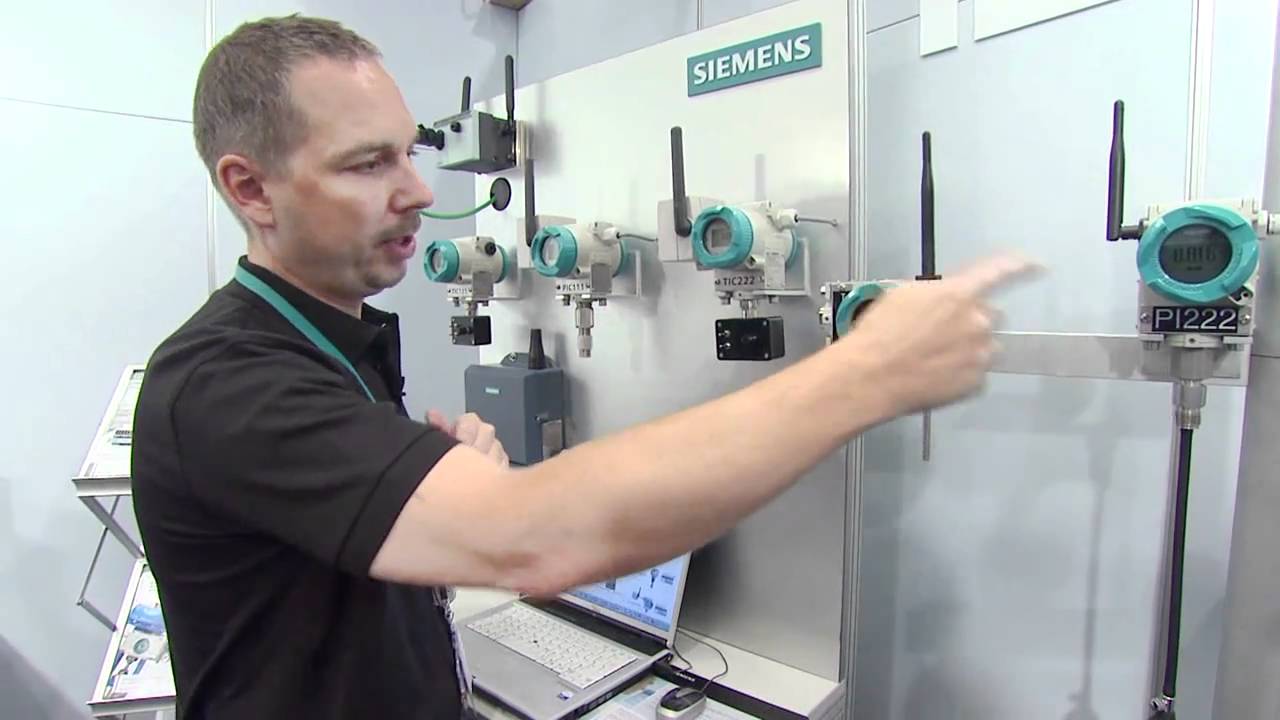
a unique polling address from 1 to 15 for proper operation in multi-drop mode the analog signal is not measured the devices are configured to use a constant Loop current like 4 milliamps only for power all of the data is acquired using heart this is not a very common application because there's no analog control Loop but it is possible heart has its roots in the 4 to 20 milliamp world but the protocol has been adapted to use several different physical layers rs45 has been common with traditional heart multiplexer products around 2007 Wireless heart was developed it
operates in the license-free 2.4 GHz band for Global use it features self-healing mesh Network capabilities to ensure Network stability and reliability and has high and encryption for data security even more recently Hart has been adapted for use over ethernet the apps named har IP there are no special Hardware requirements for hard IP your standard switches routers and wireless LAN are all plug-and-play with hard IP with Support over so many various physical interfaces heart will be relevant for years to come so you don't have to worry about investing in obsolete technology