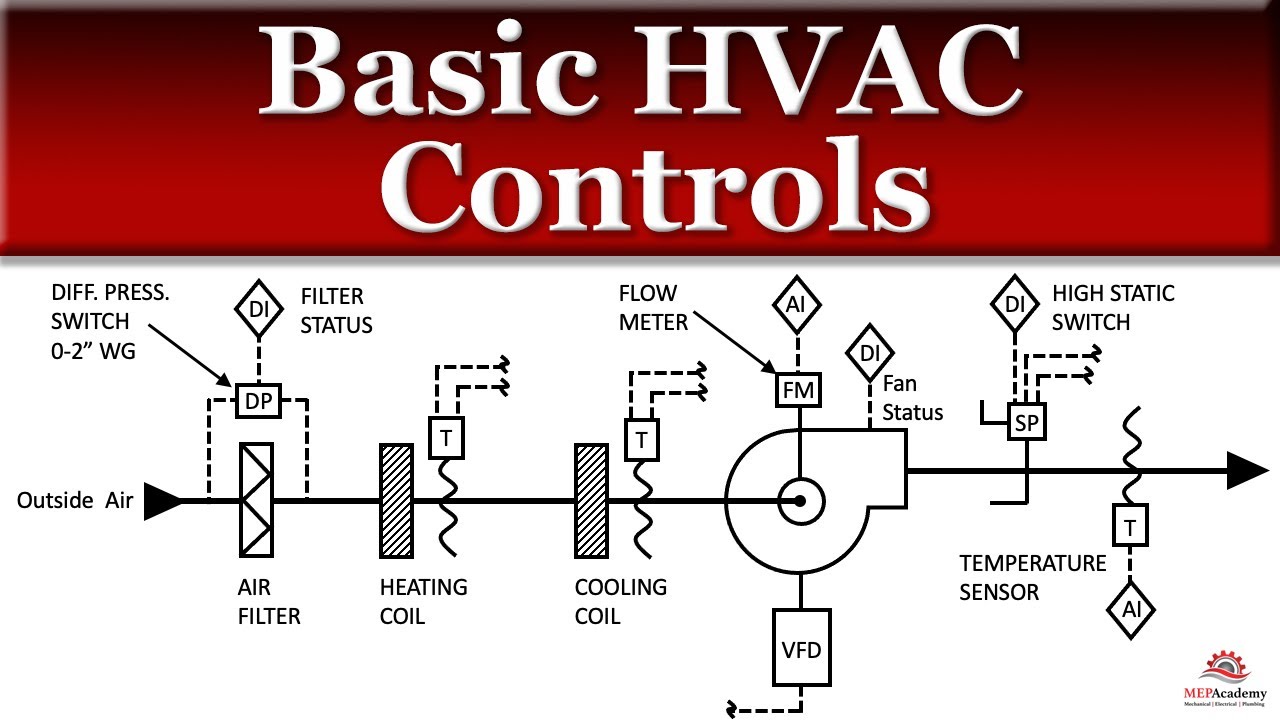
imagine with me for a moment that a guy buys a smartphone and does nothing with it but make phone calls no texting no videos no surfing the internet no GPS and no music nothing but phone calls that' be a huge waste of potential right and speaking of potential there's probably a whole lot of it that's been untapped in your Process Measurement devices but before we get to that let's start with the basics Process Measurement is the collection of information from various types of sensors they monitor control and diagnose the status of a piece of equipment
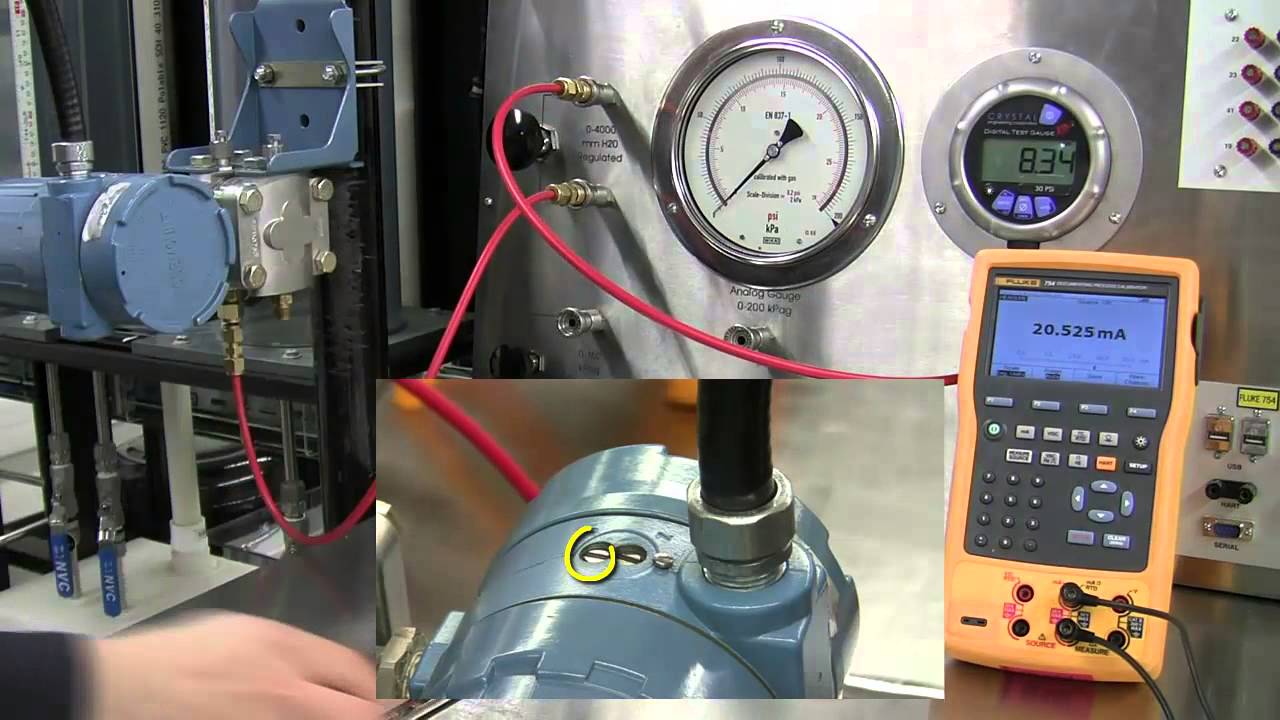
or production process a transmitter or transducer device converts the physical properties to an electrical signal for inclusion into a process control system some of you may remember the [Music] 1970s although some of you may prefer not to regardless in the 1970s the 4 to 20 milliamp signal was adopted because of its high immunity to electromagnetic interference its reliability over long cable runs and its low power consumption today the most widely used electrical signal in process automation Remains the 4 to 20 milliamp signal when a transducer measures a value like temperature it's converted to an electrical
signal proportional to that temperature if the transducer is measuring the temperature of a tank of liquid which normally ranges from 0 to 100° C it will output a 4 milliamp signal when the temperature is 0° and 20 milliamps if the temperature is 100° a signal less than 4 milliamps is commonly used to indicate a fault condition such as a wire or sensor brake while a signal higher than 20 milliamps indicates an overrange condition so remember that guy's underutilized smartphone many users are making the same mistake with their Process Measurement devices most of which are heart
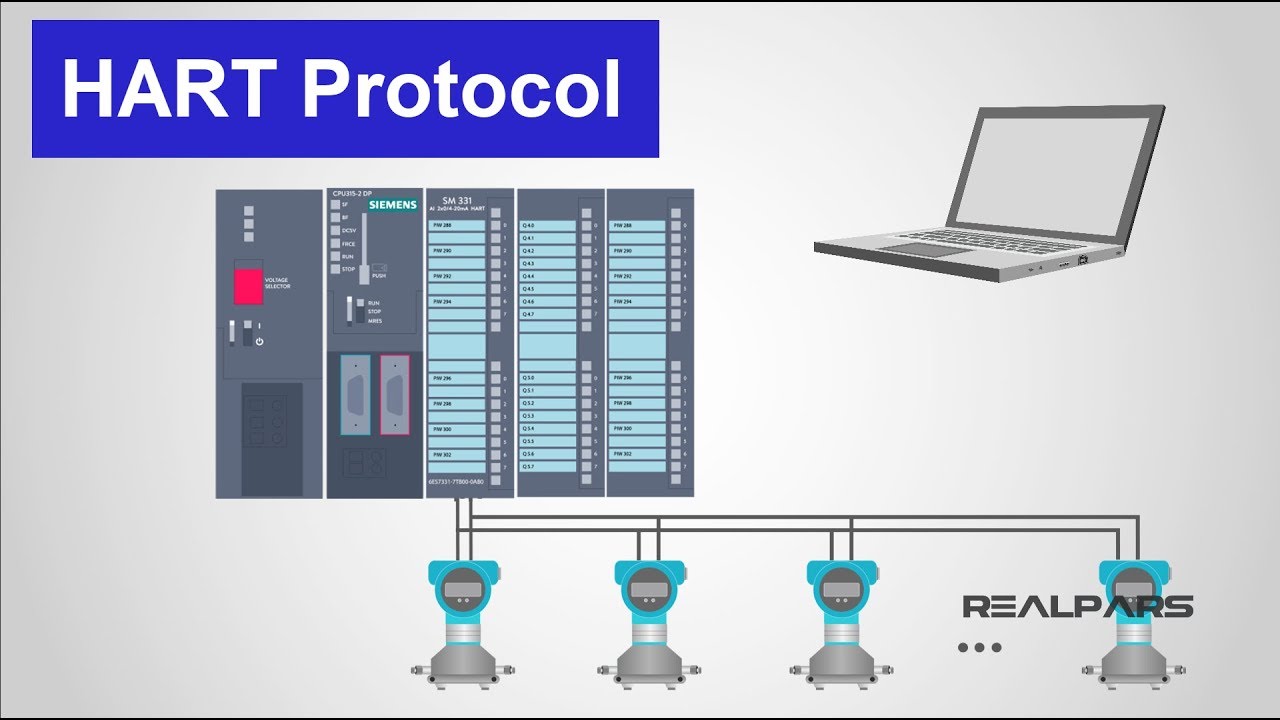
capable heart is an acronym for Highway addressable remote transducer meaning that heart devices are smart instruments and in fact most 4 to 20 milliamp devices out there are already heart capable but the fact is less than 10% of heart devices are being utilized for their heart capability the heart protocol uses Bell 202 frequency shift keying to superimpose digital communication signal sign at a low level on top of the 4 to 20 milliamp signal seriously I'm sorry hold on actually this will work think of it as caller ID or digital data on a telephone landline the
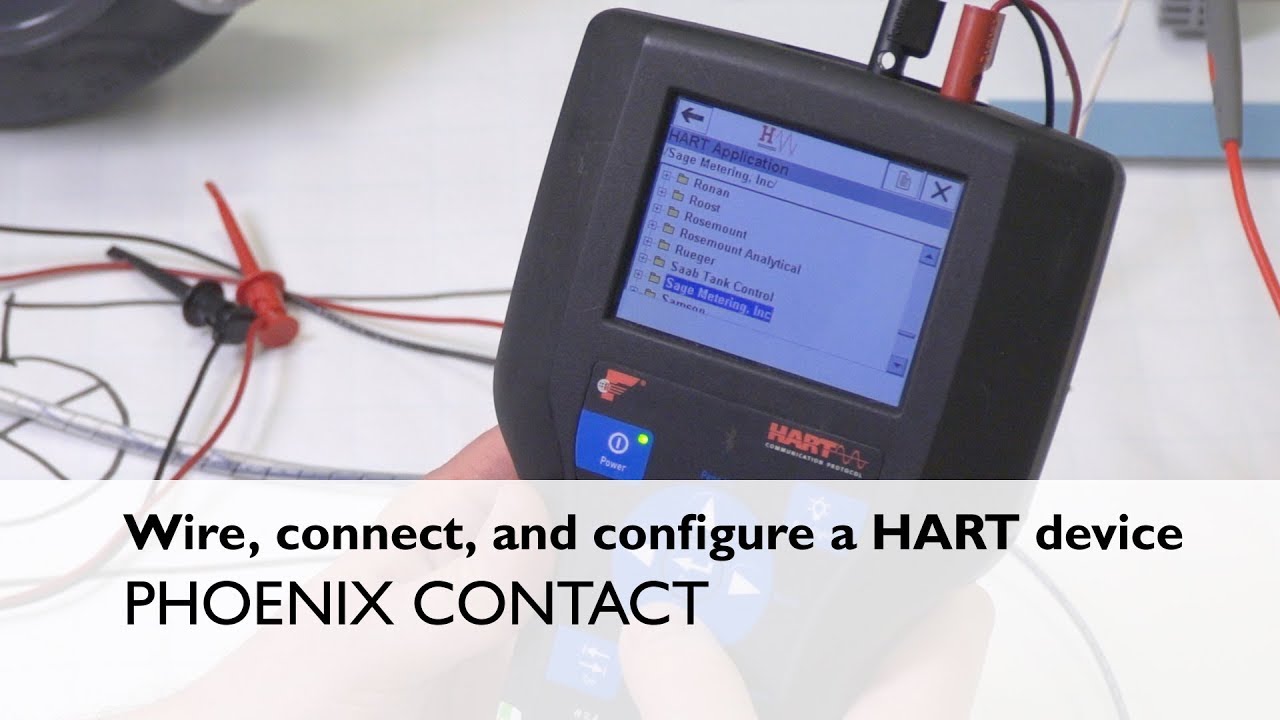
4 to 20 milliamp signal communicates the primary measured value while the digital signal contains information from the device including device status Diagnostics and measured or calculated values oh and by the way for the Curious among you a digital zero is represented by 2200 Herz and a digital one is represented by 1200 HZ heart enables you to collect more information about your equipment's health efficiency and reliability the most basic use of heart allows you to configure your devices name your device with a device tag for easy identification the measurement range engineering units and sensor type can
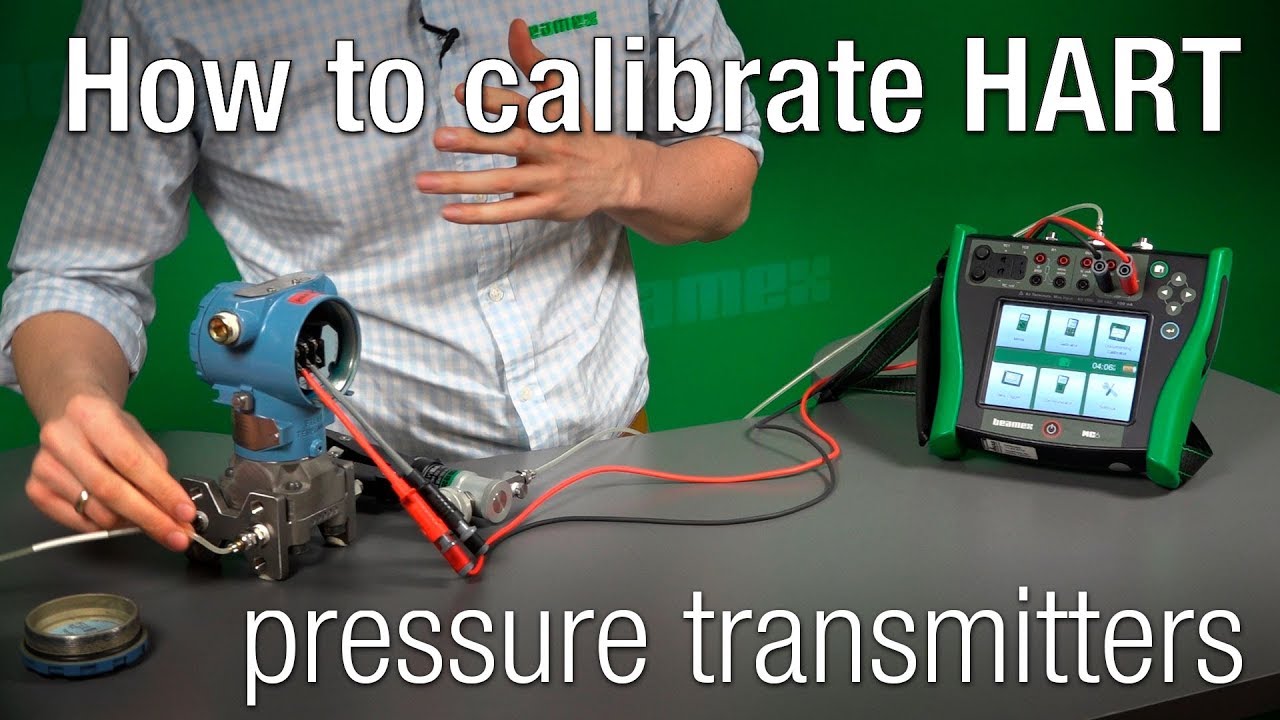
also be selected after the initial installation and configuration the device can be calibrated to set the zero and span trim the for to 20 milliamp signal or account for other external sources of measurement error heart devices have lots of diagnostic data and can monitor the condition of your sensor or probe which might be an early indicator of inaccurate measurements it's also possible to detect a configuration error or operating mode which may lead to problems in the future most importantly the availability of additional data can be used to determine the health of a large piece of
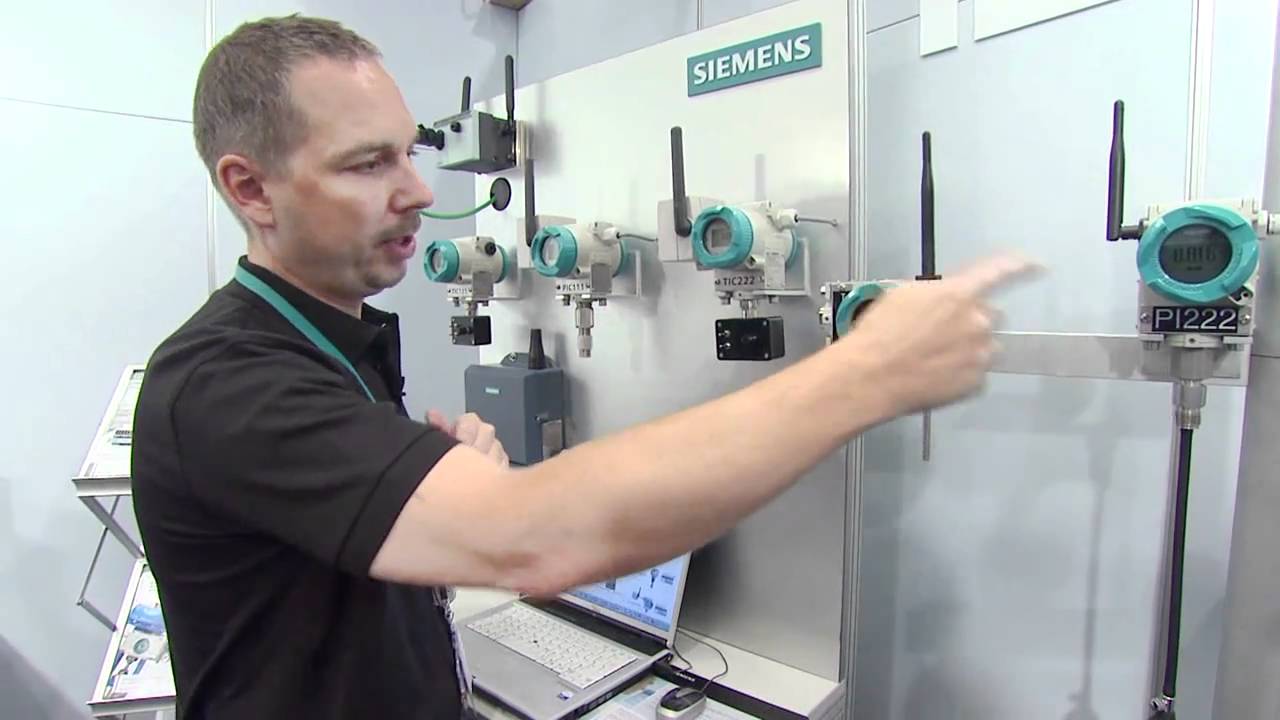
equipment or the quality and efficiency of a process and it all works together to help you avoid unplanned maintenance in the future most heart devices are multivariable meaning they can provide multiple measurement values although only the primary variable is represented by the 4 to 20 milliamp signal the other variables are only available as Digital Data for instance pressure transmitters can provide the process pressure absolute or gauge and the ambient temperature differential pressure static pressure and ambient temperature are all provided by a differential pressure transmitter temperature transmitters may also provide process temperature cold Junction compensation values
and ambient temperature Coralis meters deliver information such as mass flow density and temperature lastly valve positioners report information like the Target and actual stem positions actuator pressure and output signal to actuator using heart technology you can leverage intelligent device capabilities decrease maintenance costs increase system availability and improve Regulatory Compliance fully utilizing heart dat dat will help you reduce operating expenditures and increase availability unless you don't like to save money you've already made the investment isn't it time to maximize the full potential of your heart data to learn more about heart go to Phoenix contact.com