you know you can say things to people like tell tell the truth and be good and those aren't those are cliches obviously and so they lack power because they're cliches but you can take them apart and utilize them in a manner that stops being a cliche and you do that by being more humble about them I would say because maybe you can't tell the truth because you don't know what the truth is but one thing you can do is you can stop saying things that you know to be untrue and you might say well how
do I know that they're untrue and the answer to that is well you need a whole philosophy of truth the elaboration of an entire philosophy of truth to answer that question and so we're not going to bother answering that question because in some sense at the moment it's beside the point that isn't the issue the issue is there are times in your life where you know that the thing that you're saying is not true it's a deception it's a lie of some sort and you're using it to manipulate yourself or another person or the world
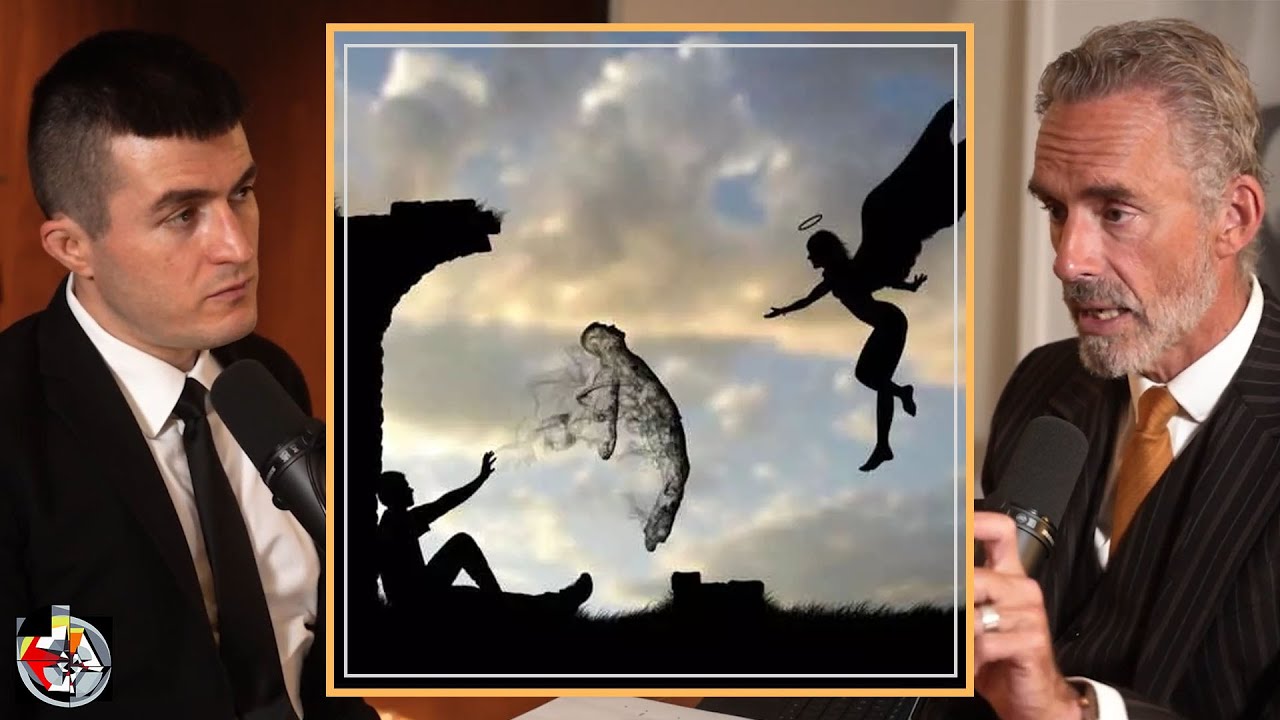
and you're also possessed fully possessed of the idea that you can get away with it and there's a satanic arrogance about that in fact that is the archetypal arrogance that's portrayed in the mythological character of Satan because Satan is precisely the archetype of the element of the mind that believes that it can twist and and bend the structure of reality without paying the price for that and you can't imagine anything that's more arrogant than that because really do you really think that you can twist the structure of a reality and that that's going to work
out for you without it snapping back it's so obvious that that can't work that that everyone knows it but anyways back to the initial point is that you know by the rules of the game that you yourself are playing that some of the times you're violating the rules of the game that you're playing and the first issue with regards to say stating the truth or behaving in a responsible manner would be merely stopped cheating at whatever game it is that you've chosen to play that's a good start and that'll straitened that'll straighten out your life
it'll start in a straight start to straighten out your life and so well the flood what how does the flood tie into well you know we live in a corrupt structure we're corrupt as individuals we live in a corrupt structure and part of that corruption has just happenstance it's the way things fall apart but the other part of it is that not only are we not aiming up we're actually aiming down and the flood story is a warning and it's a very clear warning and the warning is if you aim down enough and then if
enough of you aim down at the same time everything will degenerate into something that's indistinguishable from the chaos from which things emerged at the beginning of time it's something like that because the the cosmos that's presented in mythological representations is chaos versus order right the order is on top you might say and the chaos is always underneath and the chaos can break through or the order can crumble and you can fall into the chaos and that chaos is intermingle intermingled potential and the way that you destroy the order and let the chaos rise back up
which which is exactly how it's portrayed in the flood story is by well by inhabiting the corpse of your father that's one mythological motif and feeding on the remains and with no gratitude and no attempt to replenish what it is that you're taking from and the warning in the flood story is don't do that for very long because things will happen that are so awful you cannot possibly imagine it and that'll happen to you personally it'll happen to your family and it'll happen to your community and it's happened to people over and over throughout history
and it's it's quite interesting you know it's it's very soon after the story of Cain and Abel when you see evil enter the world in the story of Adam and Eve along with self-consciousness and evil there is the the ability that's the knowledge of good and evil that's the ability to hurt other people self-consciously to know what you're doing and then of course instantly Cain takes that to the absolute extreme and he uses that capacity to to destroy really what he loves best he gets as close as a human being can to destroying the divine
ideal because of course his brother is Abel and Abel is favored by God and Cain destroys him which Cain tells God at the end of that episode that his punishment is more than he can bear and I think the reason for that is where are you one so you destroy your own ideal what's left for you there's nowhere to go there's no up and when there's no up there's a lot of down and you know there's an idea that was put forth very nicely in Milton's Paradise Lost when he was describing from a psychological perspective
essentially what hell is and hell is you're in hell to the degree that you're distant from the good that that might be a good way of thinking about it and if you destroy your own ideal which you do with jealousy and resentment and and the desire to pull down people who you would like to be let's say then you end up in a situation that's indistinguishable from hell and and the way the story the biblical story unfolds as well it's it's it's Cain and then it's the flood and so Cain adopts this mode of being
that's antithetical to being itself at least a positive being itself he does it voluntarily he does it knowing full well what he's doing and the net consequence of this that as it ripples through the entire social structure is that God stands back and says this whole thing is got so bad the only thing we can do is is wipe it to the ground and that is that is no joke that's exactly how things work and one of the things that's extraordinarily terrifying about that sequence of stories and I believe this to be true I think
I realized this independently of any of the analysis that I was doing of mythological stories because I looked at what happened in places like the Soviet Union and Mao's China and and Nazi Germany and the most penetrating observers of those societies the people who were most interested in how it was that those absolute catastrophes came about all said the same thing it was rooted in the degeneration of the individuals who made up the society you know you hear what people will thought were following orders it's like no that that explanation doesn't hold water or that
you'd be punished if you resisted well there was some truth in that but nowhere near as much as people might think especially at the beginnings of the process more it was that people decided each and every one of them to turn a blind eye to the catastrophes and to participate in the lies and that warped the entire societies and they went as you know they they feared their way down to something as closely approximating hell as you could hope to manage especially in places like Nazi Germany and well in all three of those places and
in Mao is China and in the Soviet Union and so the thing that's so frightening about one of the things that's so frightening about the stories in Genesis is they say something very clear which is that your moral degeneration contributes in no small way to the degeneration of the entire cosmos and you say well I would like my life to be meaningful people say that really would you really you really would like your life to be meaningful you think maybe people would trade a little nihilism to not have to face that particular realization and I
think people do that all the time it's a terrible way to to to realize but we are networked together in it and that that's the the price of or let's say that's the vulnerability that's associated with our intense capacity to communicate and it is certainly possible that the ripples of our individual actions have consequences that are far beyond the limits of our immediate consciousness and I also think people know that too they know that in the way that people know things when they don't want to know them which means they know them embodied they can
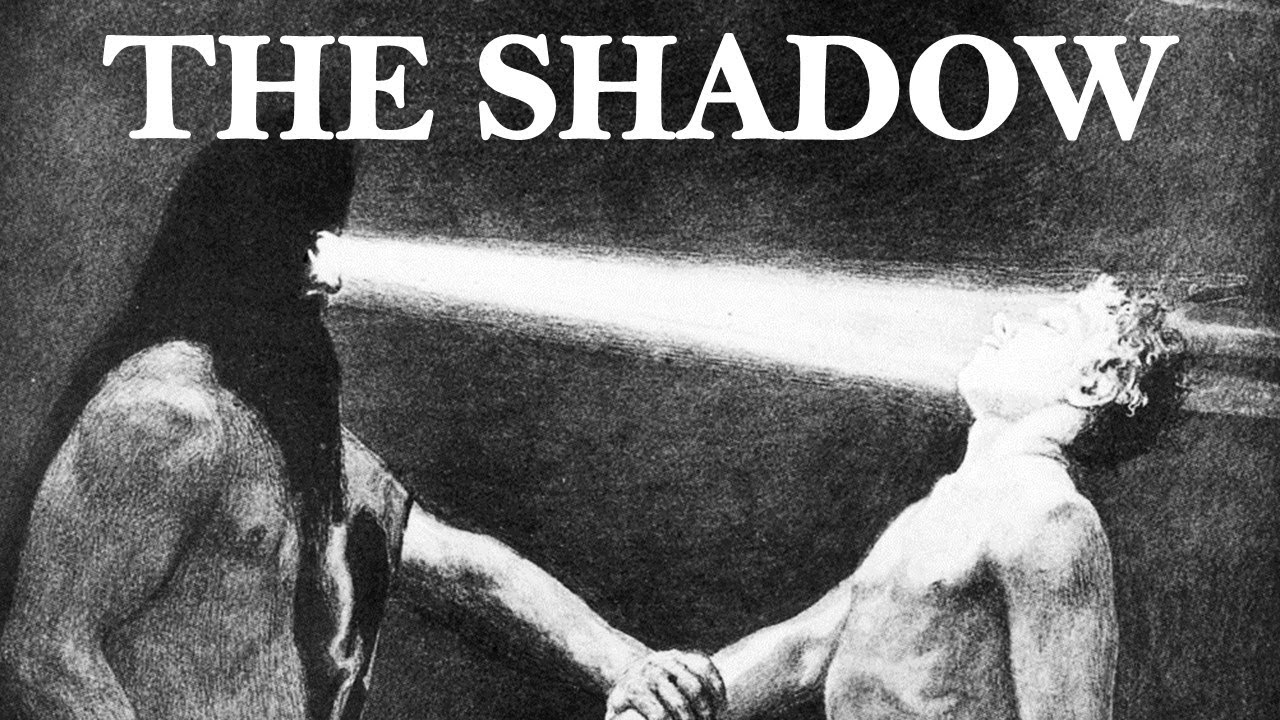
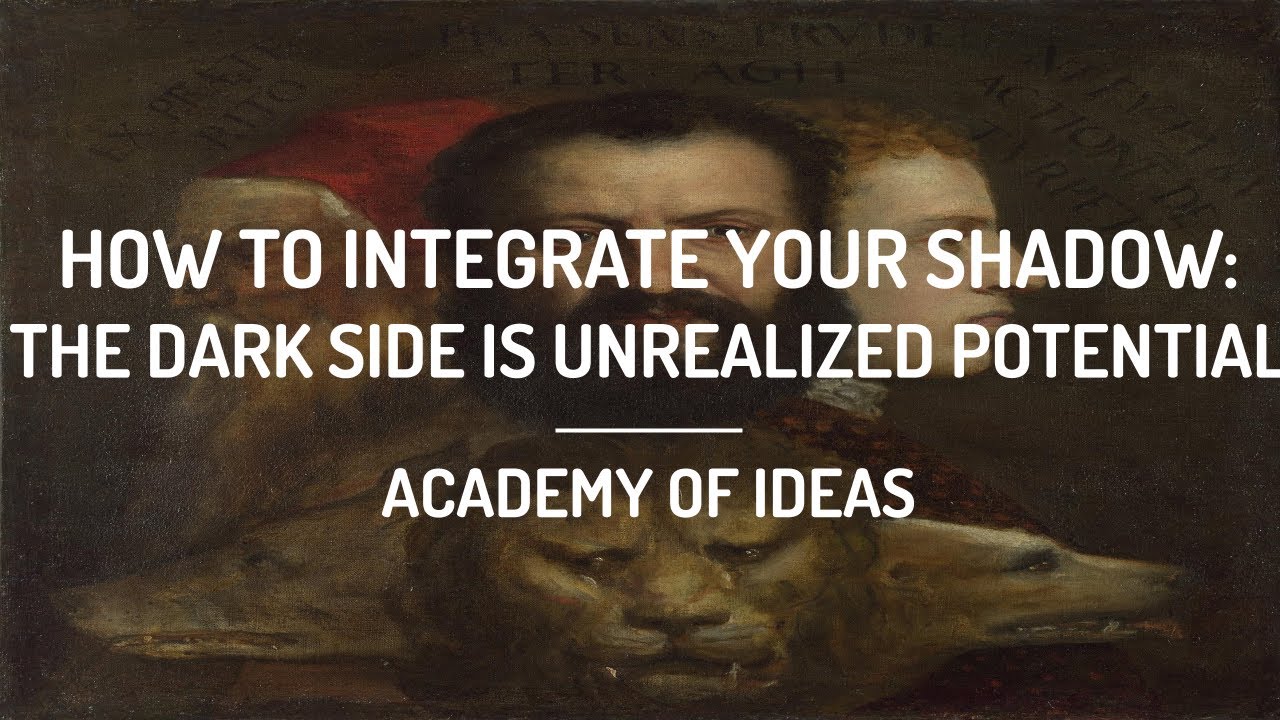
feel them they can sense them they have an emotional response to them but there's no damn way they're gonna let them become articulate because they don't want to know and when you're feeling guilty and ashamed about the things you've done or not done and I know that can get out of hand as well it's often because there is a crooked little part of you that's aiming at the worst possible outcome you know one of the things Young said about the shadow you know that young famous idea that everyone has a dark side and that that
dark side needs to be incorporated and made conscious young said the the the shadow of the human being reaches all the way to hell and he actually that's the thing that's so interest about interesting about reading Carl Jung is he actually means what he says it's not a metaphor it's like the the part of you that's twisted against being is aligned with the part of the cosmos let's say the conscious cosmos that's aiming at making everything as terrible as it can possibly be and you know it's a terrible shock to realize that it's partly why
people don't realize that it's it's something that people keep at an arm's length it's it's the same as recognizing yourself as a Nazi concentration gap camp guard which is a very useful exercise because there's absolutely no reason why you couldn't have been or still could be one so and if you think otherwise then all the more reason for assuming that you would be unable to resist the temptation if it was in fact offered to you and if you don't think it's a temptation then the then there's so much that you don't know about human beings
that you're not even in the game because if it wasn't a temptation then people bloody well wouldn't have done it and plenty of people did it and it's no wonder