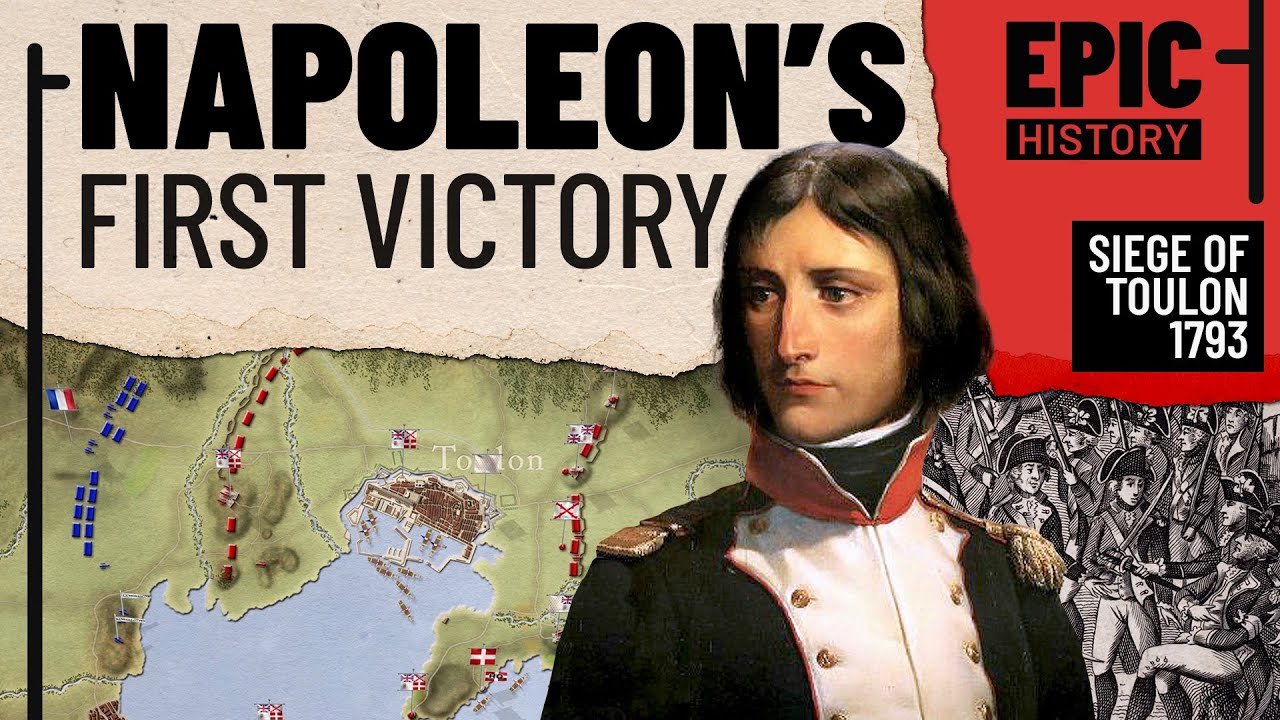
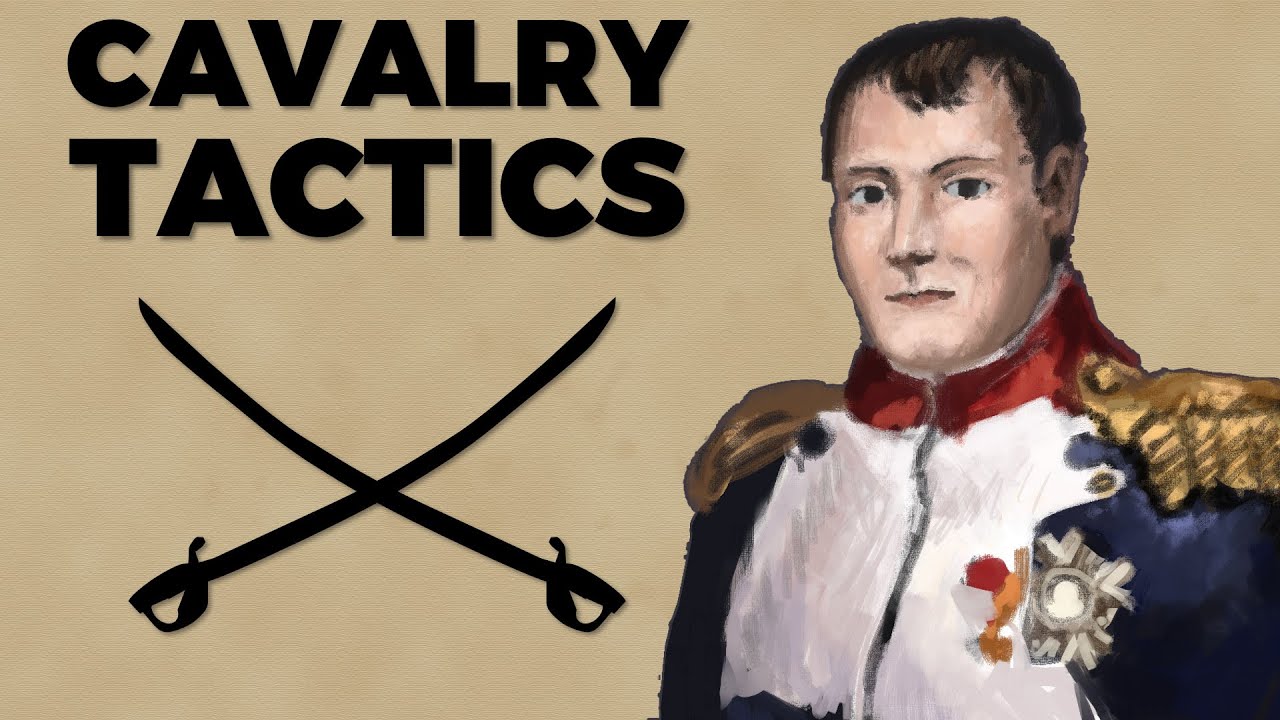
I remember years ago been intrigued by Napoleon's lightning campaign across Italy in 1796 his small ragged army of less than 38,000 men began the campaign against 60,000 piedmontese and Austrians and yet Napoleon had victory after victory and once I researched more thoroughly I was puzzled by the numbers for example at the battle Mondovi he outnumbered the Piedmontese and at the matter of Castiglione he also had more men on the field than the Austrians how was he able to pull this off I thought he was the one outnumbered and that's when I was introduced to the
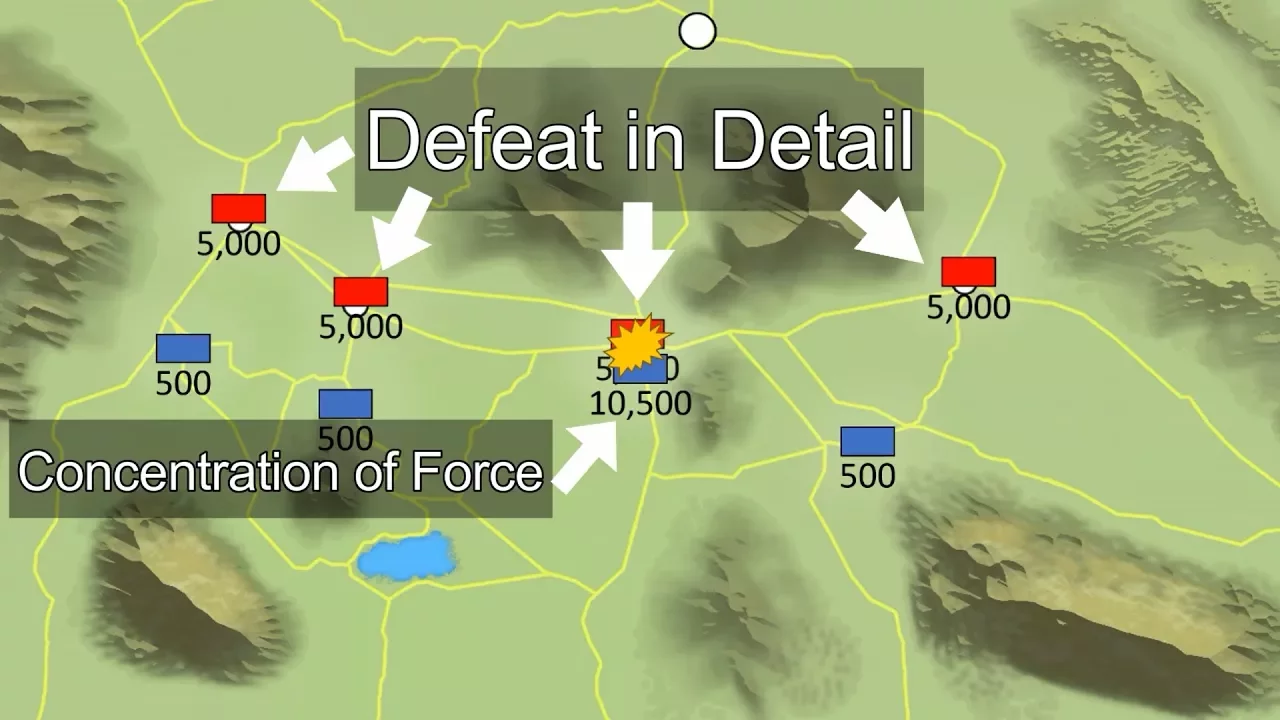
military principle of concentration of force and defeat in detail author Eric J Erickson writes defeat in detail is a doctrinal military term that means to defeat an enemy by destroying small portions of its armies instead of engaging its entire strength practically speaking this happens when the mass or weight of one army is brought to bear against smaller portions of an opposing army thereby achieving decisive superiority this is most often seen when an army divides itself into smaller groups which can easily be separated and defeated in isolation so it pretty much works like this let's say
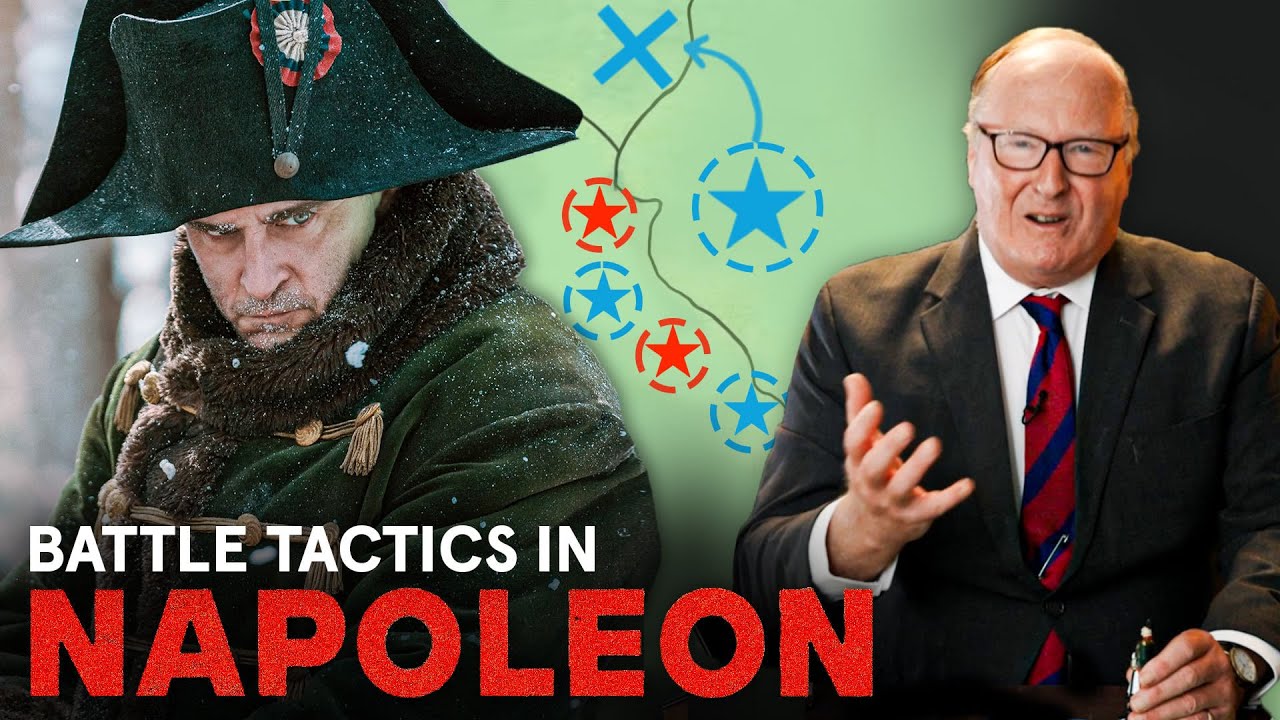
this is your objective and you only have 12,000 men while the enemy has 20,000 this is what Napoleon would do he would advance and spread out his forces consequently the enemy disperses their forces as well and Garrison's each town now remember you must always have superior numbers when you are the attacking force only then can you be sure a victory so if you were to order a mass attack all along the front it would be 3,000 vs. 5,000 not good odds however Napoleon would do something clever on the eve of battle he would concentrate his
forces perhaps leaving only small detachments to cover the front and then he would choose to attack only one point preferably the weakest and crushed him there thus at the actual point of contact with the enemy it is you who I am this is a concentration of force and because the enemy units were so spread out and far apart from each other they put themselves in a position to be defeated in detail it's brilliant yet simple you end up engaging only a portion of the enemy instead of its whole army and it's important to know that
a crucial factor for this to occur successfully is having capable forces who can maneuver quickly before the opposing side catches on to what you are doing so speed helps you achieve surprise thus ensuring victory Napoleon will use a strategy during his campaigns he constantly defeated superior armies separately before they were able to combine against him other historical examples include the Battle of Tannenberg in the beginning phase of World War one a German army was able to defeat two Russian armies separately in the Balkan Wars the Ottoman army was defeated because it was divided into several
groups their enemies therefore were able to achieve numerical superiority on the battlefield Rommel in the North African campaign would always mass his tanks when fighting the British he once remarked to a captured British officer what difference does it make if you have two tanks to my one when you spread them out and let me smashed him in detail and general Stonewall Jackson in 1862 was able to fight off three Union armies totaling 52,000 men with only an army of 17,000 and if you want to see how he did that you can click here for that
video
![True Size of Napoleon's Army - The Infantry [c. 1808] 3D DOCUMENTARY](https://img.youtube.com/vi/qR0sODDUT8U/maxresdefault.jpg)