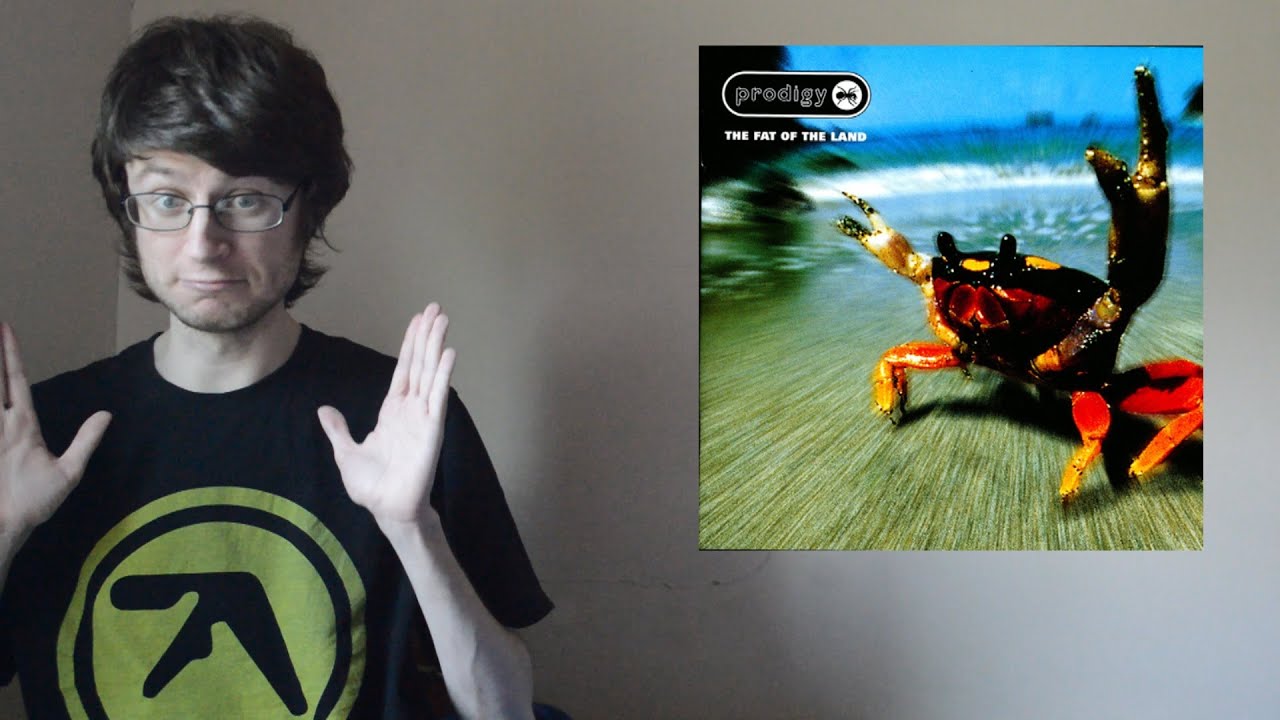
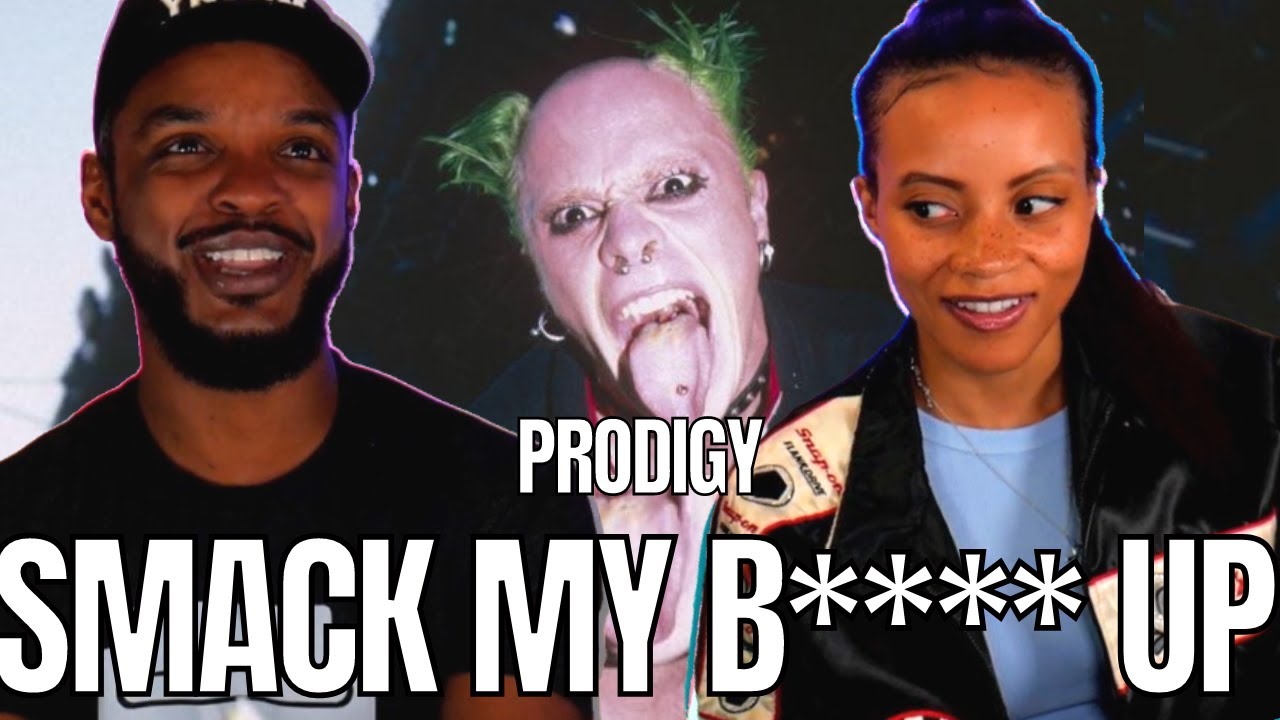
In 1997, The Prodigy’s third album, The Fat of the Land, signaled a turning point in the band’s career, as it was a crossover hit with both rave and rock audiences, and went on to sell over 10 million copies, making it their most successful album of their career But its third and final single, which for this video and because it’s youtube we’ll refer to the BBC way of referencing the song I’ll simply title it “Smack”. This song would be the subject of much controversy. Let’s take a look at the controversy behind the song and why MTV rejected it.
Before we get into the controversy around the track, let’s talk a bit about its background. “Smack" was produced by bandleader Liam Howlett, and Howlett would send the track to three separate DJs to be remixed – including Jonny L, the late Slacker, and DJ Hype. The song’s title comes from the opening verse of the album track “Give the Drmmer Some” by the hip hop group Ultramagnetic MCs, off their 1988 debut Critical Beatdown.
This is where part of the controversy would stem from, as rapper Kool Keith transitions between the lines “Change my pitch up” and “Smack my expletive up, like a pimp. ” Howlett would sample the two rhyming lines for the refrain of his own song, while choosing the latter line for its title. He’d later tell the publication Addicted to Noise that his decision to integrate this sample into his song was spontaneous, recalling, “The sample just works.
There's not really one explanation why I put it in there. When I was young, and I was listening to [songs by] Ultramagnetic MCs, Public Enemy, Schooly D about guns, drugs and women, it just had a good vibe. I just liked the vibe it had and tried to pick some of that up in that song, really" he'd say.
Once it came time to put out the song as a single for The Prodigy, he’d go with the DJ Hype remix. The single would be released on November 17th, 1997 and aired regularly on alternative station Radio X (which at the time called XFM), where it would eventually reach number one on their top 30 charts. It also received another boost through the live chart show Top of the Pops, where it was featured as part of their top 10 countdown.
Over 3,000 promotional posters would be made using the name of the single as a promotional tool. As the song rose in popularity, it began to receive harsh criticism from feminist groups, particularly the National Organization for Women, or NOW, who deemed the song misogynistic, given its refrain, and the fact that it’s repeated multiple times throughout. BBC’s Radio 1 would air an instrumental version of the song, while their World Service chart simply referred to the song as i do in this video as “Smack,” and chose to not play it.
The single’s accompanying music video, which premiered on MTV’s 120 Minutes program, brought more fuel to the fire, as The Prodigy were accused by the same demographic of promoting violence against women. The video centers on the first person view of a violent man engaging in hardcore drug use, drunk driving, and the assault. Janice Rocco, who was NOW LA’s chapter president at the time, was quoted by the San Francisco Chronicle, “This teaches violence is a form of entertainment.
This message is damaging in general, but particularly to children, she’d say. ” The song would be released as a single on Madonna’s Maverick label, which was half-owned by Warner Bros. Records, a subsidiary of Time Warner.
Time Warner five years earlier went through another media firestorm when they put out bodycount’s debut album with the song cop killer. “Smack” strangely enough would make it through their American parent label Warner Brothers internal review committee, resulting in the record not being sold with a parental advisory sticker, and it was being sold by Wal-Mart and other big box retailers who frequently said no to selling albums with violent or sexually explicit themes. Bob Merlis, senior vice president of worldwide corporate communications for Warner Bros.
Records, who said the company has received no complaints from consumers or retailers about the song As a result of this reaction, the video was heavily edited, and would be relegated to late-night rotation, and by the 22nd of December, it was taken off rotation entirely, although MTV would later issue a statement claiming their decision to remove the video wasn’t influenced by the reaction to the song. On the other hand, Howlett would maintain a neutral stance on the song’s theme, stating that it’s simply about and i quote “doing anything intensely. ” In a separate interview, he’d tell Addicted to Noise that the song was based more so on a rhythmic influence rather than lyrical, saying, "That song is probably the most pointless song I've ever written.
But live, it works. It works well. Sometimes things can be so f’ing simple and you don't need an explanation of the lyrics.
Why explain the lyrics? It either works or it doesn't. And for us, it works well live.
It's a really exciting track and it's just a good hard track" he'd say Howell elaborated further on the song’s intention saying "I was into hip-hop and I was into the fact that MCs could rap about anything, it'd just be more comical than anything else. Howell would also come to recognize the impact of the song’s sample in retrospect, saying, “[It] became apparent to me…after I'd written the track, that it would be a real piss-take on the English press, the fact that they will pick up on it and create something out of it. If you can create that much trouble in one vocal, then let's create some trouble.
For us, it's just about doing what we want, doing it our way, having fun. That's our way of just having fun. But it's serious in other ways.
It's not a joke. This song isn't meant to be taken like a joke. ” Luckily, the controversy wouldn’t deter the song’s success.
The single would reach number 1 in Finland, Sweden, and on the UK Dance Charts, while also charting highly throughout the continent, as well as across the pond in Canada, Australia and New Zealand. Following Prodigy frontman Keith Flint’s passing on March 4th, 2019, the song was placed at number 23 on Billboard’s Dance/Electronic Digital Song Sales chart, a considerable jump from its debut on the Hot 100 Chart at 89. The music video despite being taken on mtv would be nominated in four separate categories at the 1998 MTV Video Music Awards and won two of them – one for Best Dance Video and another for Breakthrough Video.
Four years later, the song would air on MTV2 fully uncensored during a special called Most Controversial Videos. As recently as 2020, the influence of the song would impact video games. The game Cyberpunk 2077 has a main quest called Chipin’ In, in which some of the protagonist’s motions mimic those of the man in the original music video, with a companion song on the soundtrack called “Smack My Chip Up.
” Another game released later that year, Assassin’s Creed: Valhalla, has a side quest called The Prodigy, which includes a boxing match against a clergyman. While your character, , engages in battle, a character you meet called Keith, named after frontman Keith Flint, yells “Smack my bishop! ” from time to time.
That does it for today’s episode of Rock N’ Roll True Stories, guys; thanks for watching. Be sure to hit the like button and subscribe, and I’ll see you in the next video. Take care.









![[HQ] The Prodigy_-_S.M.B.U.Live In Moscow/Russia/Red Square.27.09.1997](https://img.youtube.com/vi/ySutJTmNcfs/maxresdefault.jpg)