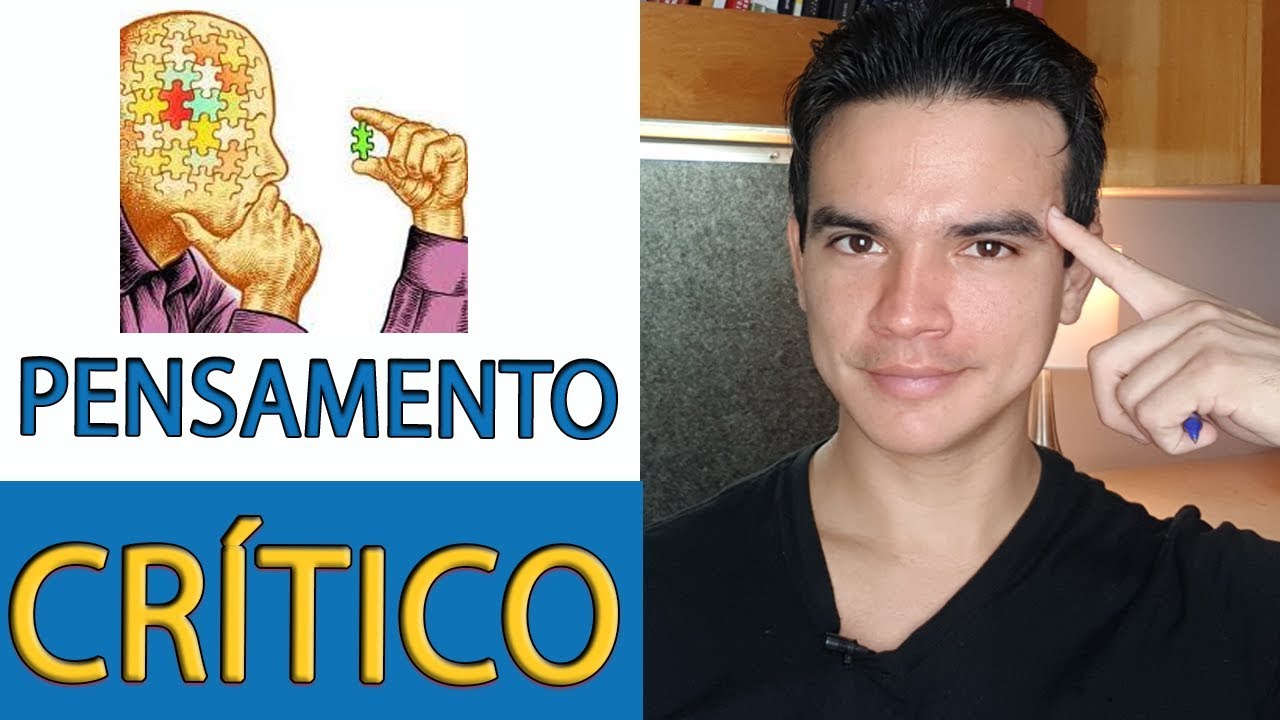
Hello, Karla Magalhães dos Labirintos Blog. Critical sense. What is?
And how to develop? Did you know that critical thinking was considered one of the most important skills at work in 2020? According to Aurélio dictionary critical sense is the ability to analyze, reflect or seek information before drawing a conclusion.
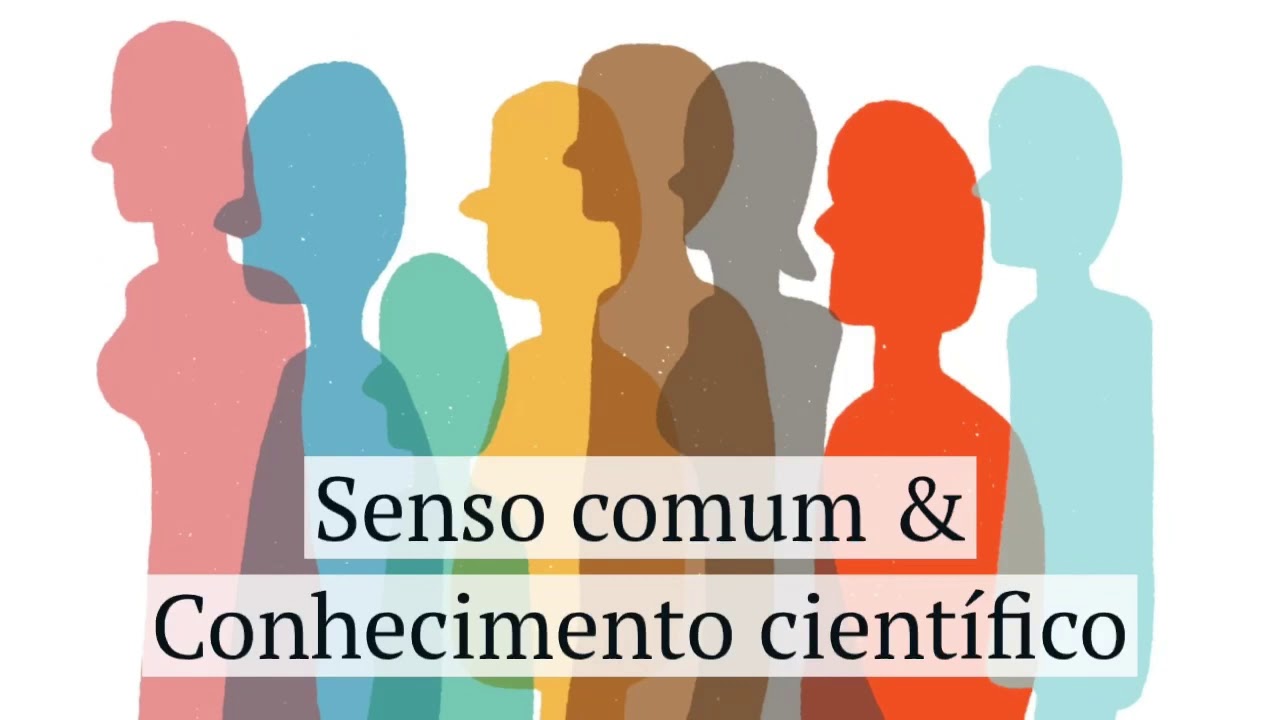
It is the tendency of those who do not automatically accept what is said or imposed on them. This characteristic improves and develops with practice. Critical sense differs from common sense in that this is a type of thinking that has not been tested, verified, or methodically analyzed.
Generally, common sense knowledge is present in our daily lives and is passed on from generation to generation. There's a video about it here on the channel: Common Sense and Science. I'll leave the link in the description.
But before continuing, subscribe to the channel so you don't miss the next videos. Critical thinking means the ability to question and analyze rationally and intelligently. Through critical sense, man learns to seek the truth, questioning and reflecting deeply on each subject.
The word criticism comes from the Greek kritikos which means the ability to make judgments. In the philosophical sense, the critical sense is related to the development of a reflective consciousness, based on the I, self-criticism and the world. The awareness of the social role of each individual promotes the ability to think about the truths imposed by the dominant society.
Thus, someone with a keen critical sense does not accept the imposition of any tradition, dogma or behavior without first questioning. Thus, developing critical thinking is a great evolutionary step in all areas of our life, for example: you will better solve problems at work, exams or entrance exams and in several other areas. But how can I develop critical thinking?
1. Inform yourself, read a lot and always discover new things. It's hard to give an opinion on subjects you don't know about.
know the news follow the news. Read different publications and always try to be in touch with what is happening in the world. 2.
Ask as many questions as possible. Start with the basic questions: what? The how?
And why? Then, compare the answers and always looking at the same subject from different perspectives . 3.
Knowledge funnel. Research on the topic of interest should start with the general topic so that you know all its aspects, but it is important to know and funneling knowledge until you reach the specific subject. 4.
Talk to different people on the same topic, each one can bring some new point that you hadn't noticed before. These are examples of critical sense: doubting information for which we do not know the origin. Question traditions.
Develop a work and the experimental or even discriminate things as better or worse than others. Finally, we will not accept as true something that we have not subjected to rational scrutiny. So, exercising critical sense is suspending judgment, not considering either true or false, good or bad until the task of analyzing has been completed.
Hope this video was useful to you! If you liked it, like, share and subscribe to the channel.