Are you ignoring these 7 silent signs of bowel cancer? They might seem harmless, but they could signal something far more serious. Bowel cancer can develop quietly over time, and by the time symptoms appear, it’s often advanced.
But the good news is, if you catch it early, you can prevent it from becoming life-threatening. Let me tell you about a close friend of mine. She was 45 years old, full of energy and life.
She was always careful with her health, but a few months ago, she started feeling a slight discomfort in her abdomen. Nothing major—she thought it was just gas or indigestion. We’ve all been there, right?
But as the months went on, the discomfort didn’t go away. It got worse. Eventually, she decided to see a doctor, and that’s when the news hit—she had bowel cancer, already in an advanced stage.
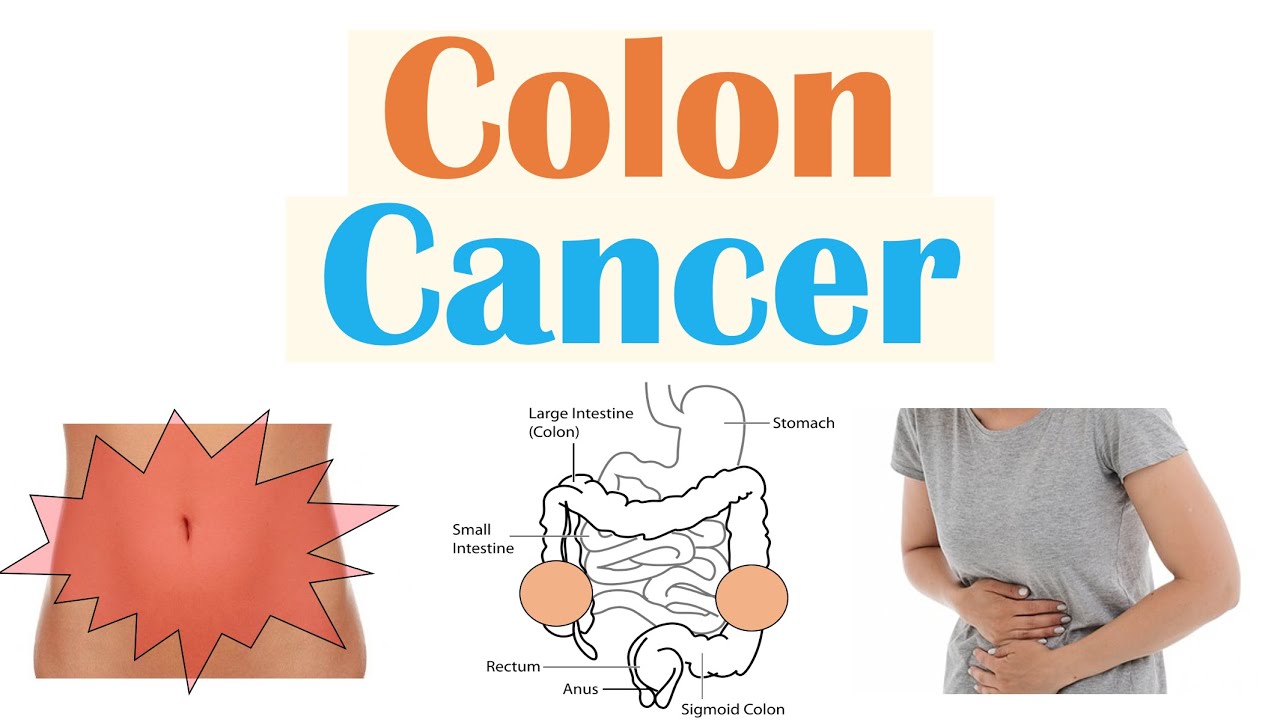
If she had known about these 7 symptoms earlier, her story might have been different. And that’s why I’m here today—to make sure that you know what to look out for before it’s too late. Bowel cancer, also known as colorectal cancer, is one of the most common cancers in the world.
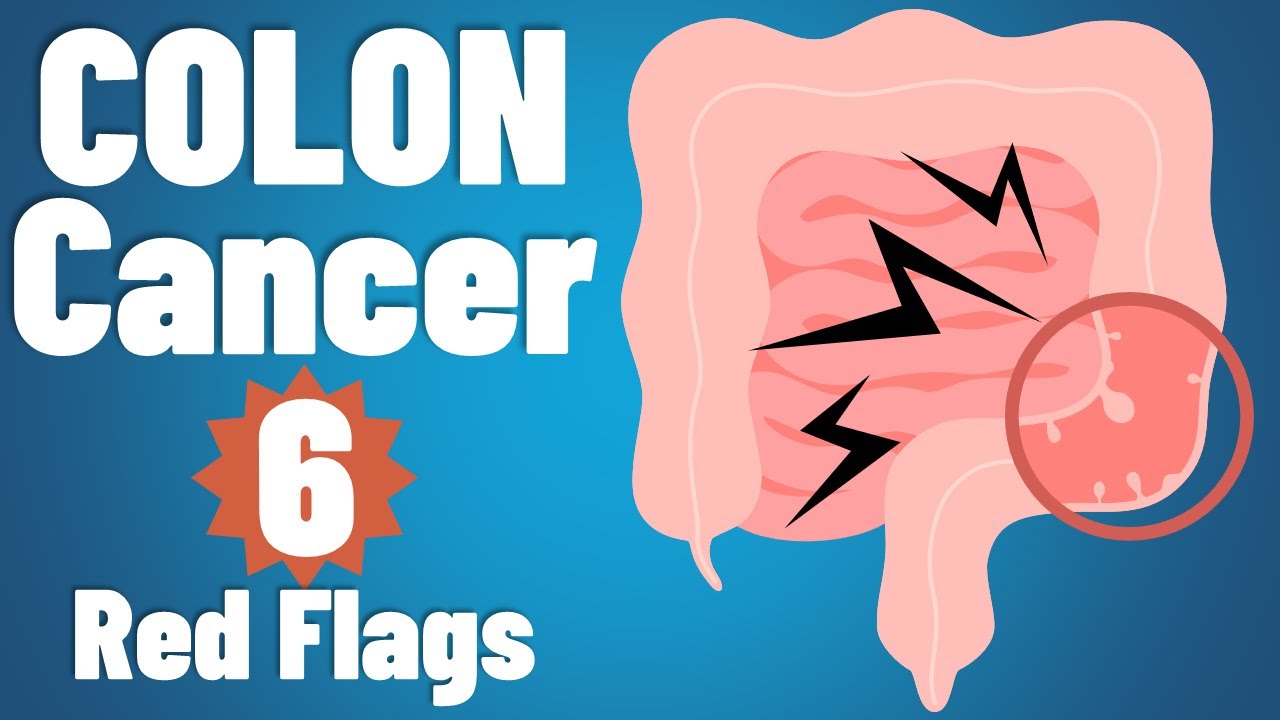
It's often slow to develop, which means many people don’t realize something’s wrong until it’s progressed. But the body does send warning signs—subtle ones that are easy to overlook, but critical to recognize. Today, we’re going to talk about those 7 key symptoms of bowel cancer that require urgent investigation.
These are signs that could save your life, or the life of someone you care about. Remember, this is not about causing panic—it’s about staying informed and proactive. The earlier we catch these signs, the better the chances of successful treatment.
Let’s start with something that sounds pretty ordinary: changes in your bowel habits. Everyone has their own routine when it comes to going to the bathroom. Some people are like clockwork—every morning after breakfast.
Others only need to go a couple of times a week. But what if that routine changes? What if you start going more frequently, or much less often?
What if your stool looks different—maybe thinner, or a different color? These changes might seem minor, but they could be an early warning sign. In fact, around 65% of bowel cancer cases involve changes in bowel habits.
Diarrhea that lasts for days, or constipation that comes and goes, can indicate that something is interfering with your digestive system. If you notice this kind of shift and it doesn’t go back to normal, don’t ignore it. Your body is trying to tell you something.
Now, let’s talk about something that’s a little more concerning: blood in the stool. I know, this can be shocking to see, and it’s easy to want to explain it away. Maybe it’s just hemorrhoids, right?
Or perhaps you strained a little too hard. But here’s the thing: while hemorrhoids can cause bleeding, so can bowel cancer. The difference is that the bleeding from cancer can be persistent, and sometimes, it’s internal—so you might not even see it.
The color of the blood can also give us clues. If it’s bright red, the bleeding might be coming from the lower part of the colon. If it’s darker, almost black, like tar, it could indicate bleeding higher up in the bowel.
Either way, this is a symptom that should never be ignored. It doesn’t automatically mean cancer, but it’s worth investigating. And here’s an important tip: always take a moment to observe your stool before you flush.
It might sound strange, but checking for blood, changes in color, or changes in shape can give early clues about your bowel health. If your stool looks unusually thin, like a ribbon, it could be a sign that something is blocking the passage, such as a tumor. Picture this, you’ve been feeling fine, going about your daily life, but lately, you’ve noticed a dull pain in your abdomen.
Maybe it comes and goes. Maybe it gets worse when you try to go to the bathroom. Could it just be gas or indigestion?
Possibly. But if this pain becomes persistent, or if it’s a new kind of pain that doesn’t go away, it’s time to pay attention. Abdominal pain can be caused by many things, but in some cases, it’s a sign that a tumor is blocking part of the intestine.
And speaking of things that are easy to overlook, fatigue is another big one. But this isn’t your typical, "I didn’t sleep well last night" kind of tired. This is a deep, lingering fatigue that sticks around for weeks, even months.
Bowel cancer can cause slow internal bleeding, which leads to anemia—a condition where your body doesn’t have enough red blood cells to carry oxygen. Without enough oxygen, you feel tired, weak, and drained, no matter how much rest you get. If this exhaustion seems out of the ordinary for you, it’s something you shouldn’t ignore.
Another symptom that might seem normal but could be a red flag is bloating. We all feel bloated from time to time, especially after a heavy meal. But what if the bloating doesn’t go away?
What if it starts to become a daily occurrence, even when you haven’t eaten anything unusual? Persistent bloating, especially when it’s combined with pain or discomfort, could be a sign that something is blocking your intestines. Tumors can cause partial blockages, trapping gas and stool, which leads to that uncomfortable, swollen feeling.
Let’s move on to something that’s a little less obvious: unexplained weight loss. Now, I know what you’re thinking—most people wouldn’t mind losing a few pounds, right? But here’s the key: if you’re losing weight without trying, and you haven’t made any changes to your diet or exercise routine, you need to pay attention.
When your body isn’t absorbing nutrients properly, or if a tumor is physically blocking food from passing through the intestines, weight loss can happen quickly. And that’s not a good sign. And finally, we come to one of the most subtle symptoms: the feeling that your bowel never completely empties.
You go to the bathroom, but even after you’re done, it feels like there’s still something there—like you need to go again. This sensation, called tenesmus, can be caused by a tumor blocking part of the colon. It tricks your body into thinking there's more stool to pass, when really, it’s the tumor causing the obstruction.
Now, here’s the scariest part: many people with bowel cancer don’t experience any symptoms at all in the early stages. That’s why regular screenings, like colonoscopies, are so important. If you’re over 45, or you have a family history of bowel cancer, getting checked early could make all the difference.
Bowel cancer often starts as small, non-cancerous growths called polyps. These polyps can sit in the lining of your colon for years without causing any harm. But over time, a small percentage of them can turn into cancer.
The good news? If these polyps are found early, they can be removed—before they ever have a chance to become cancerous. But here’s the part where you can take control.
Prevention is key, and there are simple, powerful steps you can take to lower your risk of bowel cancer: Drnk plenty of water. Staying hydrated helps your bowel move more efficiently and reduces the time that waste sits in your colon. Eat fiber-rich fruits and vegetables.
Fiber helps to keep your digestive system clean, speeding up the passage of stool and lowering the risk of cancer. Reduce your intake of red and processed meats. Studies show that too much red meat, especially processed meats like bacon and sausage, can increase your risk.
Incorporate natural anti-inflammatory foods into your diet. Spices like turmeric and cinnamon have been shown to reduce inflammation in the body, which can help prevent cancer. Don’t shy away from dairy.
If you’re not lactose intolerant, consuming dairy products like milk and yogurt can actually help lower your risk of bowel cancer. Stay active. Regular exercise helps regulate your hormones, reduces inflammation, and keeps your weight in check—all of which can help prevent cancer.
Avoid alcohol and quit smoking. Both alcohol and smoking are linked to an increased risk of bowel cancer, so cutting back—or quitting—can make a huge difference. Maintain a healthy weight.
Obesity is another significant risk factor for bowel cancer, so keeping your weight in a healthy range is crucial for prevention. And most importantly, don’t skip your screenings. A colonoscopy might not be the most exciting thing on your calendar, but it’s one of the most effective ways to catch bowel cancer before it becomes serious.
In fact, it’s one of the few screenings that can not only detect cancer but also prevent it by removing polyps during the procedure. So, if you or someone you love is experiencing any of these symptoms, don’t wait. Talk to a doctor today, and if necessary, schedule a colonoscopy.
It could save your life. The good news is that many cases of bowel cancer are preventable. With regular check-ups and some simple lifestyle changes, you can significantly reduce your risk.
If you found this video helpful, please remember to like, subscribe, and share this information with someone who might need it. Stay healthy, and I’ll see you in the next video!