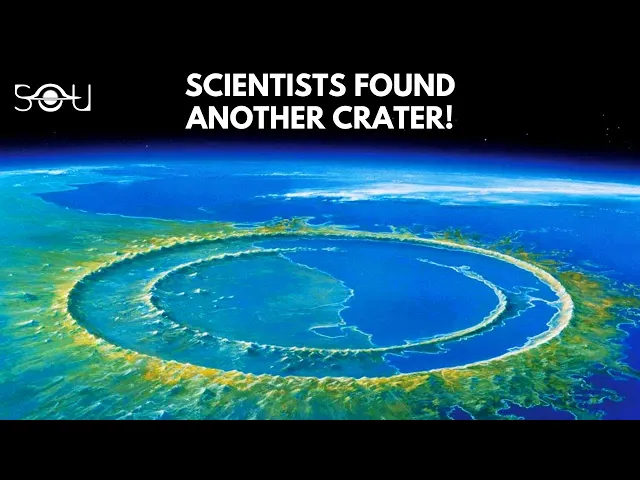
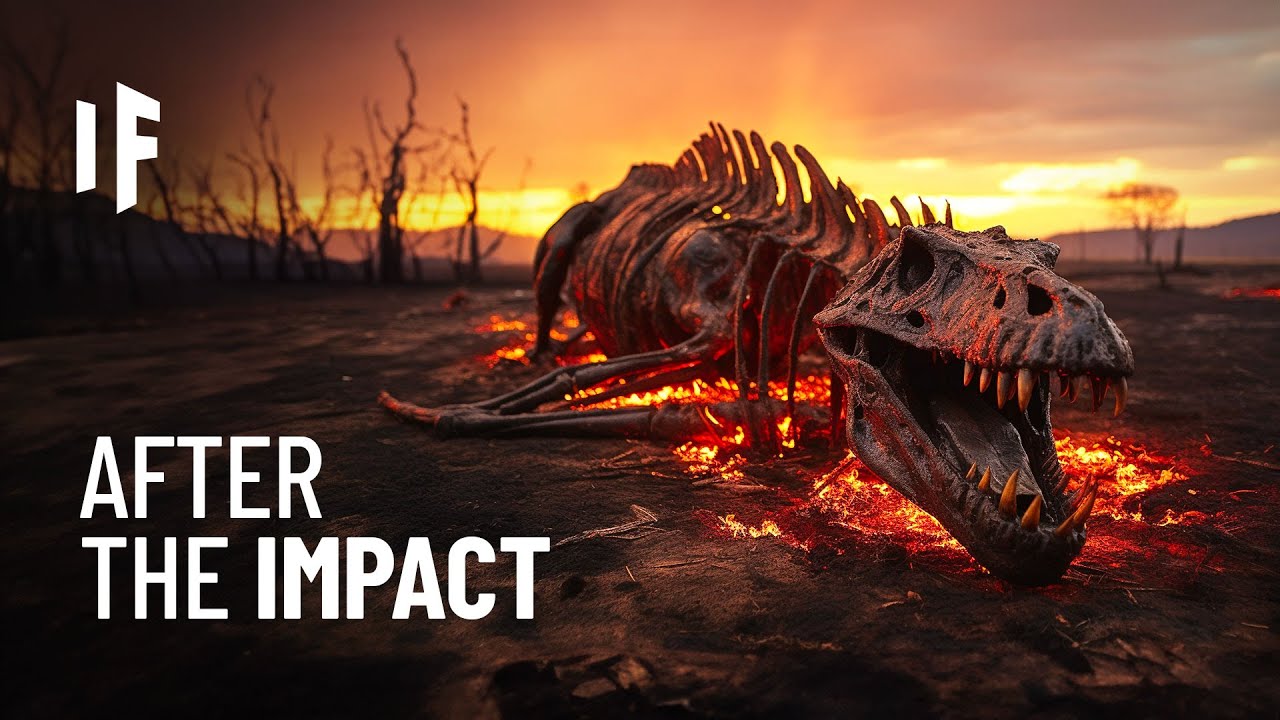
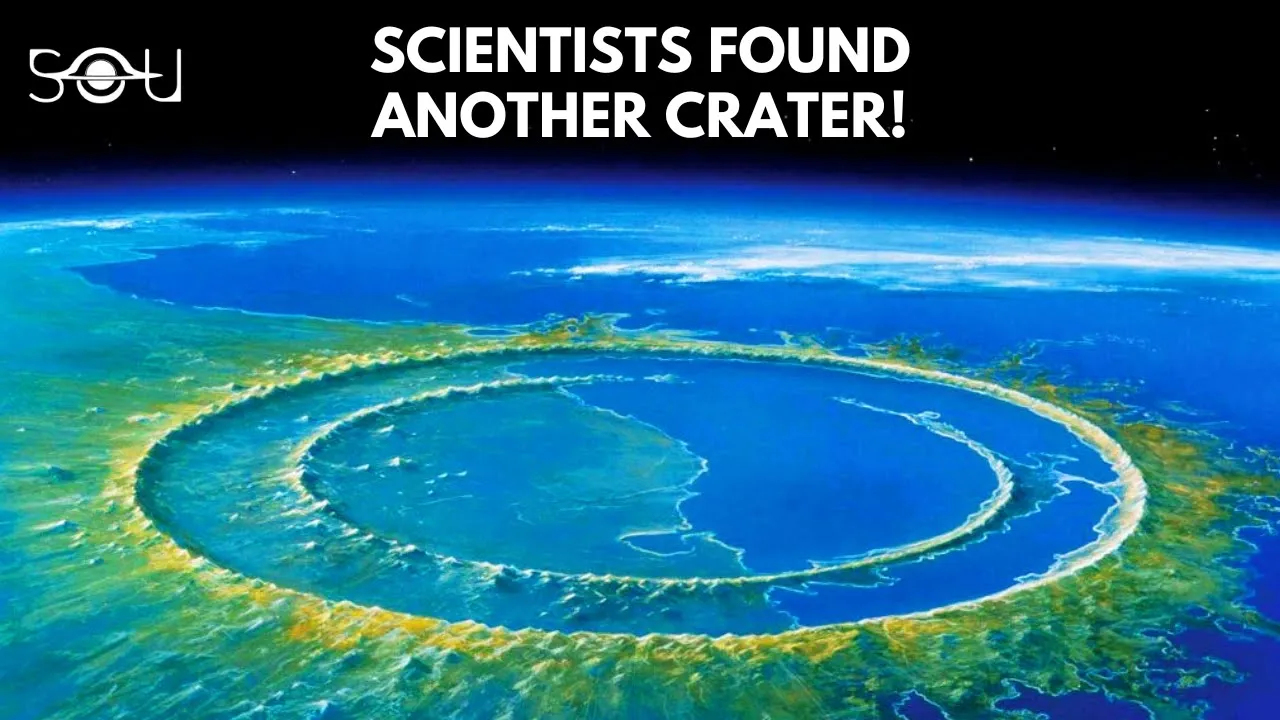
about 66 million years ago a 10 kilometer wide object from space hit the earth and initiated the fifth mass extinction event from causing wildfires that raged across the continents to triggering tsunamis the impact wiped out nearly 75 of life on the planet and specifically led to the extinction of non-avian dinosaurs in addition the impactor left behind a vast 180 kilometer wide crater known as the chickaloo crater underneath the yucatan peninsula in today's mexico so far scientists have believed that there was a single massive chunk of rock that triggered the extinction event but now in a
groundbreaking discovery they've found evidence that the chiksalub impactor didn't come alone instead it had a companion whose impact created the newly discovered nadir crater so how did scientists discover this crater how do they know its impactor contributed to the extinction of the dinosaurs finally and most importantly how many more such craters from that period lay undiscovered [Music] the story behind the discovery of the nadir crater is pretty interesting it was found accidentally while a geologist in edinburgh was working with seismic data from a seabed he was originally working on data related to seafloor spreading it's
a geological process that opened the atlantic ocean by drifting apart the african and american continents while analyzing the data he expected flat sedimentary sequences on the plateau however what he spotted was completely unexpected the team found an 8.5 kilometer wide depression under the sea bed possessing some unusual characteristics the nearly circular depression had a raised rim in addition to a very prominent uplift at the center moreover it had structures that pointed at chaotic sedimentary deposits extending tens of kilometers outside the crater craters on earth usually form due to the collapse of a volcano or salt
withdrawal processes but nadir's features didn't match those of traditional craters instead its properties resemble impact craters resulting from collisions with asteroids after considering these facts the team concluded that the nadir depression also possibly resulted from one such cosmic event the nadir crater lies some 350 kilometers out of the coast of the african countries guinea and guinea bissau and spans only around nine kilometers in diameter the current water depth in this location is approximately 900 meters and the crater is covered by 300 to 400 meters of marine sediment nadir's size tells us that it is nowhere
close to the chiksalub crater but when its position was examined with respect to different geological layers the researchers concluded that it is 66 million years old although there is some uncertainty about the precise time of impact and the age of the crater if we only consider the best estimates this age corresponds to the era of the chickzalube impact thereby hinting that the two impacts may have been related the researchers employed computer modeling and simulation to have detailed insights into the crater they found that the crater could have been formed by the collision of a 400
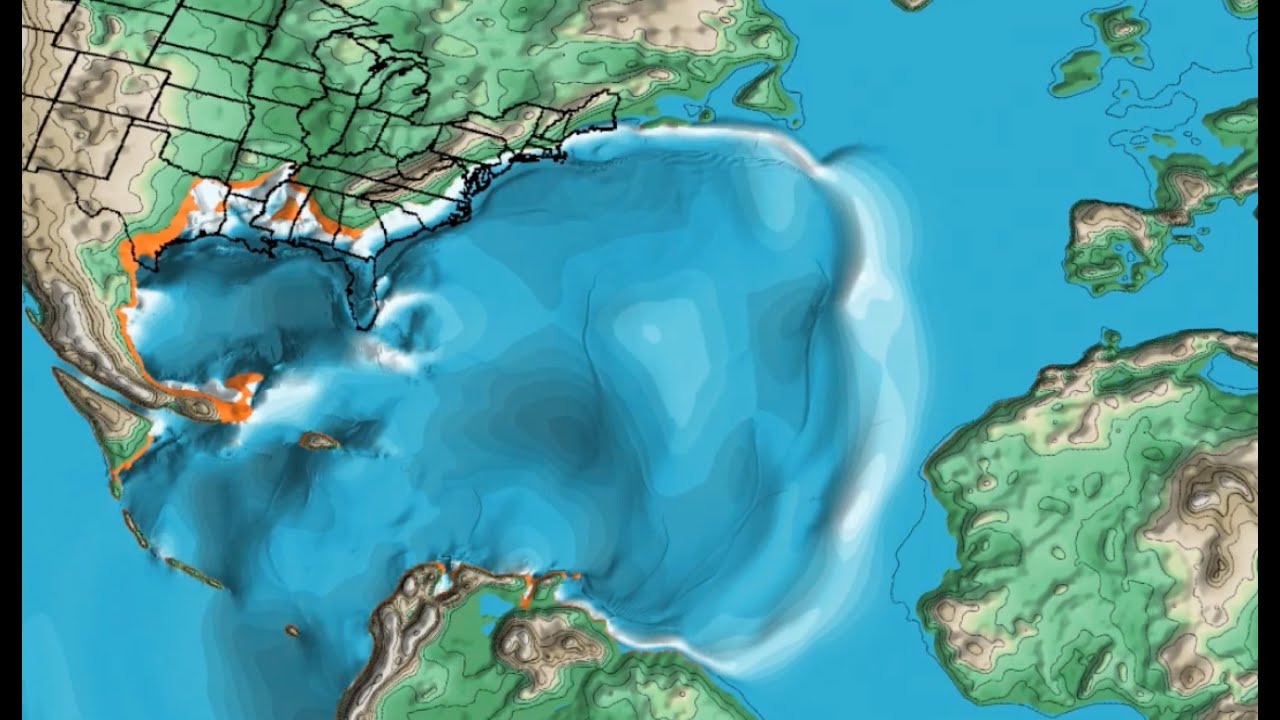
meter wide asteroid in 500 to 800 meters of water this would have resulted in a widespread regional devastation along with a 6.5 magnitude earthquake and a 900 meter high tsunami traveling around the globe the energy released from the nadir impact would have been one thousand times greater than the tsunami caused by the underwater eruption of the hungatanga hunga ha apaya volcano on january 15 2022 the estimated size of the asteroid would put it roughly on par with asteroid bennu while connecting the nadir impactor with the chiksalub impactor several possibilities arise usually large asteroids are accompanied
by small moonlits so the nadir impactor might have been one such moonlit of the chicxulub impactor in addition we have seen confirmed cases of dual impacts in history one example includes the four hundred and seventy million year old lochnie and malingen craters in sweden further solidifying this prospect the second scenario says that the giant parent asteroid or comet possibly broke up into several small and large pieces during an earlier close encounter with earth giving birth to two same age impactors if something like this happened it would have resembled the event when jupiter's tidal forces tore
apart comet shoemaker levy 9 before the resulting fragments smashed into the planet's atmosphere in 1994 apart from these two possibilities the team also suspects an event of impact cluster where the collisional breakup of a main belt asteroid results in a period of frequent meteorite impacts and if this theory is correct we might also be able to put boltish crater having an estimated age of 65.4 million years in the same group as chiksalub and nadir however the validity of any of these theories is uncertain there is a slight possibility that nadir is just a collapsed volcanic
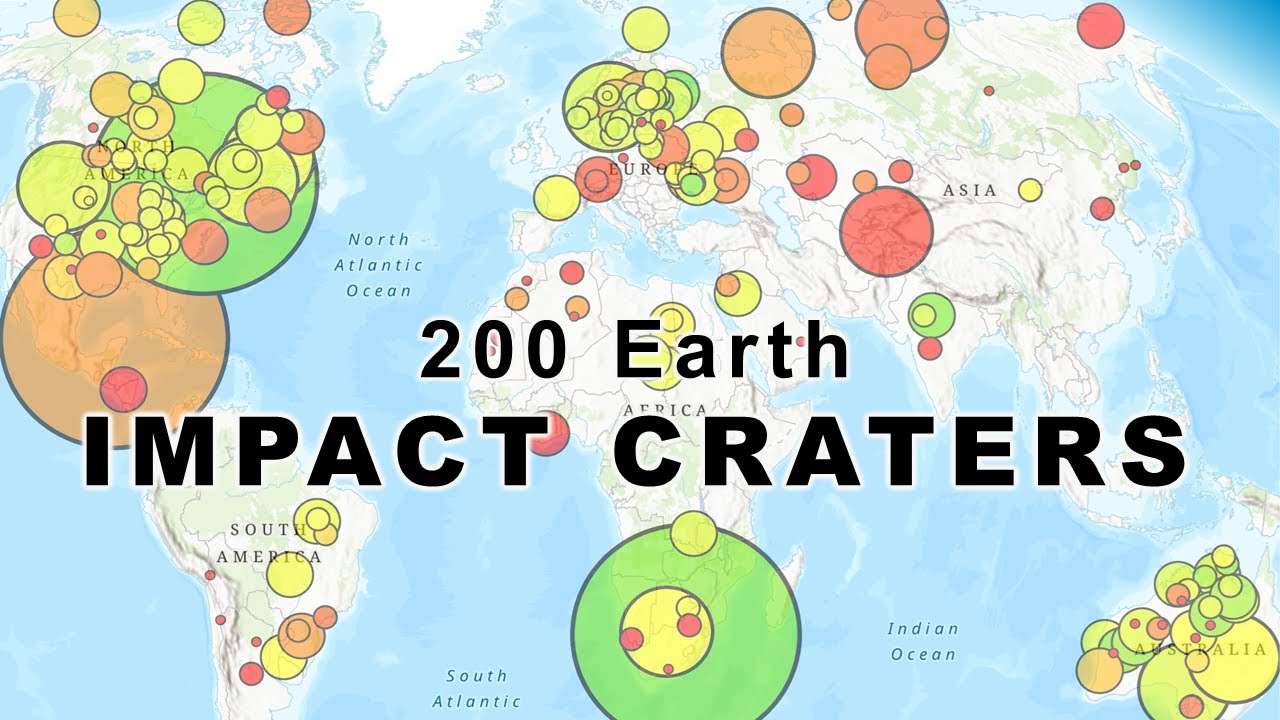
structure with no relation to chiksulube if we consider the earth's history of such hypervelocity impacts risky impactors almost 50 meters in diameter collide with the earth nearly every 900 years and impactors larger than one kilometer posing a potential risk of global catastrophe hit almost every 1 million years still not much information is available regarding such impactors with high precision because more than 70 percent of the earth's surface is covered with water it is expected that marine target impacts should constitute the majority of craters on earth however only 15 to 20 confirmed hyper velocity impact craters
are marine impact events so if the cosmic connection of the nadir crater is established it will become one of less than 20 confirmed marine impact craters found on earth so far it will also force us to rethink our accepted notion of how the dinosaurs reached the end of their reign and what else might have happened did chixolube have more siblings and if yes where did they leave their signatures will we find more craters like nadir in the future the questions are endless and we hope to find the answers to them in the future this concludes
the 25th episode of the sunday discovery series so if you've enjoyed this video make sure to like it subscribe to our channel and press the bell icon so that you don't miss any future videos of the series you