seven mistakes that property investors make when it comes to flipping houses whilst there is a huge amount of money to be gained through flipping houses there's also a huge amount of money to be lost with great power comes great responsibility so in this video I'm going to explain seven pitfalls that most property investors make when flipping houses so that hopefully you don't have to make those same mistakes number one choosing the wrong area now a lot of people ask me what's the right area and what's the wrong area when it comes to choosing a house
to flip now a lot of people are oh what's a good area and what they mean by that is would you buy in Liverpool would you buy Manchester or Sheffield or Leeds Birmingham or London or that they're asking for huge cities and and big open spaces and the reality is that there's good areas and bad areas in all of them what I always look at when it comes to choosing an area or not even an area a particular Street or particular property is are there proven sold Parables if you are buying a house on a
street where a house hasn't sold for the last 20 years I would be cautious about buying it especially if you're a beginner and especially if you're new to the area I'd be cautious about buying that because there's no proven sold comparables however if you're buying a three-bedroom terraced house and every single terraced house on there has sold in good and bad condition for at least 150 000 pounds and you've picked yours up for 130 120 you know it's going to be a good deal so that's what I look at when choosing an area I don't
care about schools I don't care about public transport because the house prices Factor those in anyway all I need to know is what has been proven to sell in that area number two bad due diligence a lot of people when they run due diligence and I find this especially with deal sources and deal packages is they look at what are sold so let's say they look in an area on a street and it looks like there's been three or four houses that have sold within the last year and they range from selling for 150 000
all the way up to two hundred thousand now what I find sometimes people will do is they look at the best case scenarios so they'll be looking at things like I think once we get this house and we do it often we sell it it'll be worth 200 000. well what about the ones that sold for 150 what happens if it sells for 150 you cannot just always think best case scenario you've got to think average or to be honest and on the side of worst case scenario because you always want to make sure that
you're doing your proper due diligence because when you come to sell it if you end up having to sell it for less than what you expected it may eat into your profit and may actually mean that you make a loss on the property so when you're doing your due diligence look at the worst case scenario rather than just the best case scenario number three overdoing it on the refurb an example of this I have a client of mine called Benny's done a video with us recently he's got a fantastic property deal up in the north
of England when I went to have a look at it he was asking me what I would recommend in terms of refurb and he had some ideas about adding a hallway and making like adding a partition wall and to be honest the things that he said he wanted to do to the property sounded like it was going to be quite expensive and when I looked at the area I knew that the best they're going to do is sell that for about a hundred thousand and to be adding hallways and things like that it doesn't actually
add value so when I was with him I explained to him you know if you want to get the most amount of money out of this property you need to know what adds value and what doesn't so you look at a sole comparable something else that has sold for a hundred thousand Pounds what's the difference between that house and the house you've currently got what do you need to do to get your house from where it is now to where it needs to be to sell for that and value that you're after easy wins for
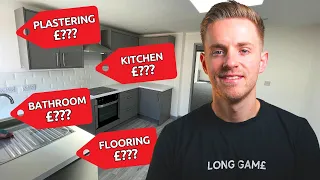
adding value I would say is always your cosmetic stuff so uh painting the house new flooring kitchen bathroom things like that really add value new electrics new Plumbing those things really add value adding partition walls or knocking down chimneys things like that to be honest is only really in a lot of cases only just going to add costs to your renovation as opposed to adding value to the property number four using bad Builders a lot of people will end up using bad Builders not because they choose bad Builders but because they don't do their proper
research on the builders that they're using so I always say to people when you're finding a builder make sure you go off recommendations of friends and family even friends and family I'd say you probably want to err on the side of caution with them you wouldn't be getting recommendations from investors people that are doing full Renovations big projects because that's what you need to be doing on your houses you know if your family and friends have had someone around to plaster a wall that's great but how good are they Plastering a whole house how quick
are they turning those things around so getting recommendations from the right people is really important the other thing is look at reviews on Google are they on Google or trustpilot what's their reviews how you know what are people saying about them are they able to send you examples of previous work that you can have a look at some before and afters and also are you able to speak to a couple of their previous clients on the phone or even in person to just see how they found the whole process of working with that Builder number
five is not having a plan okay having a plan I often think comes down to having a schedule of works so when it comes to the renovation especially how quickly is it going to happen what's happening on what weeks having scheduled Works having the right contracts in place is part of your plan making sure that you have a right the right budget in place and making sure that you're keeping your team accountable so they're sticking to time they're sticking to budget and they're doing what you say that you want to do but you cannot know
what you want to do if you don't have a plan we've all heard the whole if you prepare to what is it you plan to fail you fail to fail to plan your plans failed that's the one that's the one we've all heard it before but it is actually true number six is buying at market value if you're buying at market value then you are hoping that when you renovate it it's going to really drive the price up and I really recommend not doing this yes if you want to renovate and add value that's great
but if you're buying a property at market value you are 100 living off of Hope value that the money that you spend on the property will make money in the future so what I would always say is do a combination of both or even at the the very least make sure that you're buying below market value it's the phrase I always say that I got taught that I live by the profit is in the purchase if you buy a house that's worth a hundred thousand pounds for eighty thousand whether you then spend 20 grand doing
it up to make it worth 131.40 whether you do that or not if you just need to sell it quickly the following month in an auction or if you need to flog it you're not losing money and in some cases you can just buy and sell in the same condition and still make a profit number seven is not having a contingency so I often factor in for things like your renovation costs about 15 to 20 percent of a contingent agency fund but it's not just your renovation that you need to factor in a contingency for
you need to have a contingency for the end value what if you sell it for 10 less than you're expecting a contingency for time so your holding costs your council tax your gas and electric your interest rates you know for whilst you're renovating what if it takes a month or two longer than You're Expecting have you got a contingency for time for the end value and also for your renovation costs now those are seven mistakes that a lot of people make but I'm going to throw in just one more the ones that I've just said
previously are quite practical you know have a plan make sure that you're doing the right due diligence things that you can do but the last thing I want to say and it's very very important and it's where I see most people tripping up when it comes to starting to flip houses especially for beginners is getting emotionally invested if you get too emotionally invested and it becomes a passion project and you just love it so much you're susceptible to overpay on the purchase price price overpay on the refurb spend where you don't need to spend and
it also means that when it comes to the end value in selling it you might have a slightly warped and unrealistic expectation of what the end value is because you're so emotionally invested with it you see it with sellers all the time who've lived in a home and they're selling a home they think it's worth so much more than it is because there's that sentimental emotional value that they place on that that just isn't there so you need to look at it from an investment point of view what money are you putting in what money
are you getting out that's it so those are the pitfalls that I would say most people fall into make sure you don't make those mistakes when you're going to flip a house and good luck if you're going to flip a property I wish you all the best now if you want to start getting into property but you may not have the capital right now to start investing in big renovation projects I always recommend to people get started in Deal packaging deal selling where you're finding good deals you're finding serious investors partnering them together and taking
thousands of pounds as a fee it helps you build up your pot it helps you build up your skill set and I'm running a full day of training on that so if you're interested make sure you find out more by clicking the link in the description or by checking out this video just here where I explain a little bit more about what deal packaging is I hope you've enjoyed the video see in the next one