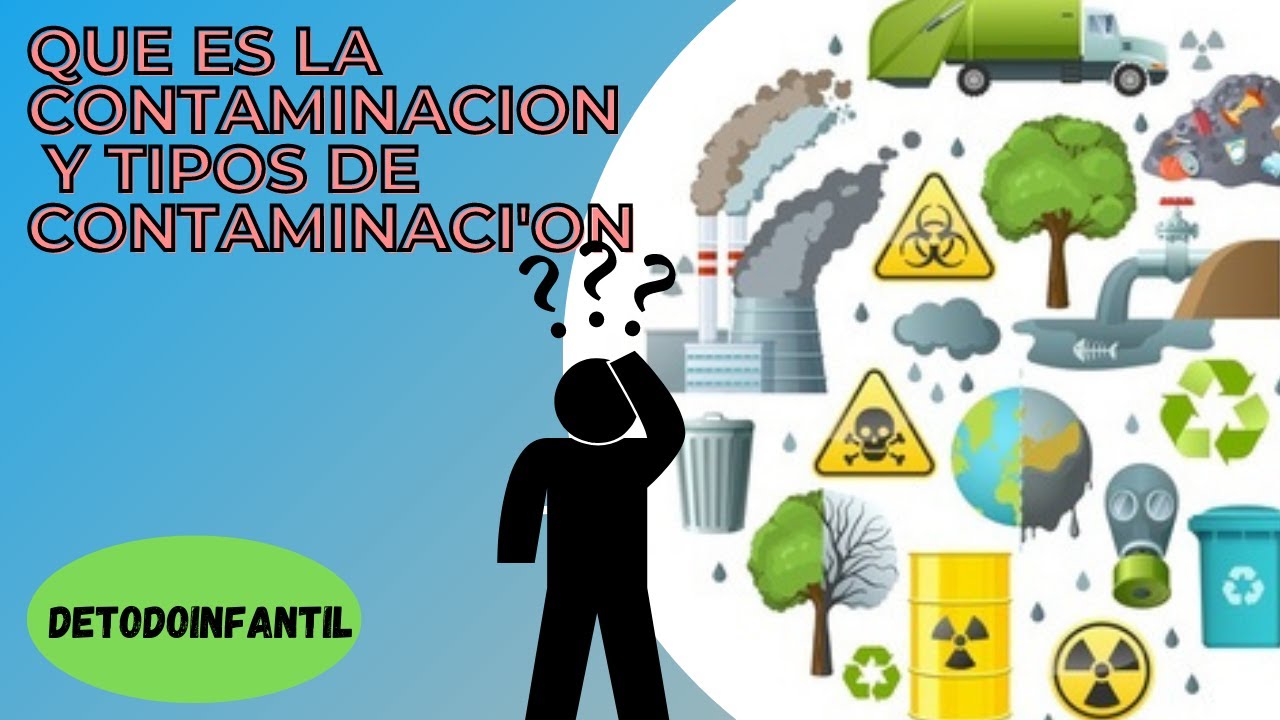
Pollution is the introduction of substances or elements in a certain environment with negative effects for living beings related to that environment. We generally speak of pollution as the result of many of the activities carried out by man (directly or indirectly) which not only affect human societies, but also many communities of living organisms. The effects of pollution caused by human beings are not always visible to man, as they are often observed in unknown or unknown animal or plant communities , some very close to civilization and others completely remote.
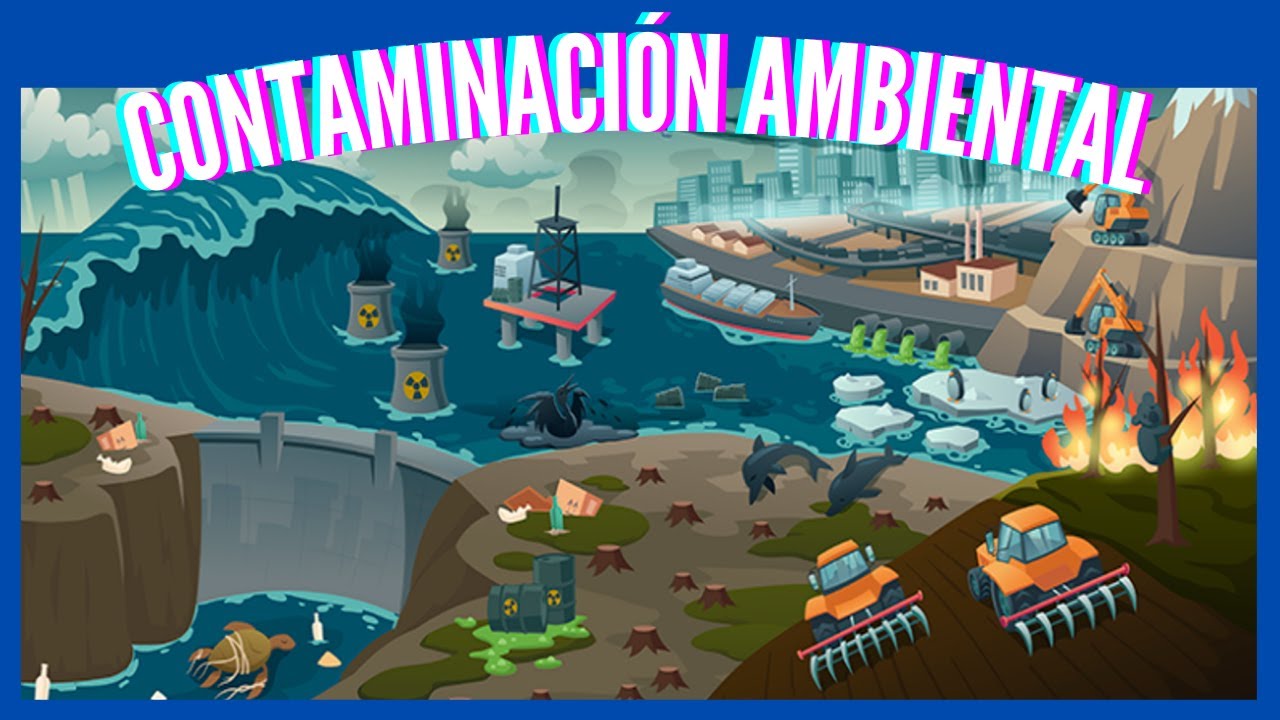
Although it may seem strange, there are many different types of pollution, and most likely we ourselves do not realize that we pollute our environment with many of the things we do every day and that allow us to have "a better quality of life". Next we will talk a little about the contamination of water, soil and the atmosphere, but we will also mention some forms of contamination such as sound, visual, light, electromagnetic, thermal, radioactive and others. Types of environmental pollution 1.
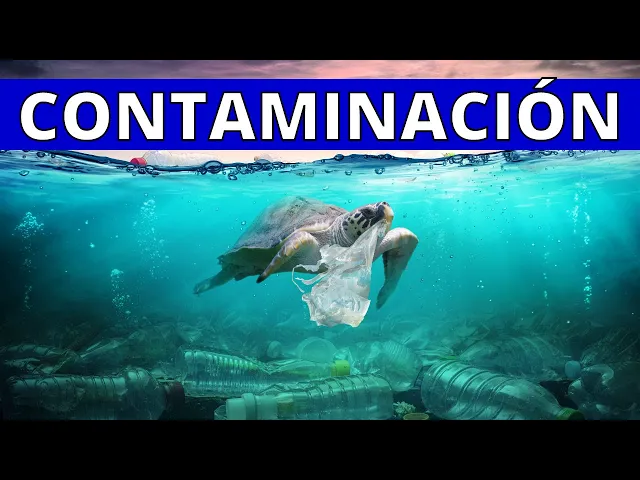
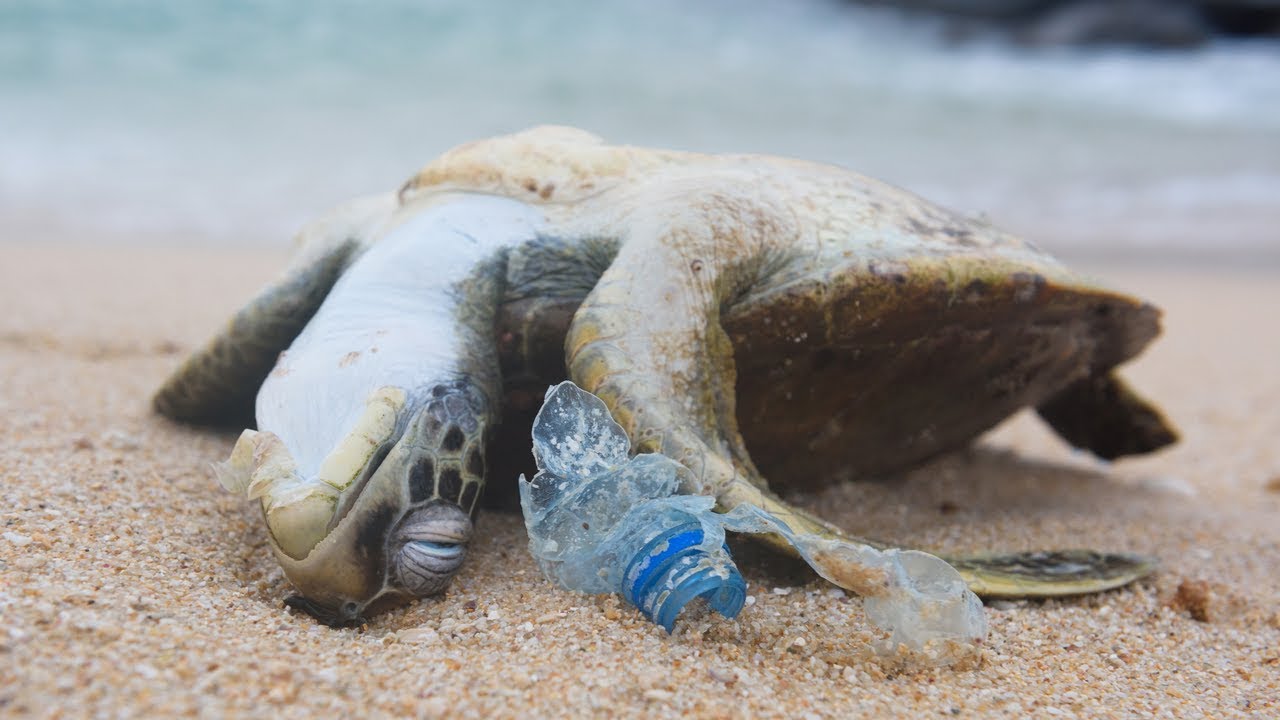
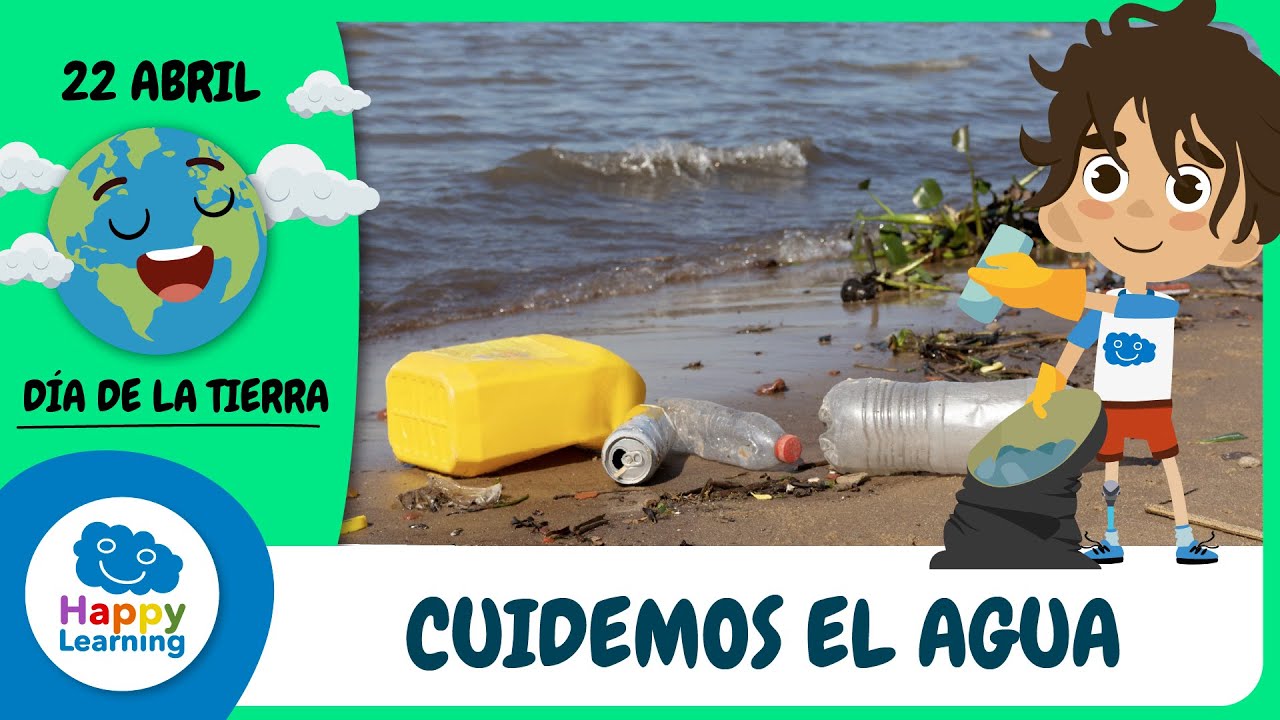
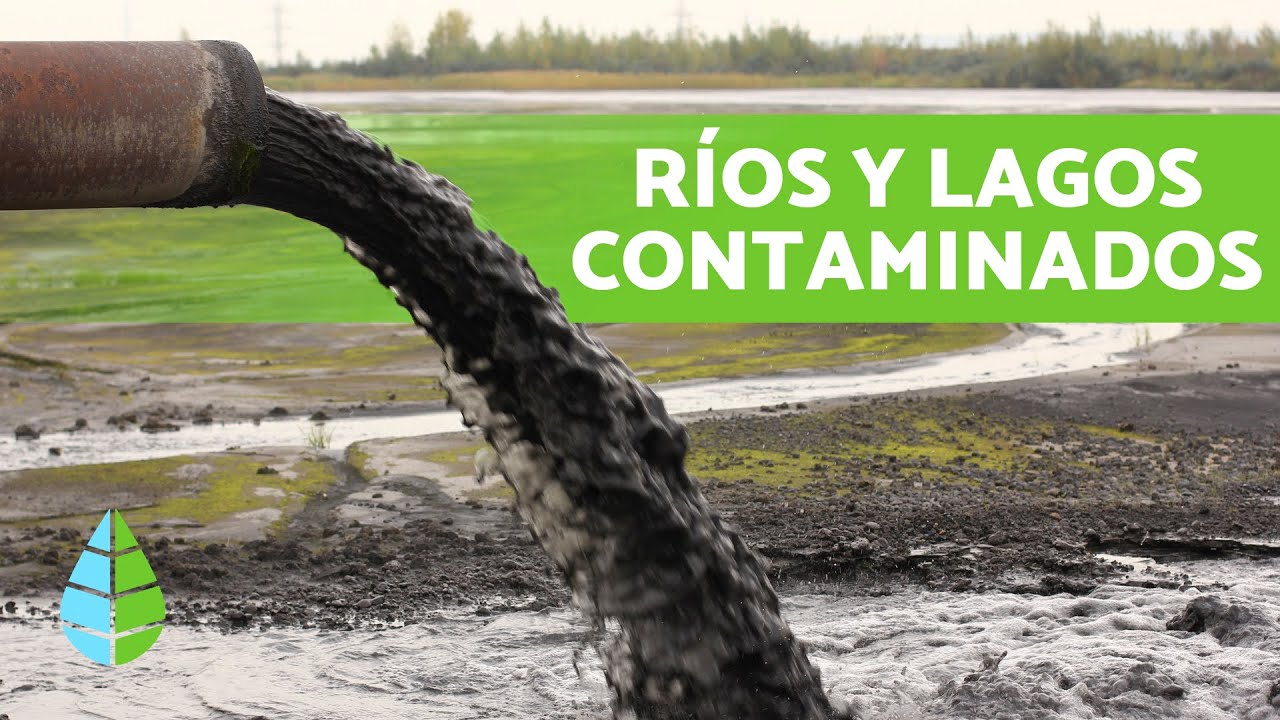
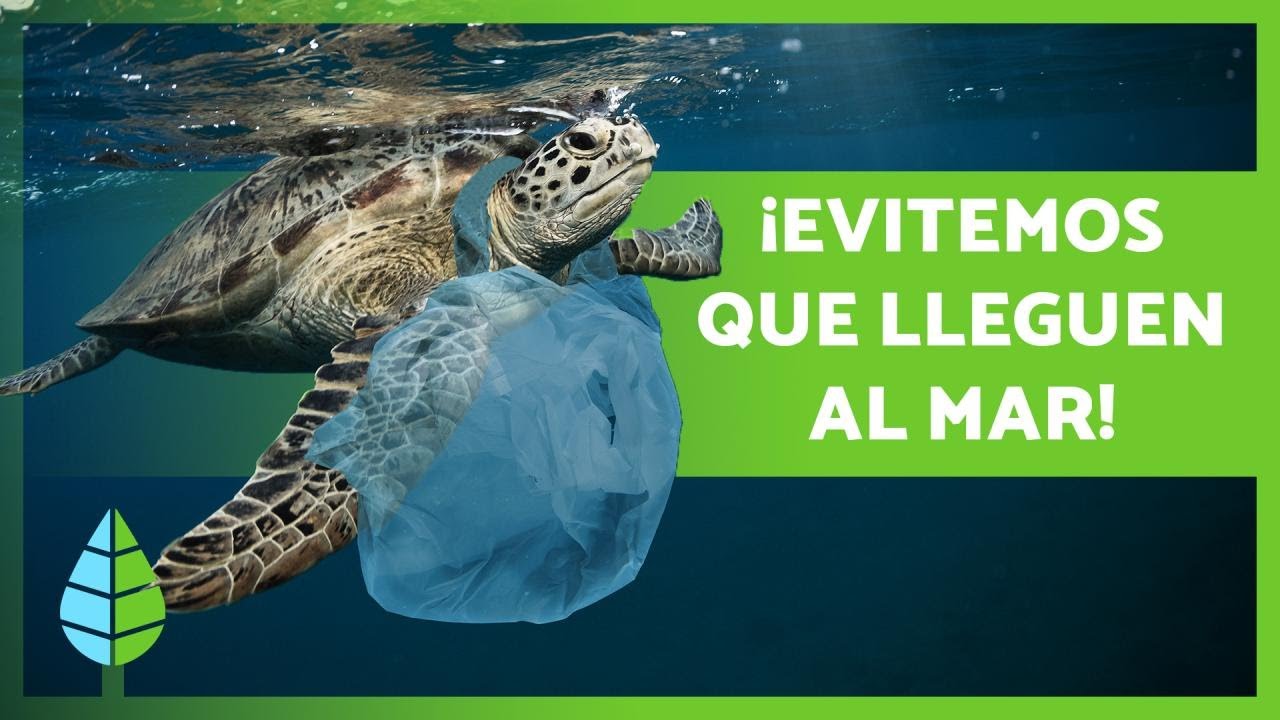
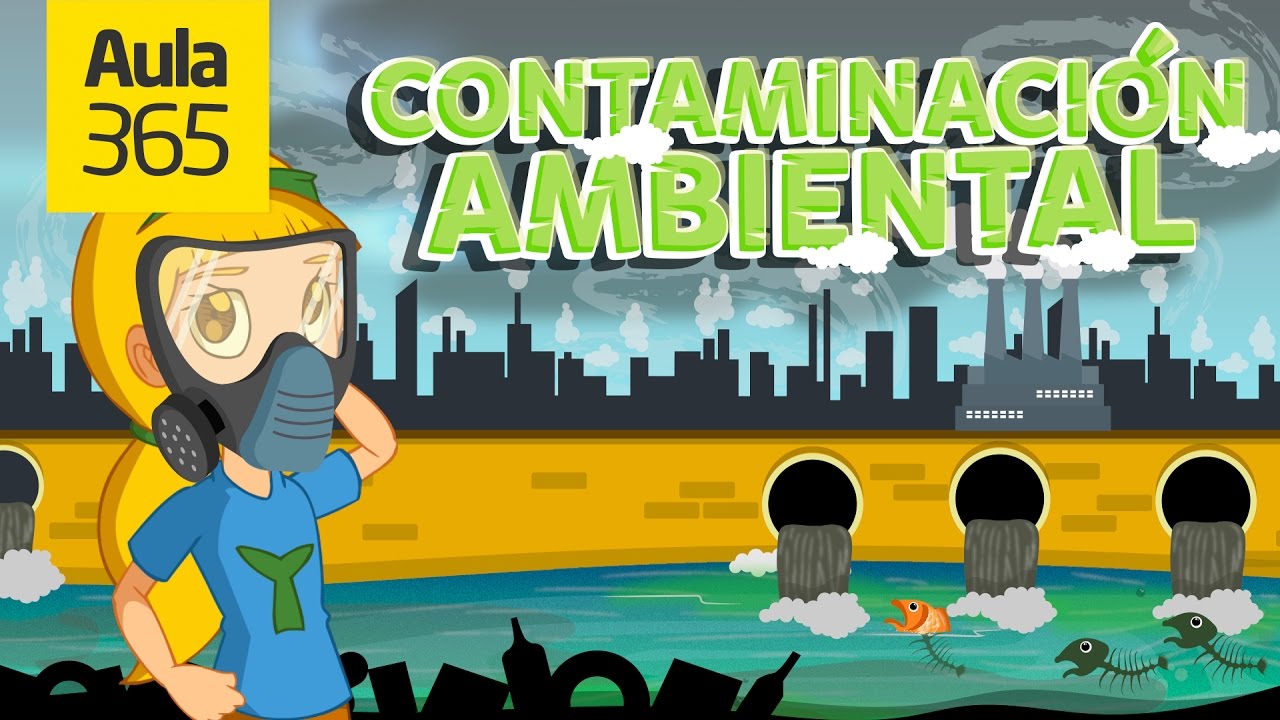
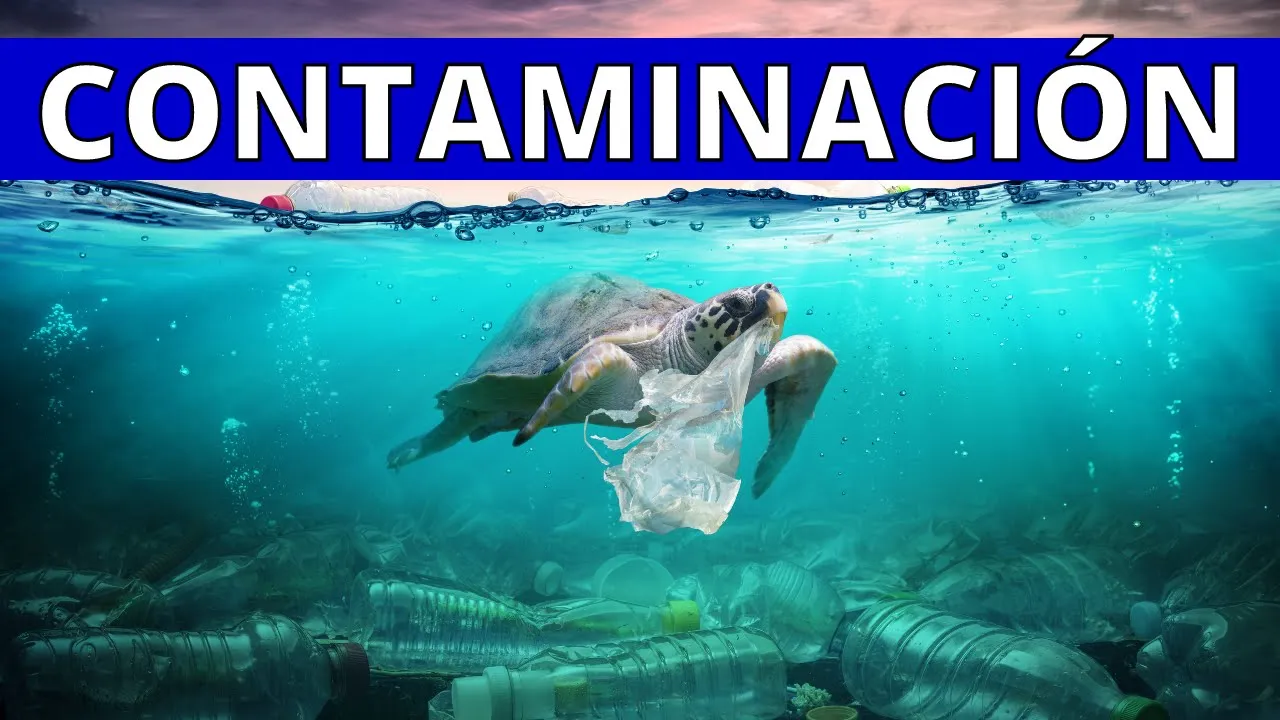
Water pollution With the term water pollution we refer to water pollution. This contamination can occur at different levels, since it can occur in: - The water of rivers, lakes and lagoons - The water of the seas and oceans - Groundwater Water contamination is one of the most dramatic and important for humanity, since it not only puts the lives of the animals and crops we eat at risk, but also puts ourselves at risk. Contaminated water also puts at risk countless animals and plants that live in the water or that depend on these bodies of water to survive, reproduce, find food, among other things.
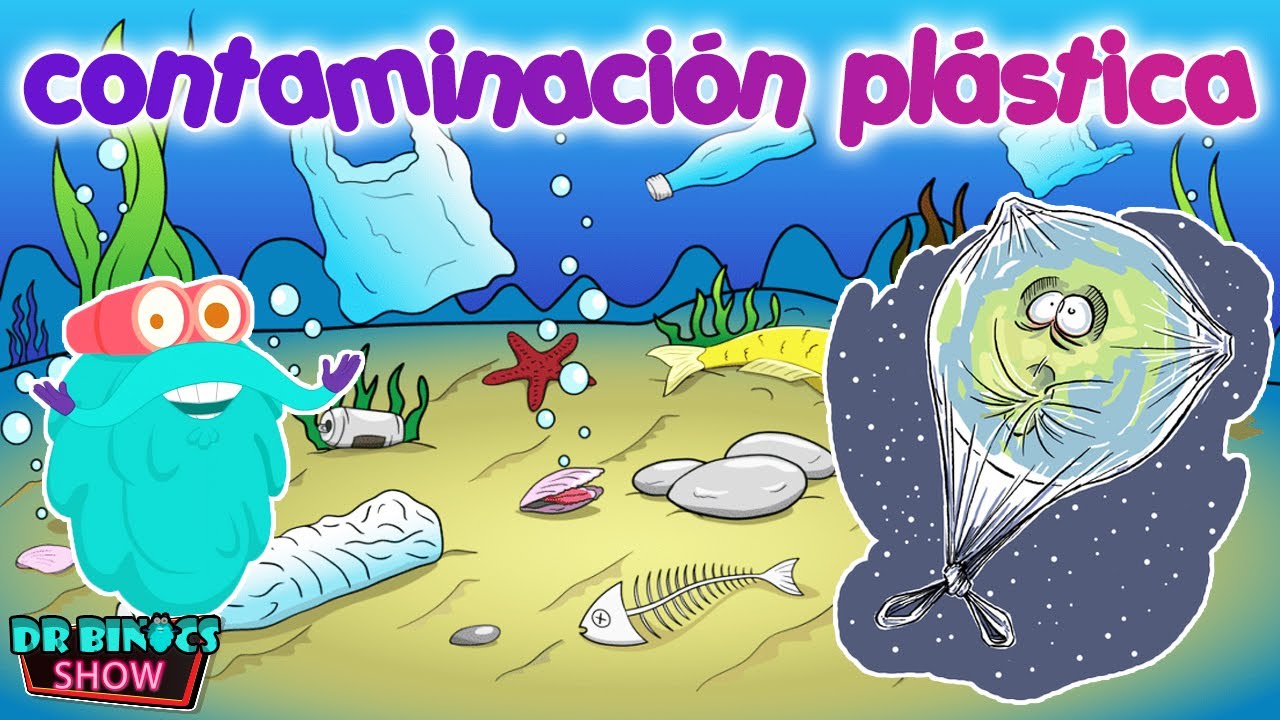
Water contamination can be due to many factors, including: - The presence of solid waste in bodies of water: plastics and food wrappers or human-related products, car tires, parts for household appliances and motor vehicles, among many others. stuff. - In the presence of polluting chemical substances : industrial waste products that are used for complex manufacturing processes, compounds derived from the oil industry and related, toxic substances, insecticides or pesticides used in the cultivation of vegetables and cereals, fertilizers for plants, etc.
2. Soil and subsoil contamination Soil contamination is also a major problem for our planet, as it has to do with the alteration of soils that are home to thousands of organisms, plant roots and more. It can occur due to physical elements, that is, by the introduction of garbage and/or solid waste, as well as by the infiltration of chemical substances that can have negative effects on plant growth or the proliferation of microorganisms that inhabit the soil.
. Much of the soil pollution has to do with the latter, that is, with the introduction of toxic chemicals into the soil. These substances include fertilizers, fungicides, insecticides, herbicides and all kinds of pesticides used in the agricultural industry for the extensive planting of monocultures (crops of a single plant variety).
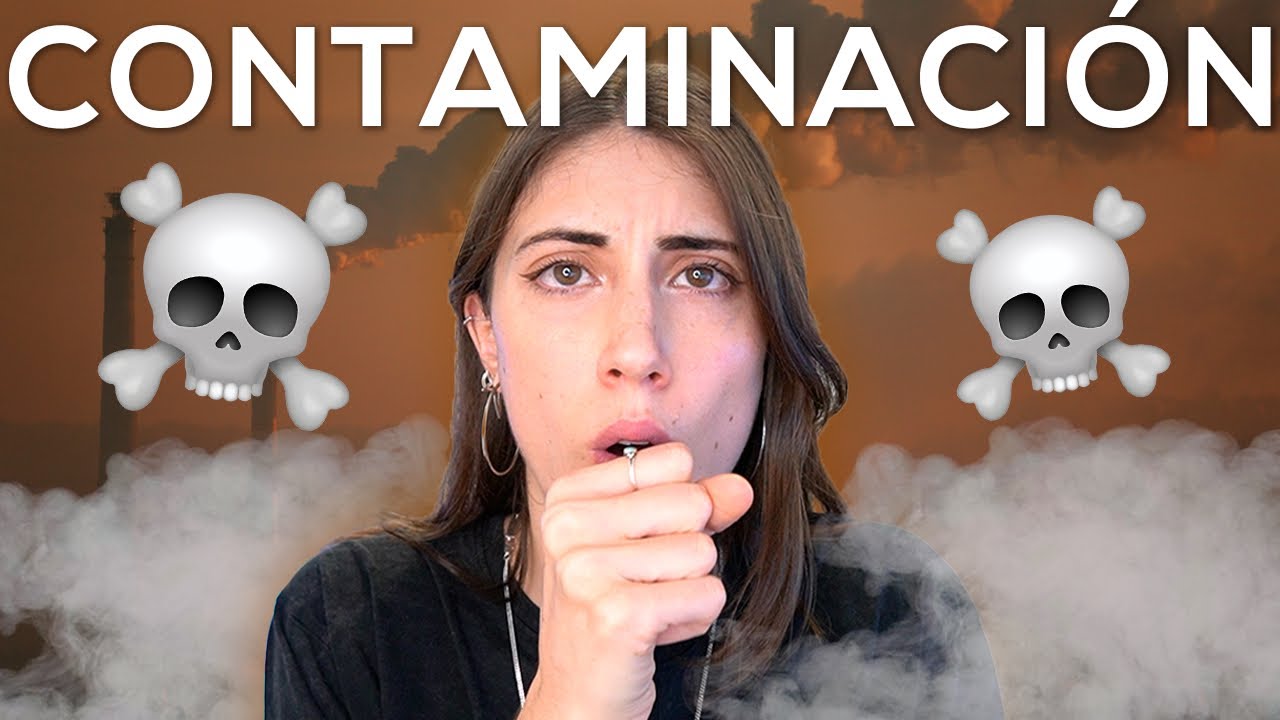
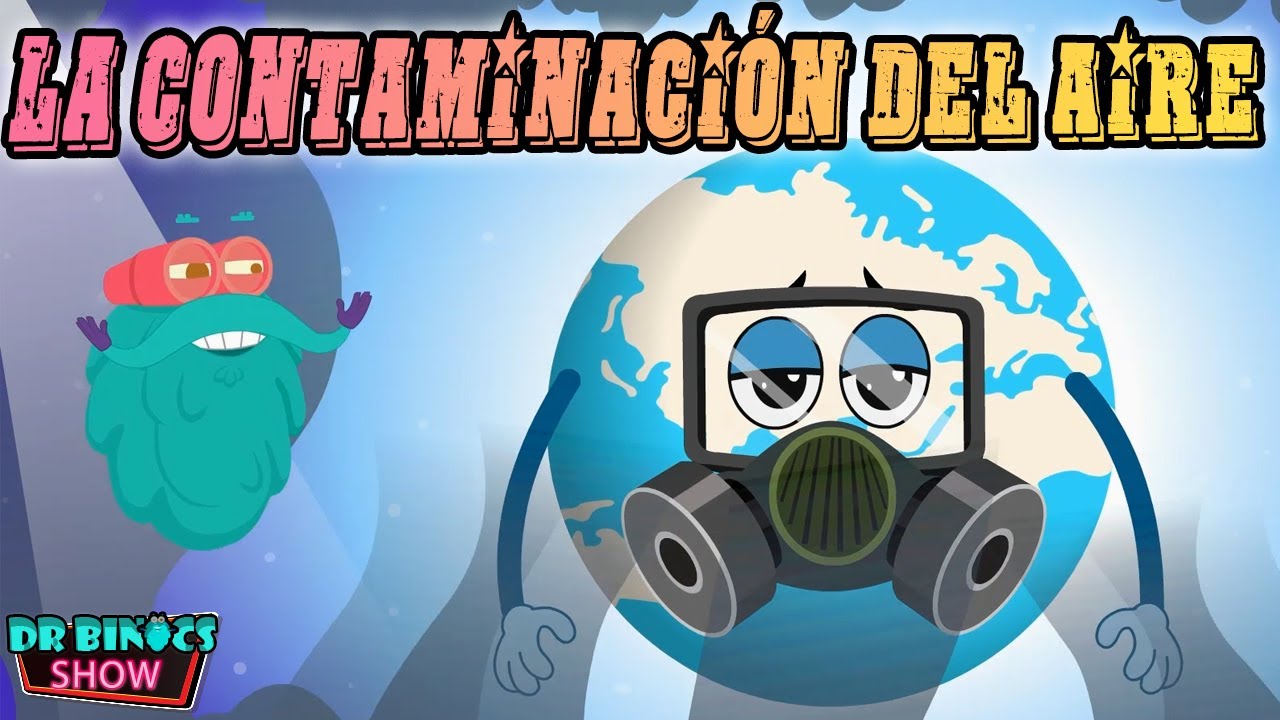
It not only affects man due to the deterioration of the soils from which he obtains much of the food he consumes, but it also affects other living beings related to soils and is also usually the initial step towards groundwater contamination. 3. Air pollution or air pollution It is the pollution of the gaseous layer of the earth, so it mainly involves the air we use to breathe during the day, every day of our lives.
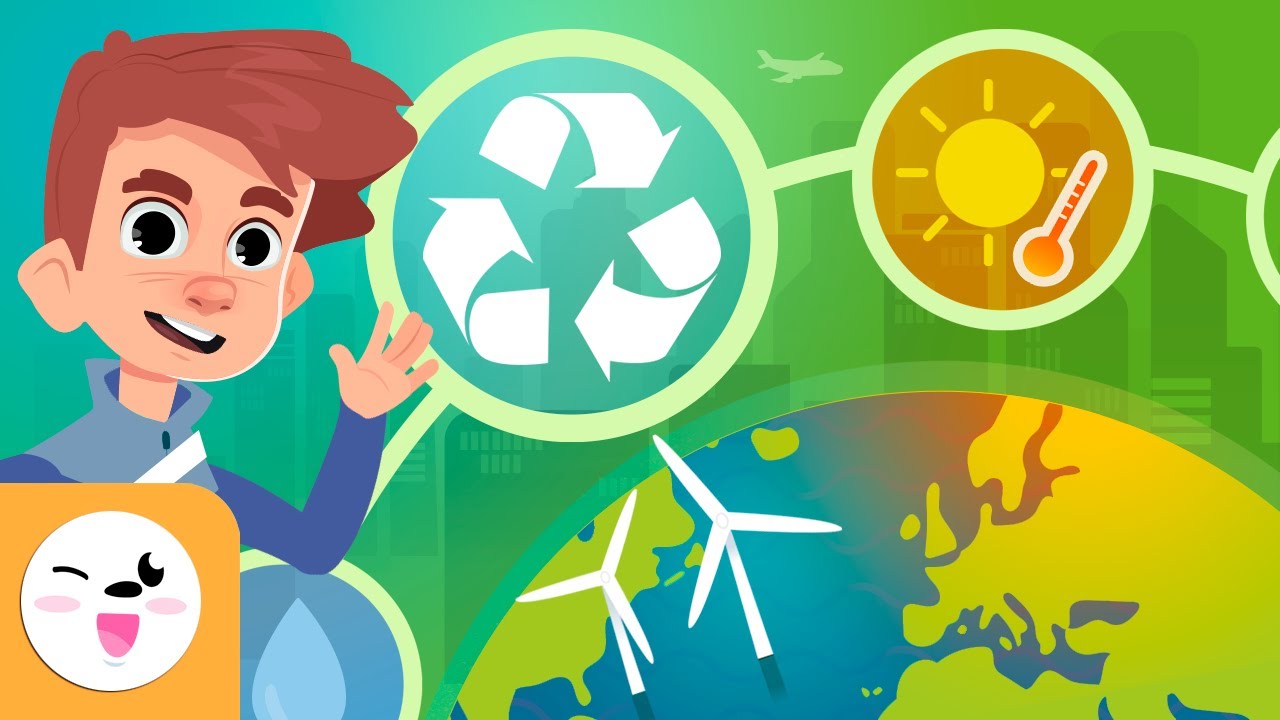
Air pollution has to do with the accumulation in the atmosphere of toxic gases derived from industrial processes, the combustion of hydrocarbons, etc. This has direct consequences for the health of those of us who breathe said air, as well as indirect consequences for other organisms that inhabit the earth. With these indirect consequences we refer, for example, to global warming due to the greenhouse effect produced by some gases such as CO₂ and methane, for example.
An increase in the temperature of our planet produces, among other things, the melting of glaciers and polar ice caps, which leads to an increase in the level of the seas and oceans, as well as an increase in the temperature of their waters, with negative effects for aquatic fauna and flora. 4. Noise or noise pollution Its name tells us perfectly: it has to do with noise pollution.
This type of pollution produced by man, mainly in large cities, has to do with the generation of sound waves that affect the life of different animal species, including man. Noise pollution is produced by cars, planes, trains, trucks and other means of automotive transport. Also by some industrial processes, by the use of musical amplifiers, among others.
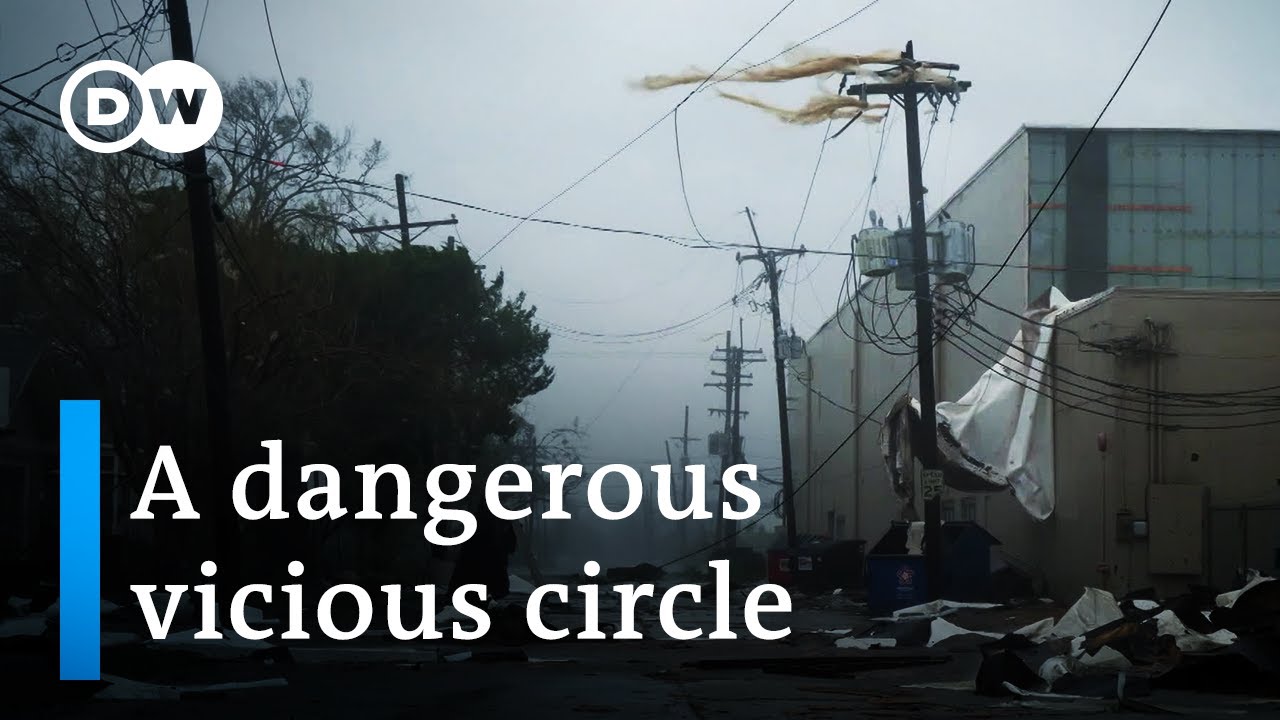
Noises frighten animals and negatively uncontrol their behavior, modifying their sleep patterns, their ability to remain in their natural environment, their reproduction and feeding, among others. 5. Visual pollution It is the pollution produced, in large part, by the billboards that are found in practically any city in the world, although it is also related to the excess of elements such as electrical wiring, ostentatious buildings and others.
Although it can alter plants and animals, this type of pollution directly influences human beings, since it prevents them from contemplating natural landscapes, induces them to consume and can generate anxiety and stress unnecessarily. 6. Light pollution It has to do with the indiscriminate use of artificial light to illuminate spaces when there is no daylight.
It affects the circadian rhythm (of sleep and wakefulness) of plants and animals (including humans) and is related to the impossibility of seeing the stars at night. Some places on our planet, such as the city of Las Vegas, in the state of Nevada (United States), for example, are among the most important sources of light pollution. In this city there are not only large buildings with lights permanently on, but there are multiple and ostentatious lighting designs that consume a considerable amount of electrical energy and whose sole purpose is to attract the attention of consumers.
7. Electromagnetic pollution It is the pollution generated by electromagnetic waves produced by the innumerable electronic and technological equipment that have been designed by man to "facilitate" his life. Mobile phones, computers (laptops and desktops), watches and any number of “smart” objects that we use on a daily basis are a major and constant source of electromagnetic pollution.
This pollution affects human beings (although this is still under discussion) and, without a doubt, many animal and plant species that are close to civilization. 8. Thermal pollution Thermal pollution is that which is related to the increase in temperature in different parts of the planet, as a result of human activity (combustion of hydrocarbons, deforestation of forests, drying up of bodies of water, etc.
). 9. Radioactive contamination It is the contamination caused by radioactive waste from plants that use or exploit nuclear energy.
It can include soil contamination, vegetation contamination, water contamination and more. It greatly affects the health of human beings, but also that of plants and animals, since radioactive molecules can cause mutations that are later the source of serious diseases. 10.
Food contamination It has to do with the contamination of the food that man consumes, either by industrial toxic substances, by waste or residual water (sewage or others) or by improper handling of food throughout its production, packaging and transportation. 11. Solid waste pollution This is one of the most common types of pollution that we know of, as it is garbage pollution.
Not only does it affect natural environments visually (for ourselves), but many of the solid wastes that we produce through indiscriminate consumption -and often unnecessary- end up in the forests, seas and oceans, negatively affecting the health of the organisms that live there.