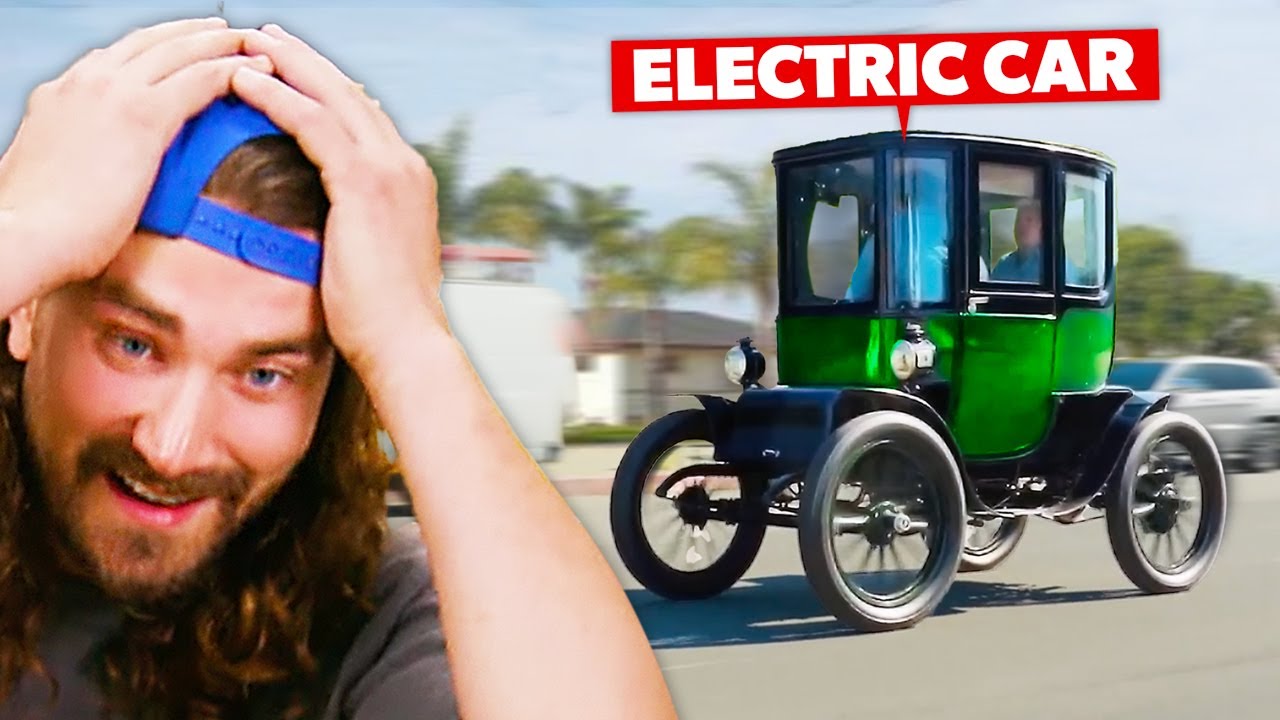
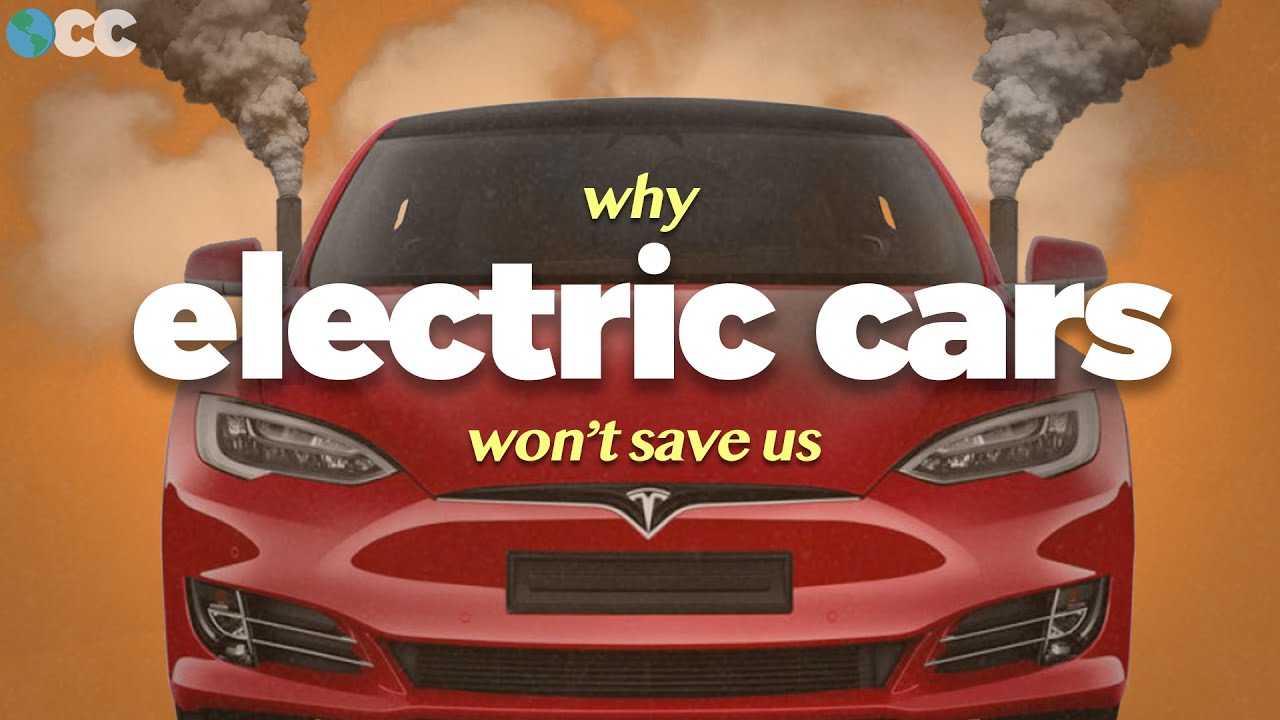
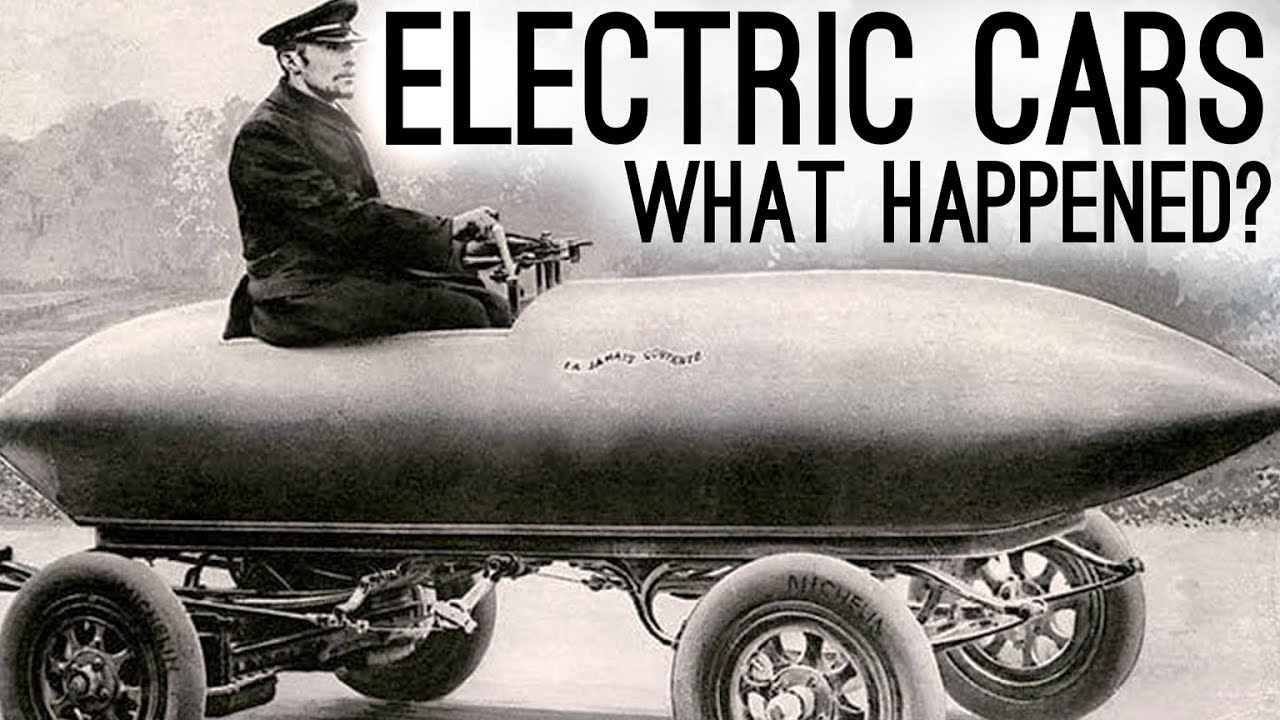
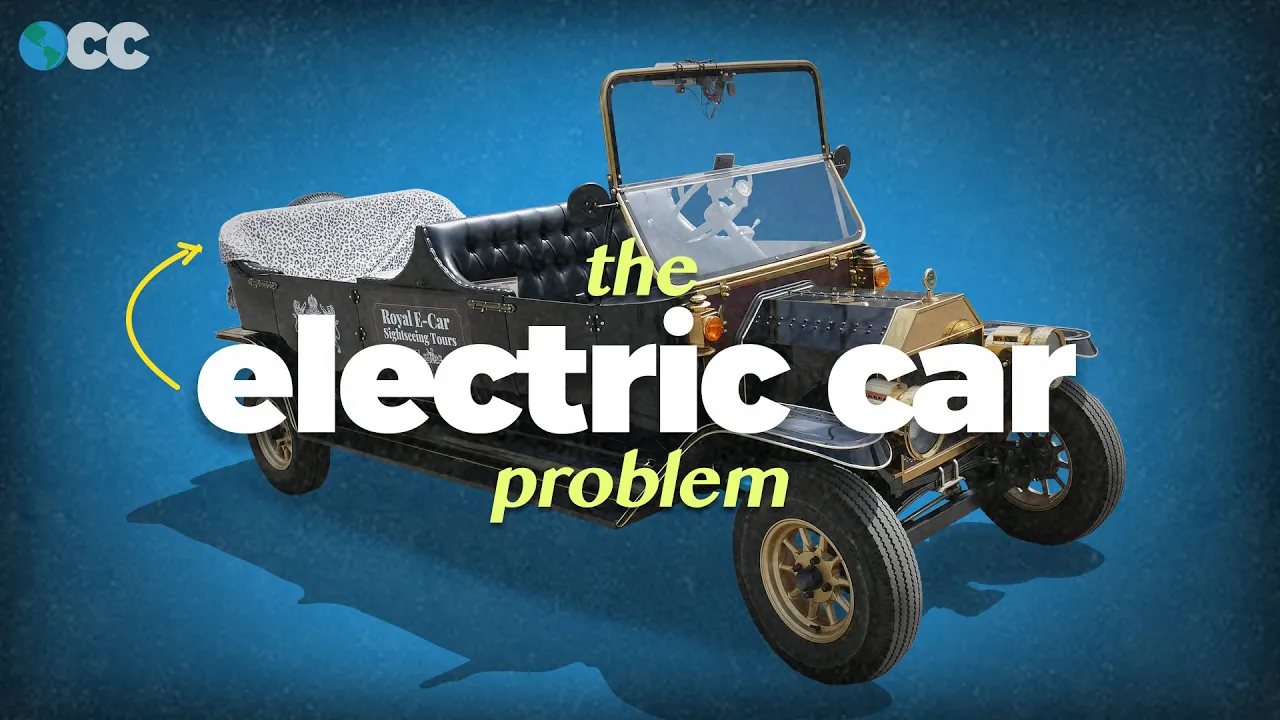
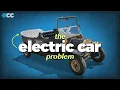
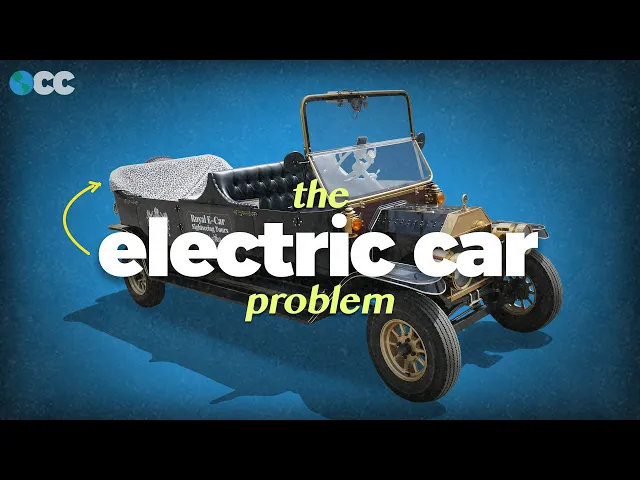
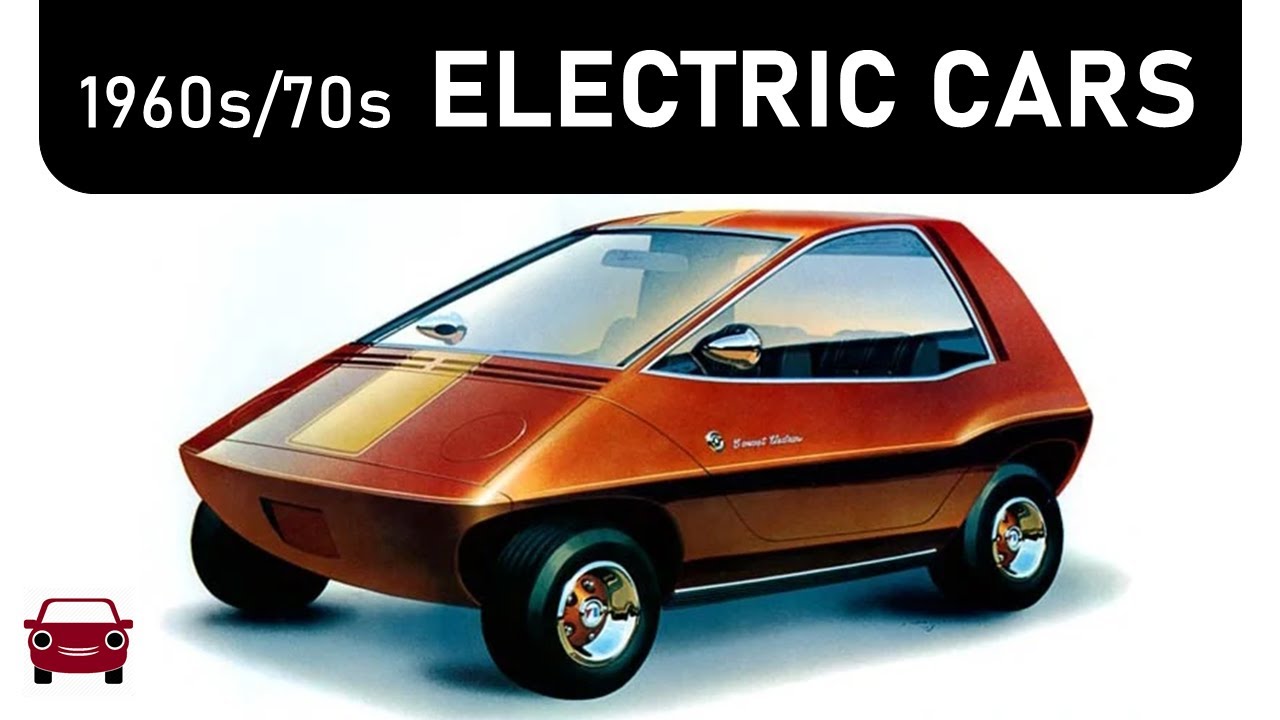
this video is sponsored by curiositystream which now comes with nebula for free when you sign up using the link in the description tearing through the crowded streets of philadelphia an electric car and a gas-powered car sought to win a heated race one that mimicked how cars are actually used the cars had to stop at stop lights wait for pedestrians to cross the street and swerve in and out of the hundreds of horse-drawn buggies that's right horse-drawn buggies because this race took place in 1908 it wanted to settle once and for all which car was the superior urban vehicle although the gas power car was more powerful the electric car was more versatile and as the cars passed over the finish line the defeat was stunning the 1908 studebaker electric car won by 10 minutes so if in 1908 the electric car was clearly the better form of transportation why don't we drive them now today i'm going to answer that question by diving into the history of electric cars and what i discovered may surprise you in 1881 at a blistering pace of nine miles per hour inventor gustav truvay introduced the streets of paris and ultimately the world to the quiet hum of the electric carriage for the wealthy socialites of paris and their counterparts in new york the horseless carriage was a must-have and electric motors were the superior choice by 1900 there were 4 1992 vehicles on the streets of the us steam cars accounted for 1681 of these vehicles 1575 were electric and 936 had internal combustion engines if you just wanted to get around town the electric carriage was the better option that is if you were rich enough to afford one unlike internal combustion engines electric vehicles were easy to turn on accelerate brake there was no exhaust and you didn't have something constantly exploding under your seat oh and you also didn't have to crank the engine every time you stopped which is part of the reason why the electric studebaker won that philadelphia race so handily as a result of this ease of use electric cars were looking like big business in the early 1900s especially for the industry giant electric vehicle company at the time the electric vehicle company was the biggest car manufacturer in the country and they used a model that seems revolutionary now but makes sense back then instead of selling their cars they rented them out to people for the day or for multiple days each night the renter could return the car to a central garage and the electric vehicle company would charge and service the vehicle a model very similar to how stables worked at the time but despite the electric car's success its golden age was about to end first an investigation by the new york herald accused the electric vehicle company of fraudulently securing alone leading to intense backlash that ultimately bankrupted the company in 1901 then henry ford started banging out gas-powered vehicles and with the help of scale exploitation of his workers and the invention of the electric starter in 1912 which meant that drivers no longer had to crank their cars every time they wanted to travel people started paying attention to the internal combustion engine around that same time roads were beginning to be paved but these roads took people out into the country which lacked charging ports so the range of electric vehicles became more of an issue local and federal governments failed to build the needed infrastructure for electric vehicles which meant that gas-powered vehicles were a much better option for the growing hordes hoping to escape the city and finally as the auto industry began to attract more customers in the early 1900s advertising became increasingly gendered electric vehicles more often than not were sold to women as easy to drive parlors on wheels even henry ford's wife owned an electric vehicle gas-powered cars on the other hand were painted as dirty greasy powerful and masculine cars that could take you out to the country and then let you speed through the streets so white men aka those that had both money and power in early 20th century america aka the primary buyers of cars tended to purchase gas-powered vehicles and so by the 1920s the perfectly serviceable electric car was all but extinct these cars failed not because they were inferior vehicles they failed because cultural and societal pressures steered us into the driver's seat of gas guzzlers the electric car is here the ev-1 a revolution in the car industry with california's announcement of a zero emissions car mandate general motors scrambled to make an electric car their answer was the 1996 ev1 a futuristic car for the 90s that could reach 80 miles per hour on the highway and had a range of 70 to 100 miles all on an electric battery the electric car was back tom hanks grabbed one and loved it that sucker goes that they will take you down the pch so fast you could get a ticket and so did danny devito plug it in at night that's all you did nothing no repairs no nothing but gm wasn't just making this car because they cared about the environment or electric cars for that matter they made the ev1 because they had to the california air resources board required the top seven auto manufacturers to make two percent of its fleet emissions free by 1998 5 by 2001 and 10 of its fleet emissions free by 2003. so car manufacturers like gm initially complied they retrofitted their models with electric motors and sold them throughout california in the beginning it seemed like the auto industry was going to make a momentous change that is until people started looking under the hood while gm was leasing their ev1s to the likes of tom hanks they were also mounting lobbying advertising and astroturfing campaigns to dismantle the zero emissions mandate why you may ask well consumer advocate ralph nader seems to think it's pretty simple the executives at the top their motto seem to have been going backwards into the future despite consumer demand and large waitlists for the ev1 gm actively sought to dismantle ev production because it was inconvenient for them keep in mind this was around the same time when they started selling suvs and hummers on mass so they not only successfully got the california air resources board to repeal the mandate but afterwards gm rounded up every single ev1 they had leased out took them to a junkyard and crushed them that's right the company that just ran this super bowl ad did you know that norway sells way more electric cars per capita than the us norway had a successful electric vehicle program in the early 2000s and they purposefully tanked it because they wanted to sell more suvs hummers and gas vehicles are things different now in 2021 or will we just repeat the same mistakes of history if tesla's and other electric vehicles trajectory or any indicator evs might be here to stay if and how quickly they replace gas-powered cars seems to be up to strong government policy policy which up until november 23 2020 gm was ruthlessly opposing their flip-flopping might just have something to do with the fact that trump is no longer in the white house in fact throughout trump's presidency the auto industry fought tooth and nail to prevent any sort of emissions standards in march of 2020 trump with the support of auto industry giants rolled back a landmark obama-era emissions mandate the rollback would have led to nearly a billion additional metric tons of co2 in the atmosphere if not for biden's reinstatement of the order much like california's zero emissions mandate in the early 2000s gm was right there on the ground lobbying for that rollback to happen the national auto dealers association which gm works closely with has spent over 57 million dollars lobbying congress since 1998. the reality is that emissions mandates and electric car subsidies do work but while great for us for the auto industry it forces them to do away with their going backward into the future mindset but it is possible to rapidly ramp up electric vehicle use norway is a perfect example in 2012 three percent of the country's new cars were electric just seven years later that number is up to 56 percent what norway did is quite simple they subsidized evs heavily to the point where they were cheaper than their gas-powered counterparts and they built a lot of charging infrastructure to support these new cars it does seem like us is starting to follow suit with california's governor issuing an executive order banning gas-powered car sales by 2035 and gm saying that by that same year it will only sell electric cars while this is hopeful news considering the history of the auto industry which by the way raleigh from the youtube channel climatetown did a video all about the auto industry over at his channel it's hard to fully embrace these announcements without some skepticism as we move closer and closer to 2050 the year when the world must be at zero missions to avoid the worst climate change scenarios i think it's important to take a step back and consider whether switching to electric cars is the best solution no i don't mean we should stick with the internal combustion engine what i'm saying is we should be trying to replace our current cars with electric models while also envisioning a world with less cars because to be honest cars suck the co-founder of zipcar robin chase describes the failed promise of cars perfectly in a documentary on curiosity stream we were promised you know that cars brought independence but we all know that most of us are driving is in very dense traffic it's not a pleasure it's very expensive and time-consuming even electric cars have an impact both in terms of emissions and the green colonialism and exploitation that accompanies corporate desires for metals like lithium so when we begin to support new infrastructure for charging systems we also need to consider how to build cities and towns that no longer center cars as a resident's primary mode of transportation and make walking biking and using public transit really easy really pleasurable and really cheap or free the key question here should be how can we connect countries states cities and towns through affordable and clean public transportation without cars yes the electric car will have some role to play in this new transportation system but it should be seen as a piece of the puzzle rather than the essential tool that unlocks travel creating this alternative transportation system will certainly be difficult but not only is it possible through militant community organizing and consistent public pressure on corporations politicians and governments it is also an essential part of a more ethical and just zero-emissions world after being on youtube for over four years i still find it really hard to create climate-oriented videos that perform well the truth is that the algorithm tends not to like politically charged videos like the one i just made about eco-socialism and bolivia and videos like those end up doing poorly or even getting demonetized which is why a bunch of creator friends and i teamed up to create a platform where we can make content without having to worry about pleasing the youtube algorithm it's called nebula and we're thrilled to be partnering with curiositystream nebula is an ad-free video streaming platform that allows creators to create without worrying about views or sponsorships with exclusive content from a wide range of educational youtubers like polymatter simon clark and t1j nebula is the perfect place to consume ad-free educational content there's even a nebula exclusive video from wendover productions all about how tesla superchargers work but what does this have to do with curiosity stream well as the go-to streaming platform for thousands of top tier documentaries like the transportation of tomorrow documentary i use to make this video curiosity stream loves supporting educational creators so we worked out a deal where if you sign up with the link below not only do you get access to curiosity stream but you'll also get nebula for free and this is not a trial you'll have nebula as long as you're a curiosity stream member and for a limited time curiosity stream is offering 26 off their annual plan that's less than 14.
79 a year for both curiosity stream and nebula by signing up you will not only directly support our changing climate but you'll also gain access to thousands of documentaries and exclusive videos from your favorite creators so if you want to support both our changing climate and hundreds of other educational content creators go to curiositystream. com occ or click the link in the description and sign up for curiosity stream and nebula for just 14.
![Would You Fall for It? [ST08]](https://img.youtube.com/vi/n94-_yE4IeU/maxresdefault.jpg)