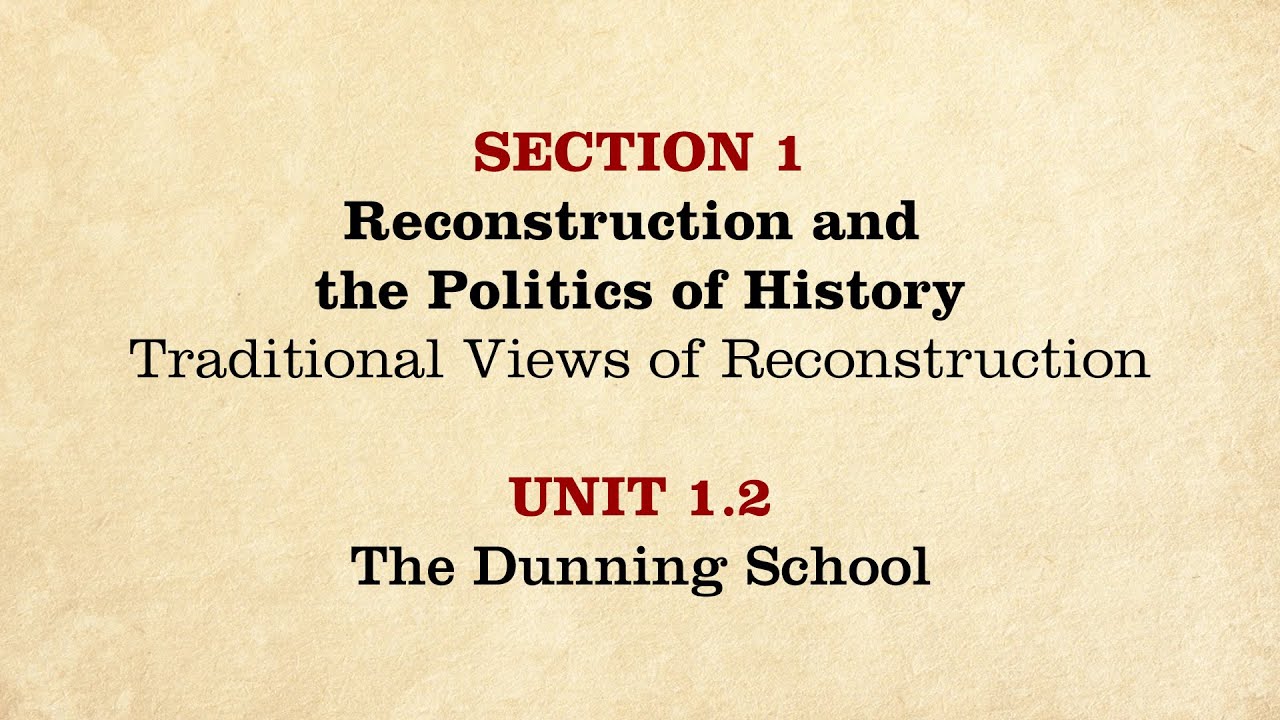
let's just start I mean the the the the the phrasing of the war against reconstruction is uh an attempt by you to um to as a corrective for the way that we can't we we often talk about reconstruction and certainly you know prior to I don't know 20 uh some odd years ago almost exclusively perceived the Reconstruction as a function of the Dunning School tell us tell us a little bit about the Dunning school I mean I think you know this audience is fairly well versed but let's just go over this because I think this
is important and and why this is a corrective well what the gun in school essentially does is takes up the argument um made by ex-confederates after they overthrew reconstruction and what they said is that reconstruction failed and the sort of larger part of that story is that they said you know they were unfairly punished for starting the war white Northerners put unqualified ignorant black people in control of the South and those black people harmed white people and so white Southerners had no choice but to overthrow this unjust government um and then and do that with
the Ku Klux Klan and then install the system of Jim Crow so that's the narrative that ex-confederates created and the Dunning School essentially turns that into um or plays a role in helping that become like the major narrative the major propaganda of U.S history after the Civil War and so what I wanted to do was I understood that that was the narrative that people got I understood that that was the story that some historians are telling or it's part of a shorthand that historians are using um even today but those historians who are using that
Narrative of failure today what they mean when you press them on it they mean the federal government fail to protect African-Americans rights but if they're not explicit when they say reconstruction failed then the large Republic is filling in the gaps with that narrative from reconstruction and they believe that civil rights equal quality the vote Etc were wasted on black people and and I should just say uh the the Dunning school was came out of uh Colombia uh Donnie his first name escapes me but it was William William Dunning and there were other historians sort of
uh in his uh severe uh out of Colombia and I imagine other schools but this is in the 1920s which is not really a coincidence in terms of that era we'll we'll catch up to that but it just I have to say that like you know over the past I don't know uh six seven eight years uh on this program like you know I've come to understand reconstruction in a way that I I barely even heard about it in high school I mean I I it really was not even I don't even know if I
actually ever heard about it in high school uh even in college it it was you know at that time in the 80s it was barely spoken of uh in any way and then this notion of failure also by the time it gets to like a broader audience like you say there's such a passive quality to it that it it almost is like it's almost like it was just it just didn't catch and and but over the years we've heard so much from different historians about the the coups that took place here um but what you've
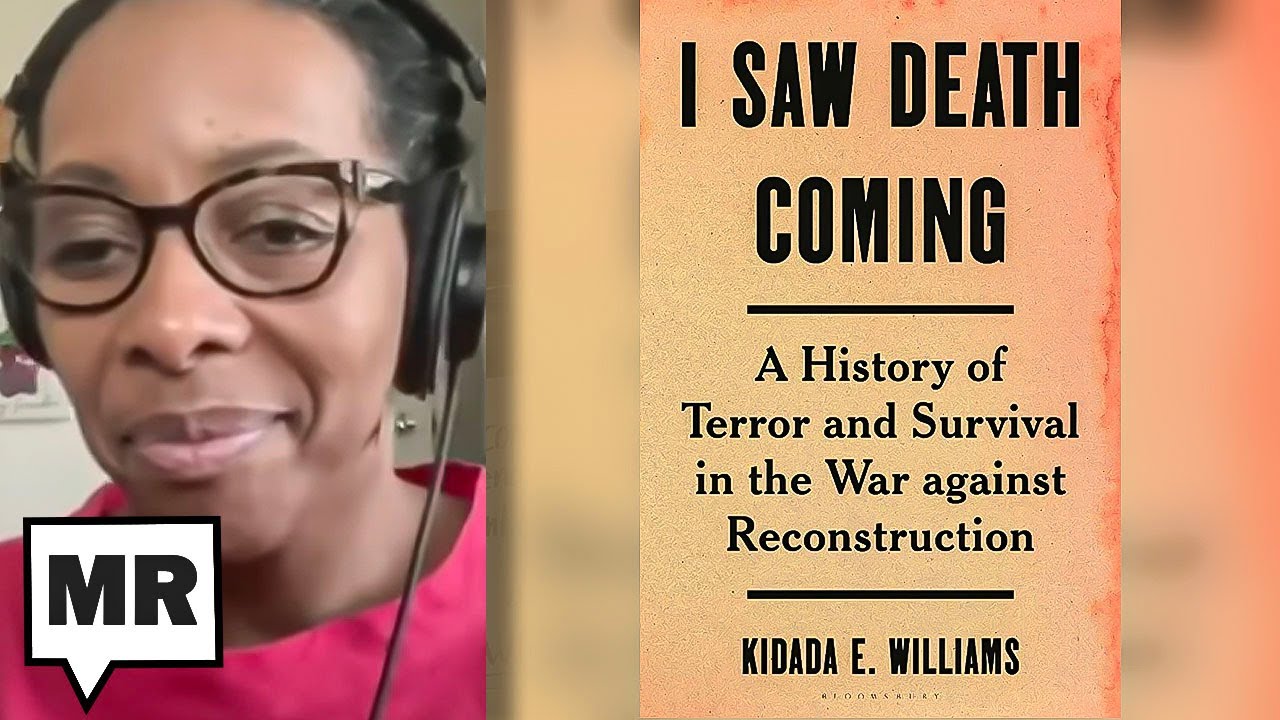
done is actually gone in and found the records of of families testimony so that it takes it right down to sort of like the where the rubber meets the road with these things let's talk about those where these sources for these records the the most prominent was a series I guess that the official title was the joint select committee to inquire on the condition of Affairs in late Insurrection Estates is that right and that's correct and it's basically though it was like talking and this happened in 1871. so give us the context of what led
to that because I think it becomes clear through your work here that the story of the Civil War ending and that and it ends and some people are mad about it some people are not it really just is more of a story of like the war shifts to almost like a guerrilla War right so part of what happens is that Wars never end as neatly in real life as they appear in history books right and so what we did is that the war ended and what we don't acknowledge is that Wars are often followed by
new conflicts and you know I think the wars in Afghanistan and Iraq should tell us about what happens when the war is officially over and like what happens afterwards so after the Civil War the new conflict is about African Americans enjoying these civil and political rights and I think we need to understand that because ex-confederates and enslavers only release black people from bondage in order to end the war right so it's not something that they want to do it's not something that they do happily uh and what we see is them immediately shift to trying
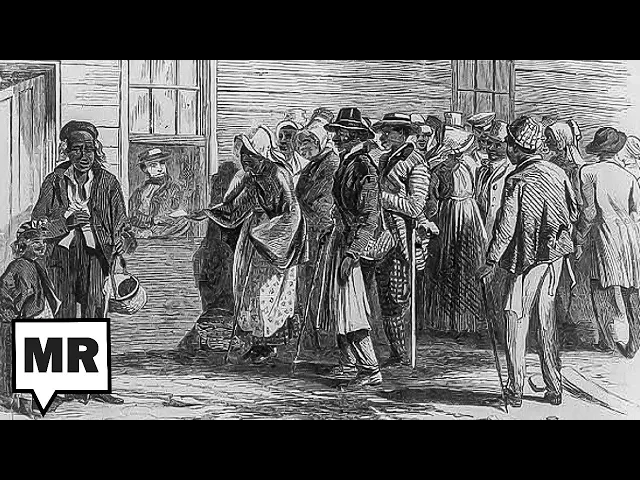
to hold on to as much of slavery as possible and some of this looks like killing slaughtering people who are trying to leave farms and plantations killing black veterans when they return from the battlefield to go get their families out of bondage they often have to fight their way in order to recover their people who were illegally technically free but that's because you've got those ex you've got those former enslavers who are still holding on to slavery and so what they do is they start to declare essentially war on black people who are seizing their
freedom and then so the difference that we have to understand is that while black people were in bondage it wasn't profitable to just kill them all willy-nilly right you can continue sort of using different types of violence against them but you weren't going to kill them in an era where they now have they're legally free they have rights and they're acting on those rights you can turn on them and Massacre them at will and so that's part of what we see in terms of that war that I argue follows the Civil War and what we
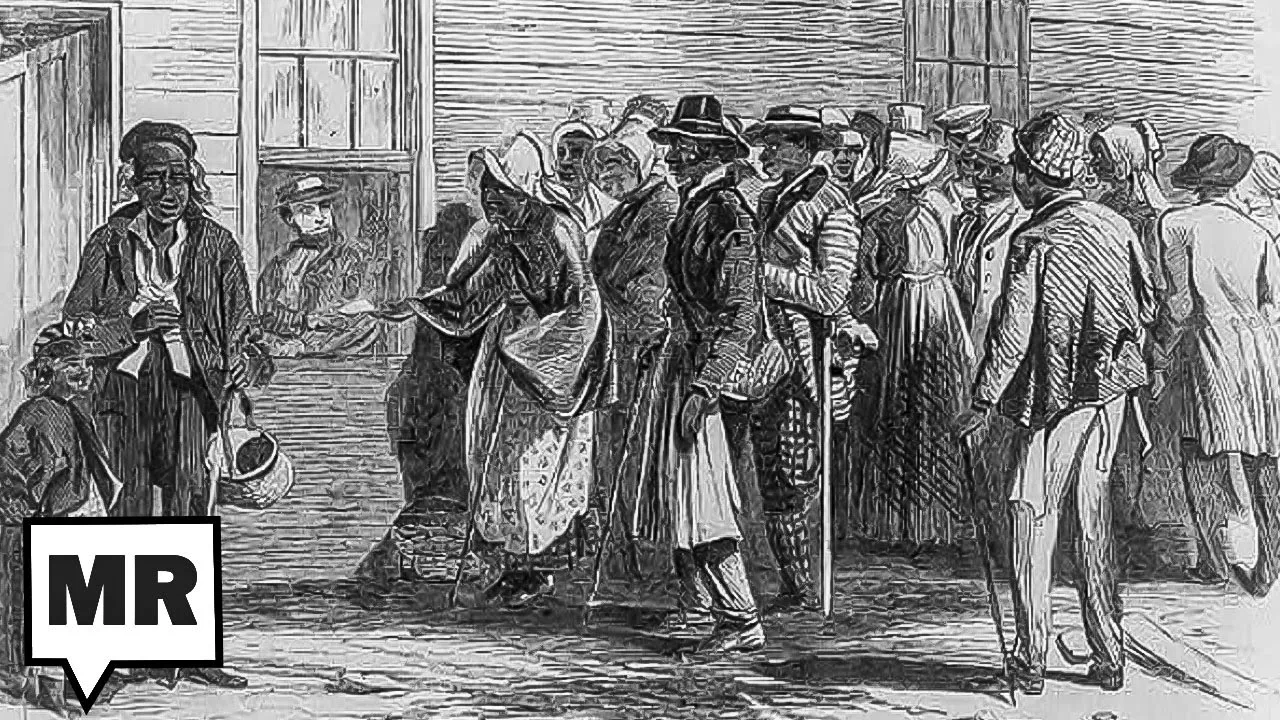
have are African-Americans reporting this violence to Army officials to the Freedmen's Bureau they're writing members of Congress they're contacting the president um they're like letting their state officials know they're reporting it to anyone who would listen and these dispatches continue making their way up the chain of command and eventually um you get members of Congress who say we need to look at what's happening here even the generals are reporting that there's a lot of violence going on and so what Congress decides is to form a joint select committee to investigate what was happening to investigate
these claims and that's how you get these that's how you get this testimony you've got uh about a dozen or so lawmakers from both chambers of Congress who head to these spots in the South and they hear testimonies from elected officials law enforcement a cues perpetrators and their victims yeah I I don't know if you get this from from other people but I like the I it's almost embarrassing to me that it is it is so revelatory to contemplate the post uh Civil War in the way that like you know we've seen the violence continue
in Iraq and in Afghanistan and this what what it like it just so on some level like it just occurs me like of course this is what it was but we're not conditioned and it's almost probably because you know we haven't had a war in this country in a hundred and uh what 70 years now whatever the math is and you know there's not a lot of people around who who can tell that story um but basically it's they're giving up their slaves because their uh the the plantation owners giving up the slaves because they're
on the wrong end of a gun but then because we don't occupy by we I mean the Union Army does not occupy the South they take their guns and they go home and then they're like okay and I gotta imagine too that the assassination of of Abraham Lincoln gave like a hope of like you know what this ain't over yet we can turn this around so like it wasn't this wasn't just acting out it was like we have a new agenda here and we can get back to where we were exactly and having a president
having President Johnson secede Abraham Lincoln they essentially you know you know the former enslaving class they say he's one of ours he's a former in slaver himself right you know he's you know he's one of our people uh and his moves initially you know when he comes back when he comes into Power makes clear that there's going to be no consequence for secession that they're going to get their land back you know the one thing they won't get back is slavery and so what they say is that well you know we may not be able
to get it back in the exact form as we had it before but what we'll do is we will try to do as much as we can to resurrect this old system and that's essentially what they're able to do and as you know because of the um lack of military occupation you know you do have some forces within the U.S South but one of the realities you have to deal with is that the war is officially over Americans dating back to the um to the Boston Massacre don't take well to a standing army in peacetime
um and so you've got a lot of people are saying well the war is over so we shouldn't have a standing army the soldiers want to go home they're all of these things and there's a political investment in moving on from the war so the Army's footprint is shrinking every single year and so there are never enough troops in the region and where the violence is happening in order for them to do anything about the violence and ex-confederalists are are strategic they're not striking in areas where there are large numbers of troops and and I
want to get to those strikes too but it also sort of like it also contextualizes like the value of maintaining some ambiguity in the context of the 15th amendment in the context of the 13th Amendment and the 14th Amendment though that ambiguity if it's seen in part as like this war is not over you know like we we we're we can't have exactly what we had before but we can have the same sort of like structure um and uh like you say they're avoiding the conflict it's it's a guerrilla War they're fighting um essentially against
freed black people and uh their their political power