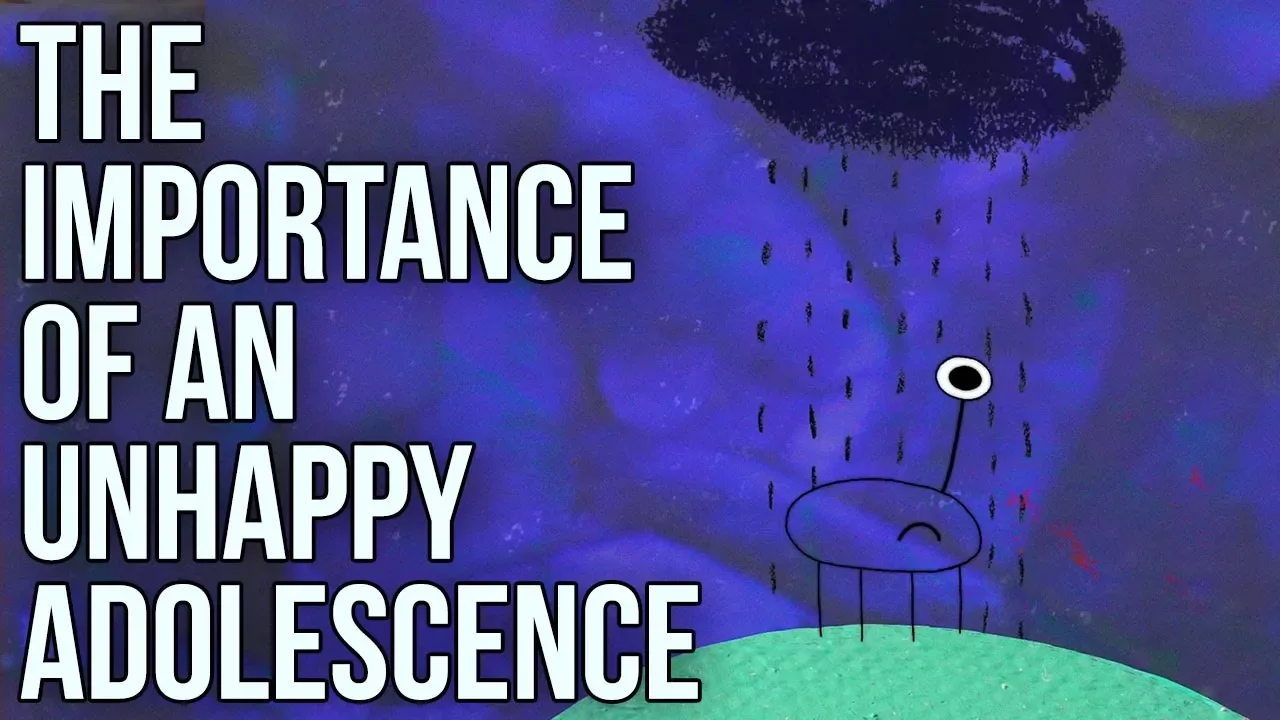
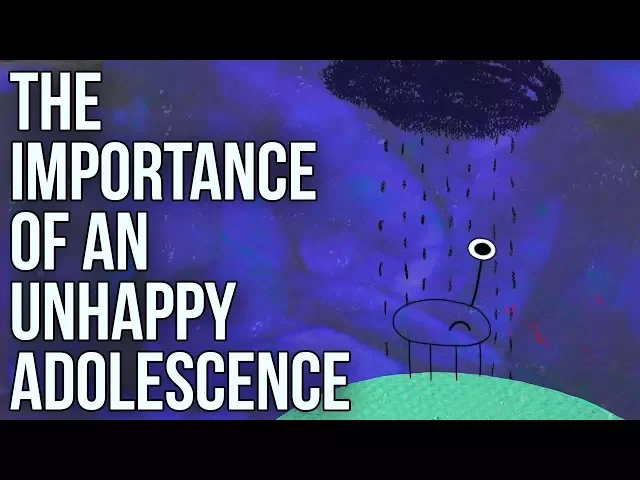
being unhappy is never wholly to be recommended but if there is any period of life in which the mood may be justified and in certain ways judged important then it is roughly between the ages of 13 and 20 it is hard to imagine going on to have a successful or even somewhat contented next six decades if one is not being the beneficiary of a good deal of agonizing introspection and an intense dislocation in this period at the root of adolescence sorrow and rage is the recognition that life is hugely harder more absurd and less fulfilling
than one could ever hitherto have suspected or had been led to suppose by kindly representatives of the adult world the sentimental protection of childhood falls away and a range of searingly malevolent but profoundly important realizations strike for a start one recognizes that no one understands that isn't quite true but of course the more complicated any human being is the less likely they are to be easily and immediately understood therefore as a child develops into an adult the chances of those around them exactly sympathizing with and swiftly grasping their inner condition necessarily decreases sharply the first
response of the teenager is to think themselves uniquely cursed but the better eventual insight is the true connection with another person is possible yet astonishingly rare this leads one to a number of important moves firstly to a heightened and more appropriate gratitude towards anyone who does understand secondly to greater efforts to make oneself understood the sullen grunts of early adolescence can give way to the enormous eloquence of the poetry Diaries and songs of later teenagehood the most beautiful pieces of communication humanity has ever produced have largely been the work of people who couldn't find anyone
in the vicinity they could talk to and lastly the sense that one is different from other people though it may be searingly problematic at the time represents a critical moment when a new generation starts to probe at and selectively improve upon the existing order to be 16 and find everything perfect just as it is would be a terrifyingly sterile position to adopt a refusal to accept the folly error and evil of the world is a precondition of later achievement there really seems no alternative but to be miserable in mid-adolescence if one is to stand any
chance of making a go of the rest of one's life another key realization of adolescence is that one hates one's parents yet it is truly an enormous tribute to the love and care of parents if their teenage children turn around and tell them at the top of their voice that they loathe them it isn't a sign that something has gone wrong it's evidence that the child knows they are loved the really worrying teenagers aren't those who misbehave around their parents and take out their random misery on them it's those who are so worried about not
being loved they can't afford to put a foot wrong to develop proper trust in other human beings it can be deeply important to be able to test a few examples to tell them the very worst things one can think of and then watch them stick around and forgive one you have to have a few goes at breaking love to believe it can be solid and of course once parents really are rather annoying in many ways but that too is an important realization we would never leave home and become parents ourselves if we weren't at some
level compensating for the problems mistakes and vices we had first identified in our own parents at the age of 14 and a half another source of teenage soil is how many big questions suddenly fill one's mind not least what is the point of it all this questioning too is vital the sort of questions the adolescents raise tend to get a bad name but that's more to do with how they answer them than with the questions themselves what is the meaning of life why is there suffering why does CAPA not reward people more fairly adolescents are
natural philosophers the true endpoint of adolescence is not as it's sometimes suggested that one stops asking huge questions and just gets on with the day-to-day it's that one acquires the resources and intelligence to build an entire life around the sort of big questions that first obsessed one at seventeen lastly and most poignant lis teenagers tend to hate themselves they hate the way they look how they speak the way they come across it feels like the opposite of being loved but in fact these isolated self-hating moments are the start of love these feelings are what will
one day be the bedrock of the ecstasy we'll feel in the presence of that rare partner who can accept and desire us back tenderness will mean nothing to us unless we first spent many nights alone crying ourselves to sleep nature appears to have so arranged things that we really can't get to certain insights without suffering the real distinction is between suffering with a purpose and suffering in vain for all the horrors of adolescents one of its glories is that the suffering it inflicts is largely securely rooted in some of the most crucial developments and realizations
of adulthood these fascinatingly miserable few years should be celebrated for offering us suffering at its best thank you for watching liking and subscribing if you want more why not visit us in person and attend a class or take a look at our shop at the link on your screen now you


![Upbeat Lofi - Deep Focus & Energy for Work [R&B, Neo Soul, Lofi Hiphop]](https://img.youtube.com/vi/THh4fT0O7IY/maxresdefault.jpg)