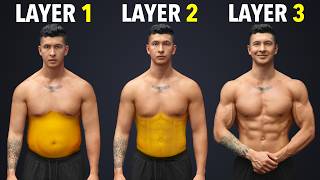
You can do 10,000 crunches a day. You can push workouts until you are exhausted. You can live on celery sticks and water and you will still look down and see that belly staring back at you.
Here is why. You are fighting the wrong enemy. Most people think belly fat is just fat just stored energy you need to burn off.
But what if I told you the fat you can actually pinch that soft jiggly layer under your skin is often the less dangerous kind. It is annoying. It is frustrating.
It can hurt your confidence. But it is not always the thing putting your health at risk. The real problem is the fat you cannot pinch.
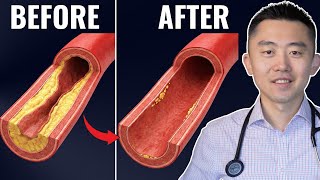
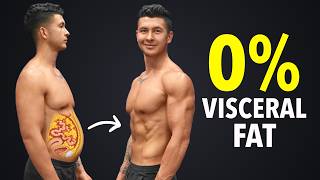
It is hidden deep inside your torso, wrapped around your organs like a quiet parasite. It presses on your liver. It stresses your pancreas.
It strains your heart. It is called visceral fat. And here is the scary part.
You can look slim in your arms, legs, and face, even look perfectly normal in clothes, and still carry a dangerous amount of visceral fat inside your belly. People sometimes call this tophi, thin outside fat inside. It stays hidden until the damage is already underway.
So before we talk about diets, workouts, or any fancy hacks, I want you to do a quick check at home right now. Stand up, relax your stomach, then gently press your belly with your fingers. If your belly feels soft, squishy, and it jiggles, that is usually more subcutaneous fat, the pinchable vanity fat.
But if your belly sticks out like you swallowed a basketball and it feels firm, tight, almost solid, that is a red flag. That visceral fat may be higher. And that firmness is not your abs.
It is pressure from the inside. It is tissue pushing outward against your abdominal wall. It can be your liver quietly asking for help.
Now, let me make this simple because once you see the difference, you cannot unsee it. Subcutaneous fat is mostly passive storage. It sits there.
It may look bad, but it is not constantly controlling your chemistry. Visceral fat is different. Visceral fat is biologically active.
It behaves more like an organ than a storage bin. It releases inflammatory signals. It disrupts hormones that affect appetite stress response and fat storage.
And it drives insulin resistance, meaning your cells stop listening to insulin's message. Blood sugar rises, A1C creeps up, and you can slide toward pre-diabetes or type 2 diabetes without changing anything obvious. That is why you cannot treat it like normal belly fat.
That is why crunches alone often fail because you are trying to flatten the surface while the real enemy is living underneath it. So, here is the shift I want you to make starting today. Stop obsessing over what you can pinch.
Start paying attention to what you cannot. In this video, I'm going to give you a combination code that targets visceral fat, not just weight on the scale. It is a three-step attack.
We cut off its fuel supply. We block a key absorption pathway. Then we burn it out with the right movement intensity, not more suffering.
And the best part is this. Visceral fat is the most dangerous fat. But it often responds faster than subcutaneous fat when you send the right signal consistently.
Let's start with step one because if you miss this, everything else becomes a struggle. Visceral fat thrives in a body that is running hot all the time. Not just temperature, but chemistry.
Think of your cells like a car engine. When an engine runs too hot for too long, parts start to corrode. That corrosion is oxidative stress.
You do not feel it directly, but it changes how your body handles fuel. It makes insulin signals noisier. It pushes your liver toward fat storage, and it creates the perfect environment for visceral fat to grow and stick around.
So, the first move is not to punish yourself with less food. The first move is to cool the engine down by scraping off the rust. And the most powerful rust remover you can put on your plate is not some exotic supplement.
It is color. I want you to remember one word, carotenoids. Carotenoids are the pigments that give plants their bright orange, deep red, and dark green tones.
They are not just pretty. They act like protective shields. They help neutralize free radicals, those unstable molecules that keep your system in a stressed, overheated state.
Here is what makes this exciting. In Japanese research looking at increasing carotenoid rich vegetables for several weeks, people did not need a dramatic diet overhaul. They simply increased foods like carrots and cabbage.
And many saw visceral fat move in the right direction in a relatively short window. Why would vegetables change fat that is buried deep inside your body? Because carotenoids do more than mop up free radicals.
They influence the control switches that guide fat metabolism. Picture your body having a control panel with two big buttons. One button tells your body to store fat.
The other tells your body to burn it. When oxidative stress is high, the storage button gets pushed more often. When you lower that oxidative stress load with consistent carotenoid intake, the balance shifts, the burn pathways turn up, the storage pathways turn down, the parasite loses its advantage.
So here is the simple protocol that works in real life. Eat the rainbow, not the candy version. You do not need perfection.
You need repetition. One deeply colored vegetable at every meal consistently. Breakfast could be spinach on the side with eggs or tofu.
Lunch could be bell peppers and a salad or a stir fry. Dinner could be sweet potato or squash. And yes, carrots still count.
The goal is not variety for variety's sake. The goal is to flood your day with protective pigments until your body gets the message. Now, here is a fast rule you can use in the grocery store without thinking.
If it is beige, it tends to feed the parasite. Bread, pasta, crackers, baked snacks, many ultrarocessed foods, they live in the beige zone. Beige often means fast calories and very little protective chemistry.
If it is vibrant orange, red or deep green, it tends to fight back. That does not mean you can never eat beige foods. It means you stop building your plate around them.
You make color the foundation. Now, while you were fixing the plate, we are going to fix the drink because step two is the key that helps fat cells open up and let stored fuel out. You have heard green tea burns fat.
Some people roll their eyes, but it is not magic. It is mechanism. The active compounds in green tea are called kakans.
The one we care about most is egc. Here is the picture I want in your mind. Imagine your fat cell has a locked door.
Inside that cell is stored fuel. For many people, especially as we age, that door stays locked most of the day. Your body has fuel, but it does not access it efficiently.
Katakans help pick the lock. They support the systems that increase fat oxidation, meaning your body becomes more willing to use fat as energy. But that is only half the story.
Kakans can also affect an enzyme called lipase. Lipase helps break down dietary fat so your gut can absorb it. When katakin intake is high and the rest of the diet is clean, the absorption process can be blunted.
In simple terms, less gets through as efficiently. And yes, controlled trials have shown that kakinenriched green tea taken consistently over weeks can reduce visceral fat in many people. But here is the warning that saves you from wasting months.
Do not drink sugary bottle green tea. That is often sugar water with tea flavor. If you are trying to help your liver and reduce visceral fat, liquid sugar is the opposite of what you want.
What you want is matcha or cena. Why those? Because you are getting a higher dose of the leaf's natural compounds.
With matcha, you consume the whole leaf, which often means more kakans, including EGCG, compared to many basic tea bags. And there is a synergy that makes this stronger. Caffeine plus kakans is a one-two punch.
Caffeine revs the engine. Kakans help unlock the fuel tank. Together they can accelerate the shift toward fat burning, especially when paired with the colored vegetable strategy from step one.
So here is the practical version that is doable. One to two cups a day. No sugar.
Keep it clean. If you want, add a little lemon. Some people like the taste and it makes it easier to stay consistent.
Consistency is the entire game. Quick safety note just once because it matters. If you are sensitive to caffeine, deal with insomnia, anxiety, or a racing heartbeat, start low or choose a lower caffeine option.
If you take heart medications, blood pressure medications, blood thinners, or you have liver disease, talk with your clinician before doing highdose matcha or green tea daily. Now we move into step three, and this is where people finally see change where it counts. Diet can reduce overall weight.
If you eat less, the scale may drop. But exercise is different. Exercise is the laserg guided missile for visceral fat.
Here is the mistake that traps people. They think they need to destroy themselves with marathon training or brutal workouts. No.
Going too hard can raise stress hormones like cortisol. And in some people that can make belly fat loss harder, not easier. What you need is not more suffering.
You need the right intensity. There is a protocol that shocks people because it looks too simple. In one study setup described in the research conversation, participants cycled for 45 minutes, only two sessions per week, but at a precise intensity.
About 75% of their V2 peak. After 2 months, the scale did not change dramatically, but visceral fat dropped massively and insulin sensitivity improved. Here is the lesson.
Stop worshiping the scale. Visceral fat can fall even when weight barely moves because the body is changing on the inside. So what does 75% intensity mean for you without lab equipment?
Use the talk test. If you can sing a song perfectly while moving, it is too easy. If you cannot speak a single word and you feel sick, it is too hard.
You want the sweet spot in the middle. You should be able to speak in full sentences, but you sound a little winded. You can talk, but you would rather not.
You sound like you just climbed a few flights of stairs. That is the zone where visceral fat responds. Now, before we put this into a simple plan, I have to warn you about the biggest trap people fall into when they want to lose belly fat, especially visceral fat.
The instinct is to starve. You cut calories down to 500 a day. You do one meal a day with zero planning.
You fast for days because someone online said it melts fat. Yes. At first, the scale may drop.
But here is the problem. Your body is not stupid. When it senses scarcity, it protects you.
It turns down your metabolism. It increases hunger signals. It makes you feel tired and cold.
Then it pushes you into a plateau where you are miserable. You are not losing belly fat. And the moment you eat normally again, your body rebounds.
That is why extreme restriction is often the fastest way to lose momentum and the easiest way to lose hope. The smarter strategy is the one most people resist at first because it sounds too simple. Do not starve your body.
Fuel it with nutrient-dense food, then use movement to create the deficit. Visceral fat responds best when your body feels safe enough to burn, not desperate enough to store. So, let's turn this into a plan you can start tomorrow without guessing.
Step one is the scavenger hunt. Look at your plate. If it is mostly brown or beige, stop.
That is the parasite menu. Your job is to add one serving of a deeply colored vegetable to every single meal. Carrots, spinach, bell peppers, squash, sweet potato.
One serving every meal. This is your shield. Step two is the liquid key.
Swap your second coffee for matcha or cencha. No sugar. Keep it clean.
If you once add a little lemon, you are doing this to send a signal that says unlock the fuel tank. Step three is the 75% solution. Three to four sessions per week, 45 minutes each.
Cycle walk a steep hill row. Swim light jog. It does not matter.
Use the talk test. Full sentences slightly winded. And here is the line I want you to remember.
You do not need the workout that burns the most calories on paper. You need the workout you will still be doing 3 months from now. Visceral fat is a driver of many chronic diseases, but your body is resilient.
It wants to recover. It just needs the right signal repeated consistently. If this helped you, please like and subscribe and comment the word zone if you understand the talk test and you are starting three sessions next week.
Quick disclaimer, this is education, not medical advice.