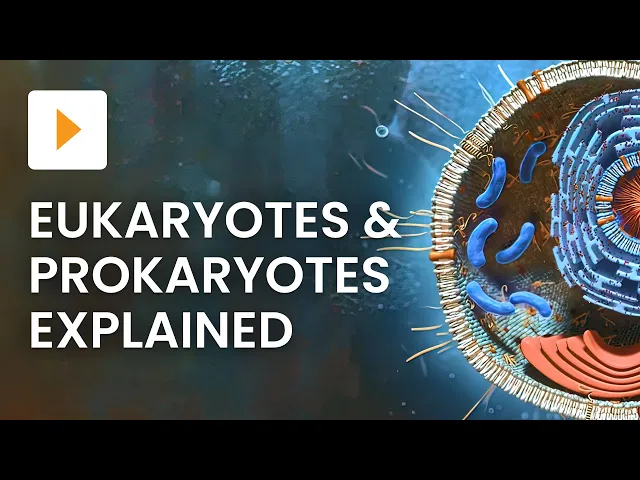
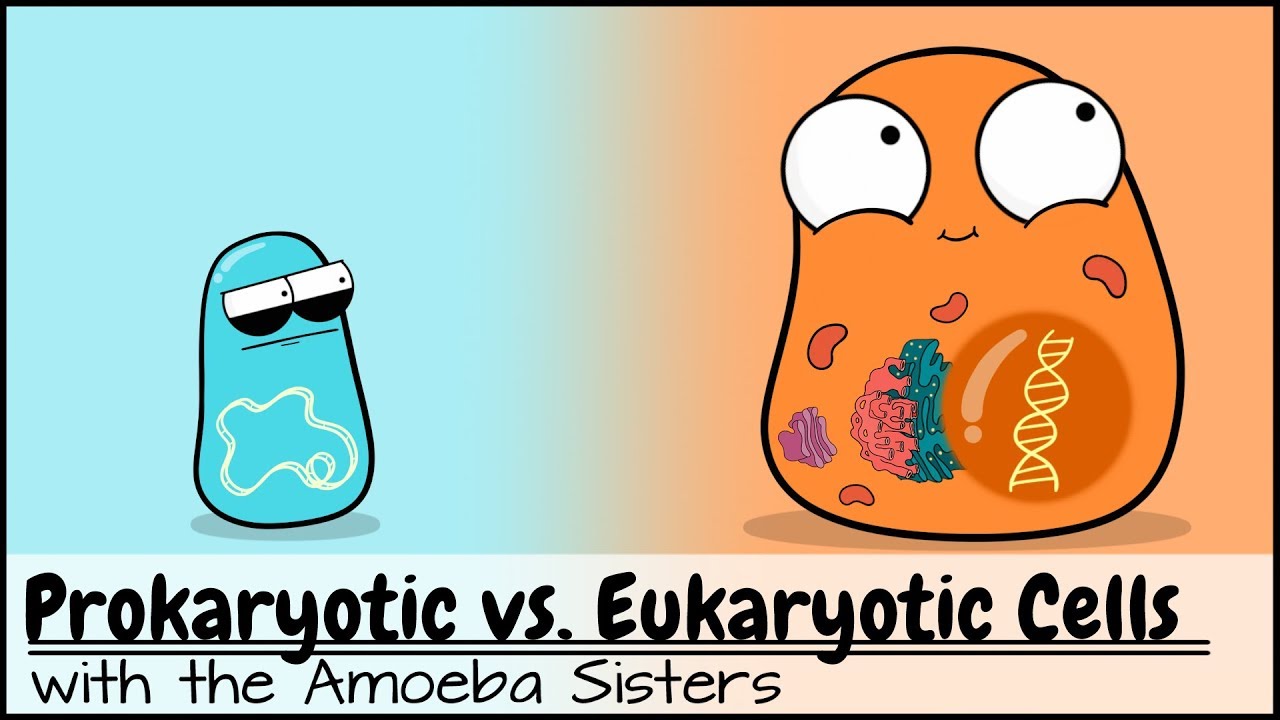
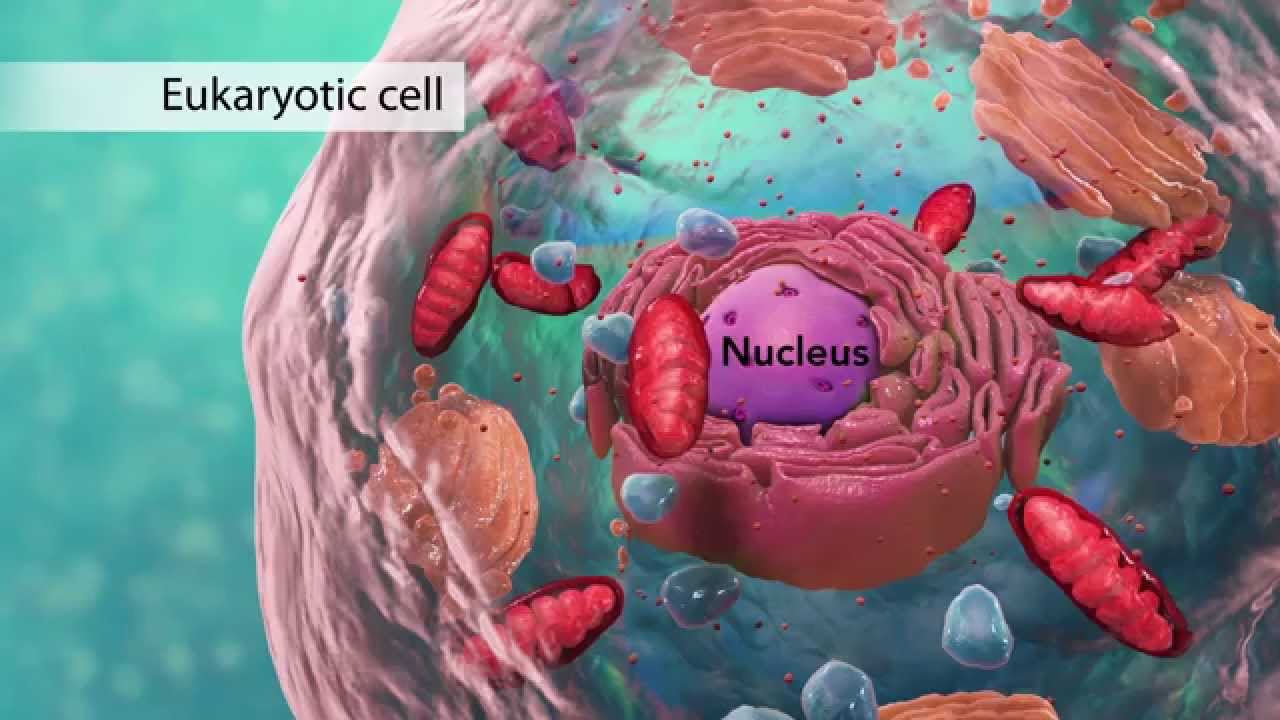
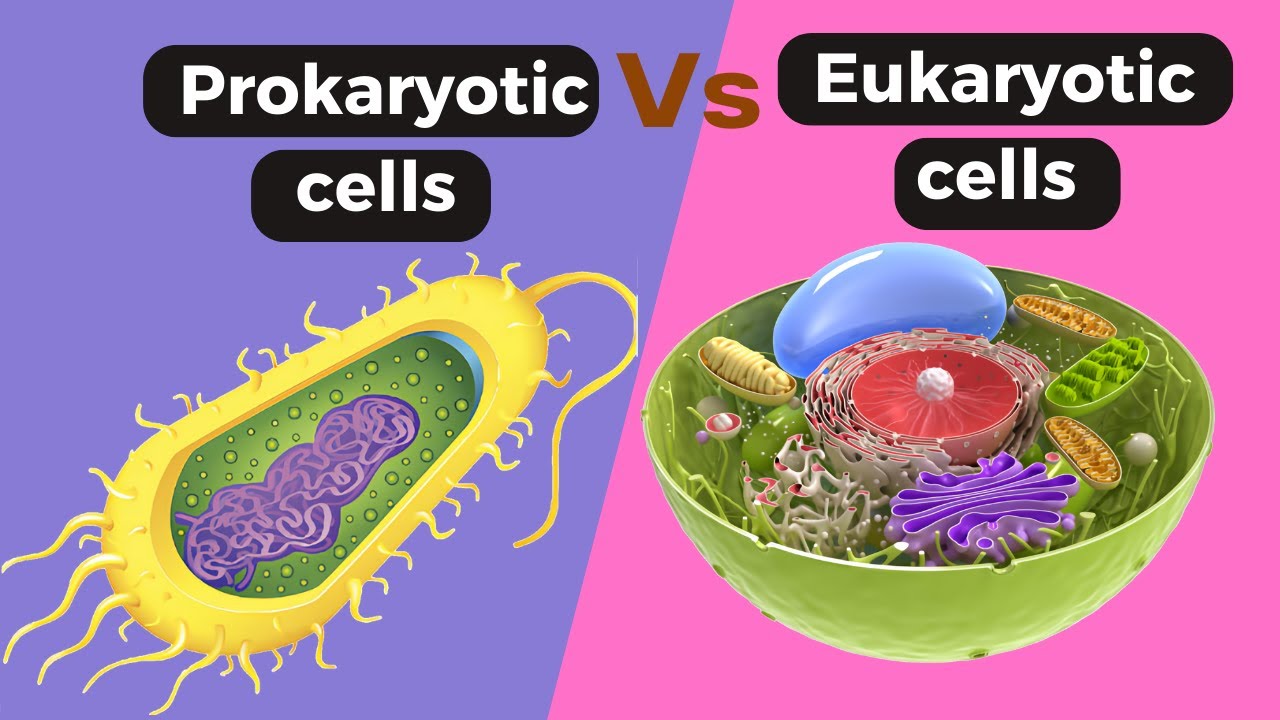
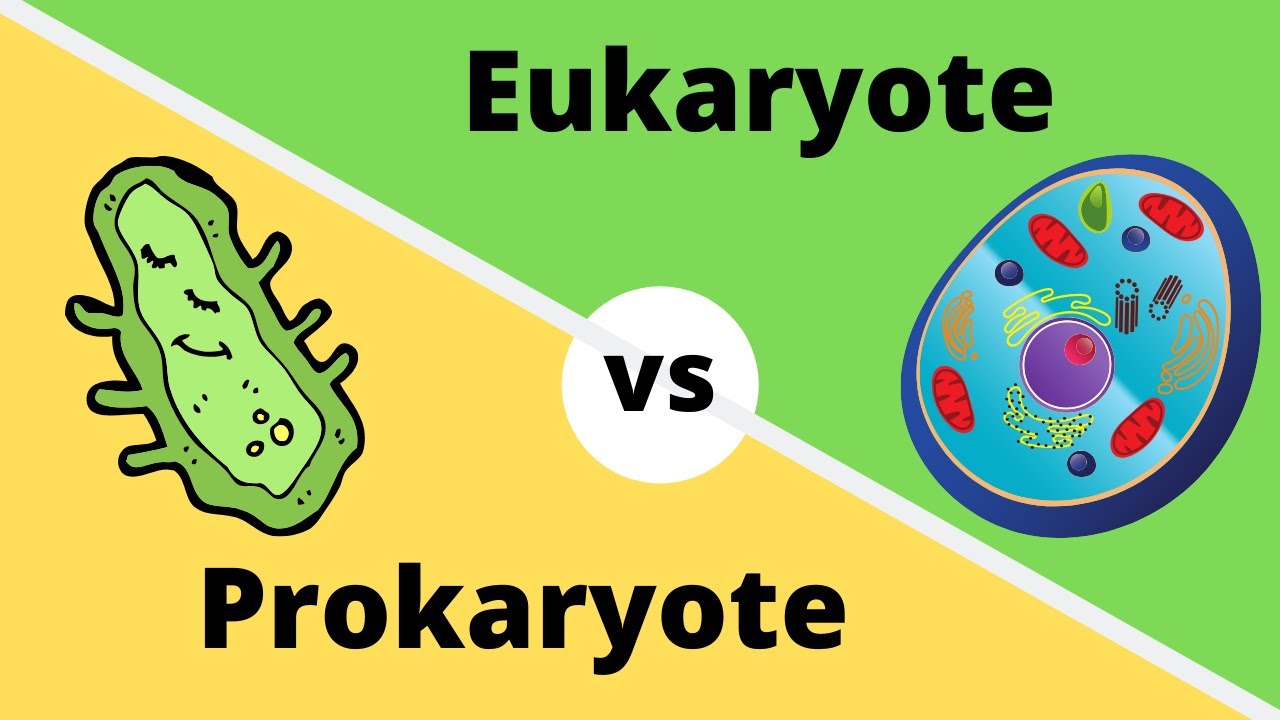
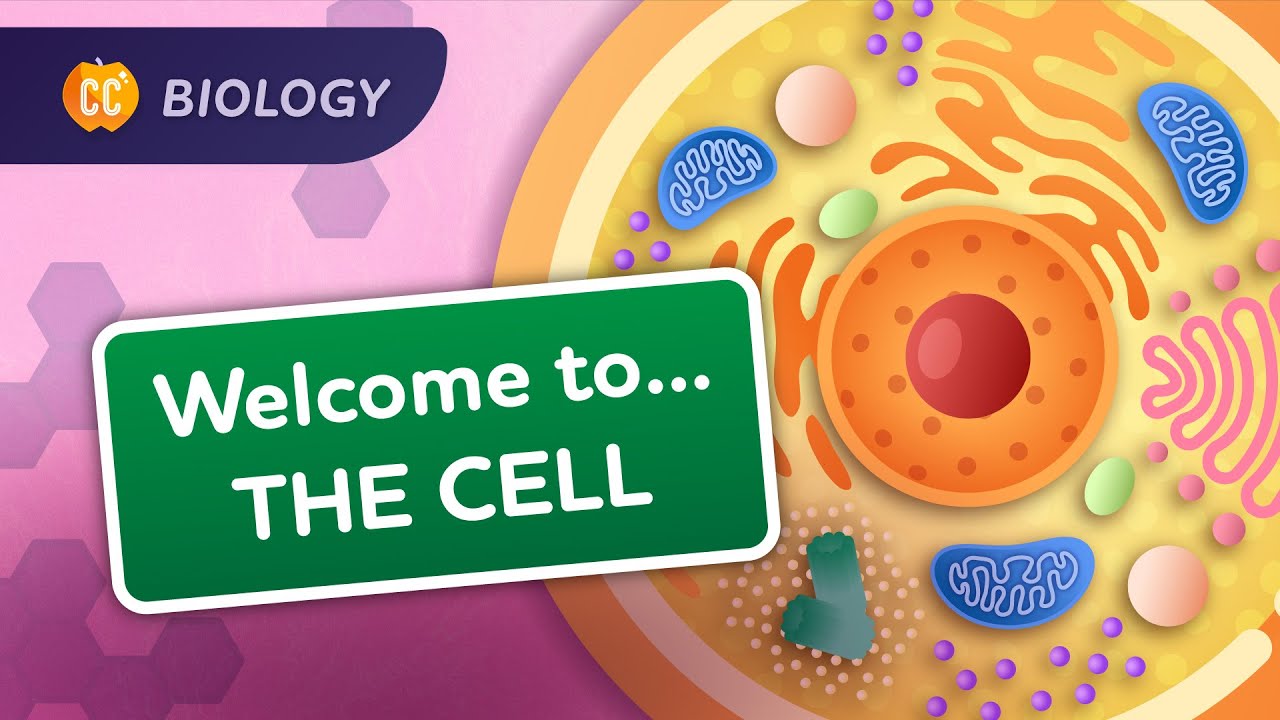
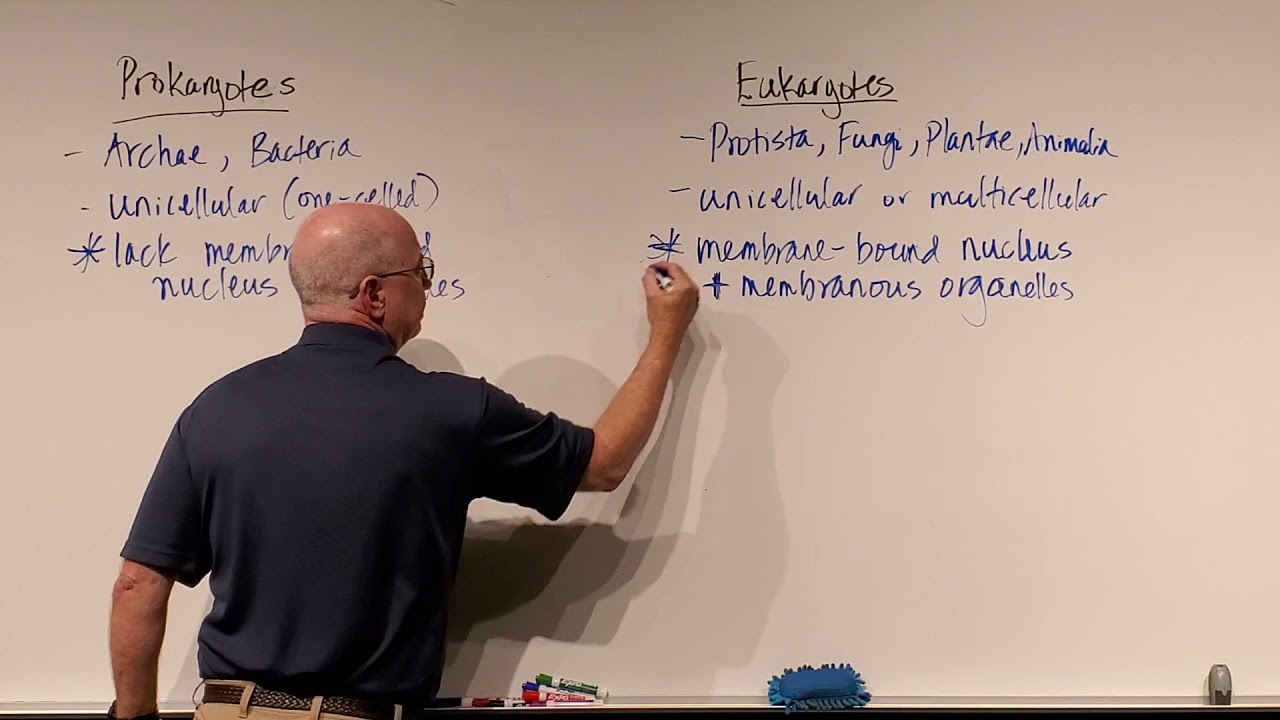
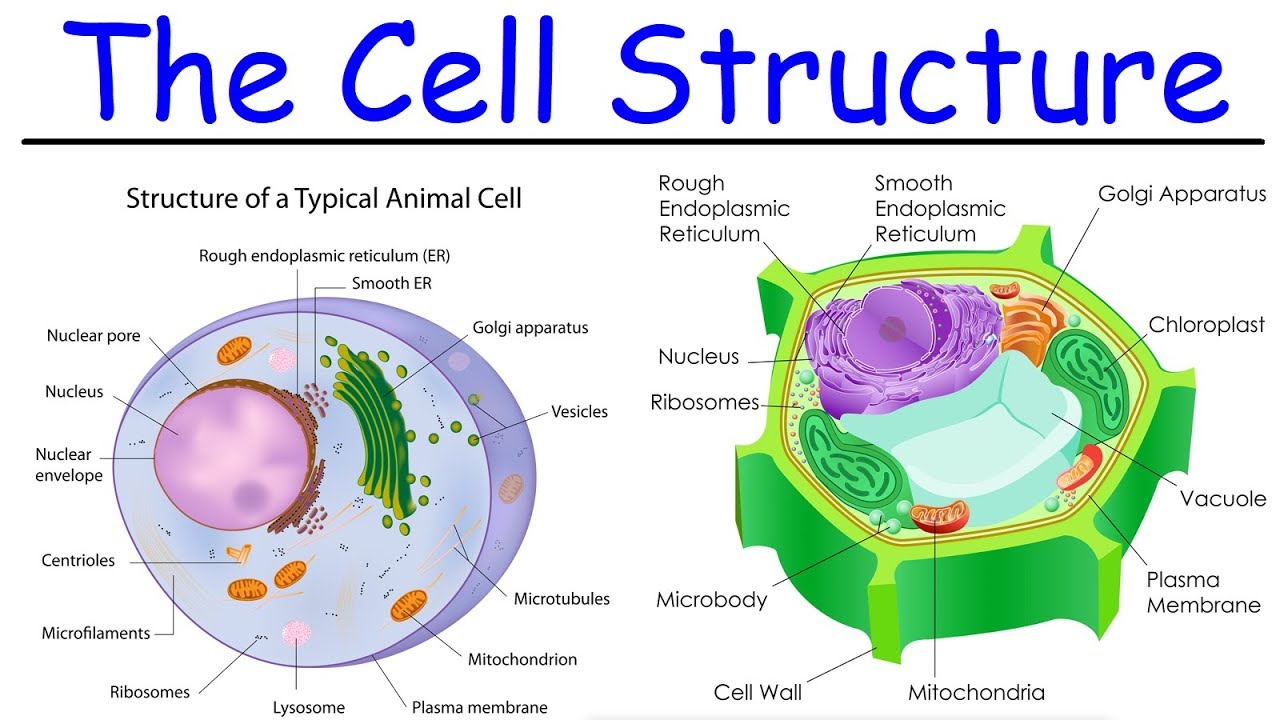
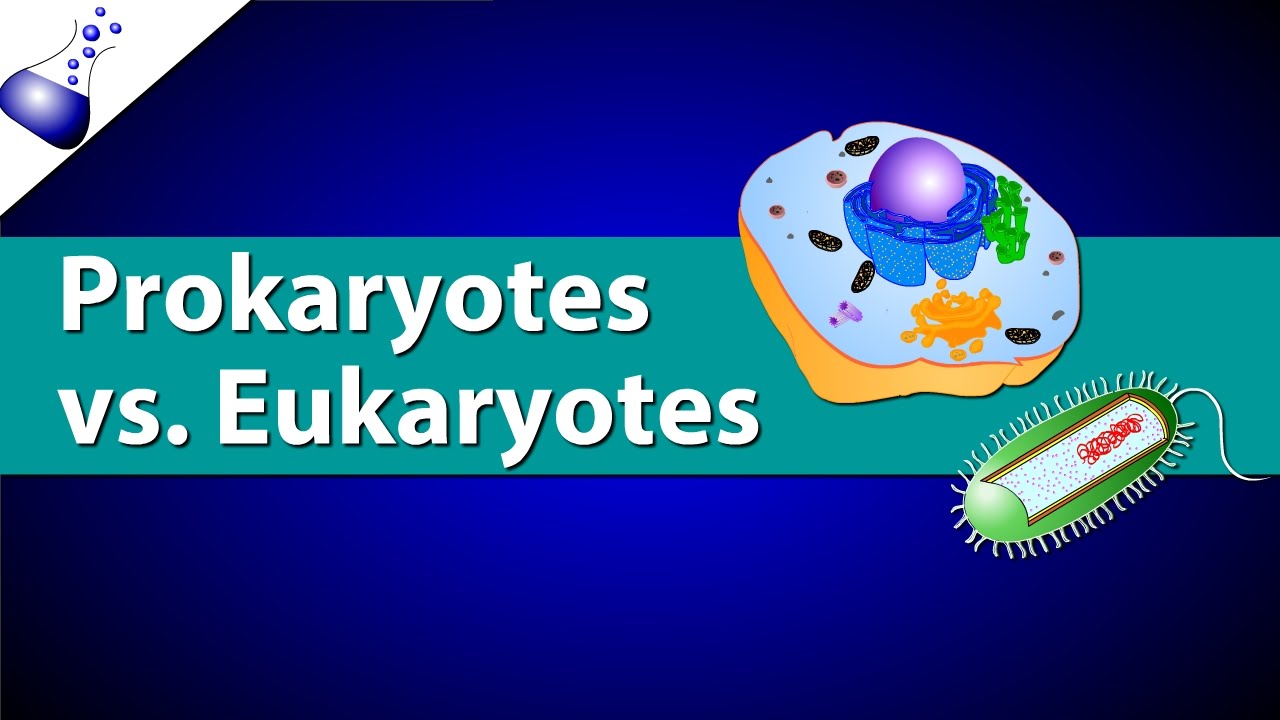
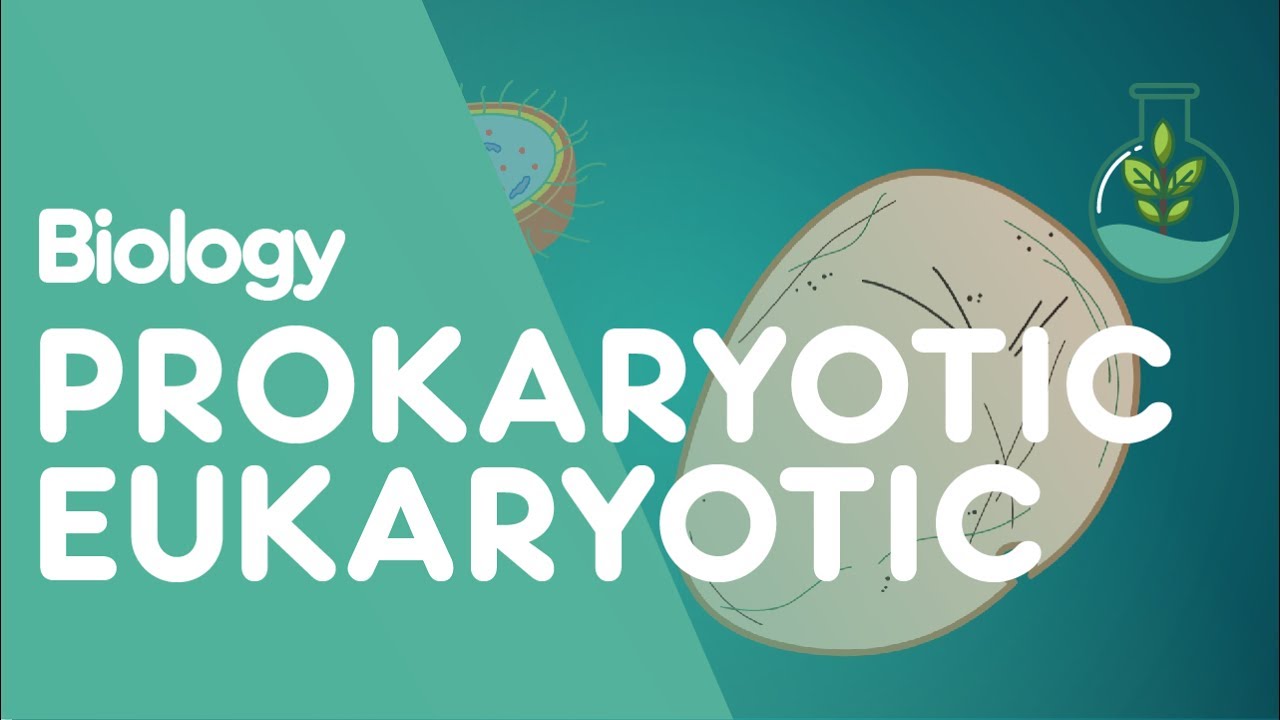
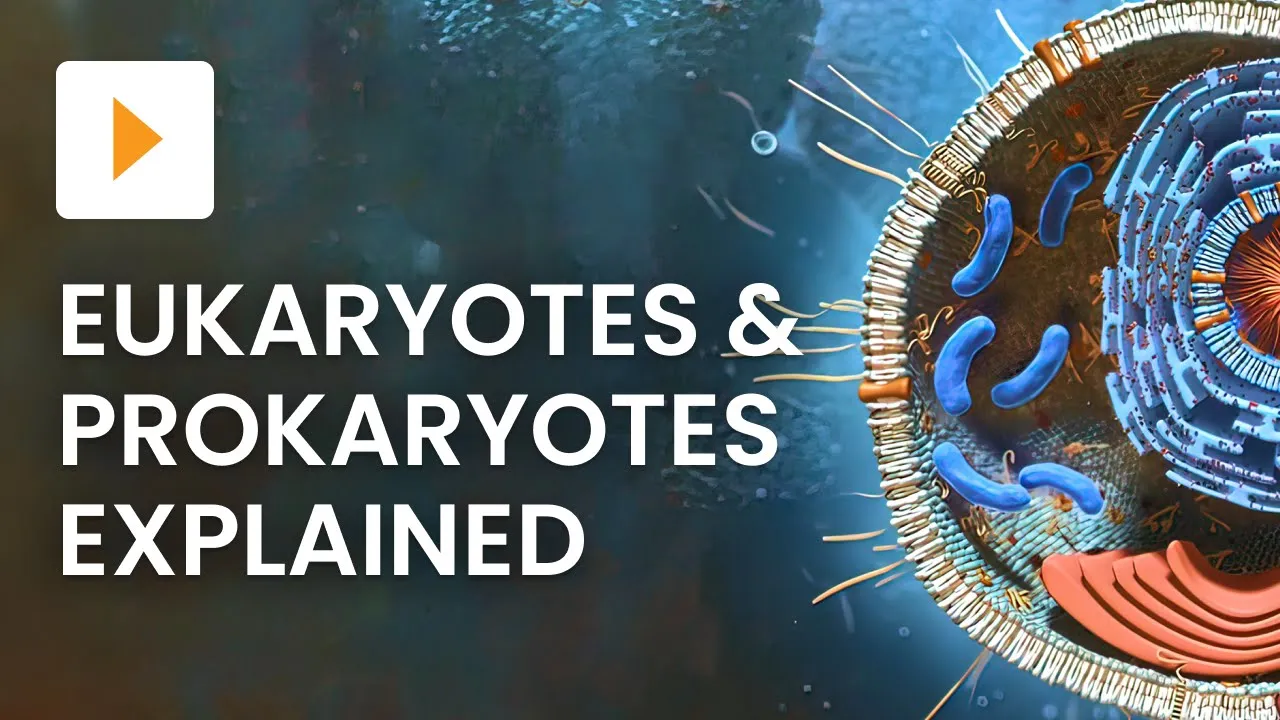
all living things are made up of cells there are many different types of cells in our bodies including bone cells cartilage cells blood cells muscle cells and nerve cells the broadest classification of cells is into two groups eukaryotic and prokaryotic there are a number of differences between these two types of cells the main difference is that eukaryotic cells have a double membrane bound nucleus which contains the cell's DNA prokaryotic cells do not have a nucleus only a nucleoid which is the central open part of the cell where the DNA is found eukaryotic cells also have
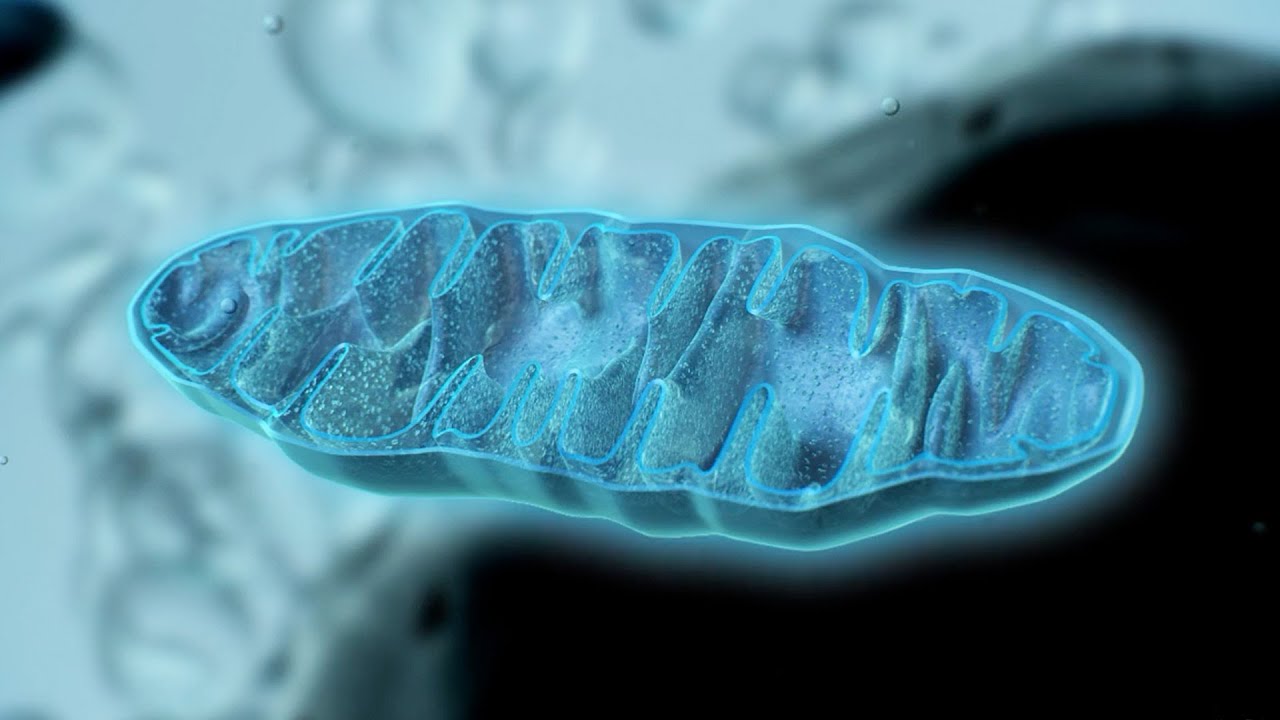
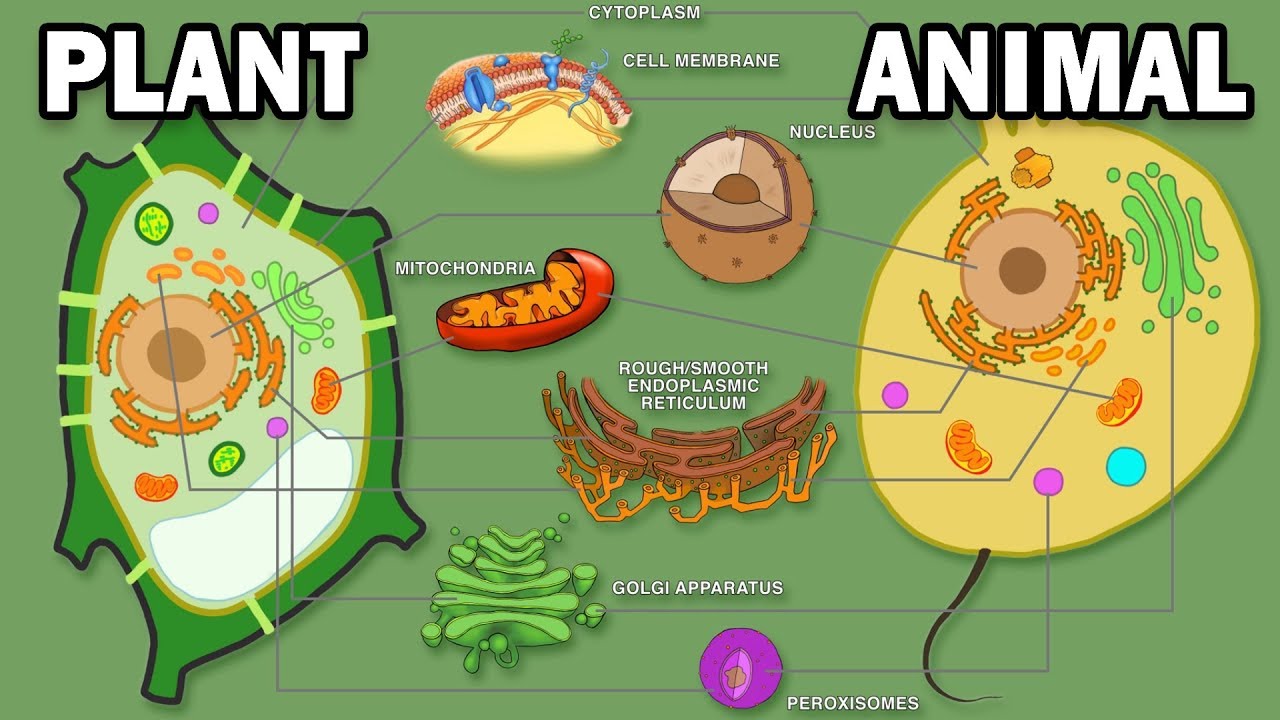
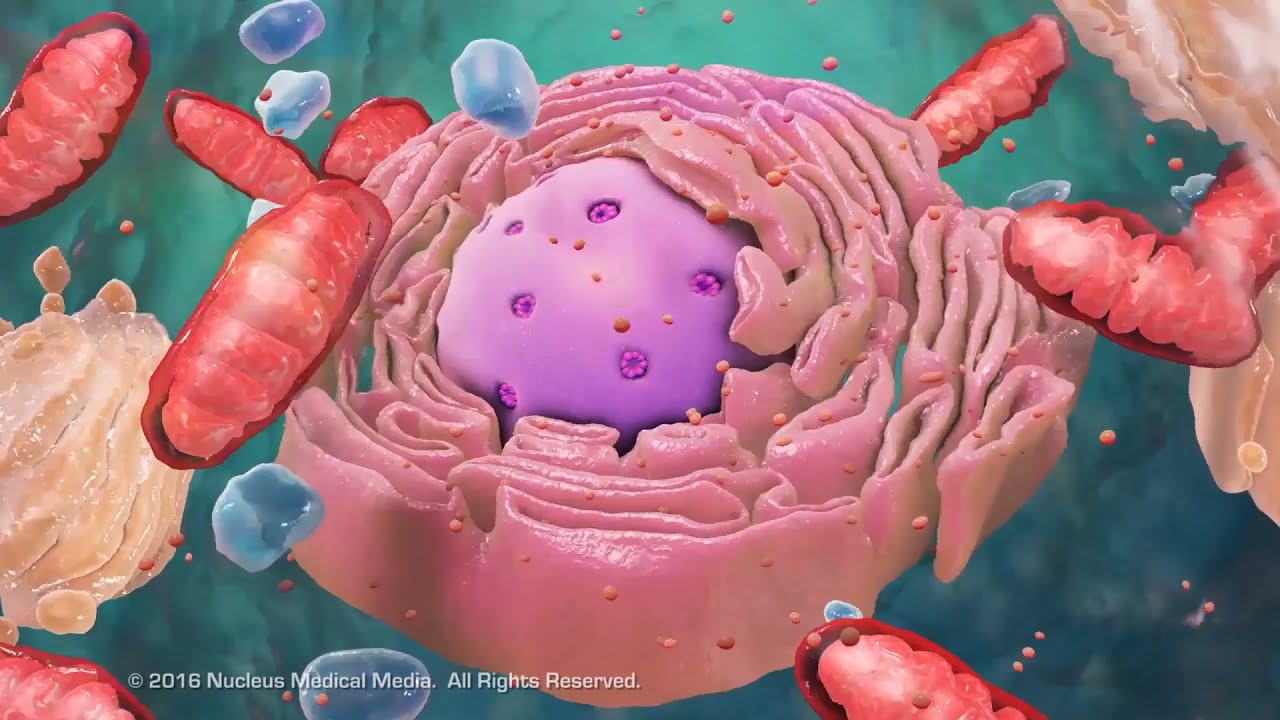
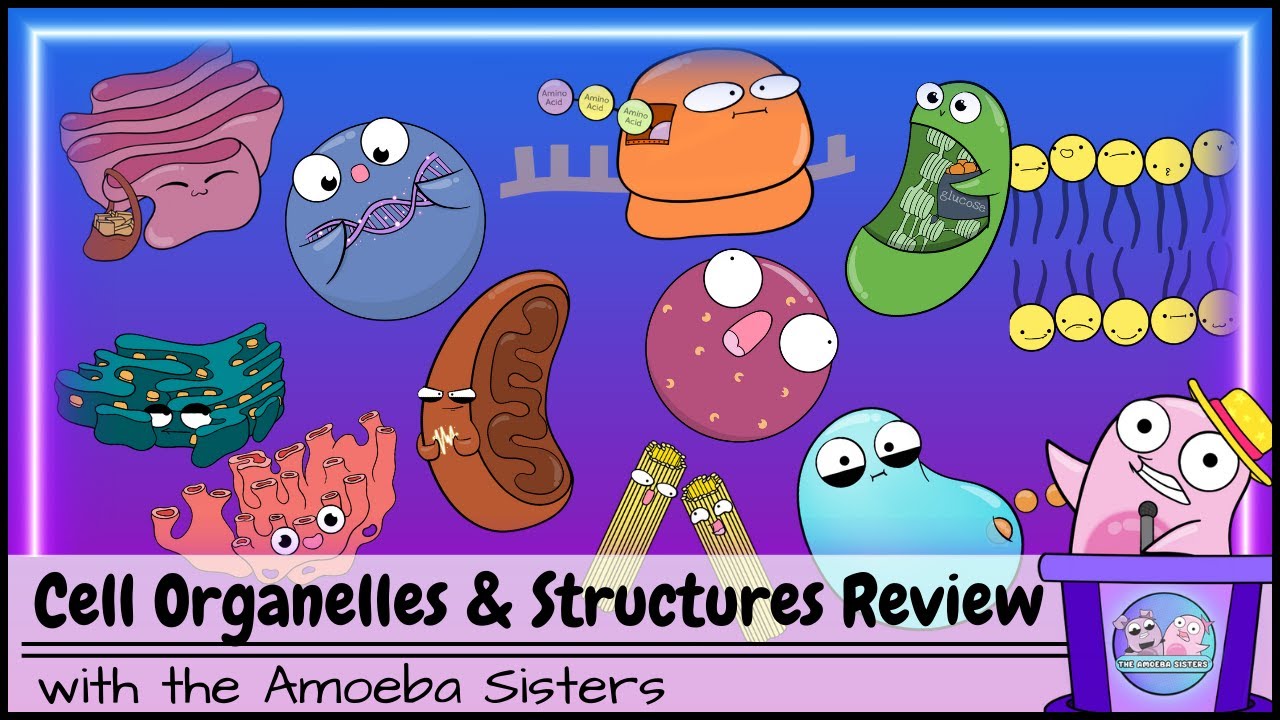
other large complex membrane bound organelles which prokaryotic cells lack these include mitochondria rough and smooth endoplasmic reticulum the Golgi complex and in the case of plant cells chloroplasts organisms with eukaryotic cells are called Hugh carry oats and they include all animals plants protozoa and fungi organisms with prokaryotic cells are called prokaryotes and they include bacteria and archaea for millions of years prokaryotes with the only form of life on this planet eukaryotes came later as a result of the process of evolution another difference between eukaryotic and prokaryotic cells is their size eukaryotic cells are generally larger
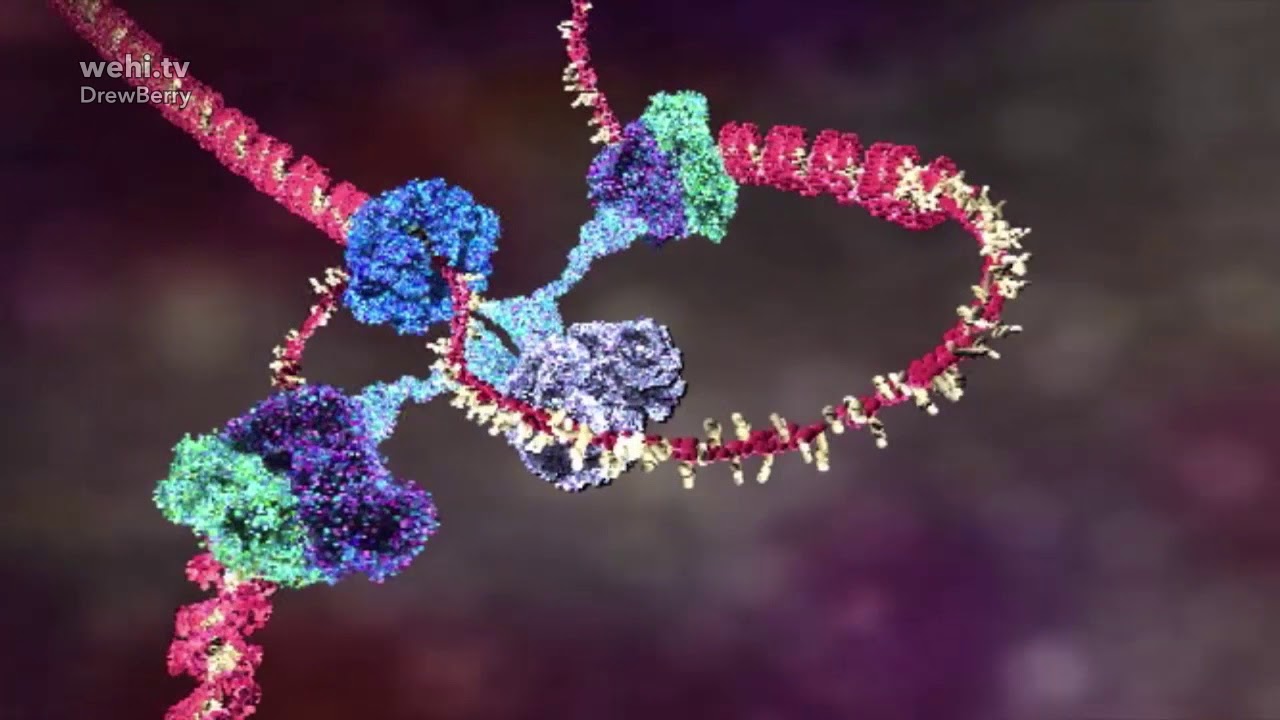
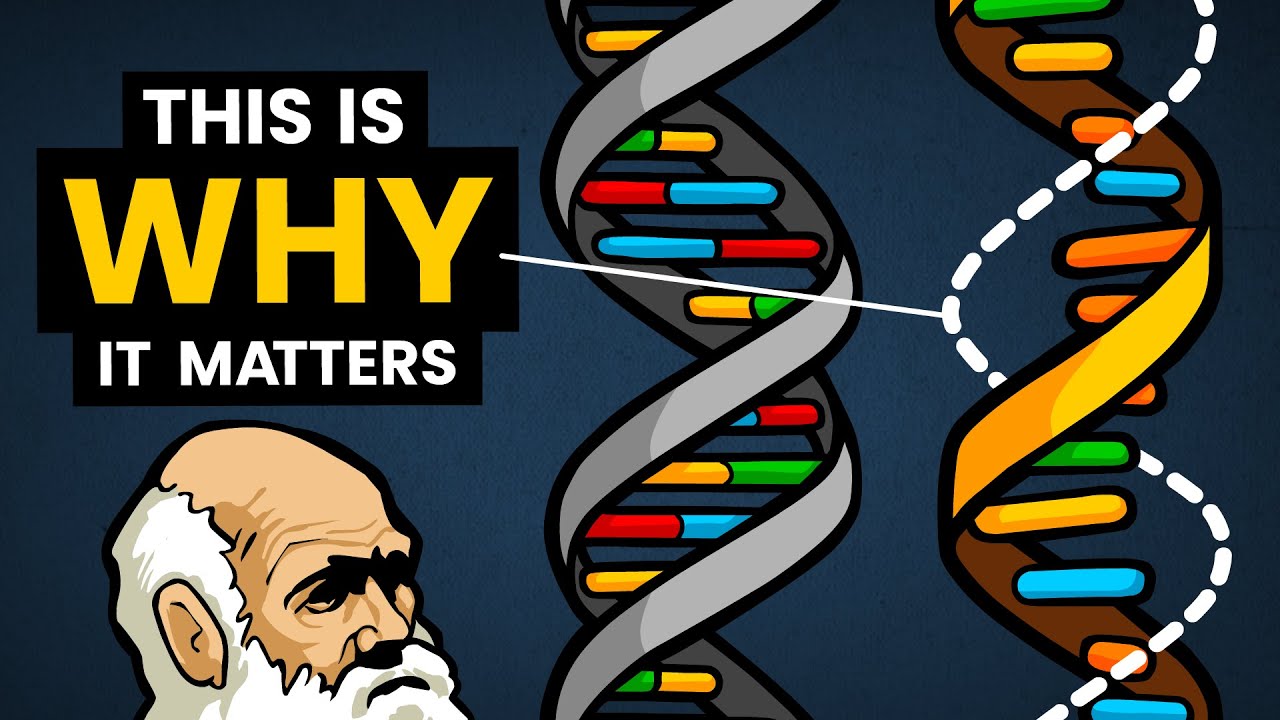
than prokaryotic cells eukaryotes are mostly although not entirely multicellular organisms whereas prokaryotes are always single-celled or unicellular organisms examples of unicellular eukaryotes include amoebas Paramecium and yeast the structure of the DNA in eukaryotic cells is different from that in prokaryotic cells in the nucleus of eukaryotic cells DNA forms tightly bound and organized chromosomes prokaryotic cells contain just a single loop of stable chromosomal DNA stored in the nucleoid the nucleoid is not a structure but the area where the DNA is found both types contain ribosomes but in eukaryotic cells they are bigger and more complex and
bound by a membrane most eukaryotes reproduce sexually the offspring have genetic material that is a combination of the parents genome prokaryotes however reproduce asexually their offspring are clones of the parent cell which come about through binary fission [Music] finally prokaryotic cells have a larger surface area to volume ratio than eukaryotic cells which results in a higher metabolic rate and therefore increased growth rate and shorter generation time while eukaryotic and prokaryotic cells are quite different in their structure and processes they do share similarities ribosomes are one feature they have in common but both also have a
cell membrane composed of phospholipids and proteins the membrane provides a barrier between the external and internal environments of the cell and selectively allows certain materials to pass through both types of cell have DNA as the basis for their genes although the structure is different the genetic material regulates cell function and contains the coded information that is passed on to offspring both also contains cytoplasm but in eukaryotic cells it is defined as everything within the cell outside of the nucleus in prokaryotic cells the cytoplasm refers to everything contained inside the cell membrane the gel like cytosol
is a major part of the cytoplasm in both types of cell this solution is the site of many of the cell's metabolic processes such as the synthesis of protein [Music]