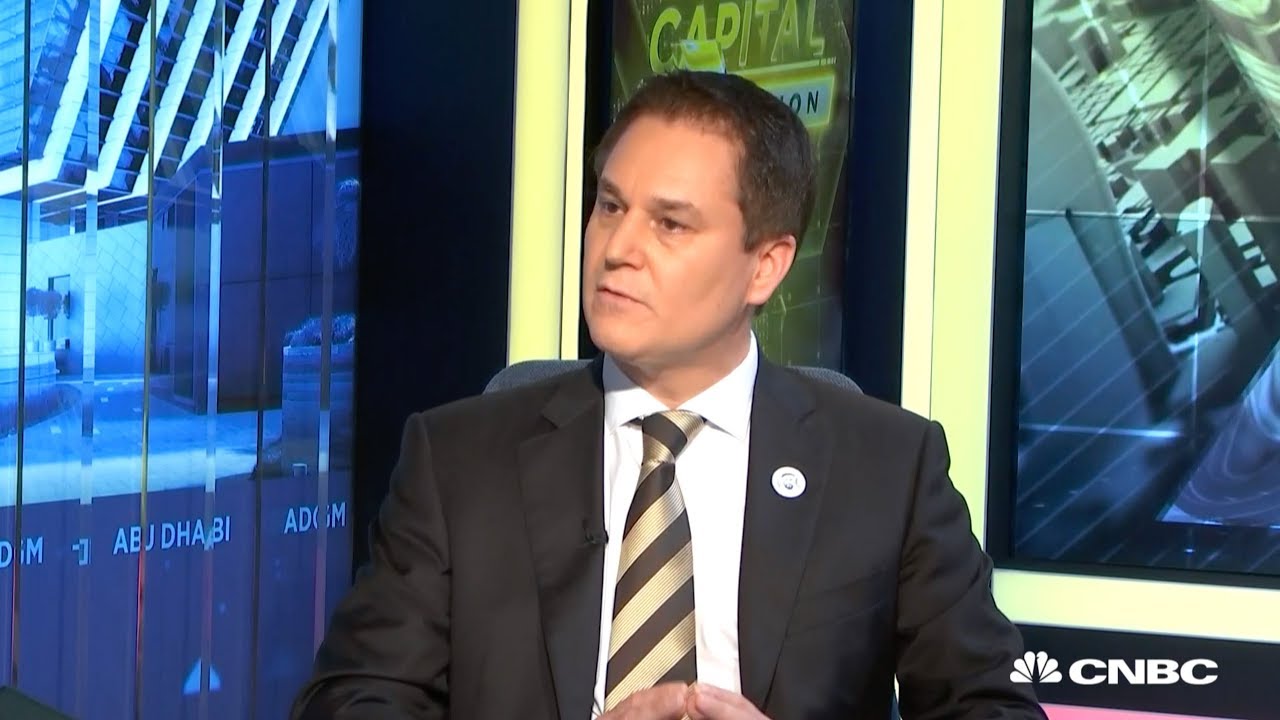
while writing the rumor mill can be a tricky business because as the saying goes mud sticks a new study by the University of Western Australia has found that once it's been heard false or misinformation can never be erased from memory even after it's been corrected ora keka from the University of Western Australia joins me now or a gecko you use the news to put students to the test what did you find hi and thanks hope around the show it's what we find is that we give people news reports containing information that is later on corrected
or retracted okay so you might read a report about a crime investigation where you know Jim kill Jane later on your toll that's actually not true but people continue to use this misinformation as we call it in their reasoning so even if they understand and believe the retraction or the correction they will still continue to use this outdated or corrected misinformation in their reasoning so it is true to an extent that mud does stick I do those results surprise you but we've run many studies it's a very robust effect it is surprising to extent especially
because it also happens with completely neutral information where you know you don't have any a priori belief or what's the word any motivation to believe a certain piece of information it just told given a fact then you're told it's wrong but you still continue to rely on this information all this information isn't always lies or deliberate or malicious is it no oh well it doesn't doesn't really matter I mean what we look at is typically pieces of information that are just given to you in an unfolding news event but if there is the intent to
mislead the effect still happens if you are suspicious about the source of the misinformation you will have you know it will be easier for you to let go of the misinformation but it generally speaking doesn't doesn't matter if you're intentionally misled or if it just happens to be the way that things are reported in the world does that also mean for people with strong personal beliefs you really never going to change their mind that's one thing we have looked at and yes it's true if you have a belief if you believe in something this belief
is very central to your identity you've got to have very hard time convincing that person that their belief is wrong generally we want to protect our identity and if there's something we strongly believe in then it will take a lot of evidence to convince us otherwise so there's a lot of debate about climate change these days one thing we have looked at is that people who strongly believe that humans don't cause climate change and these people are mainly people who believe in free market ideology who think there should be free markets with no regulations you
can present them with all the scientific evidence in the world they will continue to believe that humans are not causing climate change if you look at the scientific literature there's actually no debate ninety-seven eleven hundred climate scientists say look humans are causing climate change it seemed as effect in the scientific community but if you believe in free markets and if that's very central to your identity all the scientific evidence in the world is not going to change your belief we were keka thank you very much