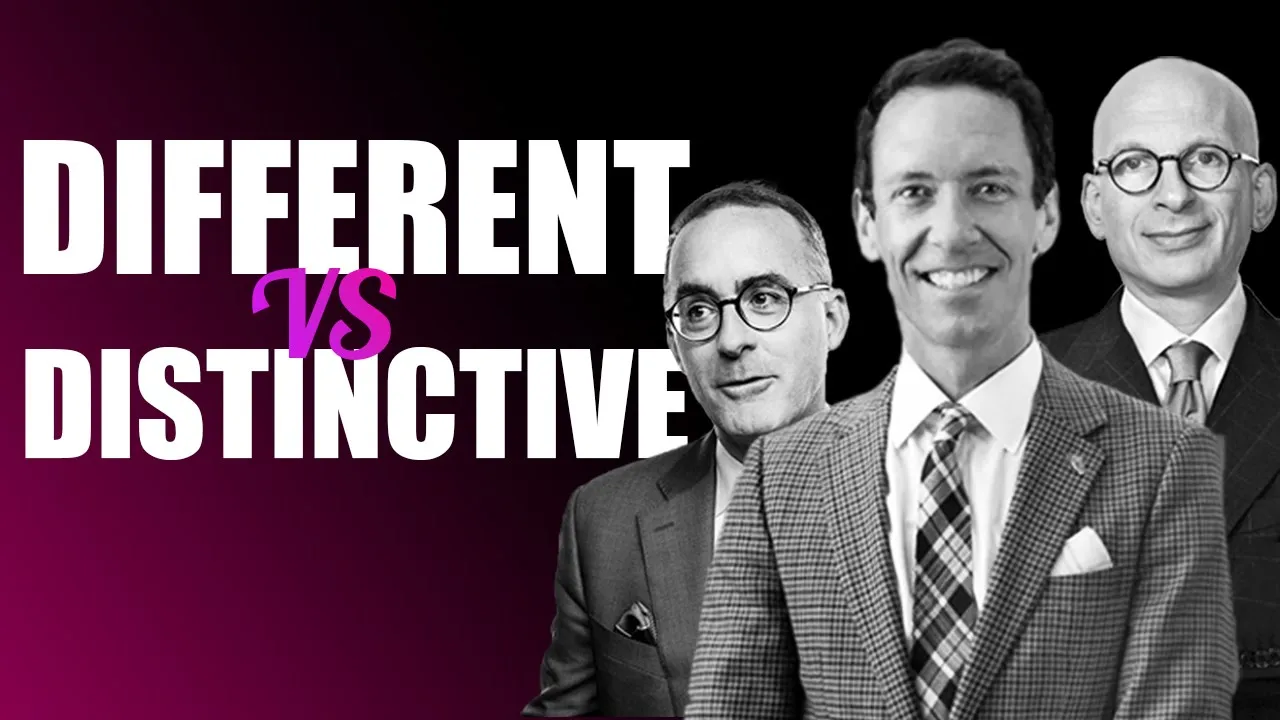
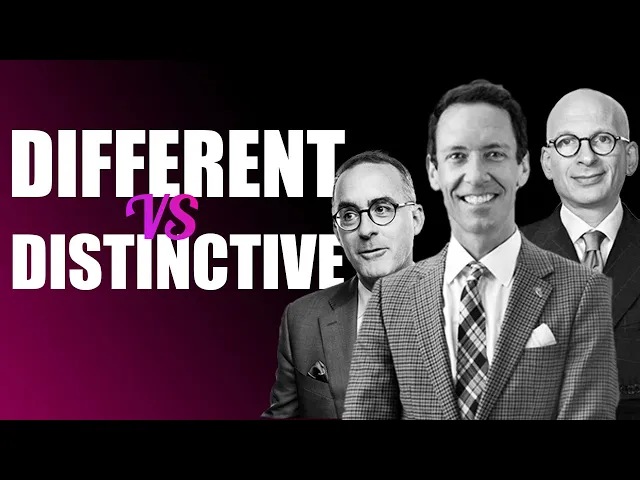
What's up brand builder Stephen Houraghan here at BrandMasterAcademy.com and in this video i'm talking positioning versus differentiation versus distinctiveness so we can meet this debate head on and find out what the biggest marketers in the world are saying about it before bringing it back into the real world to see how we can use it in our brand building now if you're new to the channel and you want to build brands that go beyond the visuals and the logo using strategy psychology and creative thinking and you're in the right place hit that subscribe button and the
notification bell if you want to fast track your results make sure you grab the pro brand strategy blueprint it's a free download and the link is in the description now in recent years there has been this growing debate around differentiation and distinctiveness and why people choose the brands that they do what kind of influence that we can have as brand builders over their decision making process on one side you have some that will say that you just need to tap into the belief behind what you do that people just by why you do what you
do not actually what you do and on the other hand you have others that will say that there is no such thing or no real ability to differentiate your brand these days it's all about availability and distinctiveness so we're going to look at the differences of opinion here we're going to look at the opinions on one side versus the other side and we're going to break them down and see what they really mean in the real world so let's start with positioning now positioning has been around for about 40 years the concept of positioning was
brought into fruition by al ries and jack trout with their book in the early 80s positioning a battle for your mind and this influenced a lot within the marketing industry and influenced a lot of universities and influenced a lot of modern textbooks today and that is now the cornerstone belief that you need to position your brand effectively in order to give your audience a meaning as to why they should choose your brand as al recent jackfruit said the basic approach of positioning is not to create something new and different but to manipulate what's already up
there in the mind to re-tie the connections that already exist so what is differentiation well differentiation or your differentiation strategy is the fundamental reason that you give your audience to choose your brand when compared to your competitors so your differentiation strategy is ultimately the reason that you are different from the rest of the market now this has been around for a long time since the 60s when the usp was the real framework that everybody used as the leading edge of communication so what brands communicated was their unique selling proposition and that dictated all of their
messaging and as i said that's been around and that concept has been around since the 60s now even those who subscribe to the idea that you must differentiate or die also have differences of opinion as to how you can differentiate in 2009 simon sinek came out with a book that was pretty idealistic but really had a lot of influence at the time on major brand leaders now he came into the arena with this idea that pretty much all brands know what they do some brands know how they do it but very few brands know why
they do what they do and then he went on to say that people don't buy what you do they buy why you do it and what you do simply proves what you believe now that book was followed up in 2011 by another book called grow that had a similar message now this book was by a marketer by the name of jim stengel now jim stengel was the former cmo of procter and gamble so one of the most influential marketers of his time and as i said his book grow had a very similar message to the
start start with why book by simon sinek and that was that brands with high ideals outperform the rest of the market and within his research he found that the index that he called his stangle 50 which were the top 50 brands of his choice that had high ideals outperformed the s p 500 by 400 percent so this started to put a little bit of science and research behind this idea that brands with high ideals or brands with a brand purpose or a belief in why they did what they did had an influence over the bottom
line and the performance of the business and jim stengel went on to say that maximum growth and high ideals are not incompatible they're inseparable now way back in 2002 seth godin who is one of the most respected marketing voices on the market and there are a lot of marketing voices today he came out with his book purple cow now purple cow threw down the gauntlet for brands to go out and be remarkable be completely different and he really believed that mass marketing was dead and you really had to be remarkable and choose exactly who you
want to be for and be unique to that group of people in a quote from his book he said i believe we've now reached a point where we can no longer market directly to the masses traditional approaches are now obsolete and 100 years of marketing thought are gone alternative approaches aren't a novelty they're all we've got left so what is brand distinctiveness well that's a brand's ability to be able to stand out visually to its audience when compared to its competitors now visual distinctiveness leads to brand salience which has been proven to impact the buying
decision now essentially the way you provide brand distinctiveness or the way you make sure that your brand is visually distinctive is by creating as many quality visual assets as possible or as many distinctive brand assets as possible and these can include your logo or your image style or your tagline or even your audio now of course the more distinctive brand assets you have the more effective those assets are more chance your brand has of being remembered and obviously being chosen in that buying decision now byron sharp is a marketing professor and a marketing scientist at
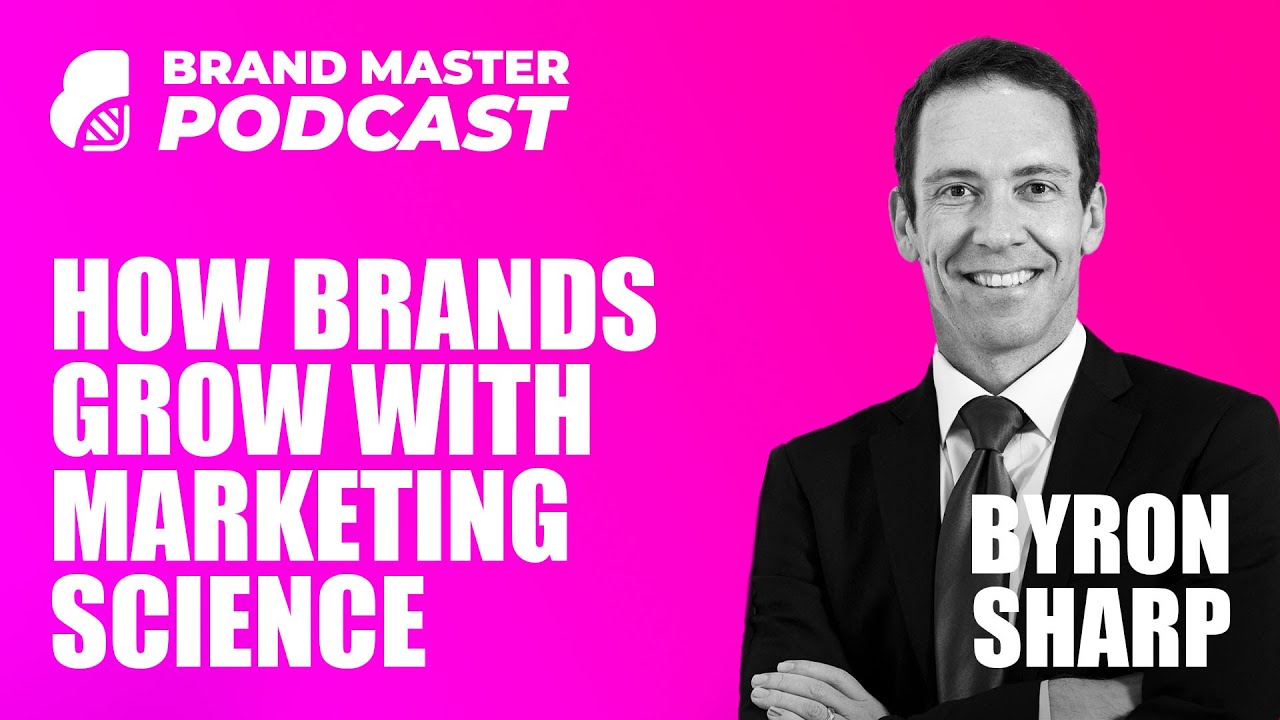
the erenberg bass university of marketing science in south australia now his 2010 book how brands grow was an absolute flamethrower to traditional marketing ideals traditional marketing concepts and philosophies and it really did rock the marketing world because it went in the face of everything that marketing professionals and branding professionals held dear about positioning and differentiation byron sharp through his research now believes that differentiation is not possible and consumers don't think too much about brands and the reason that they choose brands is largely based on their physical and mental availability and their distinctiveness he said the
most important part of any buyer's purchasing process occurs before buyers consciously evaluate which brands to choose buyers in effect decide not to consider the vast majority of brands on the market instead they notice only a few and quite often only one so who's right and how do we make sense of all this i mean this is the marketing elite here and they're having a completely difference of opinion they're not having a little debate about a little aspect of branding this is the entirety of branding these are the fundamental concepts of why people choose the brands
that they do so how do we break all of this down on one hand you have jim stengel putting brand ideals on a pedestal and that's backed up by simon sinek saying that people only buy why we do what we do now in reality if we build our brands like that believing that people are going to buy our brands because why we do what we do then we're going to be left pretty disappointed because in reality that's not how people are going to buy their brands they're not going to buy based purely on why a
brand does what they do and then on the other hand with byron sharp people don't just buy based on availability and distinctiveness they really think about the brands that they buy and sometimes they go out of their way to buy the brands that they do so i believe that the reality is somewhere in the middle and it's our job as professional brand builders to decide what our own ideas are and what our own philosophies are and this is my philosophy there are many reasons that the audience might choose your brand but at its most simplistic
form branding is about providing meaning and the meaning that your audience has with your brand becomes the reason that they choose your brand you cannot be all things to everybody so choose what you want to mean to your audience and let that be the reason they choose your brand you


![What Is Brand Positioning? [With Examples]](https://img.youtube.com/vi/Rcv-J6534oE/maxresdefault.jpg)




![Brand Archetypes [The Brand Personality Framework]](https://img.youtube.com/vi/ubG1XNO1pE0/maxresdefault.jpg)