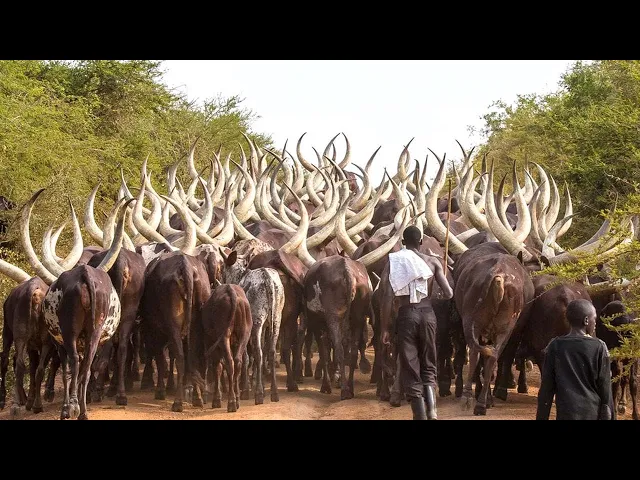
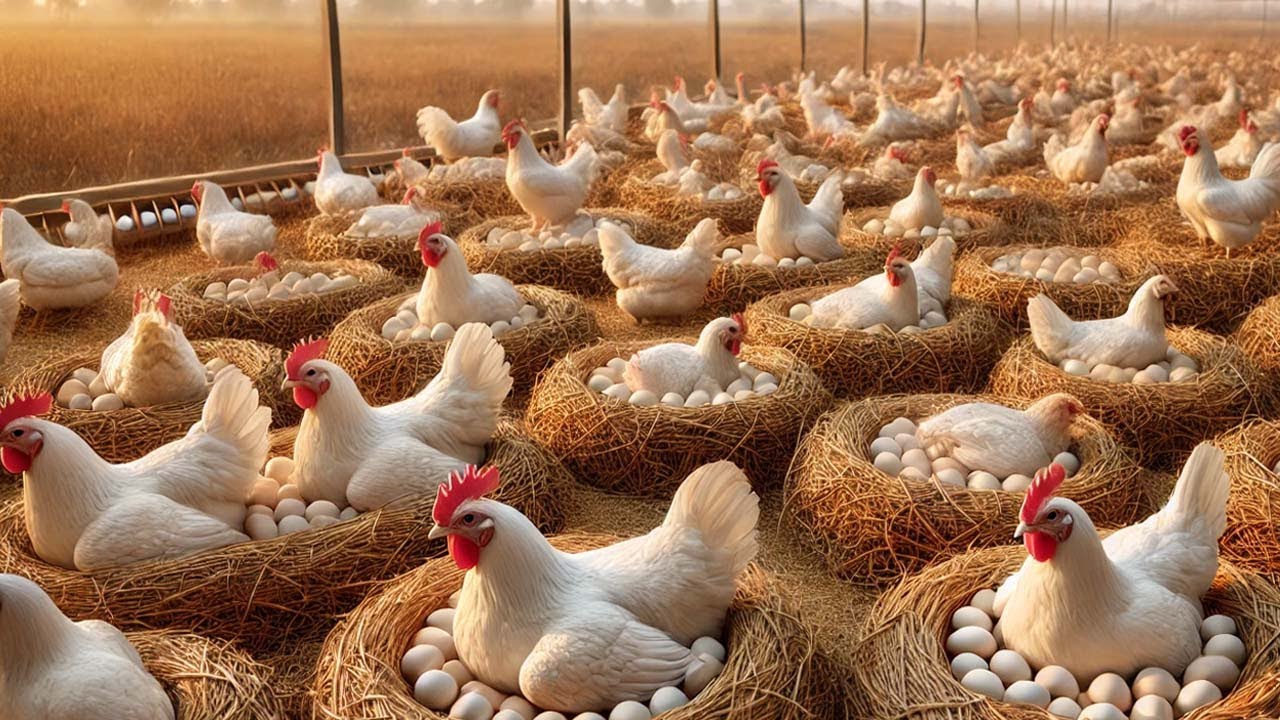
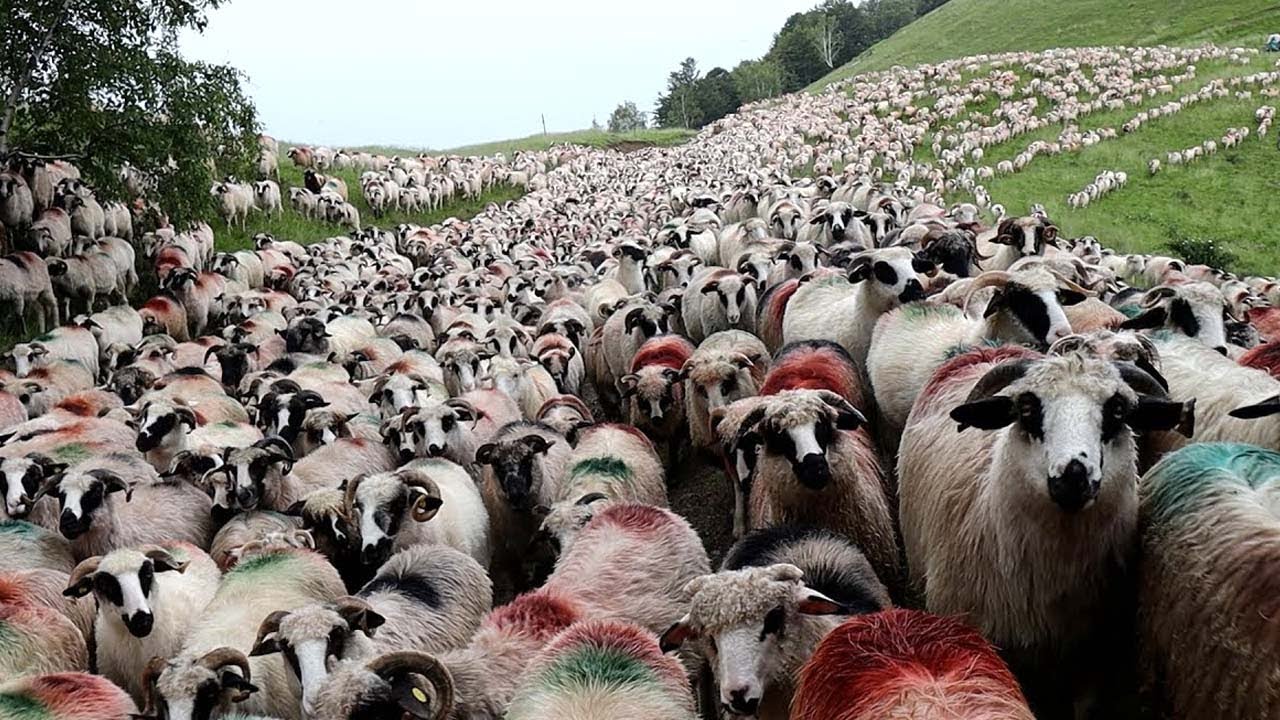
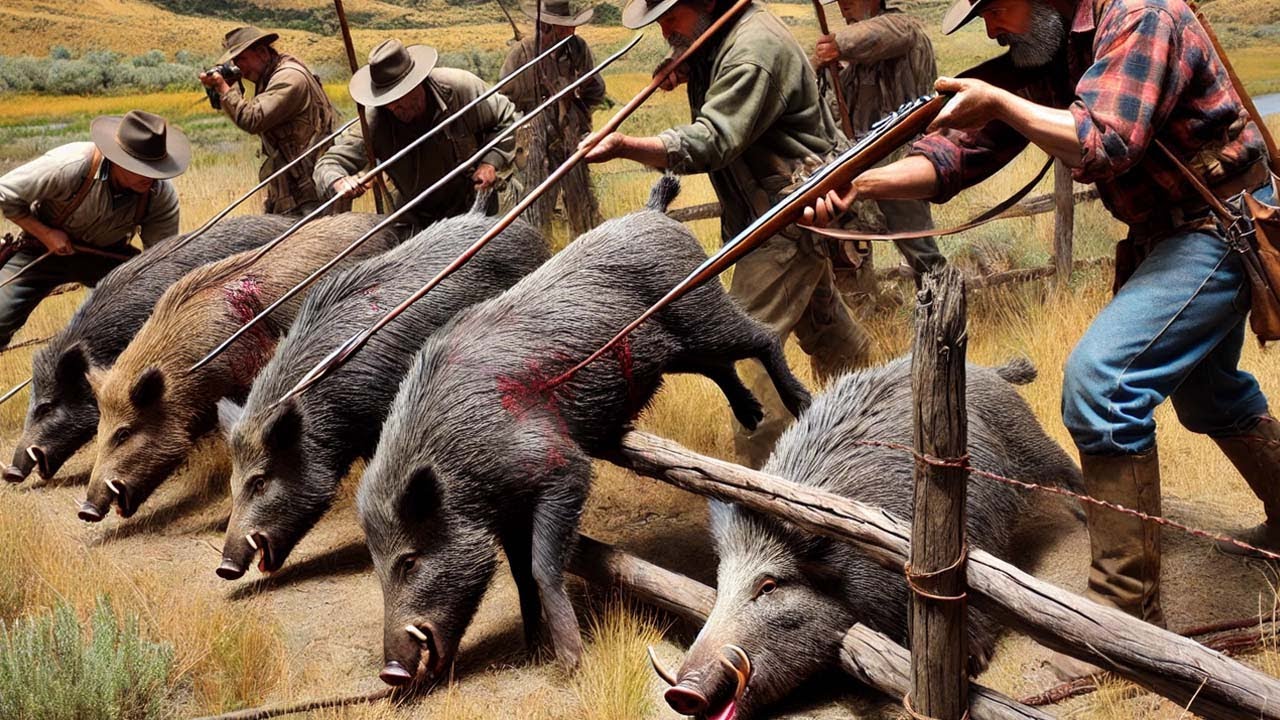
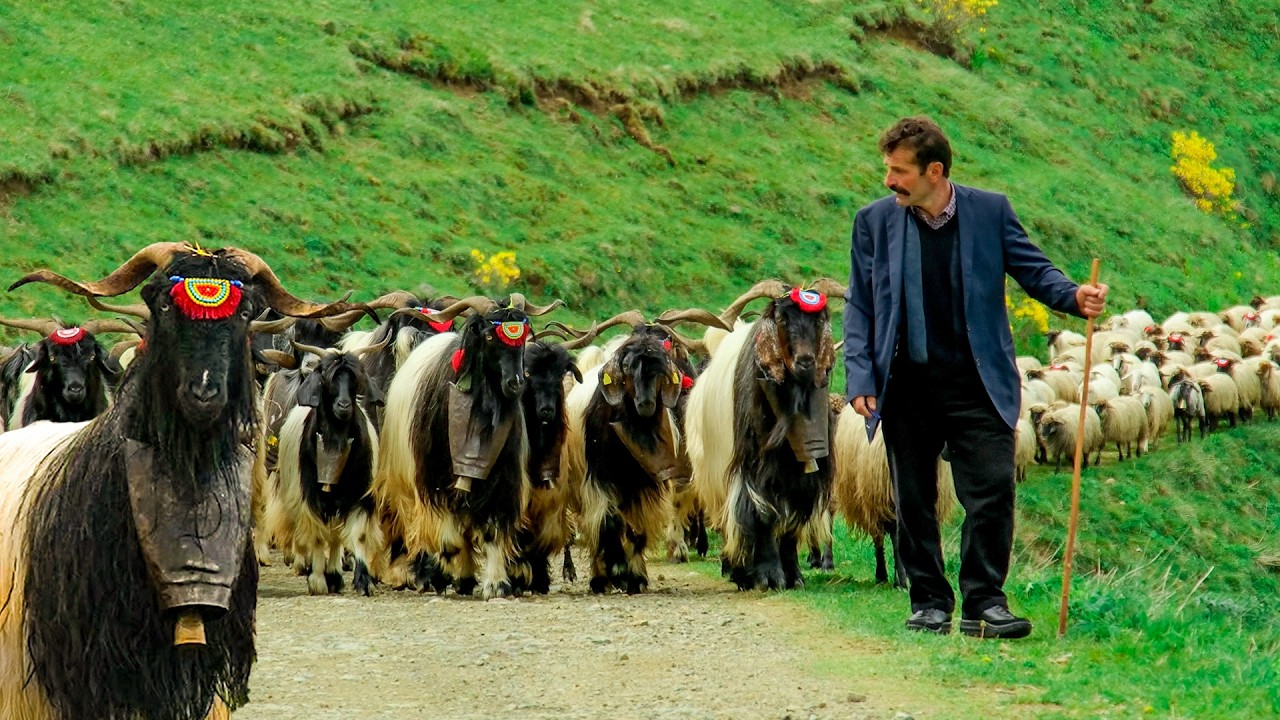
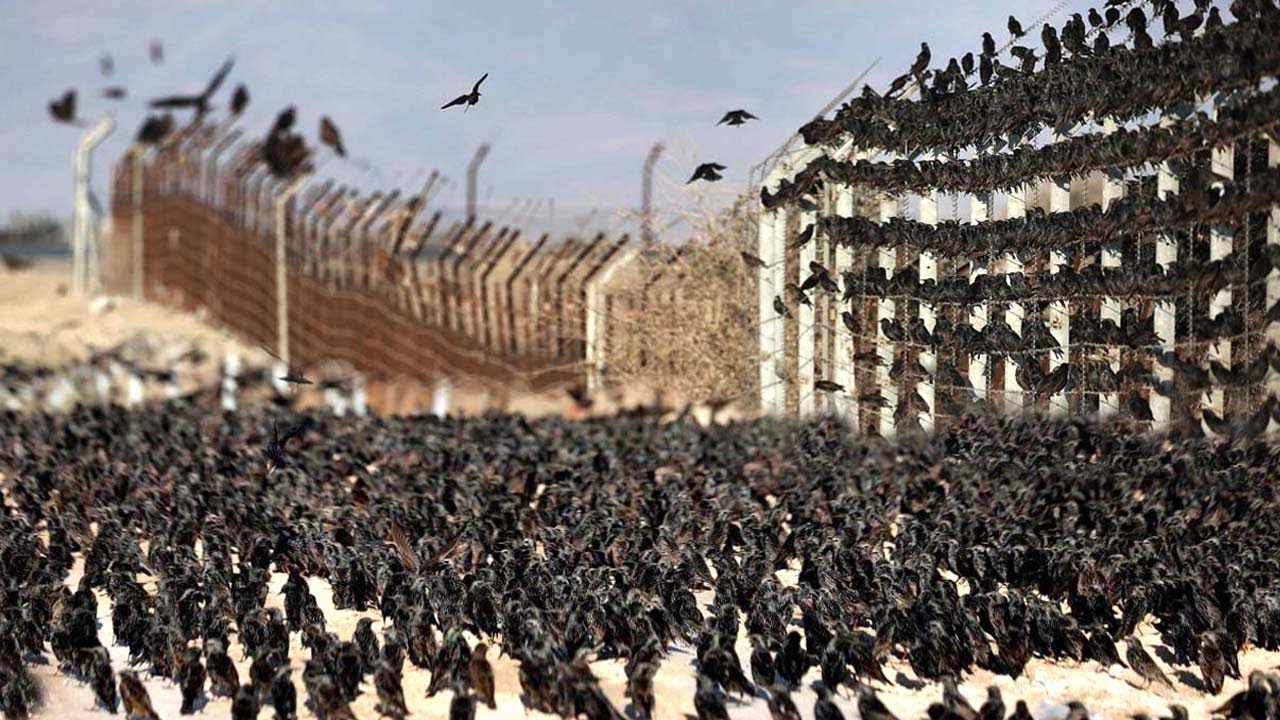
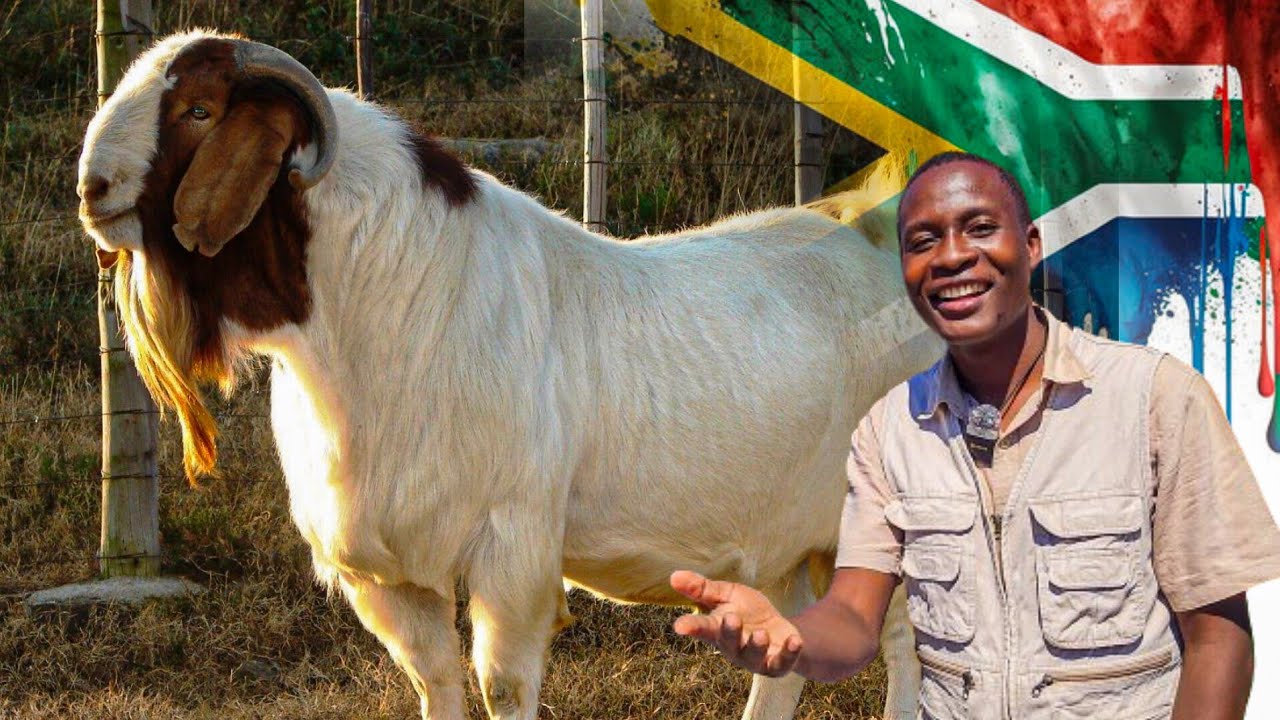
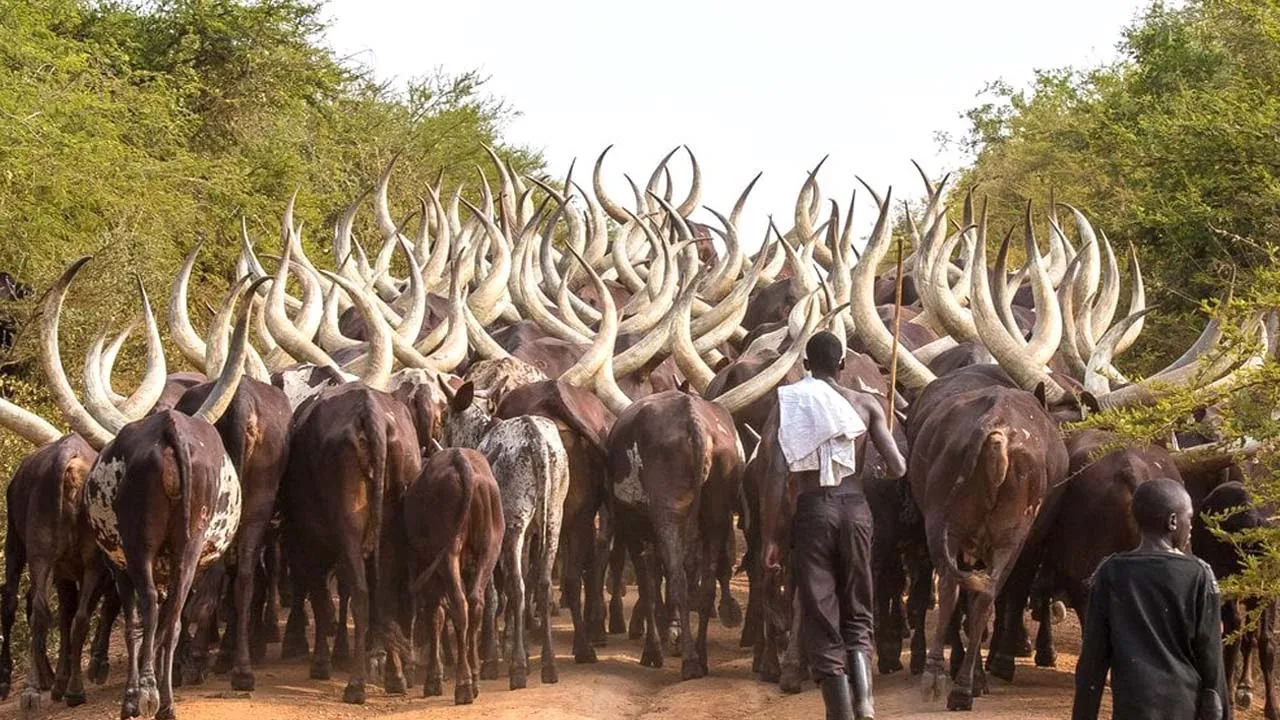
hello my friends temporarily we are going to move away from the Farms of the United States of America today we're going to some of Africa's vast farmlands to see how the continents farmers raise millions of animals according to a report by the United Nations food and agricultural organization by 2022 1. 46 billion acres of land would have been used in Africa for agricultural production and 47 of that is permanent pasture used for grazing livestock and maintaining ecological balance like agriculture in other continents such as Australia or the Americas livestock and meat production are amongst the most profitable agricultural products for farmers in Africa in addition Africa's agriculture is also negatively impacted by wild animals such as elephants baboons warthogs and wild birds we are currently located in the north of Nigeria which is said to have the most goat and sheep farms in Africa every morning hundreds of goats here will come out of the barn and they are herded by Farmers to pastures near the farm to graze unlike goats raised in Australia or the United States farmers in Africa often just graze their goats in the pastures right next to their Farm instead of taking long trips to other distant lands this makes it easier for them to control their hurt and avoid predators that are very common here such as hyenas leopards or African wild dogs it is estimated that by 2022 in Nigeria there will be 1. 3 million active livestock farms and goats are said to be the largest livestock species in the country with about 37 million heads accounting for 23 of the total population of goats raised in Africa currently most goats raised in Africa is for the purpose of meat production due to rather outdated livestock technology the number of goats raised for milk production in this continent accounts for only 27 percent Farmers don't only graze herds in the grasslands they also often combine planting and harvesting hay for food storage and this is only done by the yard farmer who owns small farms that are usually just run by one family in Northern Nigeria there are also a large number of large-scale goat and sheep farms with an estimated 500 to 700 individuals sold each year what is special is that most of these large-scale Farms use a large part of capital provided by Traders from China in addition to Nigeria Ethiopia is also a country with a large number of goats Grazy in Africa currently the number of goats being raised in Ethiopia is close to 30 million and more than half of them are raised on farms in north and the center of the country in Ethiopia Farmers often graze millions of goats in Highlands with mostly mountainous Terrain due to the rather dangerous terrain of raising goats most of the goats here wear Bells around their necks to prevent them from straying from The Herd this is a small-scale golden sheep farm in southern Ethiopia these model Farms account for 93 of the number of farms in African countries when the heavy sunlight gradually ends the farmers here heard their livestock back into the barn to rest and avoid Predators at night a check on the number of livestock in the herd is also carried out each day to ensure that no goats or sheep are lost when the goats or sheep are eligible for a release most of them are taken by Farmers to livestock markets to be sold or slaughtered on the spot in African countries the trade of farm animals often takes place in small markets in small numbers customers here often buy goats or sheep for the purpose of developing a new Farm or increasing the number of animals available in their herd the export of hundreds of sheep or goats usually takes place only on large-scale farms with budgets invested by investors from Asia or France when it comes to African agriculture one animal that we cannot ignore is the baboon although baboons are not found by farmers in Africa baboons impress Farmers with the negative impact that they have on agriculture herds of baboons with dozens of members have a habit of attacking agricultural fields in areas where their habitat has been invaded by humans in addition adult baboons often capture and eat animals raised by Farmers such as baby goats Lambs or poultry foreign guinea fowl which together with cuellas helmeted guinea fowl are considered to be one of the most harmful animals to agriculture in Africa like the millions of parrots in Australia flocks of helmuted guinea fowl like to forage in fields and their preferred food is nuts it is estimated there are no less than 47 million helmeter guinea fowl currently living in Africa and most of them are distributed in a few countries such as Kenya Tanzania and Botswana currently most agricultural farming is not very modern with their use of small fields therefore the fact that flocks of wild birds appear when the sowing process has just been completed or when the harvest season is about to take place this causes significant losses to Farmers crops like wild guinea pigs in the United States helmeted guinea fowl are also particularly fond of feeding on corn sorghum and vegetable fields to protect their crops from wild birds farmers in Africa often apply manual measures such as chasing or trapping however the number of helmeted guinea fowl that are exterminated by humans each year on the continent a counts for only two percent of the total population the majority of the helmeted guinea fowl that disappear each year in Africa can be contributed to the impact of predators what is your impression when it comes to agriculture in Africa let us know what you think in the comments section of this video hello my friends today we will continue to visit a few farms in the United States to see how the process of harvesting thousands of tons of vegetables and fruits happens however before we look at how Farmers Harvest thousands of tons of fruit and vegetables let's take a look at an overview of U.
S agriculture in recent years as expected approximately 898 million acres of land in the United States will be used for agriculture in 2023 down nearly two percent from the previous year foreign 2023 there are approximately 2. 03 million active farms in the United States with an average Farm size of 447 Acres the record number of farms in the United States was recorded in 1935 with 6. 8 million Farms according to USDA estimates U.
S agricultural Revenue in 2023 could reach 543 billion dollars a 50-year record high of course this is just an estimate and whether or not U. S agriculture will reach this level of Revenue depends on many factors that will happen in the remaining months of 2023. currently there are about 2.
1 million people working in agriculture in the United States of these 67 of Farm Workers are illegal immigrants tens of thousands of Migrant workers in the United States are mainly engaged in jobs such as planting harvesting or packing crops throughout the history of American agriculture migrant workers have always played a vital role in the food supply chain this is a spinach Harvest taking place in a field in the sanyokin valley in central California here dozens of workers will cut spinach and funnel it into small bundles in 2022 in California 39 957 Acres of Farmland were used to grow spinach accounting for 71 of the area growing this vegetable in the country basically the spinach Harvest is done in the same way as harvesting thousands of pounds of cilantro in California today most of California's cilantro is grown in fields that run along the South Coast coriander growing area in the state is about 8 400 Acres accounting for 29. 1 percent of the country's cilantro growing area according to USDA reports in 2022 the total value of spinach and cilantro sold by U. S Farmers is 388 million dollars and the production of these two vegetables generates approximately 24 700 permanent jobs each year this is also the process of harvesting a vegetable in California do you know what kind of vegetable this is let us know your answer in the comments section of the video we are currently in a potato field into the Lake City Northeastern California after the potatoes are dug out of the ground the workers quickly picked them up and fill them in bags before loading them onto trucks even though California only produces about nine percent of U.