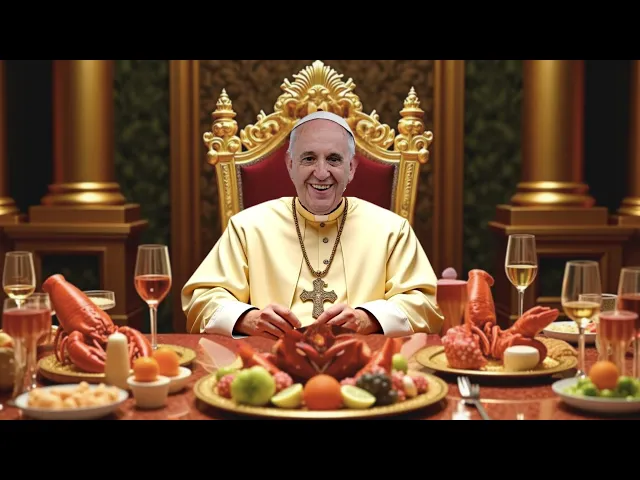
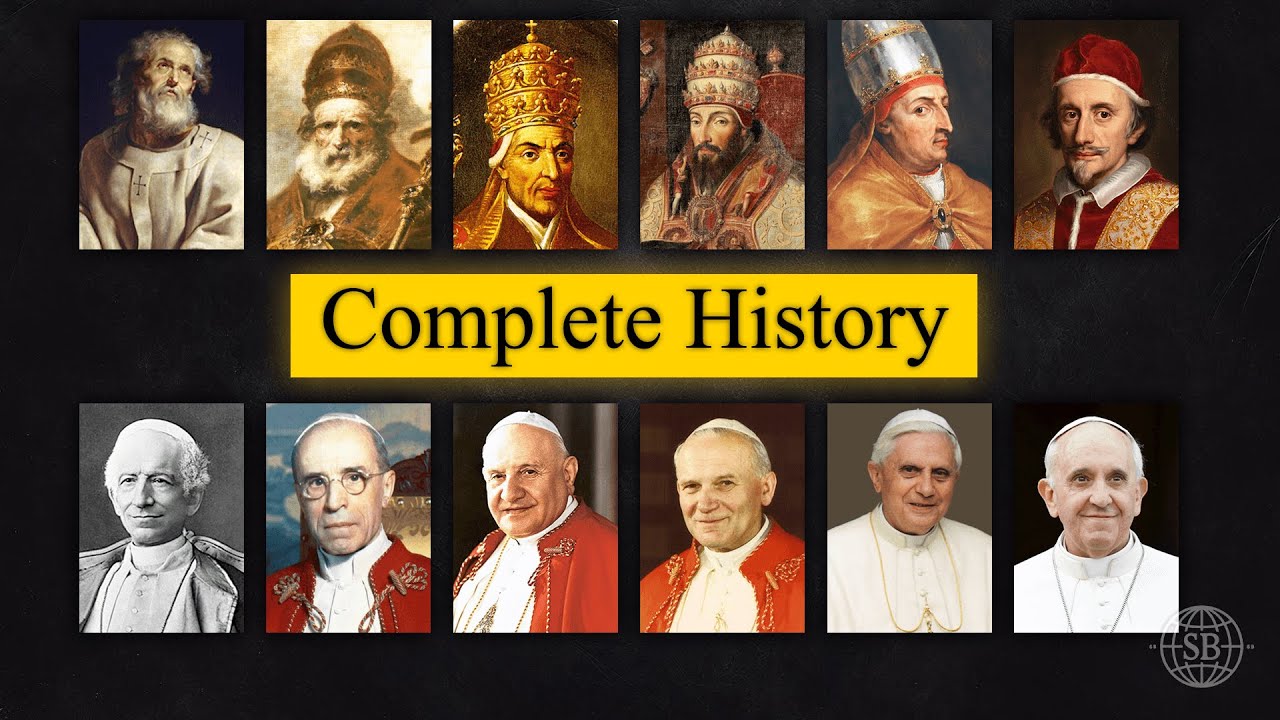
Behind the marble walls of the Vatican lies an empire richer than most nations, hidden treasures, sacred relics, and a $50 billion kingdom. But the man who ruled it chose a path no one expected. Today, let's uncover eight incredible truths about Pope Francis secret world.
And the final one will leave you speechless. The great farewell, the final moments in state funeral for Pope Francis. On the morning of April 21st, 2025, Pope Francis breathed his last breath at the Vatican, ending an 88-year career dedicated to faith, charity, and justice.
Before his death, Pope Francis received one of his final meetings, US Vice President J. D. Vance visited him on April 20th, becoming the last highranking leader to meet him before he was laid to rest.
News of Pope Francis passing sent shock waves around the world. Donald Trump and former President Joe Biden led us delegations to the Vatican to pay their respects. Trump wrote on Truth Social, "Rest in the Lord, Pope Francis.
May God bless you and all who loved you. " From Russia, Vladimir Putin expressed his appreciation for Pope Francis efforts to mend relations between the Russian Orthodox Church and the Roman Catholic Church. Ukrainian President Vladimir Zalinski also recognized Pope Francis as a sincere friend who has prayed for peace in Ukraine.
In the UK, Prime Minister Kier Starmer praised him as a courageous leader who never lost hope. The British government lowered flags nationwide to pay tribute. King Charles III also sent his deepest condolences, emphasizing that he had touched the hearts of countless people.
From Brazil, President Louise Inacio Lula Das Silva also declared 7 days of national mourning, praising Pope Francis as a voice of tolerance and human dignity. Cuba, Spain, South Korea, and a host of other countries expressed their condolences. Even in his native Argentina, despite public disagreements, President Javier Milele declared seven days of national mourning to honor a great son of the nation, Saint Peter Square, once bustling with people, was enveloped in a sacred silence as the funeral bells rang out, signaling the death of the head of the Vatican.
Pope Francis has battled a number of health issues in recent years. In March 2025, he was admitted to JI hospital in Rome with severe pneumonia in both lungs. During his treatment, he suffered serious complications, including a sudden bronco spasm that worsened his breathing.
But with his iron will and the dedicated care of his doctors, Pope Francis recovered enough to continue doing what he loved, serving humanity. Despite advice to rest, he appeared in public on Easter Sunday, April 20th in St. Peter's Square to bless thousands of faithful.
An image that will never be forgotten. Although this year's speech was delivered by an aid due to his declining health, Pope Francis message resonated. Love conquers hatred.
Light conquers darkness. Truth conquers lies. The Vatican has declared 9 days of official mourning.
Memorial services will continue. The Italian government is also considering a state funeral in his honor. Pope Francis funeral is expected to take place within 4 to 6 days of his death.
According to his personal wishes, he will be buried in a simple wooden coffin lined with zinc instead of the traditional three layer coffin. Side will be placed a commemorative coin pouch and a summary of his life and achievements. His body will lie in state in St.
Peter's Basilica for the faithful and heads of state to pay their respects. The Basilica of St. Mary Major is likely to be his final resting place, a simple but grand finale to a great life.
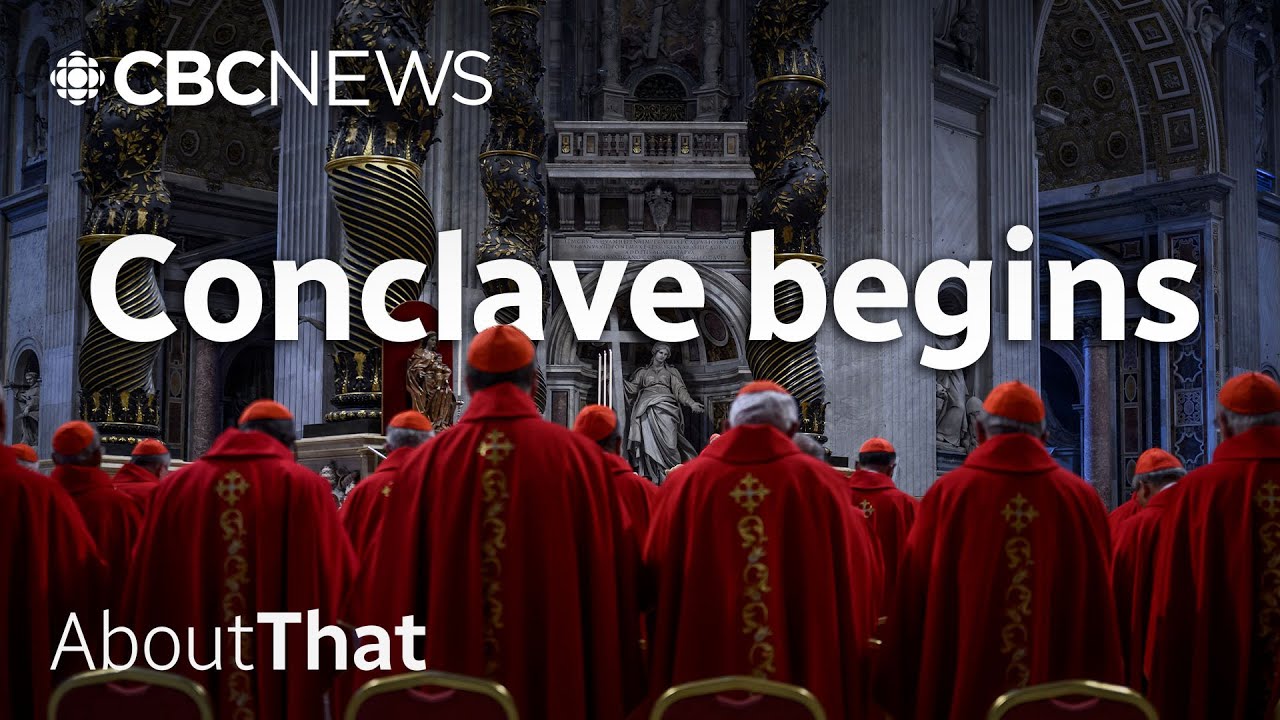
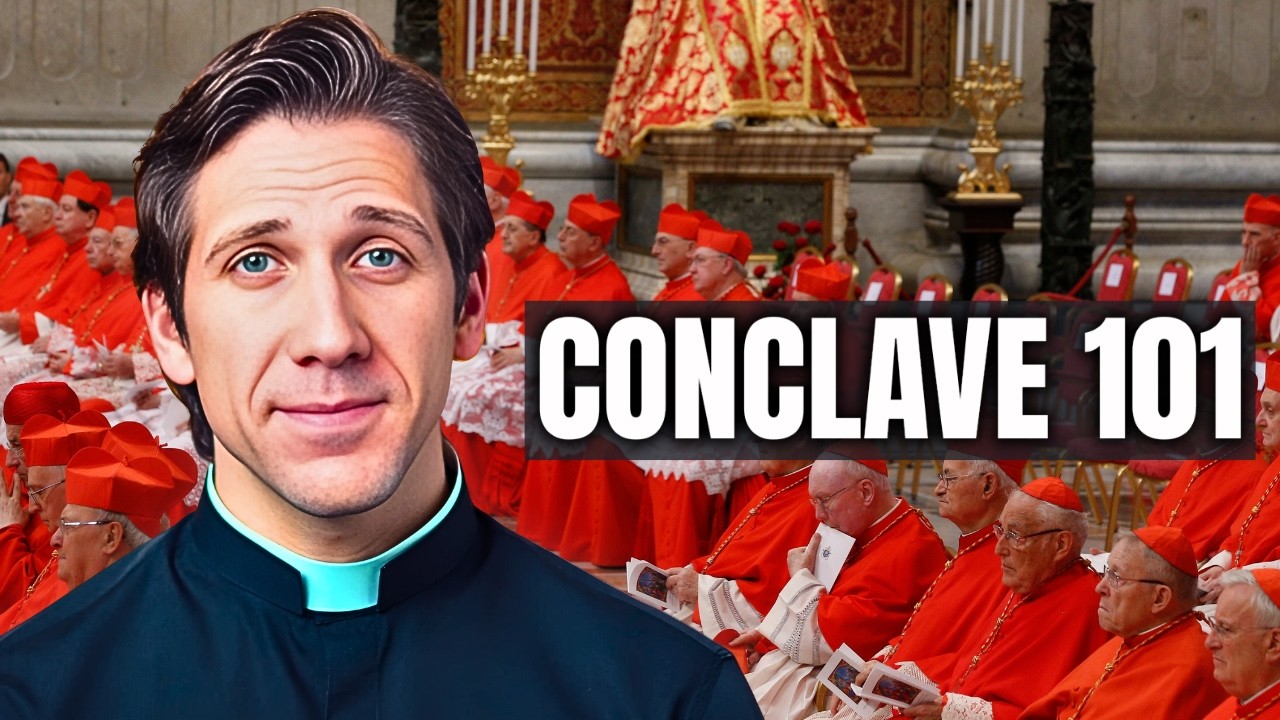
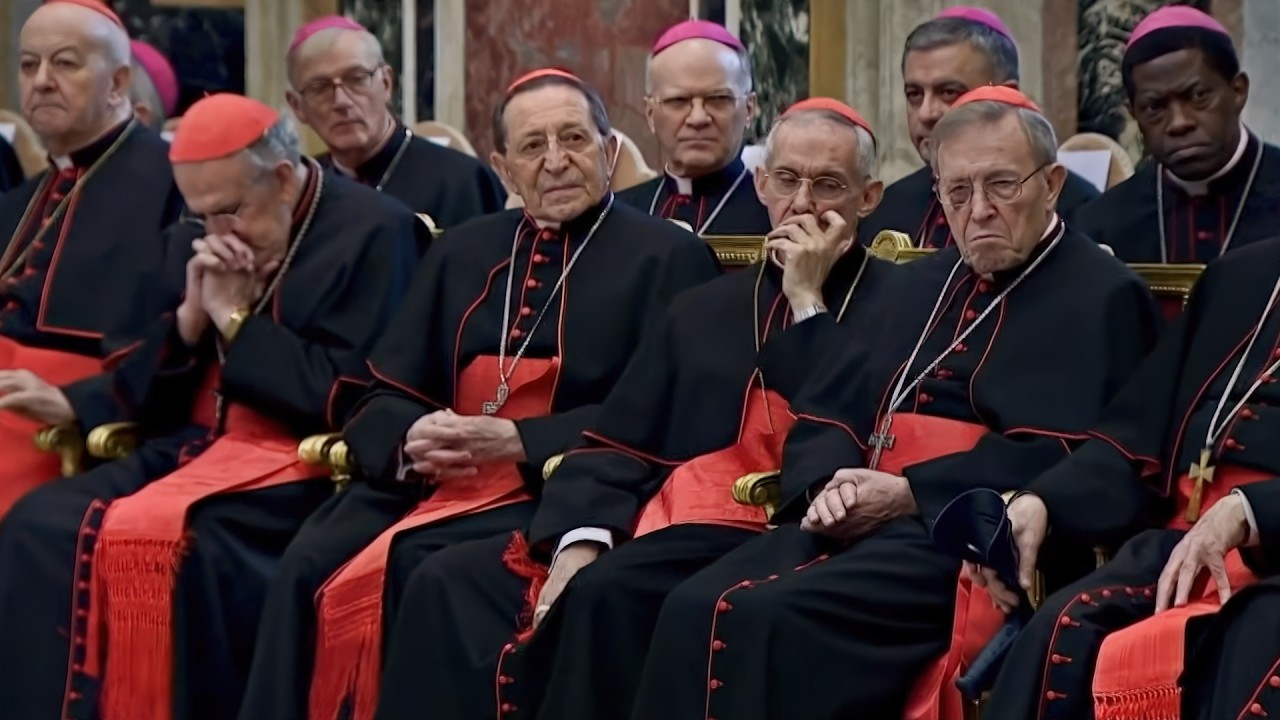
The Vatican will then enter a period called seed vakante, a temporary period without a pope. A conclave of cardinals will take place 15 to 20 days after the funeral to elect a successor. Only cardinals under the age of 80 are eligible to vote.
The conclave will take place in the cyine chapel where all details are kept strictly secret. If no candidate has received twothirds of the votes, black smoke will rise. When the white smoke appears, the world will rejoice as the historic announcement is made.
Habamus Papam, we have a new pope. Further details about the funeral and conclave will be officially announced by the Vatican in the coming days. But behind his humility was an empire hidden from the public eye.
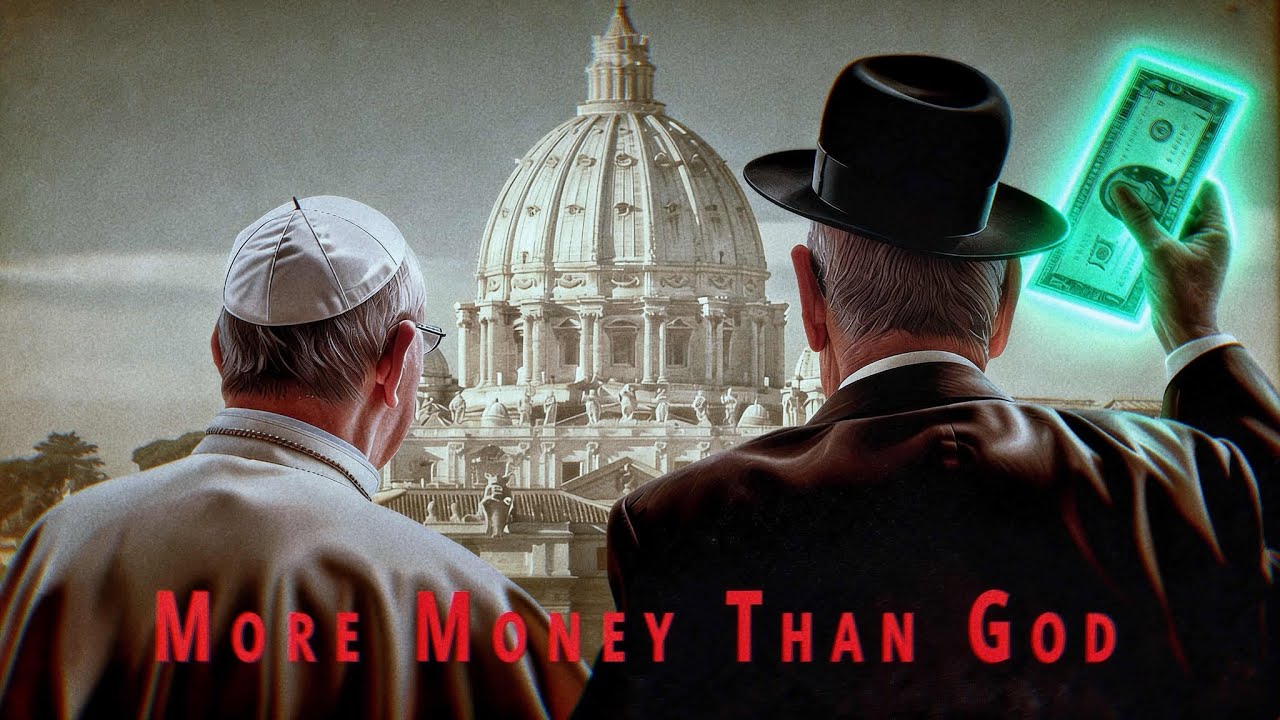
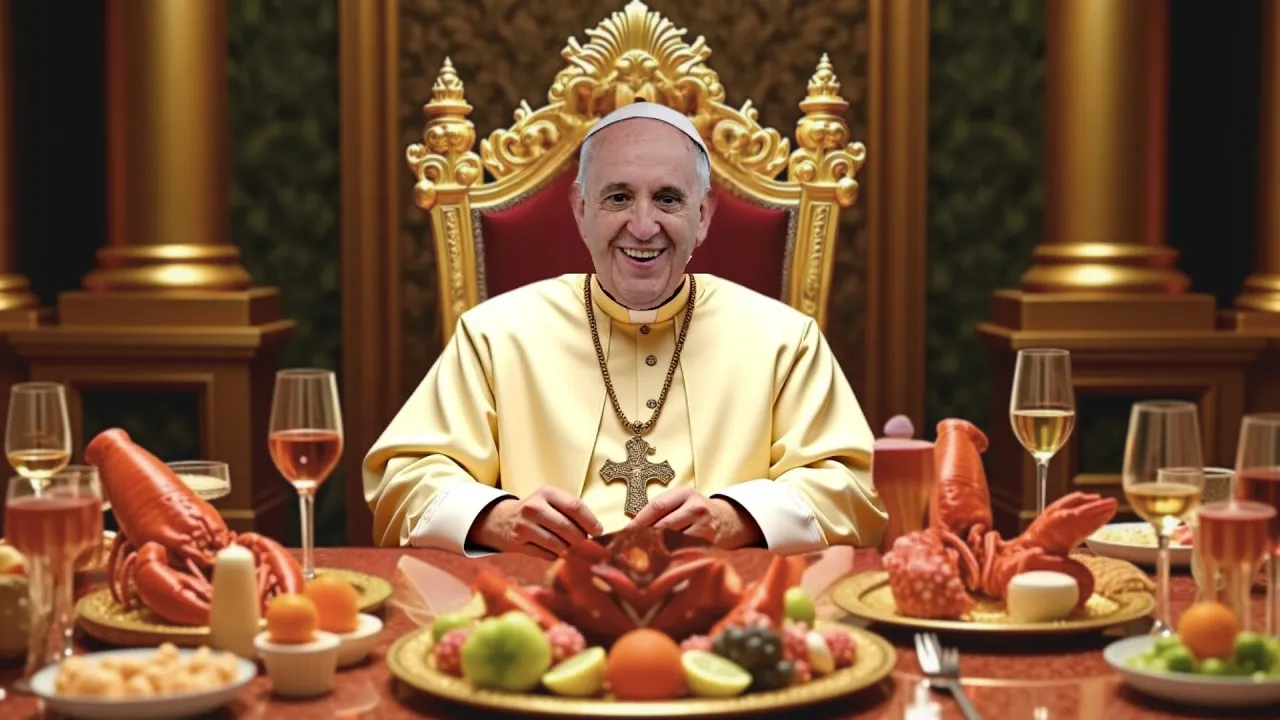
A $50 billion kingdom built over centuries, guarded within Vatican walls inside the $50 billion hidden kingdom of Pope Francis. Secrets of the world's richest nation revealed. A $50 billion real estate empire.
Ancient relics worth more than the GDP of entire nations. Robes stitched in gold and diamonds. This isn't the fantasy world of a king or celebrity.
It's the daily reality of Pope Francis, the spiritual leader of 1. 3 billion Catholics, presiding from the world's smallest yet wealthiest nation, Vatican City. Behind his modest smile and snow white vestments lies a man who commands one of the most enduring institutions in human history, an empire of faith, power, and extraordinary influence.
Born Oreo Burggoglio on December 17th, 1936 in the bustling heart of Buenos Airez, Argentina, Pope Francis rose from humble beginnings few could imagine. The son of an Italian railway worker and a devoted homemaker, he spent his early years far from the gilded halls of power, once earning a living as a chemical technician before destiny called him hire. In 1958, he entered the Jesuit order, a brotherhood built on sacrifice and service.
By 1969, he was ordained and over decades of quiet perseverance climbed the ranks to become Archbishop of Buenosirs in 1998. Then cardinal in 2001, appointed by Pope John Paul Ei himself. But it was March 13th, 2013 when history thundered into motion.
Burggoglio became the 266th Pope, the first Jesuit, the first from Latin America, and the first to bear the name Francis, sending shock waves through the centuries old traditions of the church. Yet, what makes Pope Francis unforgettable isn't merely his groundbreaking ascent. It's his breathtaking ability to fuse deep humility with unimaginable global power.
From the war rooms of presidents to the hushed corridors of refugee camps, his voice cuts through political static with a force as pure as a lightning strike. In a fractured world, he stands as a moral compass, calling for peace, demanding justice, and fearlessly challenging the powerful on behalf of the forgotten. Whether comforting earthquake victims, spearheading environmental reform, or confronting the vast chasm of economic inequality, Francis is both shepherd and statesman, a rare soul who bends the ear of kings while kneeling beside the broken.
And all of this unfolds inside a city state unlike anything on earth. Vatican City, a sovereign jewel glistening with treasures older than nations, a sacred fortress where Michelangelo's heavenly ceilings soar above golden chalicees, priceless frescos, and ancient manuscripts hidden beneath layers of guarded stone. Here, timeless wealth whispers from every marble corridor, from every candle lit chapel.
It's a world where spiritual majesty and earthly opulence collide. But Francis doesn't merely walk these sacred halls. He transforms them.
Rejecting opulence, refusing grandeur, living simply and eating modestly. He reigns not by gold or throne, but by the sheer gravity of his mission. Yet behind the plain robes lies a sovereign commanding a global empire, an institution with embassies across continents, bull with assets that stretch into the fabric of civilization itself.
His authority, though softly spoken, moves mountains. In 2013, Time magazine crowned him person of the year, not just for his leadership, but for igniting a bold transformation within the oldest institution still standing. Under Francis, the Catholic Church has flung open its doors wider than ever before, reaching across faiths, empowering women, demanding justice for the earth, and challenging millions to rise above fear and selfishness into a life of radical compassion.
This is no simple story of a man in white robes. This is the living epic of a spiritual titan. A man with no crown, no army, and no borders.
Yet whose influence eclipses emperors and presidents alike? Welcome inside the unseen empire of Pope Francis, where simplicity cloaks staggering power and where the softest voice can shake the foundations of the world. What surprised you most about Pope Francis's hidden empire?
Share your thoughts in the comments. I'd love to hear from you. Deeper still, locked behind gold and stone, lies the Vatican's most staggering secret.
Sacred relics and treasures beyond any worldly wealth. Inside the Vatican's 100 billion dollar secret vault, treasures the world was never meant to see. Beyond the gleaming marble halls and hushed prayers of Vatican City, deeper than the frescoed ceilings and palatial corridors, lies a world few will ever glimpse.
A vault of unimaginable power, carved beneath ancient stone, sealed behind gold gilded doors, the Vatican's treasure trove of relics and sacred artifacts, is more than priceless. It is eternity, captured and preserved by human hands. Here, in the heart of the Holy Sea, rests the most spiritually potent and financially staggering collection in the history of mankind.
A horde so immense that its value defies even the wildest imaginations. While the apostolic palace and the cyine chapel steal the world's attention, hidden within Vatican City's innermost sanctums are relics that to the faithful are bound directly to the divine. There lies a splinter said to be from the true cross, the very wood that bore Christ's final sacrifice, encased in a reoquery of solid gold, shimmering with sapphires and rubies.
A relic so sacred it's revealed only on the holiest of days. Though no earthly price can measure its worth, experts place its material and historical value at over $100 million. Beside it rests the holy lance, the Roman spear said to have pierced Christ's side, sheathed in goldplated silver, and crowned with a cross, a relic that, if ever auctioned, could command between $30 and $50 million.
Though its true price is beyond this world, and hidden within another sacred chamber lies the veil of Veronica. The cloth said to bear Christ's miraculous image, a fragile whisper of compassion sealed within a gold worked frame. Its spiritual resonance alone driving its estimated value past $50 million.
Yet the story doesn't end at Calvary. Woven into the Vatican's hidden vaults are the bones, garments, and sacred effects of the apostles themselves. Fragments of St.
Peter and St. Paul, founders, martyrs, architects of faith are intombed beneath saint Peter's basilica while others are locked inside reoilquaries adorned with emeralds, egggate and amber. Relics so powerful they anchor the faith of billions.
Beyond these relics of flesh and spirit are vestments woven from silk and stitched with pure gold, ceremonial chalicees encrusted with diamonds and sapphires, thorable carved by Renaissance masters, and monstrances that burst like jeweled suns. Some valued at over $10 million each. Every item is not merely a treasure.
It is a bridge between heaven and earth, crafted by mortal hands, but meant for eternal remembrance. And then there is the art within the Vatican museums lie over 7,000 the works of staggering value. The marble agony of Leokun and his sons unearthed in $1,56 alone at over $100 million.
Not far away, Raphael's school of Athens, a master work painted directly onto the walls of the stands Dr Rafael is so priceless that if ever removed, it could command a mine bending $200 million on the open market. Blocked away from public view, too, are the papal tiaras, triplec crowned symbols of a time when popes were kings as well as shepherds. Embellished with over 1,000 diamonds, rubies, and sapphires, these crowns alongside ancient thrones of oak and ebony, and vestments sewn with riververs of gold stand as monuments to a church that once shaped not just hearts, but history itself.
Altogether, the Vatican's collection of relics, art, regalia, and sacred archives easily surpasses $100 billion. Perhaps the most priceless treasure trove in existence. Yet here lies the greatest paradox.
These treasures are not hoarded for profit, nor flaunted for prestige. They are guardians of a sacred legacy, preserved not for the vanity of the few, but for the souls of billions. They represent not conquest, but covenant, not possession, but promise.
In a world obsessed with wealth, power, and spectacle, the truest symbol of enduring influence sits not at top a golden throne, but wears simple white robes, safeguarding a treasury no empire could ever replicate. This is the unseen empire of the Vatican, a secret kingdom where eternity is locked inside stone, gold, and silence, waiting to whisper its ancient truths to those willing to listen. Yet, while he stood at the center of unimaginable luxury, Pope Francis made a decision that shocked the world, he turned his back on the golden throne.
Pope Francis, the 1 billion throne he refused, and the simple choice that shook the world in a world obsessed with wealth, diamonds, and private jets. When we imagine the Pope, the supreme head of the Catholic Church, we often picture a life wrapped in gold behind soaring marble walls, ruling from magnificent palaces where daily rituals unfold with solemn grandeur. But then came Pope Francis, and with him a revolution, a Jesuit by heart and by oath, Francis had taken a vow of poverty long before he ever ascended to the most powerful spiritual throne on earth.
his official salary from the Vatican, $0. Every meal, every journey, every doctor's visit provided by the Vatican. And yet, it was not what he was given that shocked the world.
It was what he refused. The Pope's official residence, the legendary Vatican Apostolic Palace, sits in the heart of Italy, a sovereign enclave of just 108 acres, bre it commands the loyalty of more than 1 billion souls. Inside a labyrinth of luxury, 10 sprawling rooms, a private library, an ornate chapel, a full medical suite, a personal office for every need.
Each pope before him had the right to lavishly renovate these rooms, molding the palace into their personal kingdom. But in 2013, Pope Francis stunned the world. He refused the gilded apartment.
He turned away from the marble halls and chose instead a small simple room at Doma Sanank Martha, the Vatican's modest guest house. His reason, piercing in its humility, I must live close to the people, not locked away in a golden cage. But his defiance of grandeur did not end there.
The world watched again in disbelief as Pope Francis rejected another opulent symbol of papal power, Castell Gandalfo. This legendary summer palace perched high above Lake Albano complete with sprawling gardens, historic villas, a private farm, and panoramic vistas. It had been the secret paradise of popes for centuries.
Yet Francis flung open its gates, transforming the once elite retreat into a public museum, a gift to the people. He could have lived as a king, surrounded by silks and gold. Instead, he chose a simple bed, humble meals, and quiet spaces for prayer and reflection.
While other world leaders hide behind layers of luxury and ceremony, Pope Francis dismantled the pageantry with a force stronger than any decree. The quiet, ut unwavering choice of simplicity. And that choice, more than any throne or crown, elevated him into the hearts of millions.
Even in public, his symbols speak volumes. Instead of wearing gold embroidered robes that shimmer under the lights, Pope Francis dons a plain white cassac free of any gold thread. Around his neck, not a necklace dripping in jewels, but a simple iron cross.
On his wrist, a plastic watch. On his feet, not the traditional red shoes of power, but plain black leather shoes that tread humbly across the stage of history. Despite access to the Vatican's luxury car fleet, limousines that could rival royalty, Francis often rides in modest vehicles, a humble Ford focus, a small Fiat, sometimes even a simple van.
Every choice, every step, a clear message. True greatness has nothing to do with gold. And it's critical to understand none of the Vatican's immense assets belong to Pope Francis personally.
Not the towering real estate holdings, not the billion-dollar Vatican bank, not even the priceless art collections that drape the museums in unimaginable beauty. All are held in trust, managed by independent administrative bodies for the global church, completely separate from the man who leads it. It is this radical decision, this steadfast refusal to be seduced by wealth and status that has made Pope Francis not just the most beloved pope of the modern era, but an icon of reform, a living embodiment of the spiritual renaissance the Catholic Church desperately needs in the 21st century.
Pope Francis could have ruled like an emperor, cloaked in gold, commanding treasures worth hundreds of millions of dollars. Instead, he chose something infinitely rarer, humility, closeness, love. A choice so simple yet so powerful it changed the world forever.
What do you admire most about Pope Francis's humble legacy? Share your thoughts with us in the comments below. Even his sacred garments tell a story.
A wardrobe stitched with gold and tradition, but worn with the soul of a humble shepherd. Beyond humility, the $100 million wardrobe of Pope Francis revealed. Hidden beneath Pope Francis simple white robes lies a collection of ceremonial garments so extravagant, so steeped in sacred tradition that they rival the treasures of kings and emperors.
Each piece in his wardrobe is not only a symbol of ancient religious heritage, but a masterpiece of craftsmanship, embodying both spiritual authority and breathtaking opulence. Take the Mosetta, a short cloak that drapes over the papal cassac. Its color shifting with the seasons of faith.
Scarlet red for ordinary time, pure white for Easter, the somber purple for Lent. Each mosetta is handtailored from the finest fabrics fastened with silk or goldplated buttons and crafted to reflect the enduring majesty of the papacy. In winter's chill, the camoro appears.
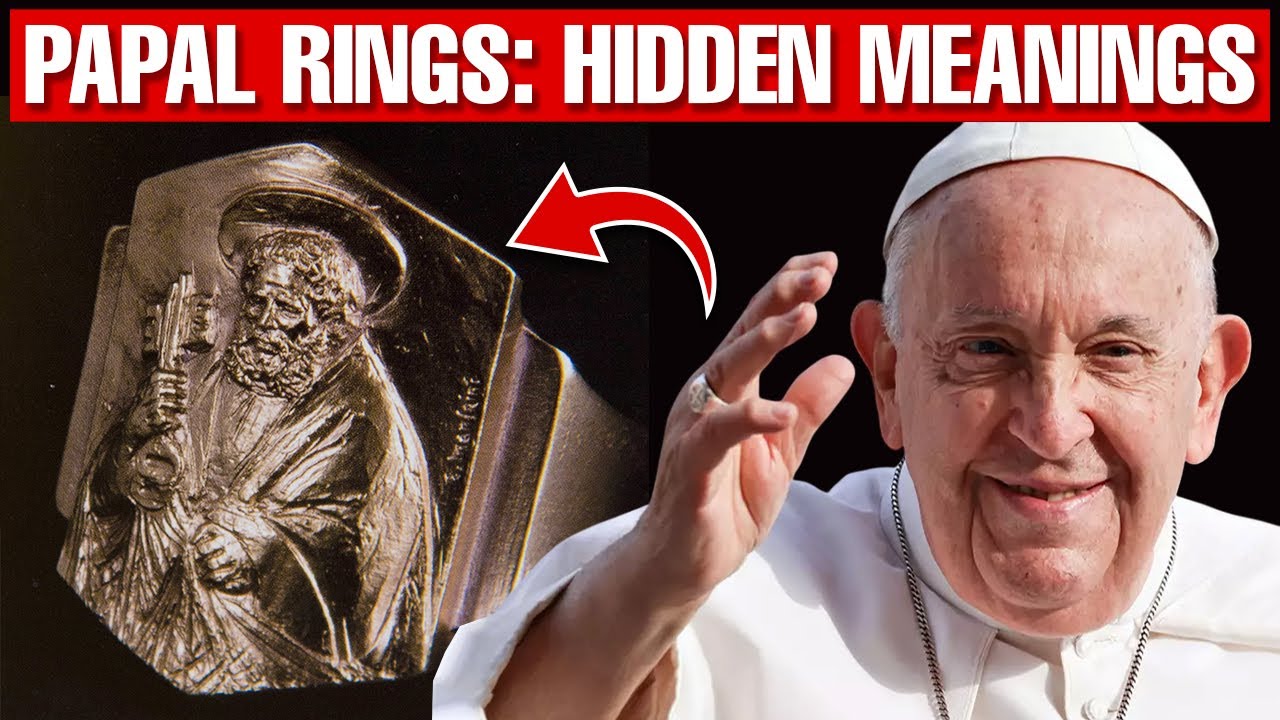
A rare red velvet cap trimmed with precious white man fur, echoing the regal splendor of medieval popes and the unbroken chain of tradition they represent. And then there's the fisherman's ring, perhaps the most powerful symbol of all. Forged from solid gold and engraved with an image of St.
Peter casting his net, this ring is not mere jewelry. It is a mark of supreme spiritual power. Upon a pope's death, the ring is traditionally destroyed to prevent forgery, underscoring its unbreakable link to the divine office.
Alongside it, lurggical gloves made from silk hand embroidered with crosses, stars, and ears of wheat, are reserved for the most solemn masses. Each stitch breathing life into centuries of ritual reverence. The cassak, the pope's iconic white tunic, is more than daily attire.
It's a carefully tailored masterpiece crafted at the legendary Gamarelli Taylor shop using the finest Italian wool or silk to ensure comfort and dignity at every public appearance. Tied around his waist is the fascia, a strip of satin or silk adorned with subtle embroidery. Its flowing ends signifying humility within grandeur.
For formal ceremonies, the Beretta, a three-c cornered tassel topped hat, emerges, a silent nod to the somnity of ancient traditions still alive beneath the modern surface. Yet, amid pageantry of velvet, silk, and gold, Pope Francis daily life reveals a man astonishingly grounded. His day begins at 4:30 a.
m. in silent prayer and reflection inside the humble Casa Santa Marta. Not a palace, but a modest guest house he chose over the grand apostolic palace.
Morning mass follows in the small chapel, far from fanfare, setting a tone of humility that defines his leadership. Breakfast is simple, fresh orange juice and mebrillo. A sweet Argentine specialty that harks back to his roots.
Throughout the day, he juggles a schedule that would exhaust most. diplomatic meetings with heads of state, theological consultations, critical strategic decisions, and one-on-one conversations with bishops, ambassadors, and even ordinary believers. At noon, he breaks for a modest meal, healthy, light, unceremonious, before spending his afternoons in deep thought, writing or personally answering letters, including those sent by children from across the world.
Letters that he treats not as obligations, but as sacred conversations. By evening following prayer and reflection, Pope Francis retires around 900 p. m.
Yet the simplicity of his daily life belies the extraordinary weight of his global mission. He is a man who stands at the helm of a 21,000year-old institution that balances delicate interreligious dialogues, complex international relations into billionoll movements of faith-driven wealth amidst golden chalicees and priceless relics within walls that whisper the secrets of centuries. Pope Francis lives a paradox, a life that merges humility with imperial influence, its simplicity with sacred opulence.
His garments may glitter under candlelight. His symbols may be stitched in gold. But his message remains clear.
True power lies not in luxury but in service. And beyond symbolism, Pope Francis unleashed a historic purge, a fearless reform that tore through centuries of corruption and secrecy. What surprised you the most about how Pope Francis chose to spend his power and influence?
Let me know what you think in the comments below. I'd love to hear from you. Like this video.
Subscribe so you never miss a new story about the world's most fascinating people. Thanks for watching.