hey guys it's medical assistant where medicine makes perfect sense let's continue our anatomy playlist today it's time to talk about the skin the integument the largest organ of your body don't forget to check my anatomy playlist here on YouTube what are the functions of the skin medicosis it covers and protects your body from damages all kinds of damage including mechanical chemical thermal and even asthma if you do not think that osmotic damage is harmful just remember the fact that many of the antibiotics especially the cell wall synthesis Inhibitors and the cell membrane disruptors can annihilate
many a bacteria particularly because they damage the cell wall of the bacteria and or the cell membrane rendering the bacteria vulnerable to osmotic damage your skin is important for thermoregulation in cold temperatures Vaso can trick to keep the heat inside but when the weather is so hot eovations dilate and sweat and evaporate your skin is important for water balance it's a source of excretion of water salts and urea they go with this wet your skin is a sensory organ we'll talk about this in neuro not just because of the nerve endings but because of sensory
organs your skin has metabolic functions especially with vitamin D your skin has immune function does anyone remember langerhans or dendritic cells let's talk about your skin and vitamin D sunlight is here but before it you need liver and gut then in the skin choli calciferol liver will make it 25 hydroxycalciferol kidney will make it 1 and 25 dihydroxy cholecalciferol which is the active form of vitamin D as for the dendritic cells they are antigen presenting cells they present the antigen which is a piece of the bacterium for example to your lymphocytes so that your lymphocytes
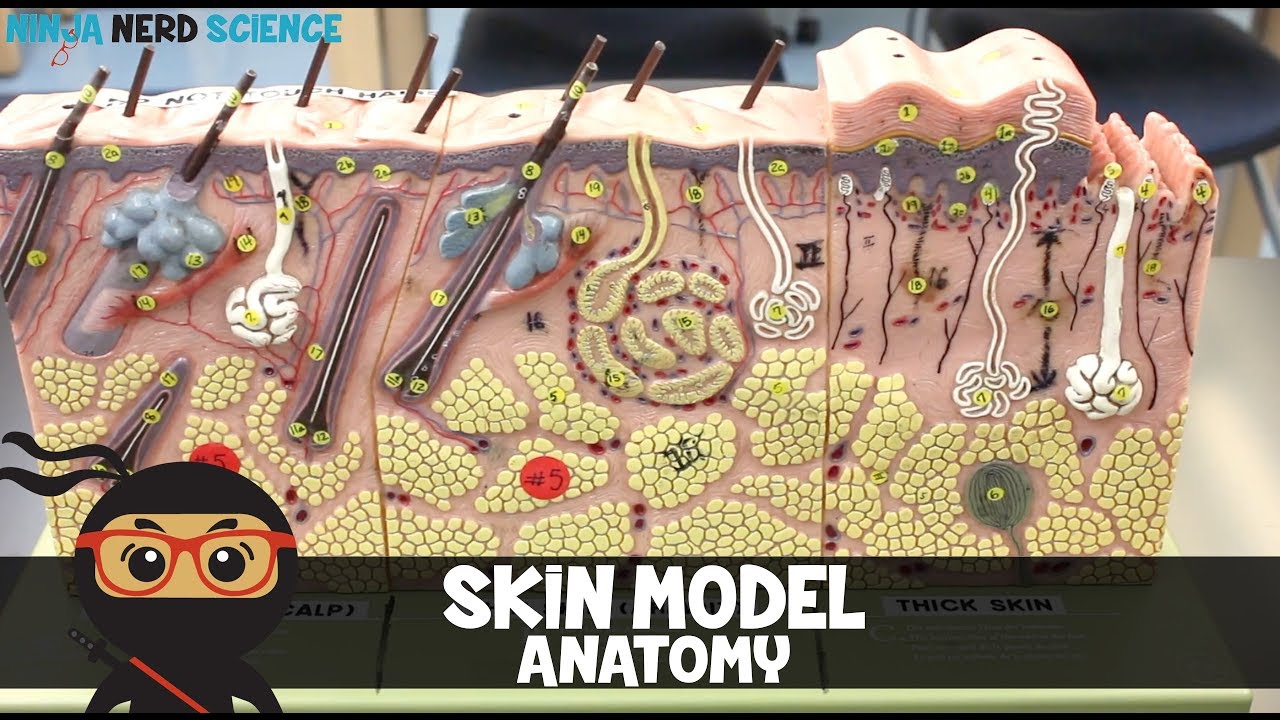
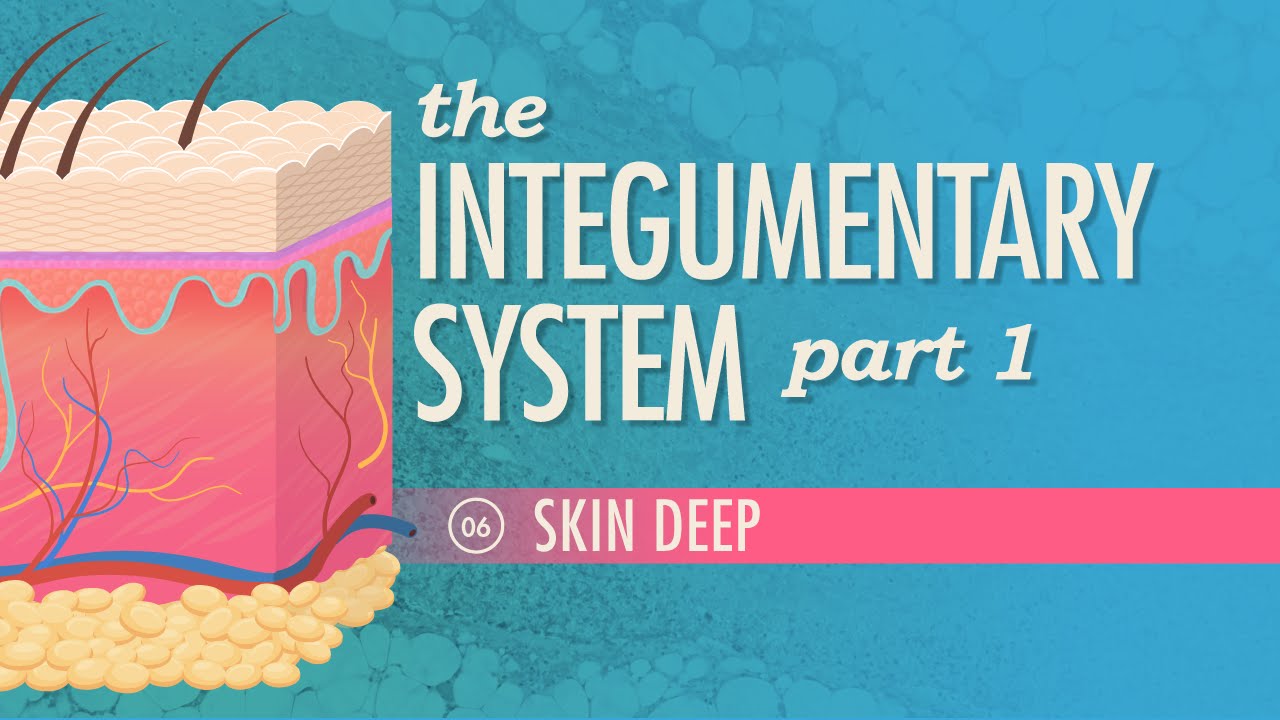
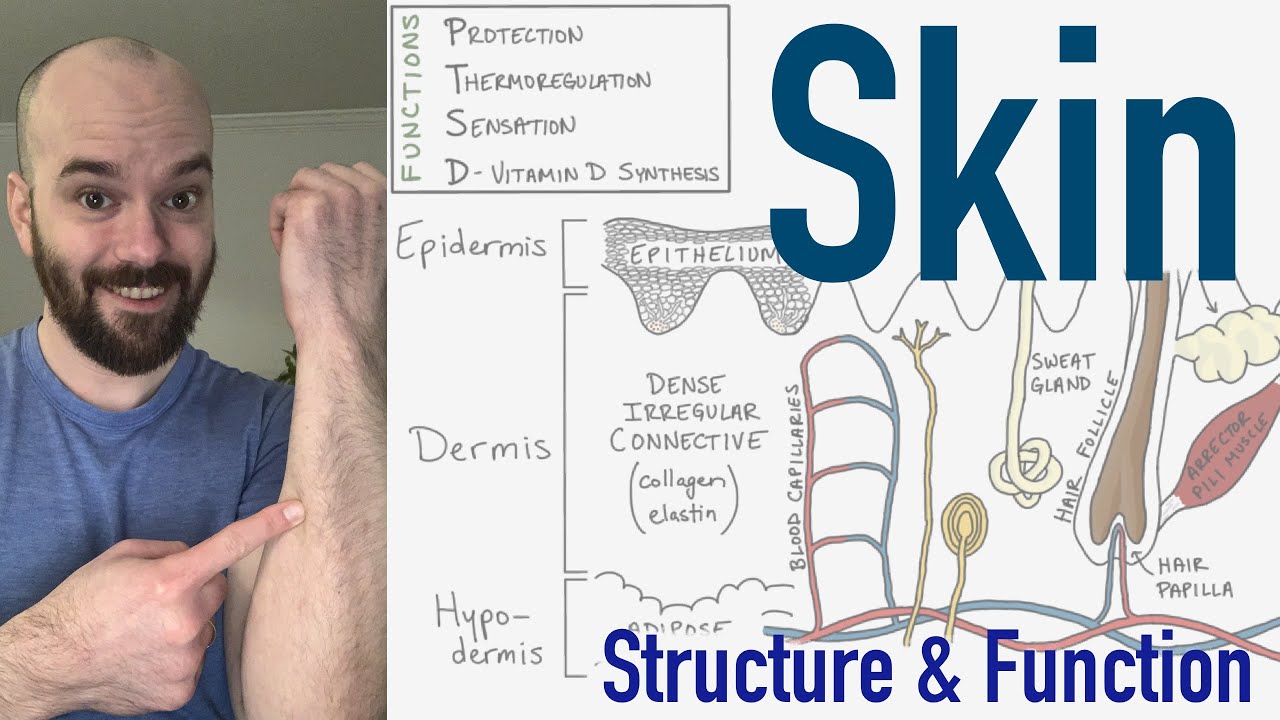
can attack the foreign Invader and they can remember the same antigen so that the next attack to the second exposure is faster and stronger that was the function of your skin let's talk about the structure from the outside to the inside from The Superficial to the Deep epidermis then dermis then hypodermis what does Derma mean skin that's why you go to a dermatologist also known as people who cannot use a stethoscope just like freaking psychiatrists do you remember the building unit of your body it's the cell bunch of cells make tissue lots of tissue make
an organ many organs make a system systems perform your body functions speaking of tissue we have four types of tissue epithelium connective muscle and nerve let's talk about the epithelium because because this is the epidermis of your skin the epithelium said I cover the body and I line its cavities doesn't that sound filthy I stand Atop The Basement membrane just like your epidermis specifically the basal layer of your epidermis is standing upon the basement membrane and the basement membrane is between the epithelium I.E epidermis and the dermis I.E connective tissue so the epidermis of your
skin is epithelium your skin has stratified squamous epithelium with keratin on top of it hey malicosis where did the epidermis of my skin come from the epidermis of your skin came from the ectoderm specifically the surface ectodermodermis which is beneath the epidermis the dermis came from the mesoderm which is inside of the ectoderm exterior versus interior so your epidermis is derived from the exoderm dermis and hypodermis from the mesoderm oh by the way the hypodermis is the same thing as The Superficial fascia more on that in another video so from The Superficial to the Deep
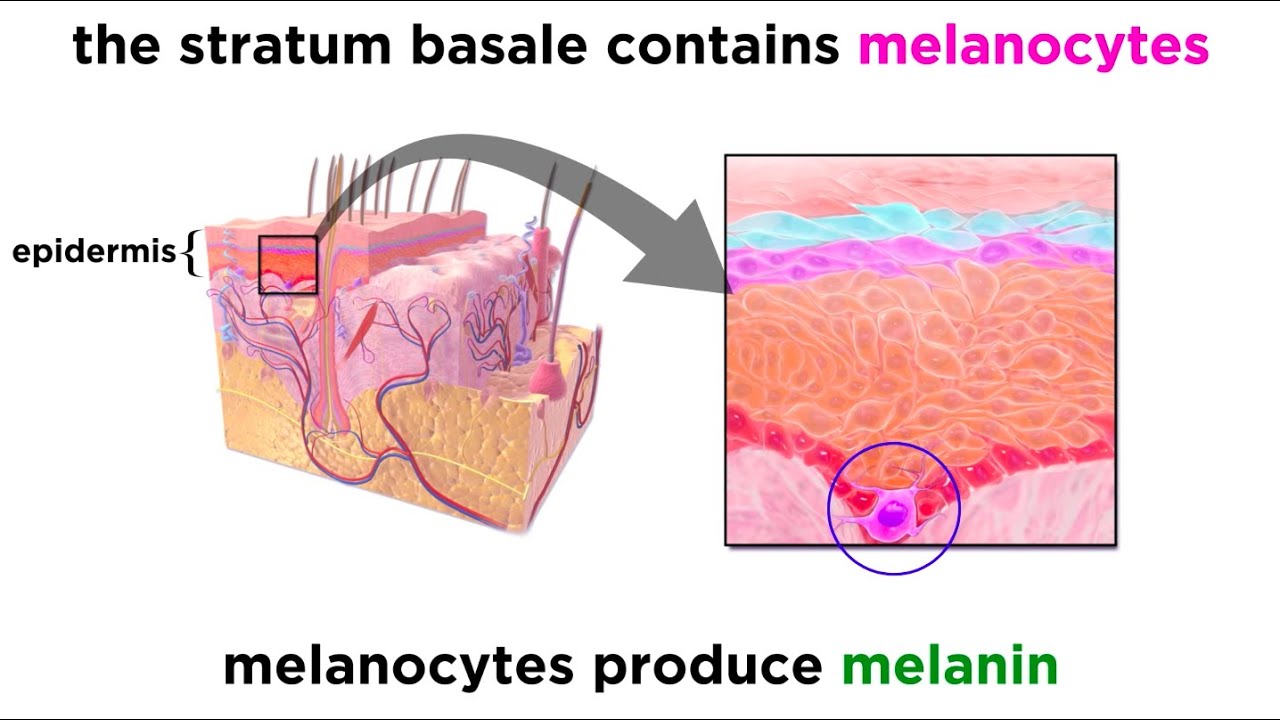
epidermis dermis hypodermis epidermis is epithelium thick and keratinized for protection and prevention of fluid loss does it have some nerve endings yes it has some does it have capillaries no capillaries and blood vessels are in the dermis not in the epidermis the deepest layer of the epidermis the stratum basali is standing upon the basement membrane and the basement membrane is at the dermo epidermal Junction just like where the antibodies of bullous pemphigoid attack at the dermal epidermal Junction exactly where most of your melanin is dermo epidermal Junction coming up next or coming down next is
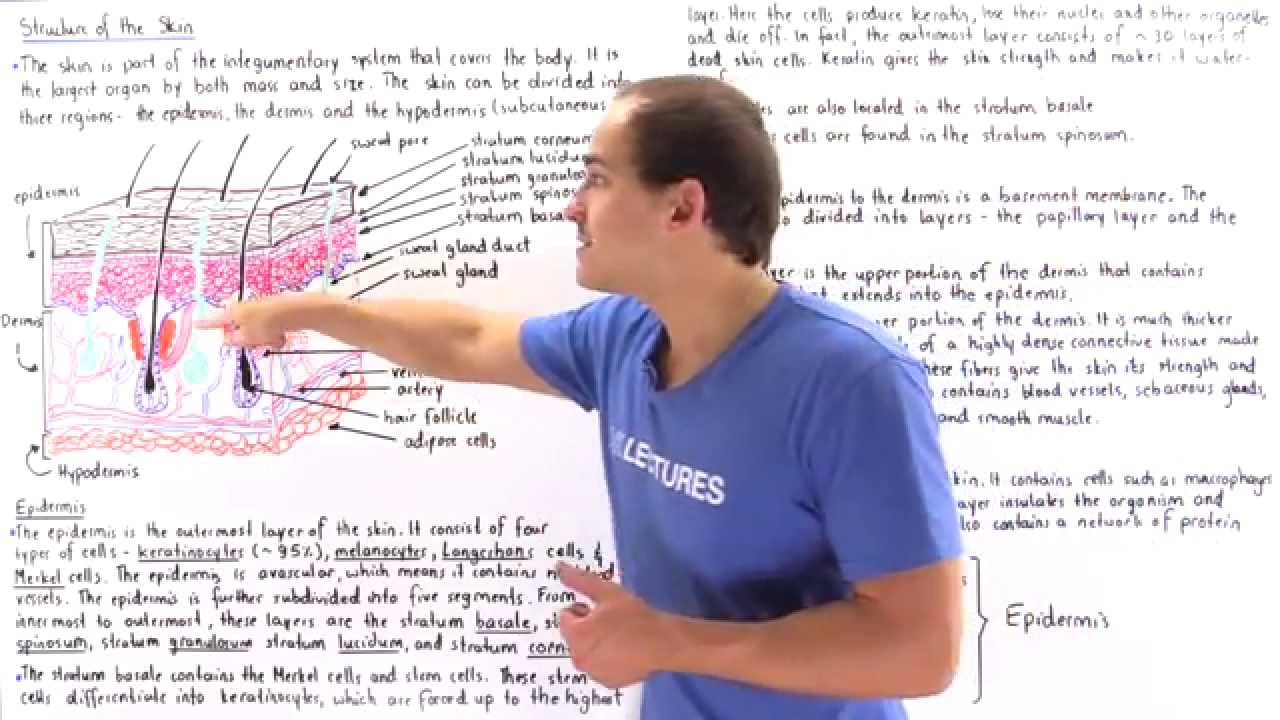
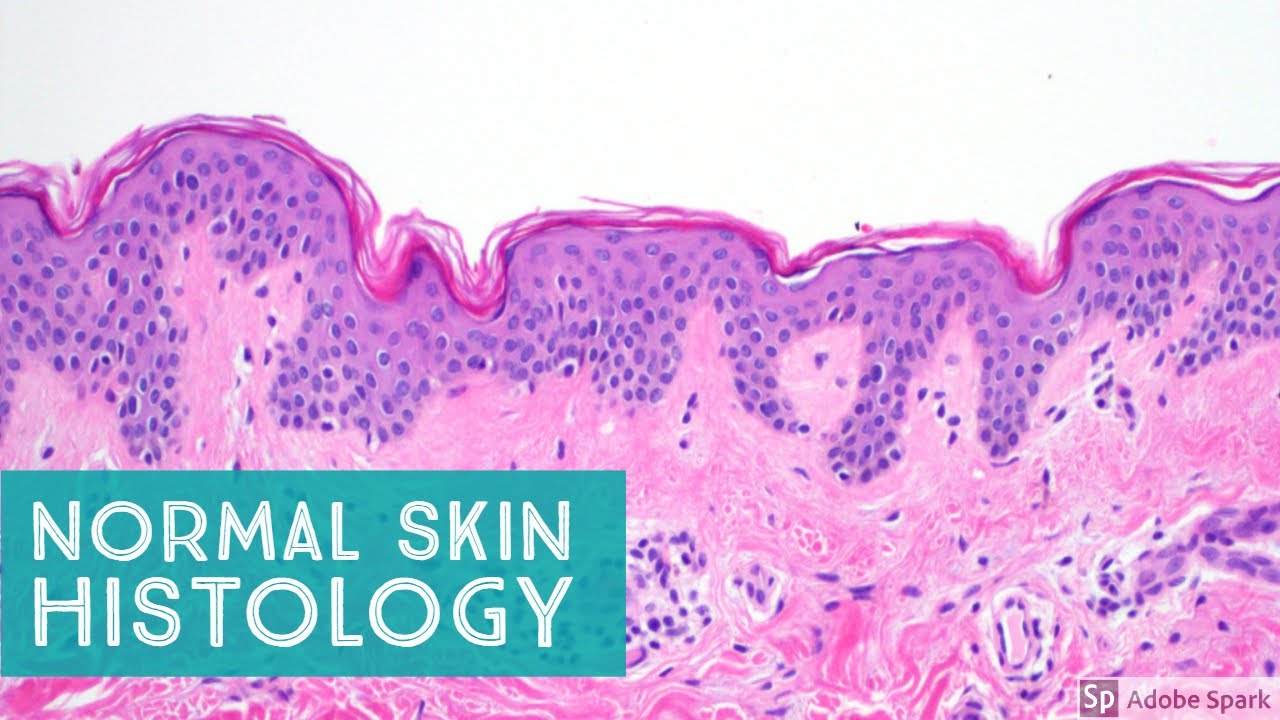
dermis connective tissue sweat glands hairy follicles blood vessels capillaries sensory nerve endings lots of them and beneath the dermis you find the hypodermis or The Superficial fascia or the subcutaneous tissue which is made of fibrophatty tissue fibrous and fatty epidermis layer from top to bottom from The Superficial to the Deep stratum corneum stratum lucidum stratum granulosome stratum spinosum stratum basali on the basement membrane and then you have the dermis dermis has purple a layer and reticular layer the form is lose the latter is dense as dense as the deposits of membranoproliferative glomerulonephritis type 2. skin
structure epidermis dermis hypodermis epidermis stratum corneum stratum lucidum stratum granulosome stratum spinosum stratum basalin the corn name is the corny or the horny layer lots of keratinocytes dead keratinized cells then stratum lucidum clear hairless homogeneous cells followed by stratum granulosum this is the most superficial living cell anything above it is dead this dead skin is the one that you towel off after your shower as you dry yourself with a towel you are removing all of that dead skin which were transferred from you to your towel which you will use again the next time before washing
it because you do not do your laundry you contaminated piece of melanin I'm just joking sorry wash your towels the stratum granulosome cells are alive as they die and lose their nucleus they go up and become loosen than conium next stratum spinosum many layers spinosum means prickle squamous layer upon layer upon layer upon layer here you'll find your language on Cell which is dendritic cell which is an antigen presenting cell and the last one is the stem cell the dividing cell the mother of all cells of the epidermis stratum baseli or basal cell layer for
creation and regeneration underneath the basal layer is the basement membrane at the dermal epidermal Junction next dermis papillary Lewis followed by reticular dense loose connective tissue and Then followed by dense reticular layer which has collagenous bundles arranged in parallel rows known as cleavage lines which will be the topic of the next video under the dermis there is The hypodermis Superficial fascia connective tissue fibro fatty fatty and fibro some clinical correlation skin cancer squamous cell carcinoma is cancer of the epidermis especially here stratum spinosum the prickle cell layer that have gesillian layer conversely the basal cell
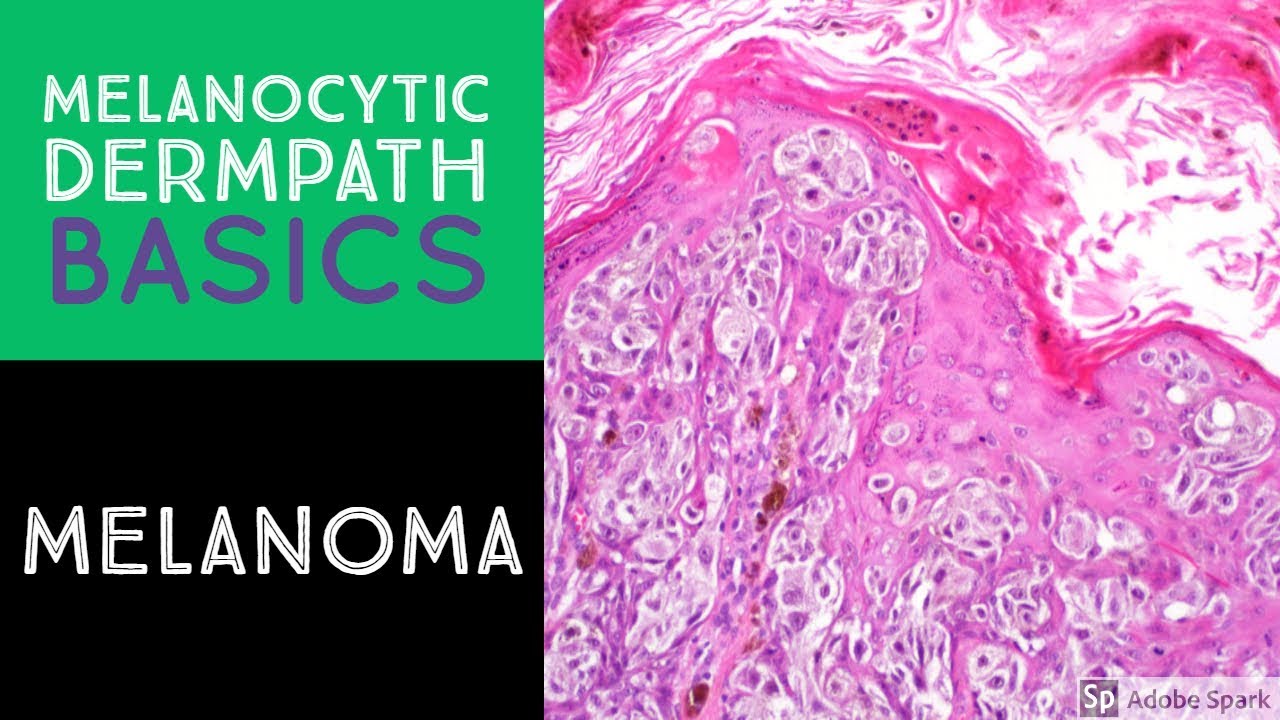
carcinoma and other skin cancer is a cancer of the stratum base Haley that's why it's called basal cell carcinoma give me some keratin pearls give me some palisading action so now you know about two types of skin cancer but wait there's a third one malignant melanoma which is a cancer of the melanocytes the cells that make melanin that's why melanoma looks Brown melanoma is cancerous of course what is the benign equivalent of melanoma it's called anivis also Brown same story but benign not malignant medicine is so good once you understand what the flip you're talking
about thermoregulation is an important function for the skin if it's hot vasodilate and sweat if it's called vasoconstrict and keep it in brown fat is not good to an engineer why not because it's less efficient what does that mean in engineering terms in physics term a less efficient light bulb is a light bulb that emits less light and more heat so this is a fair that makes more heat which can keep you warm in the winter the blood supply of the skin is not in the epidermis it's in the dermis and below in the dermis
you have superficial plexus you have deeper plexus and between them you have the arterial venous anastomosis Anna means up stoma means mouth or opening and osis is a condition it's a condition of opening it up connecting everything together shunting it quickly if you take it too far you can get a high output cardiac failure also known as a hyperdynamic circulation where everything is fast everything is dilated everything is distended if you want to learn more about types of shock I have a high yields surgery course on my website your skin is a sensory org again
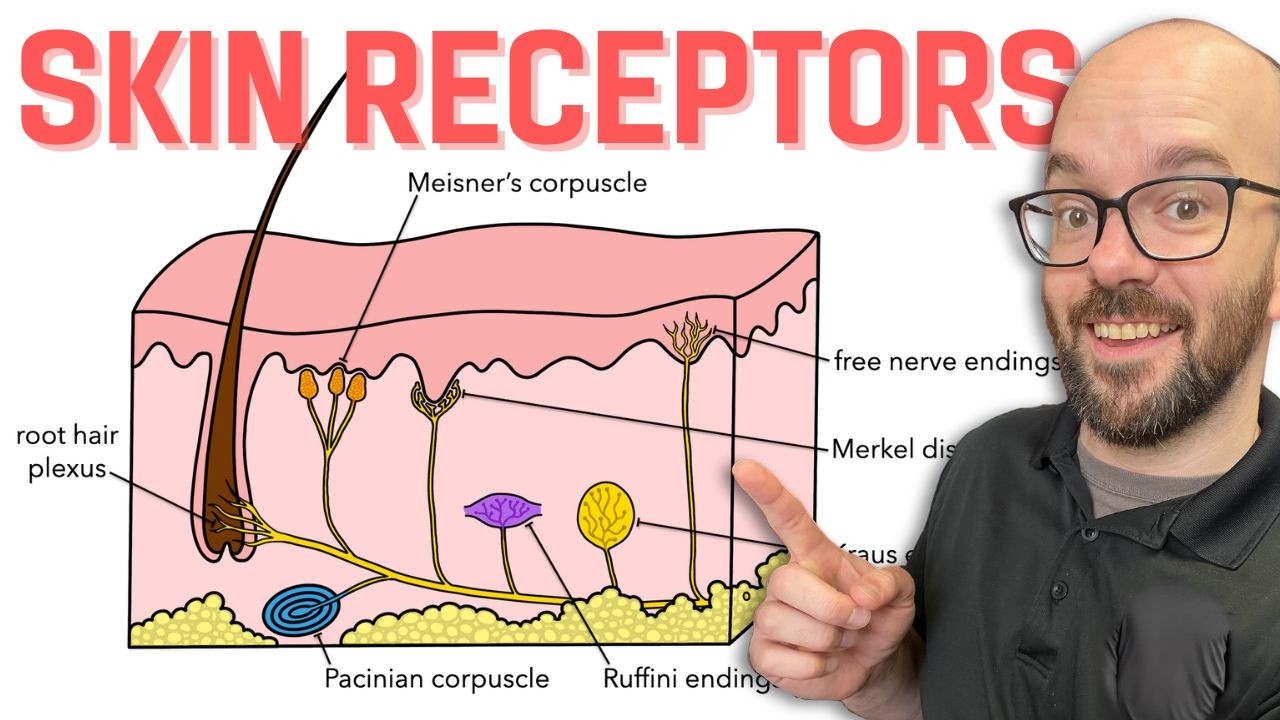
we have semantic Sensations autonomic Sensations autonomic functions Etc you want to take it to the next level all right evaporation from your skin is an endothermic process or the flippled mean Endo means in it's a substance that absorbs energy in towards the inside here is another Pearl your sweat contains salt no kidding already I know this but did you remember that salt raises the boiling point of water oh yes or what this will make it harder for you to boil in the sun when it's hot outside so this salt is important want another Pearl what's
the name of the disease where the mother will tell you Doctor my baby's skin is so salty to the taste like what super extra salty yeah it's called cystic fibrosis because of a problem in the chloride channels here is a fourth Pearl your body weight is 60 water two-thirds of your body weight is water why water why not oil why not liquid mercury why not any other fluid because water has the highest specific heat among fluids what the flip does that mean it means it's very hard to boil the water and it's very hard to
freeze the water that's why you're not gonna boil at the equator and you're not gonna freeze in Alberta within limits of course what's the only part of my skin that will let the water out only your sweat glands how about the rest of the skin it's impermeable to water hence osmotic function to keep your body safe from asthmatic damage that's why you need a sweat gland to penetrate your skin we take it to the next level over here if the entire skin were permeable to water you would die from asthmatic damage if your skin were
impermeable to water with with nose with glands you might die from the sunlight so to have the best of both worlds make the skin impermeable and add a sweat gland that penetrates it see medicine makes so much sense once you understand what the flip you're talking about if you like this video you will enjoy my renal physiology course on my website miraclesisperfectness.com as well as my surgery high yields course in the next video we shall talk about the cleavage lines of the skin so please subscribe hit the bell and click on the join button you
can support me here or here go to my website to download my courses be safe stay happy study hard this is medicosa's perfectionist where medicine makes perfect sense

![Skin Histology [Integumentary System Histology Part 1 of 2]](https://img.youtube.com/vi/NBEjKRuGHjY/maxresdefault.jpg)