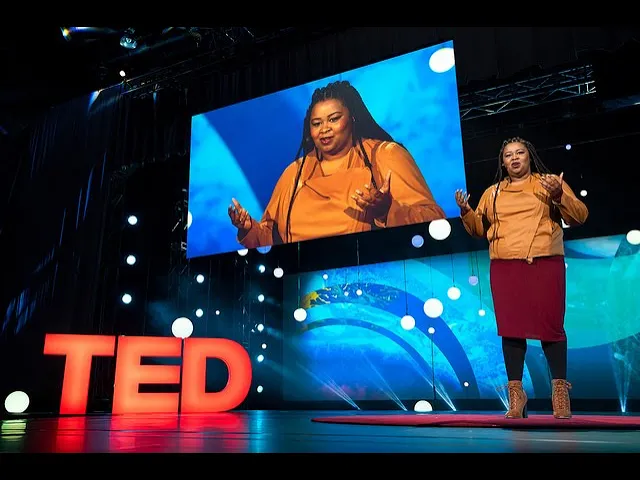
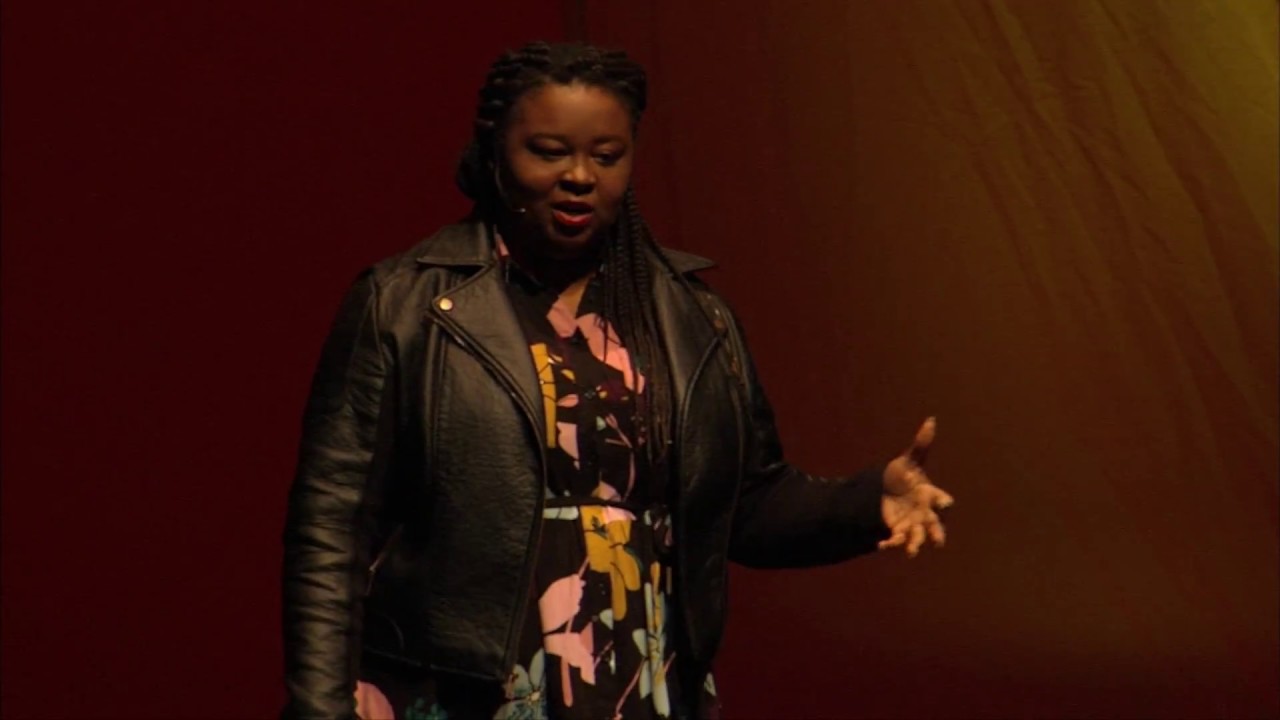
I am proud to be on this stage to be able to highlight my identities of being a black woman and of being a designer being a black woman I've had to acknowledge the long-term effects of racial and gender oppression and what it's meant on my life especially the reality of me growing up in poverty being raised by my grandparents as well as during college having to temporarily raise my brothers and sisters do to my mother being incarcerated these life experiences has made me a stronger more critical designer I've come to understand that design is more
than just the objects around us such as the building we're in or the clothes that we're wearing but also the ways in which we engage with one another and within the systems in which we live when I think about systems I think about our government education and even oppression which is the mistreatment of others and scale these are all systems that were designed by people when I shifted my understanding of design from object making to systems building I began to realize that systems such as discrimination racism sexism and even poverty were designed by people that
made intentional choices around exclusion an example of a design with long lasting effects was the creation of a community called Levittown Levitt I was a residential community created with the rule that any one not of the Caucasian race could not reside and purchase these homes and while discriminatory practices such as this were changed over time Levittown today is still less than 1% black the decisions behind Levittown show us how powerful design is on our daily lives and the ways in which we interact with one another designers such as myself has started to realize that if
these different forms of oppression are by design then they can be redesigned redesign creating a world that embraces the rights dignity and power of all people especially people facing systemic discrimination how do we design a world that provides people with the resource and resources and opportunities that they need to be their best and authentic self without judgment or hate design a world with equity design a world where life expectancies and quality of life is not determined based on someone's identity including race people today are working very hard to integrate equity into our lives they're using
public and private partnerships they're working for policy change they're protesting building upon these efforts my approach or my theory is that for us to design equity in attention in addition to developing these interventions we have to also cultivate the leaders to build and sustain this effort for this I propose a new type of leader I propose an equity designer an equity designer is someone that puts people in equity first they're embedded within the community in which they are working to change they build upon existing reach for resources to transform from within and they use a
basic good design practice of iterating making and testing equity designers are needed in every sector and in every scenario to combat people that are developing systems of oppression and exclusion we need to build a community of redesign errs for justice and my organization we are training black and Latin X youth to become these equity designers to combat racially oppressive systems such as mass incarceration and the racial wealth gap they are becoming the community leaders that are putting people and equity first for example last month we worked with a group of black male youth to design
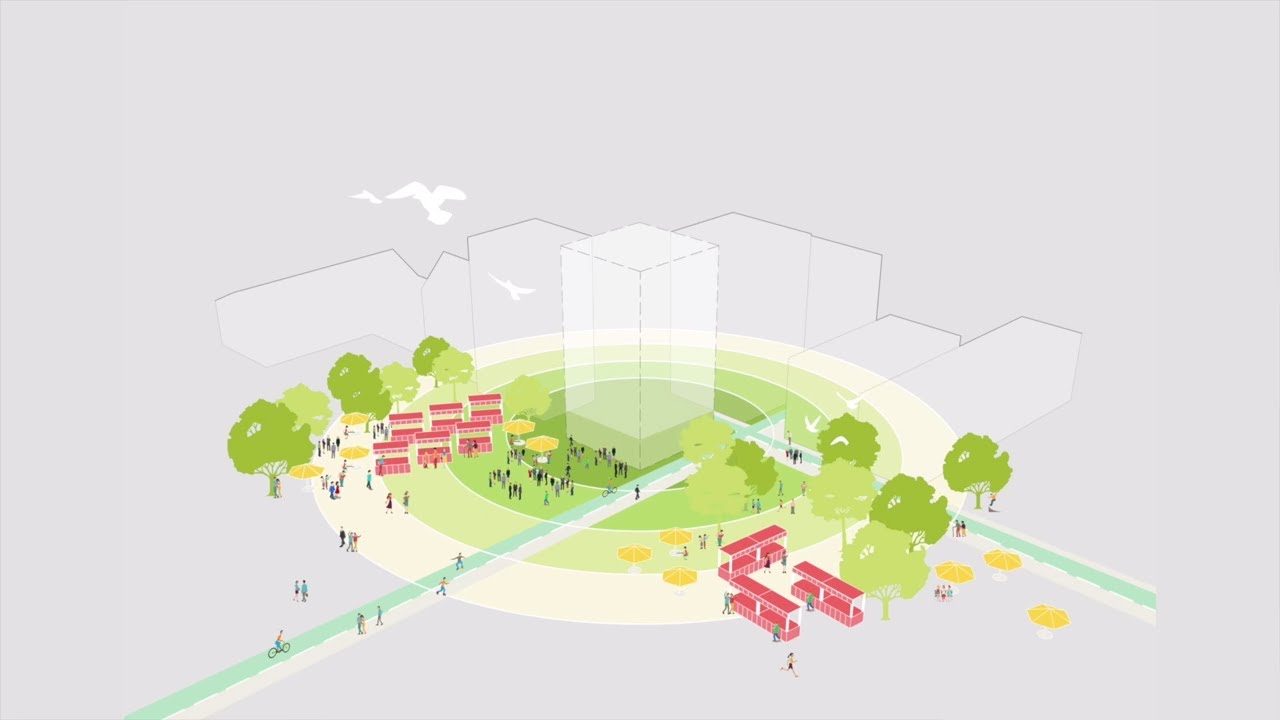
and lead a community engagement campaign exploring how the lack of public transportation had impacted the lives of lower-income black community members they found that while public rotation was desired there was also continual concerns around safety as well as community push out including gentrification inserting a train as in like placing Lego blocks we have to consider the ripple effect we have to redesign using equity imagine how different our world would be if we collectively built a community of equity designers if we became the equity designers within our organizations our governments our neighborhoods our schools equity and
design would no longer be viewed as disruptors but the norm thank you [Applause]