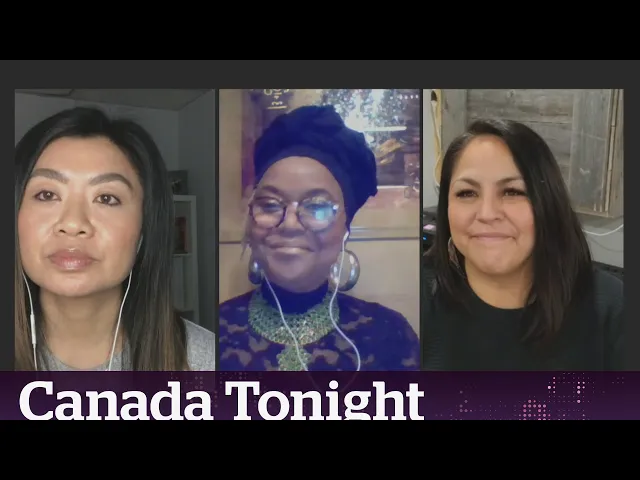
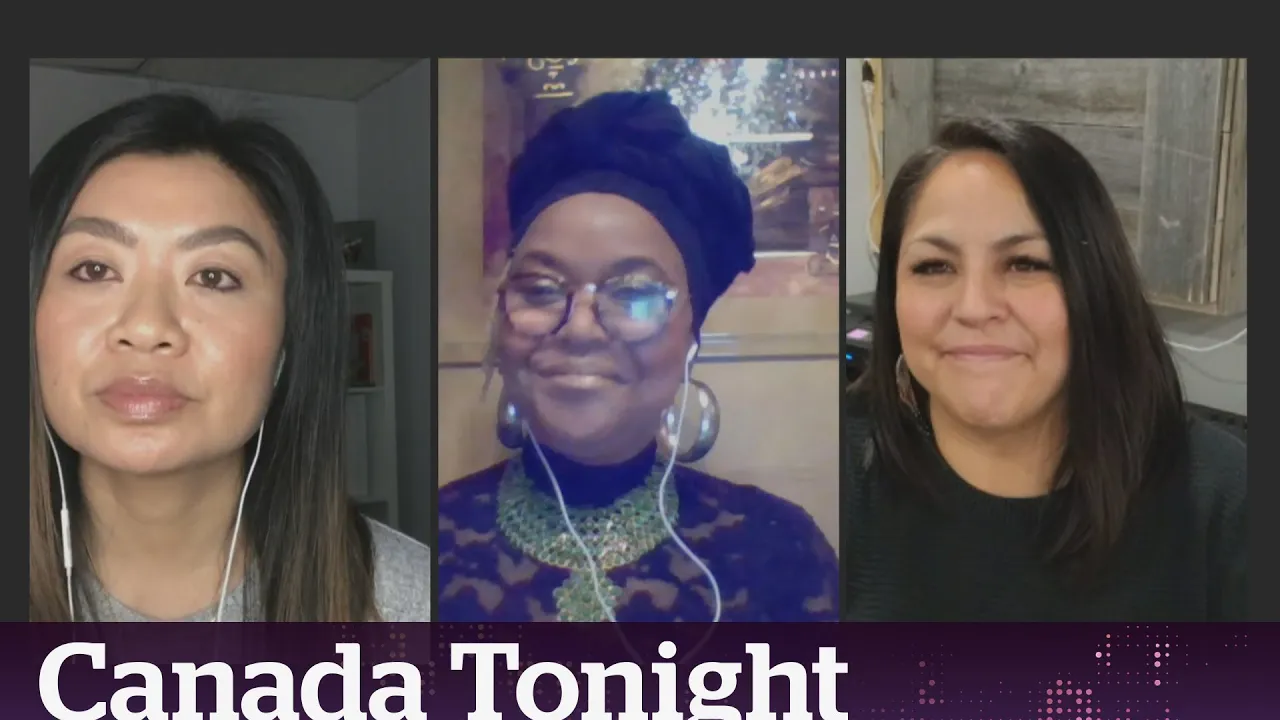
and as students head back to class in jurisdictions across canada canada there is some renewed interest in course curriculum some advocates are emphasizing the importance of teaching diverse topics they say educators could help create conversations around racism and promote tolerance so what exactly can educators do to curate those conversations and what kinds of challenges stand in their way i'm joined now by a panel of educators to help answer some of those questions mary tran a teacher in toronto and contributing writer of a new toolkit for teachers on addressing anti-asian racism lorraine harris an esl teacher
in waterloo ontario and the co-creator of a place in this world a virtual based black curriculum that focuses on african kings and queens and bobby joe leclaire is an indigenous educational consultant in winnipeg and a facilitator of a video game that celebrates and explores manitoba's anishinaabe community thanks so to all three of you for being with us here on canada tonight thank you for having us so thank you all of you have taken it upon yourselves in some way to help create some of the content that you wanted to see in the classrooms and mary
i'll start with you tell me about the toolkit that you created and why you thought it was necessary sure so the the toolkit or the resource was actually a document that was written by myself and other author co-authors as well in collaboration with the elementary teachers federation of ontario and the toronto district school board so at the at the time of you know covid heightening we we thought it was a really important time to address anti-asian racism and the um the rise of uh racist anti-racist acts and um attacks that we were seeing within the
asian community um and a tool just sort of really help us address uh students within the classroom and how we are able to recognize um and work towards building you know more tolerance within the classroom and also how we can address it when we uh see it and name it um so yeah so that was sort of the driving force was really to you know the time it was the right time for this right lorraine you helped co-create a black curriculum for ontario elementary school and it focuses on african kings and queens there are so
many different things you could have touched on when you talk about you know a black focused curriculum why this in particular [Music] my place in this world is really critical and important and i created it because the mission really is to provide rich and relevant resources for black students that when implemented and taught in the classroom they can have a better place in this world that is something that has been missing it's about identity and creating a sense of belonging for black students and uh so i collaborated with uh the university of guelph and some
qualified historians and the guelph black heritage society to bring this curriculum uh to the forefront um bobby joe i want to hear a little bit more about this program that you're facilitating because it's it's also unique in that it's a a video game i understand but it touches on anishinaabe culture and with the help of uh an input of indigenous leaders can you talk about that gap that you see in the curriculum when it comes to students knowing about indigenous culture and history particularly in canada where it really is a big part of our history
yeah for education in canada a lot of the history of indigenous people has been left out largely from the curriculum um i think that in high school there's like a page where that talks about history and the impact and really considering that um education has largely been responsible in canada for multi-generational trauma and forced assimilation of indigenous peoples it's really important that we look at authentic ways to implement indigenous perspectives into the curriculum from indigenous people so this game which is really unique because it really touches on a younger curriculum you know it's a great
three to grade five game although it does encourage uh teachers in older grades to support it um it's from the voice of indigenous people and in particular the anishinabe nation in manitoba so when we when we were presented with this opportunity we decided to focus on one of the seven nations that live in manitoba and we chose anishinabe and we presented it to our council of grandmothers and grandfathers which are council of indigenous elders from um six different nations in manitoba and they they gave us the go-ahead and one of those grandmothers chikiri richard um
she's anishinabe from sandy bay first nations she led us and guided us through the entire project so everything that you see through this game is authentic to their culture their language what they wanted us to teach and present to students so it's really unique in the way that it's coming from the voice of the people rather than the education system and us deciding what should be in there we did work with educators to ensure that it touched on different areas of curriculum but really it's focused on learning about what was here before but what is
also here many indigenous people still live this type of life but also it focuses on the beauty of the life that was here and the strength of the people and the culture and the language all things that were intact and and it demonstrates a thriving society that existed here prior to colonization so students at an early age will get to learn these things so then when they do get into the curriculum where they learn about residential school 60 scoop and all that trauma the understanding of why that had such an incredible impact on the indigenous
people of canada or of little island really yes so what's interesting to me with with many of these projects is that they are teacher-led that they are you know you guys are folks who saw a gap and and kind of took that proactive step to say we need to do something we want to see something different and we're going to take the the steps to do it what kind of support or pushback maybe do you have from school boards when you when you present uh these ideas or when you bring up you know the topic
of saying we want to see a different curriculum we want to make changes is that a difficult thing to try and actually get into action mary um i think it really has to start uh like everyone has to put in the work um you know at the educator level educators have to want to do the work we can believe in something and we can agree with something but unless we actually put it into action nothing will change so we really have to push for you know curriculum to represent all the missing voices all the racialized
voices that are missing whose stories are heard whose stories are valued um those that are silenced really gives us you know gives us a true reflection of who is in power so when when we have racialized communities that are able to reclaim the narrative um they're able to fill in the gaps of how events have really shaped and continue to shape um the formation of canada and their learning experiences within canada right so so really how there's you know multiple levels and layers to um to changing lorraine do you think there are enough tools and
resources available for teachers even if they wanted to bring in a different curriculum let's say on on black history or other uh you know diverse topics are there enough resources available for teachers well in terms of curriculum the irony is there has not been really a black curriculum that is taught throughout the year um with this particular curriculum uh it's for ease of use so therefore uh we have the necessary supports and it's very easy for teachers to navigate without any experience however it is always important for further pd and for collaboration that we provide
more resources and opportunities to support this kind of ongoing curriculum so definitely we would need and we do need more resources from the school board level and also from the government level especially financial support so that we can have more of this curriculum coming out and school boards don't have to independently be trying to finance these these types of curriculums bobby joe we might hear from teachers who say you know i want to teach about indigenous history and culture but i don't feel equipped i don't feel educated enough to do it properly you know we
heard this story of a teacher who was criticized for doing a project in school on having the kids make a medicine bag and she was using an lcbo bag as the example and so you know here is someone who maybe tried to do the right thing and and it came from a good place but the end result was harmful so how do you kind of how do you respond to that when teachers say i want to bring it in but i just i'm afraid of doing the wrong thing or i just don't know enough oh
i think that's a two-part question one is teaching the history and the other one is teaching the culture and the teachings as educators we have a responsibility especially in canada to teach the history there really is no excuse anymore not to do it there are many resources available in both official language to be able to support teachers in teaching that history what we would like teachers to do rather than taking on projects of teaching our teachings or our culture is to connect with the community every every community in canada has an indigenous nation near them
that they can reach out to to get support in those things and that's where it should come from it is our responsibility as indigenous people to teach our teachings back to our children and it's a responsibility of teachers to teach their curriculum and to teach the history so i think that when teachers ask me that or tell me that i said well you know i'm not asking you to teach my culture and my teachings but i am asking you to teach you know my our children the history of this country and that's something that you
can do easily you know there are so many resources out there available today that it's not really an excuse anymore and and to leave the teachings and the cultures to to the people that it should come from and those are you know the indigenous nations that are around your community right lorraine what's the reaction been from parents from teachers and from kids to this curriculum that you brought in it's been a period of excitement because for the first time historically they will have a curriculum that is taught year they will have a curriculum that's empowering
this curriculum speaks about african kings and queens and the curriculum is exciting because it sends the message that you know what our story did not begin with slavery there was greatness in our culture and in our heritage and the kings and queens of africa had wealth and power and a great impact on our current day civilization and our students all students need to hear this uh so the reaction has been excitement from the parents because this is something that they have long wanted to see is to have their uh culture their heritage be taught in
the classroom for many years we have experienced you know the the excitement of our children learning about european civilization so it's our turn and an opportunity now to share the greatness of our culture and for our kids to find a better place in this world it's about leveling the playing field it's about equity and inclusion so the excitement is permeating through the school boards through my students through the families and they can't wait to begin to share this with um in in the classroom all right we are going to leave it there laureen harris a
teacher in waterloo mary tran in toronto and bobby joe leclaire an indigenous educational consultant in winnipeg congratulations to all of you for the work that you're doing to to really change uh and it is a huge undertaking and we hope we see more of it across the country thanks to all of you for being with us on canada tonight thank you