70 years ago Riad was a small desert town of 83,000 people streets were quiet cars were rare The Old City walls still stood no one could have predicted what would happen next today 7. 8 million people call Riad home the transformation of this city is nothing short of extraordinary and the Riad Metro is at the heart of its latest chapter the story starts in the 1950s when Riyad began its first major expansion as oil transformed Saudi Arab I's economy people flocked to the capital the city grew Beyond its walls new neighborhoods spread in every direction and the pace of development accelerated by the 1970s riad's growth was so rapid that it was dubbed the world's largest construction site the city expanded from a walled settlement of less than 1 square kilm to a sprawling Metropolis covering 1, 1500 square km but this explosive growth came with challenges streets became congested commute times stretched longer and the quality of life began to suffer Riad needed a solution that wasn't just about solving today's problems but about building for the future enter the Riad Metro the largest public transportation project in Saudi Arabia's history and now the world's longest driverless Metro System most cities build their Metro systems gradually line by line over many decades New York's Subway took 70 years to build London's Underground round took even longer but Riad they're building six lines at once the scale and speed of this project are unprecedented it's a bold response to riad's Rapid transformation into a global City and a Cornerstone of vision 2030 Saudi Arabia's ambitious blueprint for economic diversification and sustainability Riyad has been growing at an incredible Pace over the last few decades back in 2012 the population was around 5. 7 million today it's closer to 7.
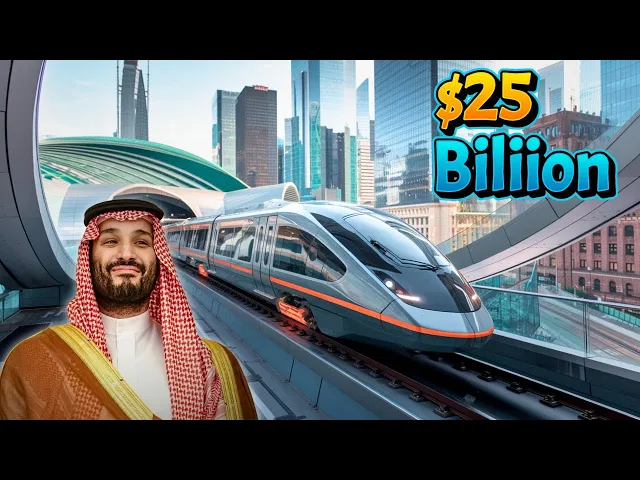
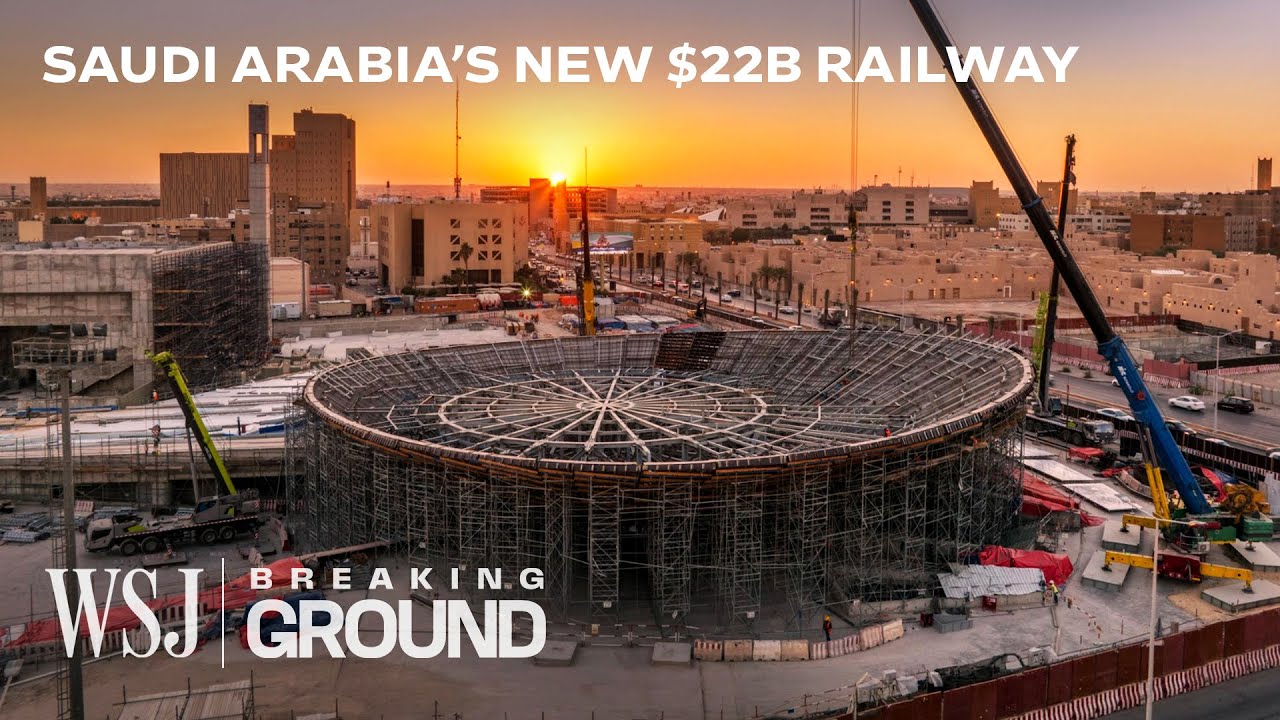
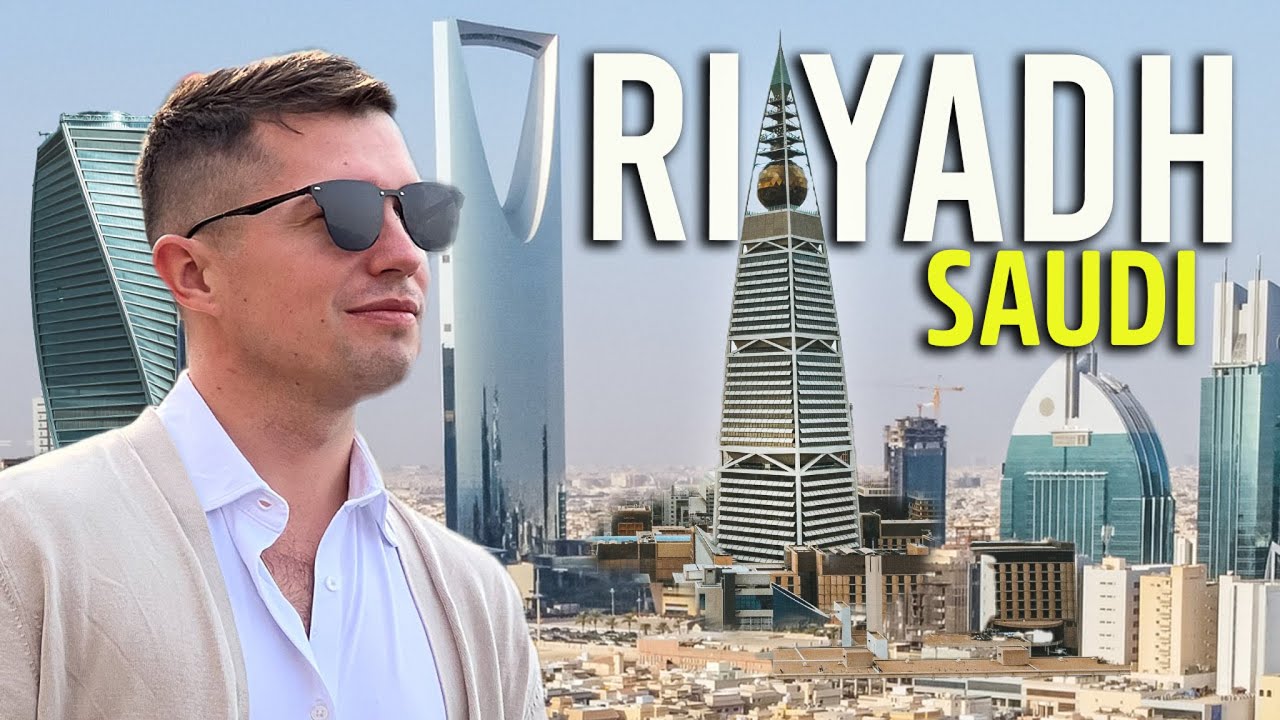
8 million and by 2030 it'll hit 8 million or more with so many people living here and so many relying on cars the city's infrastructure just couldn't keep up traffic congestion became a daily nightmare for residents and air quality started to suffer because of vehicle emissions public transportation wasn't really an option either there were no trains or Subways and buses couldn't handle the demand the Riad Metro was approved in 2012 as part of vision 2030 the country's massive plan to diversify its economy and improve the quality of life for its citizens public transportation wasn't just a necessity it was a statement of riad's Readiness to embrace a future less dependent on oil and more connected sustainable and inclusive but how did Saudi Arabia pull off a project of this scale and why is it such a big deal this wasn't some smallscale project it was one of the largest infrastructure investments in Saudi history with a budget of $25 billion construction officially began in 2014 after contracts were awarded to some of the biggest engineering firms in the world beel from the US FCC construction from Spain alom from France and many others these companies were tasked with building six Metro lines that would connect every part of Riad from residential neighborhoods to business districts the scale of this Metro System is staggering it has six color-coded lines spanning 176 km with 85 stations scattered across the city some of these stations are more than just stops their architectural landmarks designed to reflect riad's modern identity for example King Abdullah Financial District station was designed by zaha Hadid Architects and looks like something straight out of a sci-fi movie building a system of this magnitude in less than a decade required overcoming IM immense challenges one major issue was tunneling through desert terrain that's both Rocky and Sandy Engineers deployed massive tunnel boring machines designed to withstand the unique pressures of this environment in total more than 7 million cubic meters of Earth were excavated during construction enough to fill nearly 3,000 olympic sized swimming pools another major concern was how tunneling would affect nearby buildings take oia Street for example a key area in Riad lined with lowrise structures alongside iconic landmarks like alalia Tower and Kingdom Tower digging tunnels beneath these buildings posed serious risks to their foundations to address this Engineers installed sensors around construction sites to monitor vibrations and detect any signs of instability in real time if a building's Foundation was found to be weak or at risk work had to be paused immediately while Solutions were developed additionally the presence of underground voids empty spaces beneath the city that weren't mapped or accounted for until construction began added to the complexity these voids had to be filled with concrete mixed with specialized chemicals to stabilize the ground before tunneling could continue this meticulous process ensured safety but required additional time and resources coordination was another significant hurdle with over 19 companies from 13 different countries involved in construction keeping everything on schedule required meticulous planning and constant communication between teams engine Architects and construction workers had to collaborate seamlessly to ensure that every aspect of the project progressed smoothly this unprecedented level of coordination made the Riad Metro a true Global effort despite these challenges progress moved forward and now we're finally seeing the results the first three lines opened their doors to the public on December 1st 2024 and the remaining lines are set to follow by early 2025 once fully operational the this Metro will be able to handle millions of passengers every day transforming the way people move around Riad let's break down the numbers that make this project extraordinary the system spans 176 km of track connecting 85 stations across the city when running at full capacity it will move 3. 6 million people every day that's enough to transport riad's entire current population in Just 2 days the six lines work together like a perfectly planned Network the blue line runs through oia Street and Al Batha stretching 38 km through some of riad's busiest areas this line connects major shopping districts Office Buildings and residential areas thousands of people who used to spend hours in traffic can now reach their destinations in minutes the red line follows King Abdullah Road for 25. 3 km this line serves densely populated areas linking homes to business centers students heading to universities workers going to offices families visiting relatives they all benefit from this vital connection the orange line is the Network's longest at 40.
7 km running along aladina Road it connects Western districts to the city center this line shows how the Metro brings different parts of Riad closer together the yellow line might be the most important for visitors stretching 29. 5 km it creates a direct link between King khed International Airport and the King abdulla Financial District business Travelers and tourists can now reach the city's Center without worrying about traffic or parking the green line serves Central districts along King abdulaziz Road at 12. 9 km it's the shortest line but it connects some of riad's most vital areas making it indispensable the purple line complet the network running 29.
7 km through Eastern sectors this line ensures that even the farthest corners of Riad are accessible the entire system runs without drivers making it the world's longest driverless Metro every single train is completely autonomous operated through communication-based Train control this Advanced system allows trains to run safely and efficiently without human operators reducing delays and improving reliability with wireless communication between trains the system can operate at maximum capacity while ensuring passenger safety step inside one of these trains and you'll find three distinct sections first class cabins offer extra comfort for those who want it the family section provides privacy and space for families traveling together while the individual section serves regular commuters every car is equipped with high-speed internet air conditioning and screens showing travel information in multiple languages making the experience convenient and enjoyable looking ahead there's even potential for further expansion as Riad continues to grow Beyond its current boundaries by 2030 Riad will have 9.