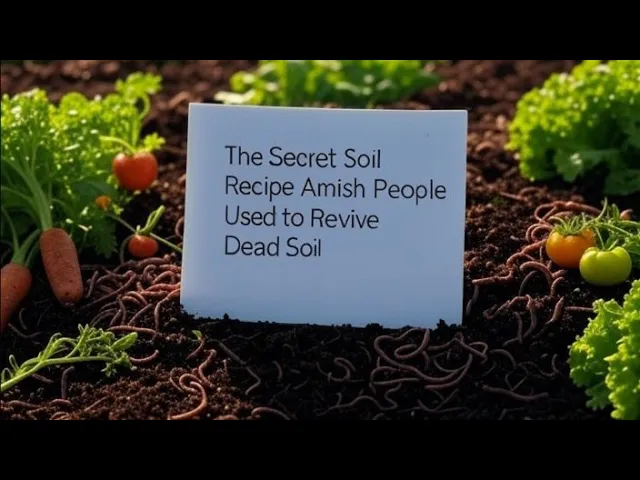
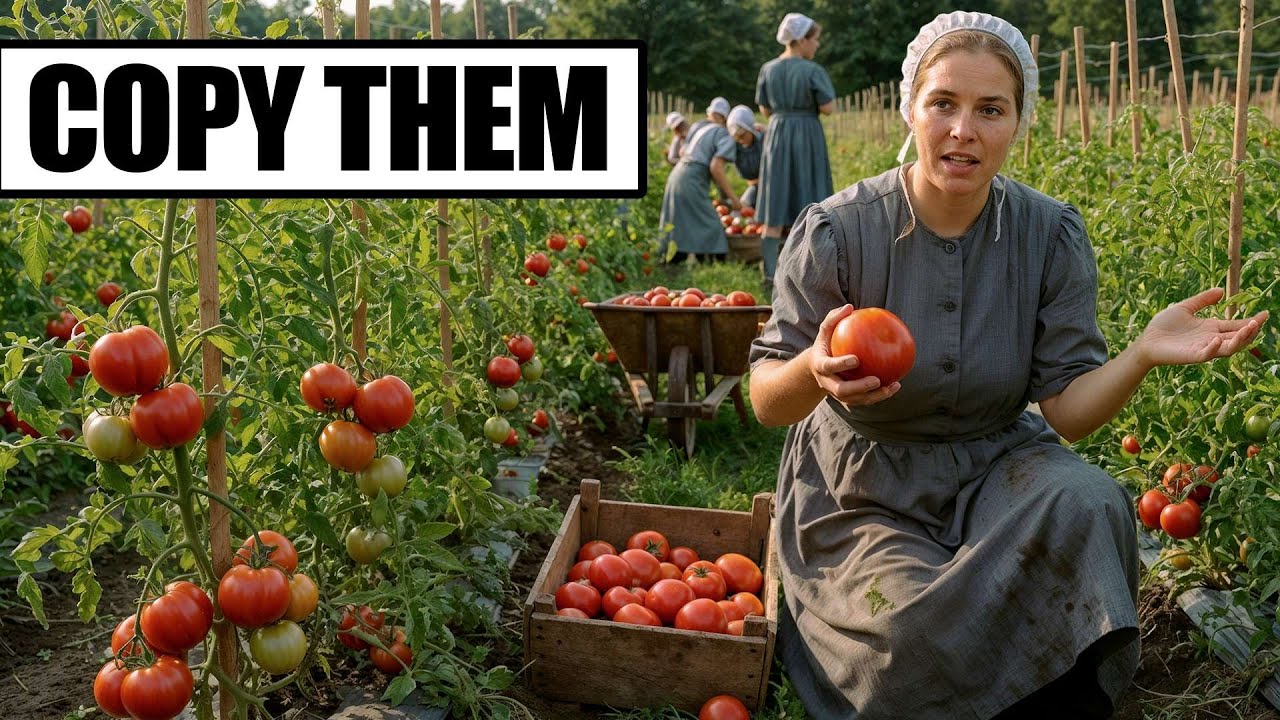
Welcome, Hydrohaven community. Today we're diving into one of gardening's most treasured heritage approaches, the Amish method of soil regeneration. For generations, Amish farmers have succeeded in maintaining incredibly productive land without modern fertilizers or machinery.
Their time- tested techniques have transformed depleted, lifeless dirt into rich, living soil capable of producing abundant harvest year after year. What makes these methods particularly valuable today is their accessibility, requiring minimal outside inputs and working harmoniously with natural cycles. Whether you're nursing a struggling garden back to health or wanting to supercharge already decent soil, these traditional wisdom-based approaches offer a sustainable path forward that honors the land while maximizing its productivity.
Before diving into specific techniques, it's important to understand the fundamental Amish perspective on soil. Unlike conventional agriculture that often treats soil as merely a medium to hold plants and receive fertilizers, Amish farmers view soil as a living entity deserving of care and respect. The soil is our inheritance, goes an old Amish saying.
We do not own it. We borrow it from our grandchildren. This philosophy translates into a holistic approach where soil isn't just maintained, but actively rebuilt and improved with each growing season.
The goal isn't quick fixes, but gradually developing soil that grows more fertile and resilient over decades. The Amish recognized that truly healthy soil is teameming with life. Billions of microorganisms, fungi, worms, and insects working together in a complex web.
Their methods focus on feeding and supporting this soil food web rather than bypassing it with synthetic nutrients. At the heart of the Amish soil regeneration system is their distinctive approach to composting, particularly what's called deep bedded manure. Unlike quick composting methods popular today, this technique involves a slower, more thorough decomposition process.
Traditional Amish farms maintain a careful balance of livestock and crops. The animals, typically horses, dairy cows, and smaller livestock like chickens, are bedded on thick layers of straw, corn stalks, or other carbon-rich organic materials. As the animals add manure and urine to this bedding, farm workers regularly top it with fresh carbonatous materials.
This creates what the Amish call a bedding pack, a slowly fermenting mixture that might build up to two or three feet thick over a winter season. The weight of the animals and their movement helps compact this material while adding valuable digestive enzymes and microbes. When finally removed from barns in spring, this partially decomposed material isn't immediately spread on fields.
Instead, it's carefully formed into long rounded piles about 5 to 6 ft high and 8 ft wide. These windows are built with specific proportions to maintain proper air flow and moisture levels. The key difference from modern composting, these piles are turned minimally, often just once or twice during the decomposition period, allowing fungal networks to develop fully.
Today's quick compost methods with frequent turning favor bacterial decomposition, but the Amish approach preserves the fungal component that's crucial for building lasting soil structure. What makes the Amish compost exceptional is their careful attention to the carbon nitrogen ratio. While modern composting often aims for a 30:1 carbon to nitrogen ratio for quick decomposition, traditional Amish farmers work with ratios around 40:1 to 50 to1.
This higher carbon content slows the decomposition process but results in humus rich compost with more stable carbon compounds. These compounds form the basis of long-term soil structure improvement rather than providing just a quick nutrient hit. To achieve these ratios, Amish farmers incorporate manure from multiple animal sources, which provides nitrogen, straw, corn stalks, and hay, all of which provide carbon.
Fall leaves collected and stored dry, providing both carbon and minerals. Small amounts of wood ash from heating stoves, which provide potassium and help raise pH. And finally, clay subs soil in small amounts, providing mineral content and helping form stable humus complexes.
The mixture isn't haphazard. Proportions are adjusted based on the materials conditions and the needs of the fields where the finished compost will be applied. Wetter years might call for more carbonatous material.
Fields growing heavy feeding crops might receive compost with slightly more nitrogen-rich ingredients. Perhaps the most distinctive aspect of traditional Amish soil building is the use of herbal activators. Specific plants added to compost piles to accelerate decomposition and enhance the finished products properties.
These aren't random additions, but carefully selected plants known for their high mineral content and ability to stimulate microbial activity. Comfrey is the cornerstone of these activators. Prized for its deep tap routt that mines subsoil minerals and its high alentoine content that accelerates cell proliferation in both plants and compost microorganisms.
Amish farmers maintain dedicated comfry patches specifically for compost production. Stinging nettle contributes iron, silica, and formic acid. The latter helping break down tougher carbonatous materials while adding valuable nitrogen.
Nettles also introduce beneficial fungi that help form microisal networks in the finished compost. Yero contains high levels of copper, sulfur, and potassium along with volatile oils that stimulate neighboring plants immune responses. In compost, these compounds help accelerate decomposition while adding trace minerals often depleted in poor soils.
Dandelion, often introduced as both roots and leaves, contributes significant potassium and stimulates overall microbial activity. Its bitter compounds help deter certain soil pathogens. Traditional preparations involve fermenting these herbs in rainwater for several days before sprinkling the resulting tea over each layer of the compost pile during construction.
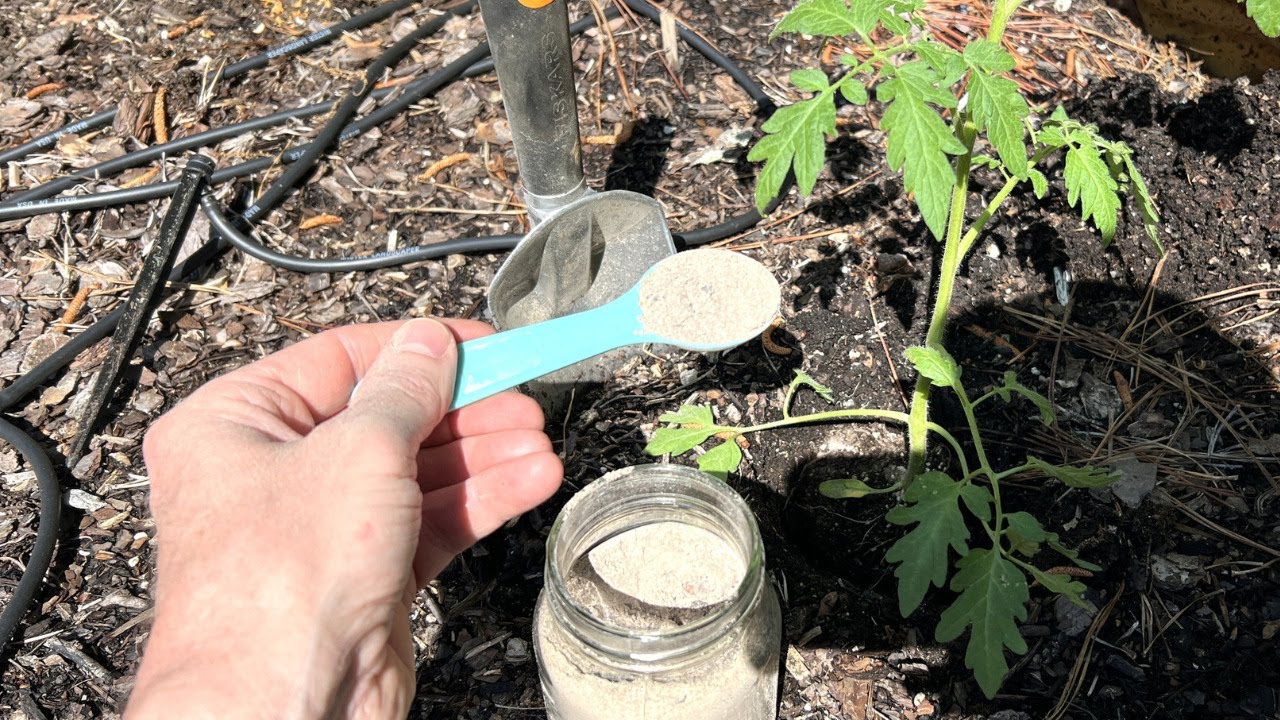
Some Amish farmers even incorporate small amounts of whey or sauerkraut juice as microbial inoculants. Understanding that depleted soils often lack mineral diversity, Amish farmers incorporate specific mineral amendments into their soil building protocol, glacial rock dust, finely ground rocks containing a broad spectrum of minerals, is added in small amounts to compost piles. Clay, particularly Montarillanite clay, high in silica, aluminum, and magnesium, plays a crucial role in forming stable soil aggregates.
Added at approximately 5 to 10% of the compost volume, clay helps form the clay humus complexes that give soil its structure and nutrient holding capacity. When rejuvenating severely depleted soil, Amish farmers don't attempt complete transformation in a single season. Instead, they employ a multi-year approach that gradually builds soil life and structure.
The first application to dead soil is relatively light, about 1/2 in of finished compost spread evenly and gently incorporated into the top 2 to 3 in only. The first crops planted are typically soil building varieties rather than heavy feeders, often a combination of oats and field peas that will be cut as green manure before they set seed. This initial priming crop helps establish basic soil microbiology.
In the second year, compost application increases to about 1 in and more demanding cover crops like buckwheat or rye might be introduced. By the third season, soil structure has typically improved enough to support vegetable production, though still with careful attention to crop rotation and continued compost application. What's notable about this gradual approach is its focus on building a self-sustaining system rather than creating dependency on continual heavy amendments.
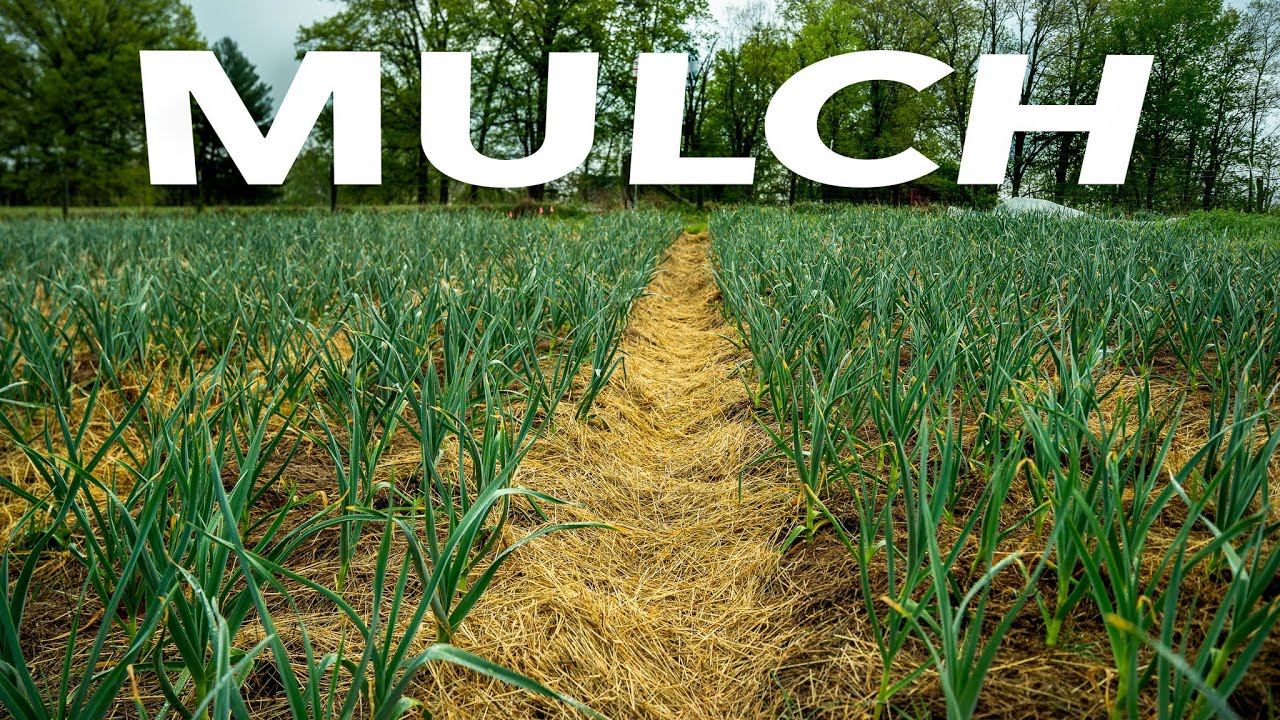
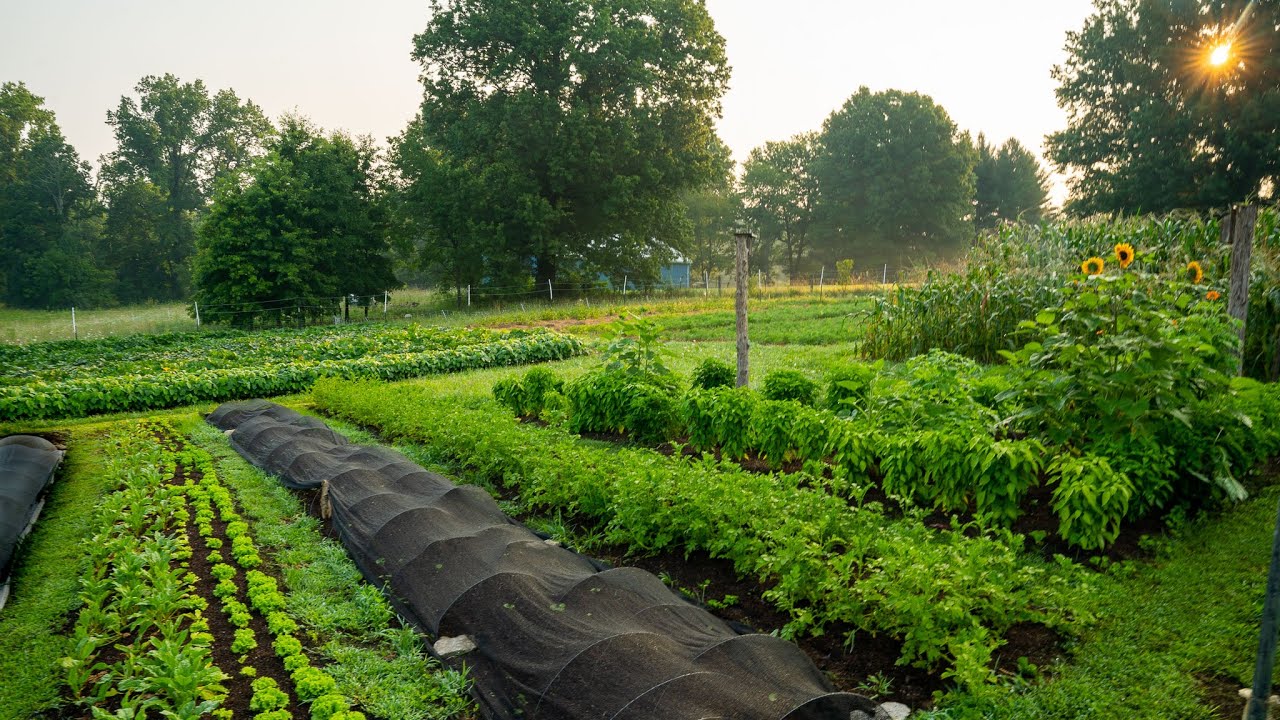
By year five, a wellexecuted Amish soil regeneration program typically results in soil that requires only maintenance levels of compost to remain highly productive. Complementing their composting approach, Amish growers utilize sophisticated living mulch systems to protect and continuously nourish soil. Rather than leaving soil bare between crop rows, traditional Amish gardens maintain carefully selected companion plants that serve multiple functions.
White clover between rows fixes nitrogen while suppressing weeds. Shallow rooted aromatic herbs like thyme provide pest confusing scents while minimizing competition with crops. Strategic placement of dynamic accumulators like chickweed which gather specific nutrients and make them available when trimmed and left on the surface.
These living mulches create a continuous cycle where the soil food web remains active and fed even as the main crops are harvested. The ground is rarely left exposed to erosion or sunbaking, maintaining moisture levels and protecting soil life. While traditional Amish methods developed around farm scale systems with livestock, today's gardeners can adapt these principles effectively at home.
For urban gardeners without access to fresh manure, lawn clippings mixed with autumn leaves stored dry and added gradually can create similar carbon nitrogen dynamics. Coffee grounds can substitute partially for the nitrogen component while crushed eggshells add calcium. The herbal activators remain relevant even at small scale.
A dedicated 3x3 ft patch of comfrey can produce enough leaf material to activate several compost piles per year. Even apartment dwellers can grow comfry in large containers. For those without space for traditional composting, bokashi fermentation using similar principles can process kitchen waste into soil building material, especially when combined with some garden soil to complete the transformation process.
The clay component can be sourced as foodgrade bentonite clay from health food stores, used sparingly but regularly to help form those critical soil aggregates that give soil its structure. How do you know when your soil renewal efforts are succeeding? Traditional Amish farmers use several low tech but effective assessment methods.
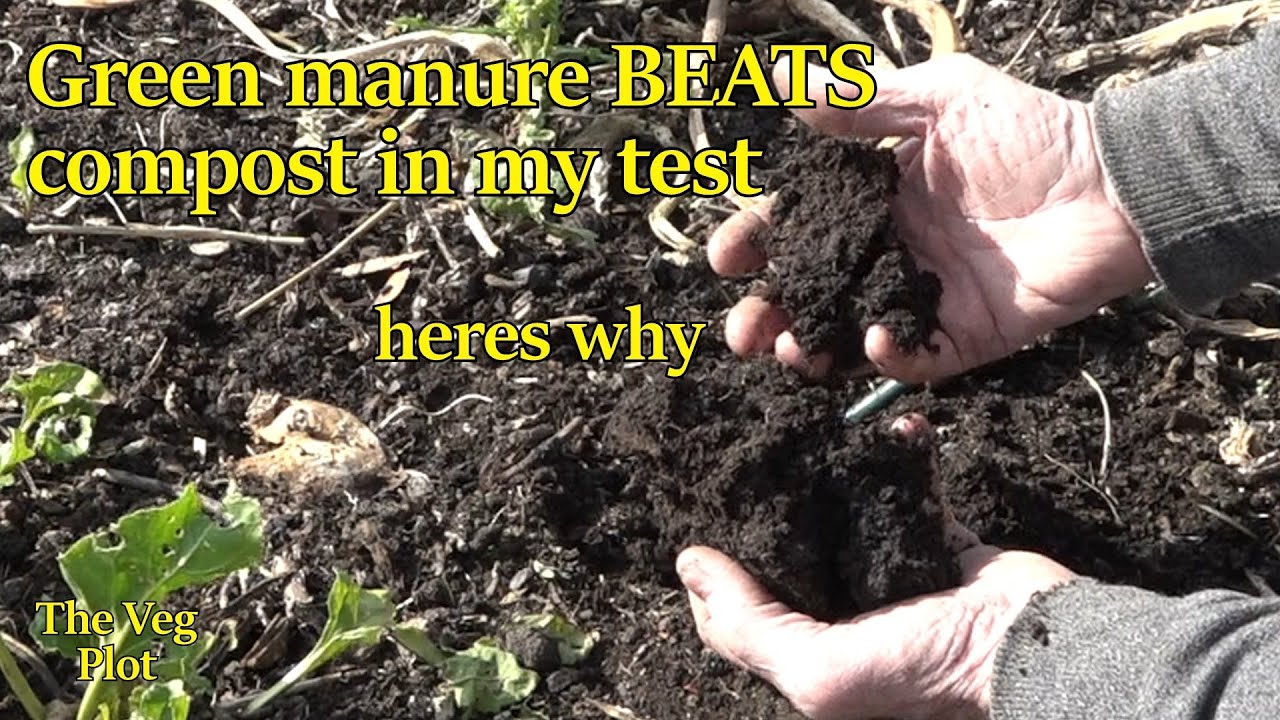
The spade test involves digging a small soil sample and examining its structure. Properly regenerated soil crumbles easily into small rounded aggregates rather than breaking into angular chunks or dusty fragments. The infiltration test measures how quickly water absorbs into soil.
A simple ring pressed into the soil is filled with a specific amount of water and the absorption time is noted. As soil health improves, infiltration speeds increase dramatically. Perhaps most importantly, Amish farmers observe plant indicators, certain weeds that appear during different stages of soil regeneration.
As soil health improves, weed species shift from tough, deeprooted pioneer plants like thistle toward what they call rich soil weeds like lamb's quarter that indicate fertile conditions. The beauty of the Amish soil regeneration system lies in its cyclical self-reinforcing nature. Better soil grows healthier plants which feed livestock that produce better manure which creates richer compost which builds even better soil.
This positive spiral stands in stark contrast to the negative cycle often seen in conventional agriculture where soil degradation requires increasing chemical inputs leading to further biological depletion and dependency. The patience required for this approach is perhaps its biggest challenge in our immediate results culture. But as an old Amish farmer once said, "Nature has time.
She's not in a hurry. When we try to rush her, we only rush ourselves toward failure. If there's one lesson to take from the Amish approach to soil regeneration, it's that we don't so much build soil as facilitate the natural processes that allow soil to rebuild itself.
Our role is not to force, but to nurture, creating conditions where the incredible intelligence of natural systems can express itself fully. Whether you're working with a small urban plot or acres of farmland, these principles can transform your relationship with the land beneath your feet. Start small, observe closely, and trust the process.
The results might not be immediate, but they will be deep and lasting. Are you ready to begin your soil regeneration journey? Have you already tried some of these traditional methods?
Share your experiences in the comments below and don't forget to subscribe to Hydrohaven for more deep dives into sustainable growing practices. Together, we can rediscover and adapt the wisdom of generations past to create a more fertile future for all.