for as long as there have been academics there have been anti- academics for as long as there has been an intellectual core centered on institutions of Higher Learning there have been peripheries from ancient philosophers to Renaissance Scholars to modern-day dissidents formalized education has always had its Skeptics critics and detractors today as debates about the purposes and benefits of Higher Learning and educational institutions rage on I'd like to explore how a figure like Heinrich Cornelius agria shaped this history of desent agria the Restless scholar Soldier physician and Ault philosopher par excellance spent much of his career
critiquing the institutions of his time his scathing attack on scholasticism in the places of power cemented his legacy as a voice of intellectual Rebellion but before turning to his own particular criticisms we need to locate his ideas within the broader framework of anti-academic sentiment as it has played out over the last 2,000 years the history of anti-academic sentiment is as old as formal academic institutions themselves often reflecting tensions between Innovation and tradition practical knowledge and theoretical abstraction Clarity and obscurantism or institutional Authority and individual Freedom this Dynamic can be traced from the ancient world through
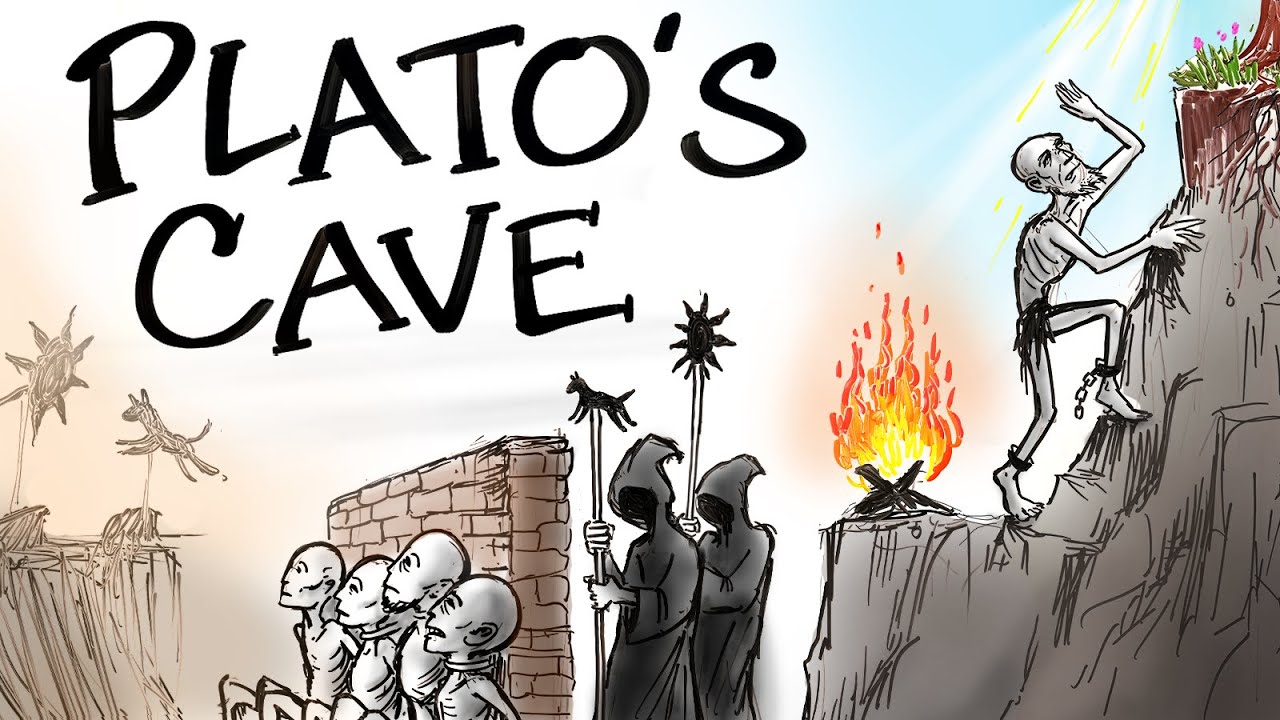
the Middle Ages on into the early modern period and Beyond but I will restrict my scope to premodern Europe for the sake of brevity Plato's Academy founded around 387 BC is often considered the first formal institution dedicated to Higher Learning its mission was to seek truth through reason and dialectic particularly concerning metaphysics ethics and epistemology Plato founded the academy in response to what he saw as the shortcomings of contemporary Athenian education particularly as represented by the sophists it arose as a direct response to the intellectual culture inspired by itinerant teachers who dominated Athens in the
late 5th Century BC sophists such as protagoras gorgus and hippus offered practical education in rhetoric and public speaking skills essential for success in the Democratic citystate they were pragmatists teaching that truth was often relative and that persuasion mattered more Plato disillusioned by the sophists perceived moral relativism and intellectual opportunism founded the academy to pursue Universal truths through dialectic reasoning while the sophists viewed knowledge as a tool for practical success Plato sought immutable ideas such as Justice Beauty and goodness accessible through rational inquiry Plato's dialogues frequently caricatured the sophists as charlatans who corrupted young minds for
profit to use the words of manly P hall for for Plato philosophy was the love of wisdom not the contest of cleverness nevertheless this foundational tension between practical skill and theoretical inquiry would Echo throughout the history of thought taking numerous twists and turns the periphery would become the core and the core in turn would become the periphery the reactionary radicalism is M of one age would become the entrenched Orthodoxy of another and the history of thought would unfold as a series of revolutions and counter revolutions where each new wave of ideas both challenged and built
upon the framework of its predecessors the sophists once the Vanguard of practical education became symbols of opportunism under Plato's critique just as the academy itself would later face criticism for its perceived abstraction and elitism this Dynamic interplay between Innovation and tradition rebellion and establishment would shape the trajectory of intellectual history ensuring that no system of thought remained immune to scrutiny or reinvention Plato's most famous student Aristo became one of the Academy's first and most influential critics although Aristotle studied at the Academy for nearly 20 years he diverged from Plato's metaphysical idealism Aristotle rejected Plato's theory
of forms arguing instead that the Essences of things resides in their physical reality rather than in a separate ideal realm Aristotle's founding of the lum represented an alternative approach to philosophical education one grounded in empirical observation and systematic categorization of the natural world this Divergence highlights a key criticism of the academy its focus on abstract principles at the expense of practical knowledge Aristotle believed that Plato's emphasis on Transcendent realities overlooked the importance of studying the physical and the observable another critical group the cynics were a philosophical movement founded by antisthenes another student of Socrates but
they offered an even more radical critique they dismissed the need for formal institutions like the academy arguing that true wisdom came from living in accordance with nature and rejecting societal conv ventions including organized education diynes the most famous cynic famously scorned theoretical learning focusing instead on virtuous action and self-sufficiency the cynics viewed the Academy's emphasis on abstract philosophy and theoretical discourse as a distraction from the simple truths of Life they mocked its pretensions to intellectual superiority as nothing more than affectation arguing that wisdom could not be taught in schools but only through experience the political
implications of Plato's philosophy also fueled criticism in the wake of socrates's trial and execution in 399 BC many Athenians remained suspicious of philosophers viewing them as subversive or even dangerous Plato's ideal of philosopher Kings articulated in the Republic struck many as elitist and anti-democratic his association with oligarchic figures including members of the 30 tyrants further alienated him from democratic Athens the Academy's critics may have feared that it was cultivating a class of intellectuals detached from the Civic and Military responsibility ities expected of Athenian citizens this concern tied into a broader anxiety about the role of
Education in shaping or misguiding the polus ironically the academy itself became home to internal critique during its later phases under figures like arala and carneades the academy adopted a skeptical stance emphasizing the limits of human knowledge and the need for constant questioning this shift known as academic skepticism was a direct challenge to the dogmatic certainties that Plato's philosophy seemed to represent while this internal Evolution demonstrated the Academy's intellectual Vitality it also reflects attention inherent in its Mission the challenge of reconciling the pursuit of absolute truth with the acknowledgement of human fallibility criticism of Plato's Academy
reflects enduring debates about the nature of Education the value of abstract knowledge and the role of intellectuals in society key themes include one Theory versus practice critics like Aristotle and the sophists question the Academy's focus on metaphysical and theoretical inquiries arguing for a more empirical or practical approach two elitism and accessibility the Academy's emphasis on abstract philosophy and Mathematics may have alienated those who valued more accessible or pragmatic forms of knowledge and three institutionalization of knowledge the cynics and other detractors saw institutions like the academy as unnecessary or even corrupting preferring informal or experiential paths
to wisdom despite these critiques the Academy's influence endured shaping the intellectual traditions of Western Philosophy for centuries the closure of Plato's Academy in Athens by the emperor Justin in 529 ad marks a symbolic and historically significant moment in the history of education and philosophy this act was part of Justinian's broader efforts to consolidate Orthodoxy within the Byzantine Empire and to suppress what he viewed as potentially subversive or heretical ideologies the Academy's closure is often interpreted as a turning point in the transition from the ancient to the Medieval World signaling the decline of pagan classical philosophy
and the ascendancy of Christian Orthodoxy Justinian sought to restore and unify the Roman empire under Christian Orthodoxy his Reign characterized by ambitious reforms both administrative and religious aimed at strengthening Imperial Authority among his key policies were the enforcement of nyine Christianity as the official state religion which entailed the suppression of competing religious and philosophical traditions including paganism heretical Christian sects and Judaism under the leadership of Scholars like Damascus the last head of the academy the institution had become a Bastion of pagan intellectual resistance the neoplatonists defended traditional religious practices and philosophies against the encroachments of
Christianity they also criticized aspects of Christian theology particularly its rejection of classical polytheism and its Reliance on revealed rather than philosophical truths the closure of the academy must be understood within this broader context of religious consolidation by the early 6th centur Cy Pagan philosophy had already been in Decline for Centuries with Christianity steadily displacing traditional GRE Roman religious and intellectual Frameworks however the academy and other philosophical schools remained centers of pagan intellectual life keeping alive Traditions rooted in neoplatonism and earlier Greek thought the closure of the academy dispersed its Scholars marking the the end of
an era According to some accounts Damascus and a group of neoplatonic philosophers fled to the Persian Court of King KRA I seeking refuge in a region where they could continue their work this episode though often romanticized illustrates the broader displacement of classical learning in the face of Christian hegemony with Plato's Academy extinguished Europe's intellectual flame passed on into the hands of monastic communities but the rise of Christian institutions brought its own tensions setting the stage for scholasticism which our man of the hour agria would ultimately denounce pacifer usly the Early Middle Ages saw the transformation
of educational institut tions in Western Europe shaped by the decline of classical Antiquity the rise of Christianity and the need to preserve and transmit knowledge the evolution of educational structures during this period monastic schools Cathedral schools and eventually universities reflected changing social religious and intellectual priorities these institutions were not with without their critics who questioned their purposes methods and accessibility with the collapse of the Western Roman Empire in the 5th Century Urban centers and their Associated schools declined in their place monastic communities emerged as key centers of learning thanks to their stability relative Independence and
religious Mission the Benedictine rule established by St Benedict of nura in the 6th Century emphasized the importance of reading and study as part of monastic life leading to the creation of monastic schools monastic schools primarily served the needs of the church training monks in literacy Theology and the copying of manuscripts their curriculum focused on the Trivium grammar logic and rhetoric and to a lesser extent the quadrum arithmetic geometry music and astronomy the traditional liberal arts inherited from Antiquity at the center of their educational program was the lectio deina a method of meditative reading aimed at
fostering spiritual growth and a deeper connection with the word of God this practice emphasized prayer pray reading meditation and contemplation through these steps monks were not merely acquiring knowledge but engaging in a process of inner transformation aligning their minds and souls with God's will the lectio deina reflected the monastic emphasis on integrating intellectual Pursuits with spiritual discipline ensuring that learning served the ultimate goal of salvation unlike the more formalized disputations that would later dominate Cathedral schools and universities monastic education prioritized quiet reflection and the internalization of scripture making it a Cornerstone of medieval monastic life
monasteries like Monta casino and later The Abbey of Sito became renowned for their libraries and scriptorium where CL classical and Christian texts were preserved and reproduced the carolingian Renaissance initiated by Charlemagne in the late 8th Century further invigorated monastic education emphasizing standardized curricula Latin literacy and the Revival of classical texts despite their achievements monastic schools faced criticism for their exclusivity and narrow Focus education was largely reserved for monks and clerics excluding lay people and women critics within the church also worried that intellectual Pursuits might distract monks from their spiritual duties by the 9th century Cathedral
schools began to supplement and in some cases even rival monastic schools as centers of Education these schools were typically attached to Episcopal Seas the residence of a bishop and were often more urban and accessible than monasteries they were intended to train clergy but their location in cities made them more open to L students as well notable Cathedral schools included those at chart L and R they offered instruction in the liberal arts and sometimes ventured into more more advanced studies of Theology and philosophy the cathedral schools of the 12th century particularly in Paris became incubators for
intellectual Innovation Cathedral schools often admitted lay students including Nobles and aspiring bureaucrats reflecting the growing importance of educated Ley in governance and administration their Urban setting fostered interaction between different social classes and intellectual Traditions Paving the way for a more diverse student body while Cathedral schools broadened access to education their critics argued that their focus on ecclesiastical training limited the development of practical knowledge and secular disciplines there was also ongoing tension between the monastic and Cathedral schools with monastics sometimes viewing the urban and AD administrative focus of Cathedral education as a dilution of spiritual priorities
the emergence of universities in the 12th century marked a turning point in medieval education rooted in the traditions of monastic and Cathedral schools universities developed as autonomous corporations of Masters and students often supported by Royal or papal charters key universities included bolognia founded in 1088 renowned for its focus on law it became the model for southern European universities Paris founded around 1150 was a center for Theology and philosophy and was influential in shaping the curriculum and organization of Northern universities Oxford founded around 1167 emerged from the Cathedral School tradition and became a prominent center of
learning in England universities were self-governing communities with students and Masters forming guilds to negotiate rights and responsibilities the Trivium and quadrivium remained foundational but universities also developed specialized faculties in law medicine and theology scholasticism as a method of reasoning that sought to reconcile faith and reason here began to dominate University teaching figures like albertus Magnus and Thomas aquinus exemplified this approach this shift from monastic to Urban education and eventually to universities reflected broader societal Transformations including urbanization economic growth and the increasing role of lay people in intellectual life on one hand monastic critics viewed universities
as overly worldly and detached from spiritual goals they argued that the disputations and dialectical methods of scholasticism fostered intellectual pride and a focus on abstract theorizing at the expense of personal holiness on the other hand they developed a different brand of criticism that of the humanists by the 14th and 15th centuries some learned men began to challenge University education for its perceived narrowness and Reliance on endless rehashing of authorities figures like Franchesco petrarch accused Scholastics of fixating on trivial questions while neglecting the ethical and rhetorical insights of classical Antiquity in the decades following the Desolation
caused by the Black Death in the mid 14th century the humanist criticism of scholasticism emerged as part of a broader intellectual movement that sought to revive the cultural and educational ideas of classical Antiquity at the expense of more medieval modes of thought early humanists inspired by the eloquence and moral philosophy of ancient texts criticized scholasticism for its perceived obscurity rigidity and Detachment from practical and ethical concerns whether fair or not this critique became a defining feature of Renaissance intellectualism marking a shift from medieval modes of knowledge production through its endless quiones and disputes to the
foundations of modern humanistic education scholasticism was a dominant intellectual tradition in medieval universities characterized by a dialectical methodology that is a system of debate that sought to resolve contradictions between authorities particularly classical philosophers like Aristotle the church fathers and Holy Scripture and a focus on theology which was considered the queen of the Sciences much of Scholastic work involved reconciling religious Doctrine with philosophical reasoning by debating over contradictions to demonstrate that they were really only apparent rather than real notable figures such as William of a Petro Deano albertus Magnus Bonaventure Thomas aquinus Giles of Rome John
dun scotus and William of aam exemplified scholasticism intellectual rigor but by the 14th century the method began to face criticism for its limitations and excesses humanists sought to revive the studia humanitatis grammar rhetoric history poetry and moral philosophy emphasizing eloquence virtue and the study of classical texts in their original languages Latin and Greek as well as the composition of new texts in vernacular tongues more accessible to the Common Man figures like petrarch Lorenzo Vala marcelio ficino and desiderius arasmus became vocal critics of scholasticism they accused Scholastics of engaging in Trivial abstruse debates with little relevance
to real life problems the schoolman preoccupation with technicalities the humanists argued distanced scholasticism from the Practical and moral concerns that should guide human conduct the humanists prioritized eloquentia effective communication as essential for leadership and Civic engagement they criticized Scholastics for their technical jargon and dry unpolished Latin which they found inelegant and inaccessible Lorenzo Vala in works such as the elegances of the Latin language emphasized the importance of classical style contrasting it with the barbaric Latin of the universities the humanists also rejected the Scholastic tendency to uncritically defer to authorities like Aristotle or medieval theologians they
sought to return ad Fontes back to the sources by studying original classical texts rather than relying on translations commentaries or compilations while scholasticism focused on metaphysical and Theological questions the humanists emphasized moral philosophy as essential for personal and public life they drew on classical authors like Cicero senica and Plutarch to cultivate virtues such as Prudence Justice and fortitude humanism criticized Scholastics for treating texts as Timeless authorities without understanding their historical and cultural contexts by by contrast humanists embraced philology and textual criticism to reconstruct ancient works as their authors intended we now turn to our man
of the hour Hinrich Cornelius agria whose dates are 1486 to 1535 a German polymath physician and a cult philosopher Agrippa was a key figure in the Renaissance critique of scholasticism his disdain for scholasticism was most forcefully articulated in his pical work day in cud at vanitatum at arum on the uncertainty and vanity of the sciences and arts agrippa's critique aligns with Renaissance humanist skepticism of scholasticism but goes further incorporating elements of mysticism M and a rejection of institutionalized knowledge itself he studied at several universities but his dissatisfaction with their curriculums fueled his disdain for scholasticism
his Restless career oscillating between patronage Exile and conflict with religious authorities further alienated him from institutional Authority for a gria true wisdom not in disputing theological minutia but in embracing mystical knowledge that transcended human reason and connected the Seeker with the Divine agria derided the Scholastic emphasis on abstract theorizing as detached from the needs of real life he criticized theologians for their inability to address spiritual crises Physicians for their ineffectiveness in healing and lawyers for perpetuating Injustice ultimately AG gria argued that human knowledge is inherently flawed and finite incapable of comprehending Divine or ultimate truths
he proposed that Faith Revelation and divine grace were the only reliable sources of knowledge in this sense his critique of scholasticism was also a critique of humanism which he saw as overly reliant on classical learning agrippa's critique resonated with practitioners of esoteric Traditions who found in his work a defense of marginalized Fields such as the astral magic of the picatrix or the cabala of Pico DEA mirandela and johanes royan his de Ulta philosophia on oul philosophy 15105 1833 sought to rehabilitate these disciplines as legitimate Pursuits of divine wisdom in his lesser known work on the
three-fold way of knowing god Agrippa declared an allout war on the schoolmen of his day condemning their art as not only misguided and misguiding but outright satanic I leave you then with an excerpt of his writing drawn from our recent book invisibilia Dei a collection of hermetic mystical and anti- magical works by Hinrich Cornelius agria to give you a sense of what anti-academic sentiment looked like in the early 16th century now you know how one ought to be who longs to attain the knowledge of God and who truly deserves to be called a theologian one
who wishes to speak with God and to meditate on his law day and night for thus it is that John the Evangelist was given the name the Theologian by dionisius namely on account of his Divine discourse but there are certain others who inflated by human Sciences speak in tongues indeed who do not blush to lie about God both in their lives and in their speech they shamelessly twist all scripture to fit their lies according to their own spirit and they force Divine Mysteries according to the method of human reason with sacrilegious glosses devised by their
own minds they adulterate the word of God and establish their own monstrosities they rashly usurp the holy name of theology by theft and plunder dedicating themselves solely to disputes and contentious arguments about which Paul writes to the Philippians saying some indeed preach Christ out of envy and rivalry but others out of Good Will and these contentious ones are those argumentative people who pursue the knowledge of God with arguments and questions of whom the psalmist says they are corrupt and have become abominable in their ways and the Apostle Jude says these people blaspheme whatever they do
not know and whatever they understand naturally like dumb animals in these they are corrupted to these Isaiah speaks again saying your wisdom and your knowledge they have deceived you you have been worn out in the multitude of your councils indeed their Doctrine is entirely carnal and worldly an ambitious arrogant race confident in their own Ingenuity convinced that they can know God by their own strengths and can find truth in everything convinced that there is no argument that can arise in a discussion about which they cannot argue most eloquently on both sides and offer a plausible
opinion they are a cunning people rich in the learning of others and at the same time insolent relying on a certain artificial dialectic though they know absolutely nothing they yearn to appear learned therefore they debate publicly in schools emboldened by the snares of sophistry declaring and believing themselves to be wise but miserably deceived by these Delirious fantasies and the tricks of their shifting Ingenuity what they consider to be their support is actually their hindrance they become vain in their thoughts and are given over by God to a rep probate mind where they think they see
most clearly and believe they can find the truth there their foolish heart is most darkened where they Prevail among men they are powerless before God and claiming to be wise they became fools for he who speaks sophistically is detestable says Ecclesiastes to him Grace has not been given by the Lord for he has been deprived of all wisdom indeed the greatest proof of folly is to consider oneself wise about which the Apostle says the wisdom of the flesh is foolishness with God thus says the Lord I will destroy the wisdom of the wise and the
Prudence of The Prudent I will reject indeed true wisdom does not consist in clamorous disputes but is hidden in silence and worship through the faith in our Lord Jesus Christ whose fruit is eternal life Paul calls this the knowledge that Accords with godliness through which he himself received apostil ship according to the faith of God's elect there is however another kind of knowledge that of contention about which he forms his disciple Titus admonishing him thus avoid foolish questions genealogies controversies and pmics about the law for they are useless and vain writing on this Jerome says
the following the logicians and Aristotle who is their leader are accustomed to set the snares of argumentation and to confine the free spirit of theology within thickets of syllogism these therefore who spend their whole days and nights on this whether asking questions or answering them whether putting forward propositions or listening to them assuming confirming and drawing conclusions are called contentious who think that one should argue not with reason but with the stomach if therefore those whose art is contention do this what should a Christian do but flee from contentions altogether so says Jerome therefore we
too if we truly wish to know God must set aside all confused reasoning all sophistical argumentation and all dialectical inquiry for reasoning and inquiry often carry about them a certain air of desperation and distrust Faith however ought to be stable and Serene thus Ambrose says in his book on the Trinity remove arguments where faith is sought in their own schools let dialectic now be silent It is believed by fishermen not dialecticians he says the same in on the faith deg gration and Pope Urban writing to Charles says it did not please God to save his
people through dialectic for the kingdom of God is in the Simplicity of faith not in the contention of words for there is no greater pestilence for the soul than reasoning than altercation than disputation about Divine matters which destroys knowledge perverts understanding and casts down Faith Paul therefore commands that it be avoided as much as possible and James calls it Earthly animal and diabolical wisdom from this spring errors doubts lies heresies from this the first sin arose in mankind the inventor of this most pestilential art however is the devil that cunning and pernicious sophist was the
first to propose trifling quiones to invent disputations and to establish a kind of school so to speak not content with destroying himself he devised a craft by which he could also destroy others and augment and propagate his own evil therefore not allowing man to remain in simple Faith he wished to propose a quo concerning God's Commandments considering this the most effective tool for overthrowing men thus in the manner of a sophist he first approached Eve and provoked her to a contest of inquiry and reasoning by asking why did God command you not to eat from
any tree of paradise if Eve had not disputed with him she would have not been deceived but because she stooped down into an argument with the devil she was deceived by a single false and sophistical reasoning and not only did she fall from Faith but she also lost reason at the same time hence she began to falsely interpret the words of God and consequently she committed a Li as soon as she dared to doubt and distrust what God had said for thus she replied of the fruits of the trees that are in Paradise we do
eat but of the fruit of the tree which is in the midst of paradise God has commanded us not to eat and not to touch lest perhaps we die behold how falsely God's precept was interpreted when she said to us in the plural whereas God had commanded it only to Adam in the singular before Eve was created moreover she added not to touch thus lying in both respects she then also expressed doubt when she added lest perhaps you see how that cunning and diabolical dispute based on proposed Quon deceived reason and reason in turn over
through faith this is the fruit this is the benefit this is the purpose of sophistical disputations which are employed in our time by some of the more recent theosophists and lovers of boastfulness all in vain they having neglected the gospel of Christ and the apostolic doctrines and having poorly understood Aristotle and certain commentaries besides then Peter Lombard whom they call the master of Sciences worship him as the archetype of all Theology and who knows what other things of that kind they have seen then supported by their insolence in sophistry they think that they can attempt
undertake resolve and interpret everything then rushing in with their absurdities pollutions babblings and contentious disputations to which art they have now armed their tongues they have rendered everything that is simple sincere and pure in faith and religion complex obscure and sorted they have confounded muddied and polluted all theology with their absurd altercations and pointless verbosity and have invented not a Divine or even human theology but a thing of their own I know not what I do not call it theology but a filthy hateful quibbling and diabolical vanity a patchwork of human opinions and philosophical Trifles
the inventor of this most pernicious discipline was that serpent the ancient sophist who deceived Eve following his example some more recent theosophists who in this age have become the leaders authors and propagators of such a great Abomination have emerged countless others of the same kind miserably follow them every day hence arose that hor and Tangled Forest that dark Grove of disputes in which they labor incessantly in miserable toil and damnable study with little fruit imitating not Christ in faith hope or love nor seeking asking and knocking with prayers fasts and vigils that the treasury of
divine knowledge might be open to them but rather like the Titans Waging War against God they think they can batter down the door of holy scriptures with the dean Machines of their sophistry thus whatever has been said by a philosopher or some Theologian that falls into their hands they do not explain according to sound principles but deduce it from something very different not according to the original sources from which it flowed rather with their absurdities and foolish distinctions they chop it up break it apart and grind it down into a powder like in a mortar
so that having lost all its strength from its excessive finess it vanishes in the slightest Breeze when exposed to light and air hence that proverb used among them in which they say I will dissolve your argument with a single breath how well truly and wisely said for among these arguers there's nothing but wind blowing against wind and dispersing it hence when they have left their schools for a short while they sit silent and thoughtful like stupid and lifeless logs and like a dried up fig tree have nothing to say no fruit to Bear because they
are not with their fellow disputants hence that proverb was born among the Common People the greatest schoolmen are usually ually the greatest fools added to this is another form of arrogance by which these recent theologians and canonists Men conscious of their own ignorance unsure of their own authority and fearful that they will not be believed cite testimonies chapter by chapter or article by article while being concerned with individual words and punctuation marks and not infrequently nor do they site from writers of a more distant Antiquity but from the most recent they're nigh contemporaries very much
like themselves and this they do so continuously and so incessantly boasting of their heap of testimonies not to teach others but to seek praise for their own memory and to appear well read not considering that if they were to distribute to each person what belongs to him from their sayings or writings nothing of their own would remain but wandering in that error and Poverty of their own genius given that they know nothing themselves and can produce nothing themselves they consume all their time studying in making excerpts and compilations like some band of brigands content with
these since they know nothing at all other than how to use the labors and examples of others they rashly arrogate to themselves the name of wisdom and with this Council it is amazing how pleased they are with themselves how excellently learned they think themselves to be those ancient theologians men grave in wisdom venerable in Authority holy in life did not behave in this way in their writings the most simple and infrequent quotations of texts are found wherever something worth remembering is mentioned and indeed these are from the Old Testament from the gospels from the apostles
and from more remote Antiquity never boasting men truly confiding solely in divine grace conscious of their wisdom and the best of teachers fearing no Jud judgments truthful paying no regard to the appearances of men they have bestowed gifts upon us from their Treasures imitating Christ who like a good head of house brought forth from his treasures things new and old in all things bearing fruit in word and deed among them the fruit of True Religion and Faith unto Eternal salvation but let us return to where we digressed by the nigh innumerable distinctions in their Traditions
they generally reveal how greatly they sin in Divine knowledge who presume they can know God by the feeble discourse of reason for no question however trivial is proposed to them which they do not entangle in litigious arguments and day daan labyrinths like dogs they condemn each other with rabid barking and biting as their writings and volumes clearly reveal and if According to Aristotle the nature of Truth is that it is always consistent with itself and if the consistency of opinions is a sign of Truth it necessarily follows that what is everywhere discordant with itself cannot
be true therefore among these arguers and recent theosophists there can be no Truth at all nor even a trace of Truth and it is inevitable that this disordered and monstrous heap of merely human opinions about Divine matters will eventually collapse under its own weight but alas wretched ones ignorance still spreads widely in the world no one with a Pious mind seeks the knowledge of God almost all of us profess ignorance new theology new doctors new doctrine nothing ancient nothing holy nothing truly religious and what's worse if there are any who dedicate themselves to this ancient
Theology and religion they are called Mad Men ignorant irreligious and sometimes even Heretics and as Hermes trismegistus says are hated even the threat of death is made against them they are subjected to insults and are often deprived of Life nevertheless it will always be possible to return to the first sources and draw up the pure water where the immaculate form of piety and Justice flows and to dispute to teach and to act with the help of our crucified Lord God Jesus Christ of Nazareth who as the angel of great counsel enlightens Minds with True Light
him we profess as true God and true man and await as father of the world to come and judge after agrippa's scathing indictment of scholasticism we are left with a vivid portrait of a man who viewed the intellectual institutions of his time not merely as misguided but as fundamentally corrupt even diabolical his critique is as much a rejection of the methods and priorities of Scholastic theology as it is a call for a return to Simplicity faith and divine inspiration as the foundations of wisdom agrippa's words resonate far beyond the early 16th century they reflect an
enduring tension in the history of knowledge the conflict between the establishment and The Outsider between rigid Orthodoxy and the pursuit of personal truth his disdain for intellectual protention and his call for humility and Faith echo in modern debates about the the relevance of Academia the value of expertise and the nature of wisdom itself whether one views Agrippa as a prophetic Voice or a pical rebel his challenge remains clear to scrutinize the systems of thought we inherit and ask whether they bring us closer to truth or merely to the illusion of it as we navigate our
own educational and int ual challenges agrippa's critique reminds us that sometimes the most radical Act is not to accumulate knowledge but to seek wisdom Beyond its limits if you would like to support more work such as this please consider picking up a copy of our new translation of agrippa's lesser known hermetic mystical anti- magical and anti- Scholastic works invisibilia day you can also support my work over at patreon.com thememodern hermeticist above all however thank you for listening

![The Chaldeans [Astrology and Religion among the Greeks and Romans - Franz Cumont]](https://img.youtube.com/vi/9LhT35RuQLw/maxresdefault.jpg)



![Astral Mysticism - Ethics and Cult [Astrology and Religion among the Greeks and Romans]](https://img.youtube.com/vi/GQ6eRYaPFn8/maxresdefault.jpg)
![Shamanism, Theurgy, and Astral Magic [Interview w/ Michael Ofek]](https://img.youtube.com/vi/AUVmtIshFPc/maxresdefault.jpg)