brand new meta-analysis just came out looking at the effect of different diets on risk of death. a meta-analysis is a type of study that takes all the existing studies on a specific topic and pools everything, analyzes everything together to look at overall patterns. so it's sort of looking at the big picture on a specific question.
so for this meta-analysis, they were only interested in randomized controlled trials, and only those that reported total death, so death of any cause, or death of cardiovascular causes specifically, or major cardiovascular events things like heart attacks or Strokes for example. so these are called hard outcomes, as opposed to just looking at changes in blood markers, for example. so this meta-analysis is a bit unusual because hard outcomes like those, especially total death, death of any cause, usually requires a large number of participants or a very long follow-up, the duration of the study needs to be very long.
so it's hard to do diet trials like that, at that scale, because unlike in a drug trial you can't just give people a pill, right? so you have adherence problems, over long periods of time people stop doing the diets, there's no Placebo, there's a number of complications. but they set this very high bar for their meta-analysis, so that's really interesting.
the good thing about hard outcomes is that these are the big questions. is this treatment or this dietary Choice gonna affect my risk of having a heart attack, or cancer, or dying? at the end of the day that's what everybody wants to know.
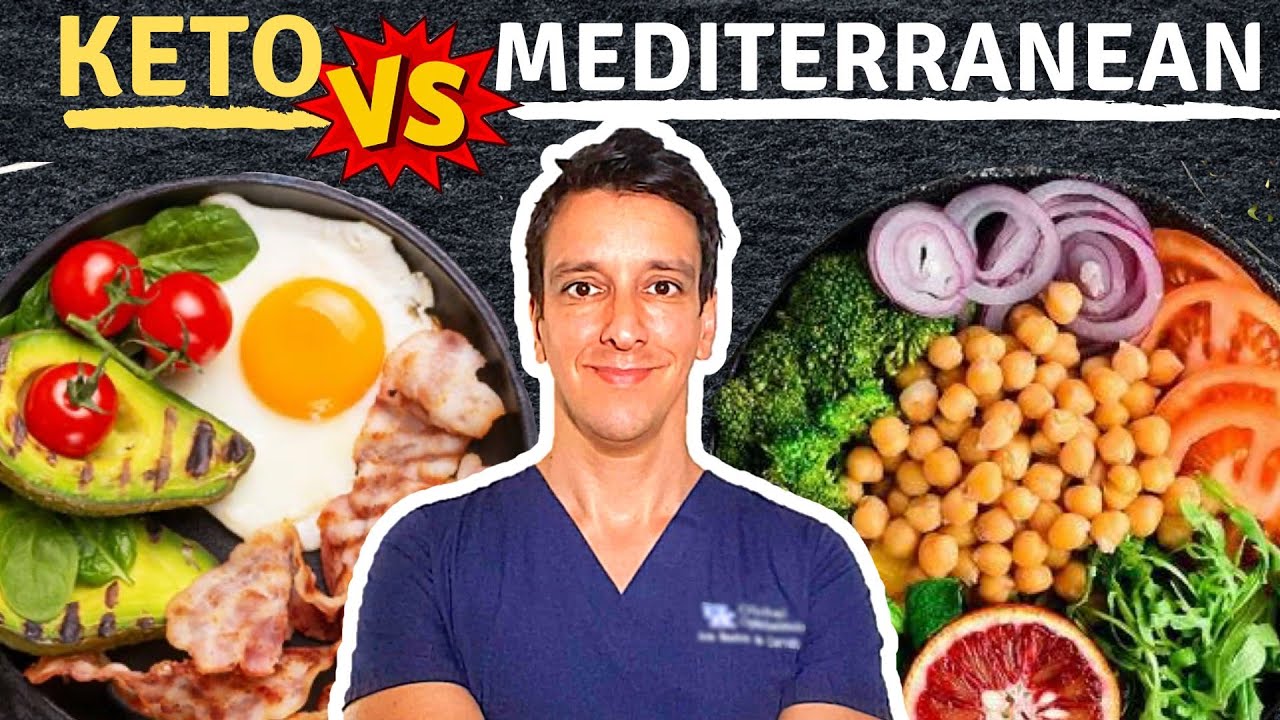
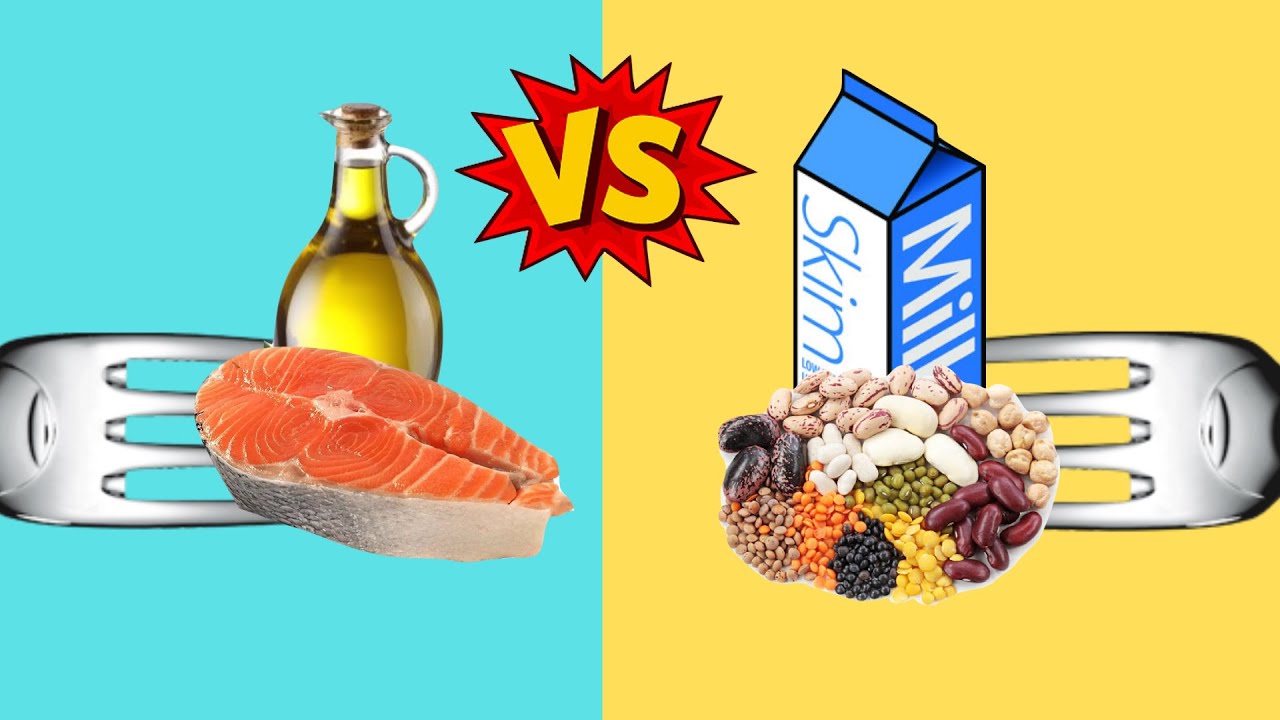
on the other hand, a downside of setting the bar so high is that it excludes a lot of possible diets because there are many diets for which there just is no evidence at this level. so they did this massive screen and they ended up with 40 randomized control trials in total that met their criteria, and they split those into seven diets, the first group were trials where people were told to eat a Mediterranean diet, basically a diet including fish, fruits and vegetables and unsaturated fats like olive oil but not cutting any macronutrient in particular. often when we talk about the Mediterranean diet in the videos a lot of viewers point out that many people in the Mediterranean region nowadays don't eat like that anymore, and that's totally true, but this is essentially what scientists mean when they talk about the Mediterranean diet, it's this kind of dietary pattern, the classical Mediterranean diet if you will.
the second group was told to reduce their fat intake so that they were getting between 20 and 30 percent of their calories from fat, and less than 10 percent from saturated fat. the third group was a bit stricter on the fat, they were only supposed to get between 10 and 20 percent of calories from fat. next group they call modified fat, participants were not asked to reduce fat overall but they were asked to consume more polyunsaturated fats.
the fifth group was a combined reduced fat and low sodium, so 20 to 30 percent of calories from fat, under 10 from saturated fat, but also reduced sodium, under 2. 4 grams of sodium a day. and the last two groups were the ornish diet, which is a low-fat plant-based diet under 10 of calories from fat, and finally the pritikin diet, which was defined as 70 to 75 percent carb, fifteen to twenty percent protein and five to ten percent fat, with about 90 grams of fiber intake a day, so very similar to ornish overall.
so just like we said, because of their criteria, their very high bar, they ended up with a pretty limited spectrum of diets. one obvious thing is there were no low carb diets included, not because they had something against low carb but because there were no randomized trials of low carb diets looking at these hard outcomes that met their inclusion criteria. so this meta-analysis can't tell us much about the effect of low carb diets, for example, on these endpoints, and many others, Nordic diet, paleo diet Etc.
we'll Circle back to this issue in a second. and even for those seven diet groups that they included, the coverage varied a lot, how many trials were available for each one of those dietary patterns, so for example there was only one trial on the pritikin diet but there were 12 trials on Mediterranean diet and 18 on the reduced fat diet. and the last thing to say before we get to the results is that in these trials that they included, sometimes the diet is being compared to another diet, so another dietary intervention, and sometimes it's being compared to no intervention, so just not giving the control group any dietary advice.
so there's some heterogeneity there. okay, so what did they find? the Mediterranean diet trials on average saw a reduction of all cause mortality, so total death of any cause, of 28%, a reduction in cardiovascular mortality of 45%, reduction in stroke of 35% percent and a reduction in non-fatal heart attacks of 52 percent.
the reduced fat diet on the other hand, the 20 to 30 percent calories from fat, there was a reduction in all cause mortality of 16%, of non-fatal heart attacks, 23 percent lower, and finally 13 percent less unplanned cardiovascular interventions, so that's things like emergency interventions, like revascularization, you have a blocked artery and you go in and they put a stent or something like that. so those are the only statistically significant effects found, for all the other diets there was no significant effect on any of those outcomes. they also asked, in these instances where a statistically significant effect was found, for Mediterranean and reduced fat diets, if one of those was Superior, and they found no significant differences between Mediterranean diet and reduced fat diets for all cause mortality or for non-fatal heart attacks, so there was no clear winner between the two.
now, there's a significant caveat among these trials that they found, some were just diet intervention trials and others had multiple prongs, so in addition to advising a dietary change to the participants they also advised not smoking and in some cases they were prescribed medication Etc. so they ran a separate analysis where they excluded those trials that had multiple prongs, they left only the trials that were exclusively diet interventions, and when they did that, the reduced fat diet lost statistical significance in those benefits that had been noted in the overall analysis, whereas the Mediterranean diet maintained statistical significance for most of its outcomes, except for stroke which was no longer significant. so what are the takeaways, what do we learn from all this?
one big takeaway in terms of the meaning of all this is that it's less about which diet wins or which diet beats all the others, it's more about what level of evidence exists for each one of these dietary patterns, what level of confidence do we have at this point in time? also important to bear in mind, a diet having no statistically significant effect on one of these parameters doesn't necessarily mean that that dietary pattern has no effect on that outcome, it could be a lack of statistical power for example, maybe the trials weren't long enough or didn't have enough people. also, the comparison, the reference group obviously makes a difference, for example for the pritikin diet they only found one trial, and in that trial the pritikin diet was compared to a low-fat diet, so it's possible that they are both good for mortality, that they both reduce mortality compared to some other third diet but comparing to each other there was no significant difference.
so those are common concerns and good things to keep in mind in general with human trials, and for nutrition in particular, but what all of this evidence shows very clearly is that the evidence is kind of stacked towards certain dietary patterns that have received more attention, where more resources were devoted. the Mediterranean diet is an obvious example, it's been the focus of a lot of large randomized trials, you may have heard of the Lyon trial and predimed and then there was CORDIOPREV, a third large trial looking at the Mediterranean diet that came out last year, and we actually made a whole video focusing on it, so that could be part of the reason that the Mediterranean diet tends to look better in these overarching analyses, it's not necessarily that it's the best diet and that it beats all the others but other diets out there that could be just as good or even better, theoretically, just haven't been studied as much. so two basic takeaways: one, yes the evidence often is stacked behind the Mediterranean diet and that gives us more confidence in general to recommend it, just because there's more evidence available right now for it, but this also tells us that resources should probably be distributed to testing other dietary patterns going forward.
there are a lot of Trials looking at low carb diets and low-fat diets, often head to head, but they tend to be kind of shorter, six months to a year, and so they look at Weight Loss, they look at blood markers, but it'd be really nice to see some long, several year, multi-year trials with large scale, with a lot of participants looking at lower carb diets or lower fat diets and recording hard outcomes like all-cause mortality or cardiovascular outcomes. one common issue with these diets is adherence in Trials, so we often see that the adherence Falls pretty fast and by one year a lot of participants are no longer in the requested range, in the desired range, and so this would have to be planned very carefully. it'd be cool to see some trials where the fat or the carb is in pretty low ranges because the wider the contrast between the groups the easier it is to see an effect, but there's no point doing a really strict diet and then you lose all your participants, they all fall off the wagon by the end of the trial, you end up not testing your hypothesis in the first place.
you can't House people in a metabolic Ward for years and years, it's just not doable. one option is to provide the meals or provide the foods, makes it a little easier on the adherence but obviously the cost of the trial skyrockets. or finding a middle ground where you restrict the fat or the carb, but not so much that you lose all your participants to poor adherence.
so all things to consider.







![Why your Low Carb Diet is hurting your Heart, and How to Improve it. [11 Studies]](https://img.youtube.com/vi/tla-JrqhhHI/maxresdefault.jpg)