hey friends welcome back to the channel so do you ever have that feeling where you read or watch or listen to something and you think you've learned something new but then a few days or weeks later you try and recall or remember it and you find that you've forgotten everything that you thought you learned the only problem is I can't remember what I've forgotten so in this video I want to share seven simple tips for how you can remember more of the things that you learn and we'll go over some common mistakes that people make
along the way as well let's get into it okay so tip number one is to discover the map so if you play a video game you start off in a very very small portion of the map map and the whole map is yet to be uncovered and as you explore different areas you're slowly unlocking and uncovering different areas of the map and so relating this back to learning new stuff the way I think of it is that a new topic or a new area that I want to learn it's like this whole map in a
video game and before I dive into any one specific area what I want to do is just understand where are the blocks on the map where are the different areas of the map that I could potentially explore if we take something like marketing for example which is a skill that you have to learn as an entrepreneur again there are multiple different areas on the map and if you just dive fully into just deep into email marketing for example you miss other things like paid ads and organic and referrals and Affiliates and these other things and
you might not even know that these other things exist whereas if you start off Broad and you think okay I want to learn about marketing I want to get more leads or sales or whatever for my business whatever the thing is let me just understand the very broad brush Strokes of what marketing actually is and then once I know what's in the map I can then choose which area to dive into based on what my own needs are if you go full into the detail initially you sort of Miss the forest from the trees where
whereas if you keep a zoomed out perspective and understand where the forest broadly is it means that when you're diving into a specific tree to mix metaphors it's way easier to understand and to retain the information that you're trying to study all right tip number two is about just in time learning now this is in contrast with just in case learning so just in case learning is when you're learning something in case it becomes useful further down the line it's not necessarily practically applicable to you right now but you are learning it just in case
whereas just in time learning is where you learn a thing at the moment that it becomes useful and necessary for you to learn the thing in medical school for example one way of learning is by trying to memorize a textbook you learning just in case and then you go to the wards and you see some patience and you see some stuff and then you like try and correlate the thing that you've read to the thing that you've seen and that's one way of doing it but actually what I would suggest a better way of doing
it is to flip it the other way around encounter the things first and then learn about the thing later yes of course it's important to have the map it's important to have the very broad foundations but when you've encountered something in real life like if you've seen someone having a heart attack right in front of you then all of the stuff that you read about the advanced life support algorithm and how to manage myocardial infarction and all the drugs to give and how a crash trolley works and how the crash Team Works reading all that
stuff becomes 10 what 100 times more useful when you've actually seen the thing happen in real life whereas you could read so much stuff and when you see the thing happen in real life you'll realize oh my God it's completely different and it's it's hard to correlate those things similarly to use a marketing example let's say you're thinking of starting a business but you've never sold anything and so you could read a bunch of books about sales and marketing but if you've never actually tried to sell anything a a lot of that stuff is not
going to be that applicable and you're going to fall into that trap of being like oh I've read all these books about sales and marketing but I don't remember any of it and the reason you don't remember any of it is because you have no practical experience upon which to hang the knowledge or the information whereas instead if you swap Theory and action you start off with action first and then do Theory second what that would look like is that you'd make a random product and you would just try and sell it try and sell
it to your friends your family whatever and in the process of attempting to create and sell something you'll be like ah okay and now when you read all the information about sales and marketing it will become way more applicable it'll be way more practical because you're applying it just in time and it means that you're much more likely to remember the thing all right tip number three is to follow your curiosity now there's a really fun study that they did uh which I actually mentioned in my book F productivity link down below um but there's
a fun study that they did where they tried to measure the impact of curiosity on participants ability to recall information that they'd learned so essentially they gave people a list of questions with answers but then they also asked them how curious are you about that piece of information and perhaps unsurprisingly they found that the people who were more curious about things were way more likely to remember the things rather than being able to remember facts and stuff that they weren't actually curious about and so curiosity becomes this natural compass that you can use to remember
more of the things that you learn I.E if you learn about things that you have a genuine curiosity for you're way more likely to remember the thing so practically speaking the way I apply this to my life is whenever I find myself with a question of like huh I wonder how that thing works I'll recognize o I'm curious about this thing therefore if I learn it right now I am way more likely to remember that thing for example I watched Oppenheimer the other day great film by the way and afterwards I was like huh I
wonder how a nuclear bomb actually works cuz I didn't quite understand it and so I went on YouTube and watched a veritasium video about how a nuclear bomb works and because I sort out the information in that moment of curiosity I.E after seeing the film I'm now way more likely to remember how a nuclear bomb Works whereas if I try to seek out information about how a nuclear bomb Works before without actually being curious about it or I'd learned it in a history class where where I didn't actually care about the topic it would have
been a lot harder to remember that information cuz generally when we tie learning to an experience in real life or to Something That We're genuinely curious about in the moment again that makes us way more likely to be able to remember the thing now an easy way to learn stuff and test yourself in an engaging and interactive fashion happens to be by using brilliant who are very kindly sponsoring this video brilliant is a fantastic online platform that's the absolute best way to learn maths or data science or computer science in an interactive and engaging fashion
they've got thousands of lessons on all these different topics organized into different courses which you can take at your own pace and whatever your skill level brilliant customizes the content to fit your needs so you can work at your own level my personal favorite courses on brilliant are the computer science ones when I applied to med school I was kind of torn between medicine and computer science and I went with medicine in the end but I always harbored a little bit of a crush on computer science and actually thanks to the courses on brilliant over
the last few years I've managed to brush up my knowledge of the fundamentals of computer science and in particular their new thinking in code course is really nice it helps you learn the principles of coding but applied to real world practical problems immediately I'm also personally starting to get into linear algebra I watched a bunch of YouTube videos about linear algebra after watching Oppenheimer and becoming interested in like physics and maths and stuff and so I'm starting to now work through the maths courses on brilliant cuz my brother did maths at University and he said
it really levels up your thinking and I've never really studied maths beyond the basic level so I'm really excited to dive into those courses as well if any of this sounds up your straet and you would like to join me on this interactive engaging Learning Journey then you can head over to brilliant.org Al abdal or you can click on the link in the video description and that will give you a completely free 30-day trial to brilliant where you can try out all of the features and see if you Vibe with it and if you're one
of the first 200 people to hit that link then you'll also get 20% off the annual premium subscription for brilliant so thank you so much brilliant for sponsoring this video all right tip number four is to try your best to share what you've learned with the people around you and there's a bunch of studies that show that when we try and teach a particular thing or try and explain a particular thing or share it with someone else again we're way more likely to remember it ourselves and this is something called the Protegé effect which I
also talk about in the book linked down below it's a good method for feel good productivity for how to do more of the things that matter to you but it also really helps when it comes to learning and remembering stuff for example a couple of weeks ago I was in turkey with my family and we went to a bunch of mosques and a bunch of museums and stuff and in those museums I was like on my phone and like was learning stuff and then on the walk to the next place I would be like hey
guys I've just learned something cool about the Blue Mosque do you want to hear it and then be like yeah sure and then I'll explain the thing about like where the word turquoise came from and it come kind of comes from the word Turkish because that was like what the French people who saw the Blue Mosque and I went back to France and they were like turquise is like the Turkish blue and now that's that's a thing that I'm going to remember for a very long time because I've shared it with someone else now I
found this was so true back when I was in medical school as well in that whenever I was learning something I was keeping in mind the fact that I would want to teach the thing to younger medical students and that's why there's that classic thing of like if you really want to learn something well find a way to teach it I think teach is can be a bit of a grandio word it can be quite high pressure but the way I think of it is literally just sharing the thing with other people now we actually
do this within our team which is that every month every person in the team creates what we call a level up Loom so Loom is a software that lets you record your screen and every month for the last few months we've been encouraging our team to spend their Wednesday afternoons doing some level of professional development where they learn something interesting that's relevant to their job and at the end of every month everyone in the team has to create a mini presentation about what they've learned that month now this has a bunch of benefits so firstly
when you know you have to create a presentation on something it makes you way more likely to actually do the work cuz you know you're going to have to present it in a bit secondly it's great for the whole team because now we can learn from everyone else's experience but thirdly it's great for the person actually doing the learning or the leveling up as we call it because as soon as you have to teach something it means you start to engage with it in a much deeper level and it means you're personally way more likely
to remember the thing on a somewhat similar vein tip number five is to share what you have learned online and this is basically why I've been writing a weekly email newsletter since 2018 it's been 5 years now and it's called Sunday Snippets you subscribe down below it's free but basically every Sunday I just write some stuff share some thoughts about what I've been learning recently for example the one I wrote this week was about emotional blockers when it comes to procrastination and something I've learned in that the one I wrote last week was about 10
things that I learned from the Journey of writing and Publishing this book and it's really nice cuz now over the last like five and a half years I can literally look through my email newsletter every single week and I can see what was happening in my life and what what's something interesting that I was learning at the time and the fact that I write this every week and share it with my audience even at the start where I didn't have very much of an audience means that I am personally way more likely to remember the
stuff and this is great because it's great for you because you learn the thing and then you're more likely to remember it which is the point of this video but it's also great for the world because now you're adding value to the World by explaining or teaching something that you have just learned yourself and you don't need to be an expert in this you're not trying to say I'm a world expert therefore listen to me you're just saying hey I'm a fellow traveler along the same path I've just learned something and I'm going to share
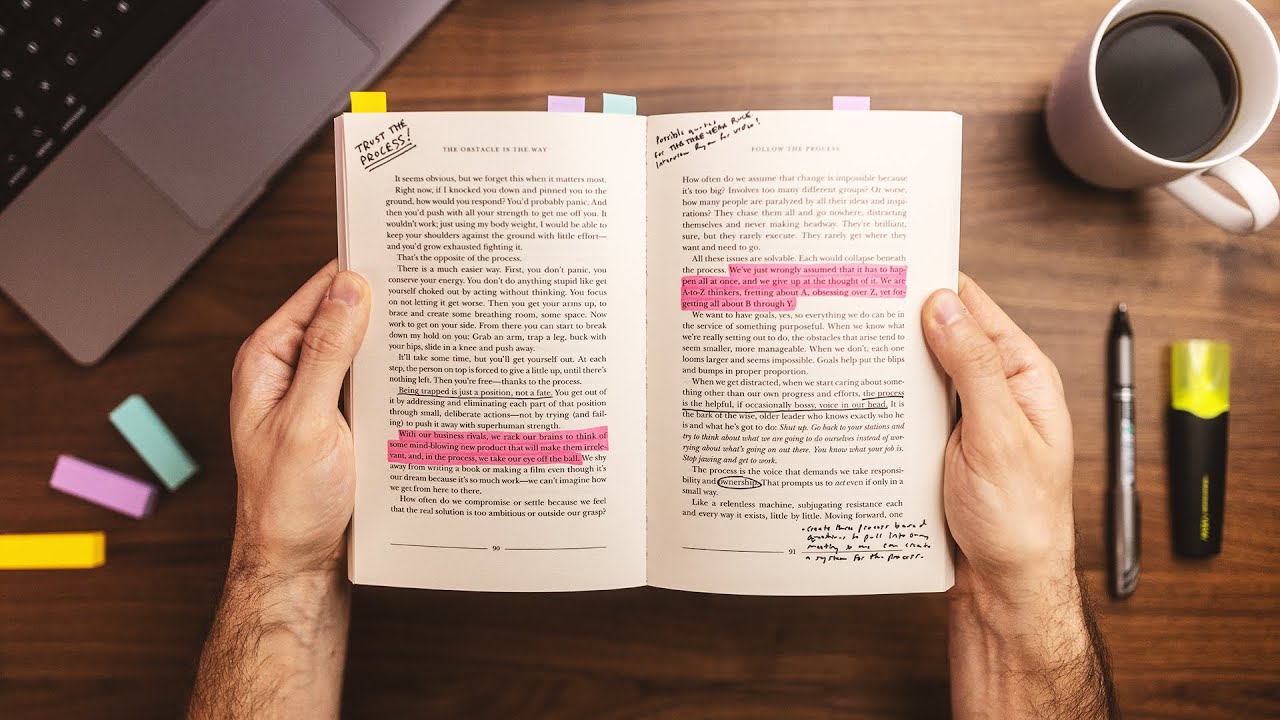
it with people who are on a similar Journey now tip number six is low friction resurfacing and the thing that I use for that is an app called readwise I'll put a link down below if you want to check it out I think we have an affiliate deal but they're not sponsoring this video or anything and if you haven't come across it readwise is a great app that links to your Kindle account but also your account on pocket or insta paper or they've got a read it later app called reader as well so whenever I
read something on Kindle or I read an article on the internet on the reader app I can highlight anything and everything that I highlight gets stored into readwise and So within readwise there's sort of two main features the first one is that every single day readwise sends an email to me that just contains five random highlights now I've been reading and highlighting stuff on the internet for over 10 years and readwise has all of these highlights within it and that means every single day I'll just read five of these different highlights and this is a
great lowf friction way for me to resurface the stuff that I've read and the reason I highlighted it in the first place was because something about that thing resonated with me and therefore 3 years later I might come across an email where I I was like oh yeah I read that thing in that book and I highlighted it and that's going to make it way easier for me to remember those things and people always ask you know like whenever I'm interviewed on podcasts and stuff I have a pretty good recall for quotes and stuff that
I've read in books and the reason I do is firstly because of all the stuff in this video cuz generally I read stuff that I'm curious about and apply it to something I'm encountering at the moment and try and explain it or share share it with someone else but also the reason I'm able to recall a lot of quotes and stuff from books I've read is because I get this daily email from rewise and it's very easy and it just reminds me of a lot of these things so if you read stuff on Kindle if
you read stuff on the internet if you save a lot of tweet threads check out readwise it's really good affiliate link down below with a free trial if you want it but again they're not sponsoring this video I just really really really love the product and finally tip number seven is about active Recall now if you've seen my videos of the last 6 years talking about how to study for exams you will be familiar with this basically almost every study that has ever been done on how to learn stuff on how to study for exams
anything like that has found that when you test yourself and you try and act actively dredge up information from your memory that act solidifies the connection with that memory way more than for example rereading the thing or trying to take notes on the thing and so many students waste so much time when it comes to learning new things and studying for their exams because they're just rereading or summarizing stuff that they've got in front of them and there are so many studies that show that if you just read something once and then you try and
test yourself on the thing you're way more likely to remember the thing than for example if you read it four times or if you read it and then take notes on it so if you want to remember more of the things you read wherever possible ask yourself how can I test myself on this information you can do it by practice testing you can do it by doing online quizzes you can do it by again sharing with your friends and family which is something we've already talked about you can do it by sharing it online you
can do it by making a video talking about the thing for example but the main thing here is that remembering stuff isn't about trying to cram more things into your brain it's instead somewhat counterintuitively about trying to get stuff out of your brain and the act of getting stuff out of your brain is what strengthens that connection with the memory and what helps you remember more of the things that you learn now if you're interested in how this specifically applies to exams and you're a student for example then check out this video over here which
is like my ultimate guide on how to study for exams it's completely free and so many students have said that that has completely changed the Liv so check that out over there thank you so much for watching and I'll hopefully see you in the next video bye-bye