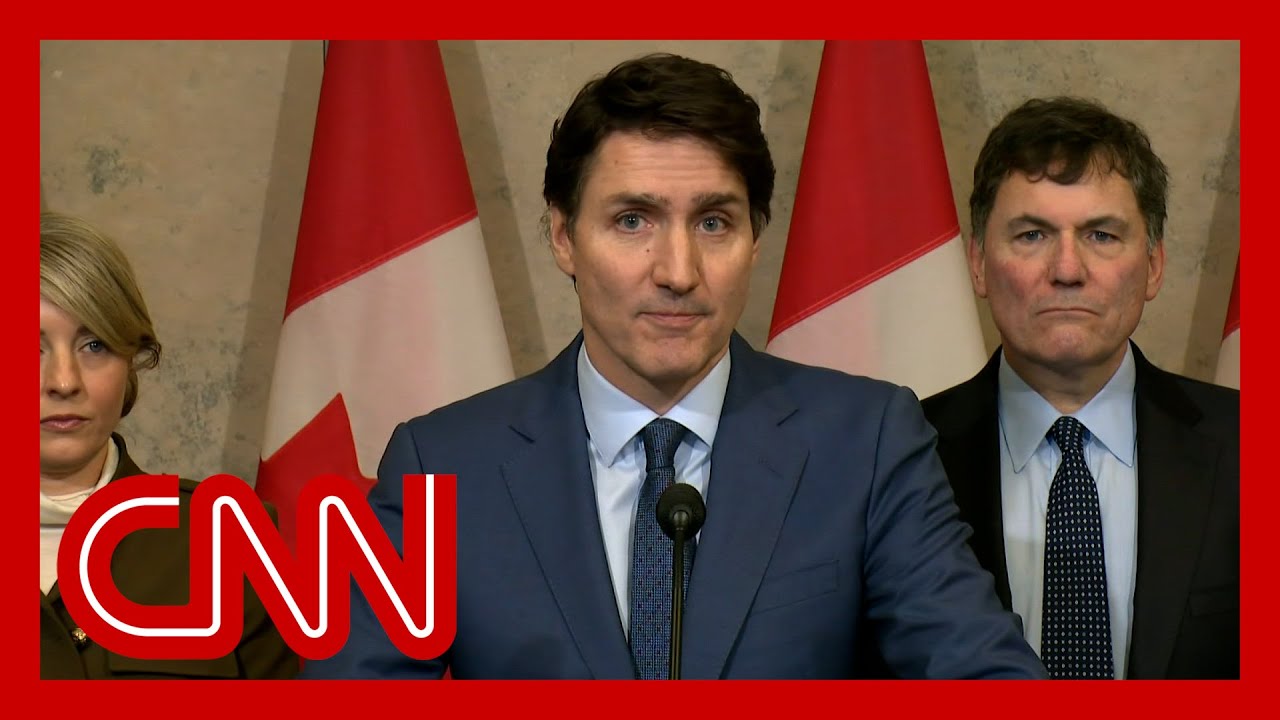
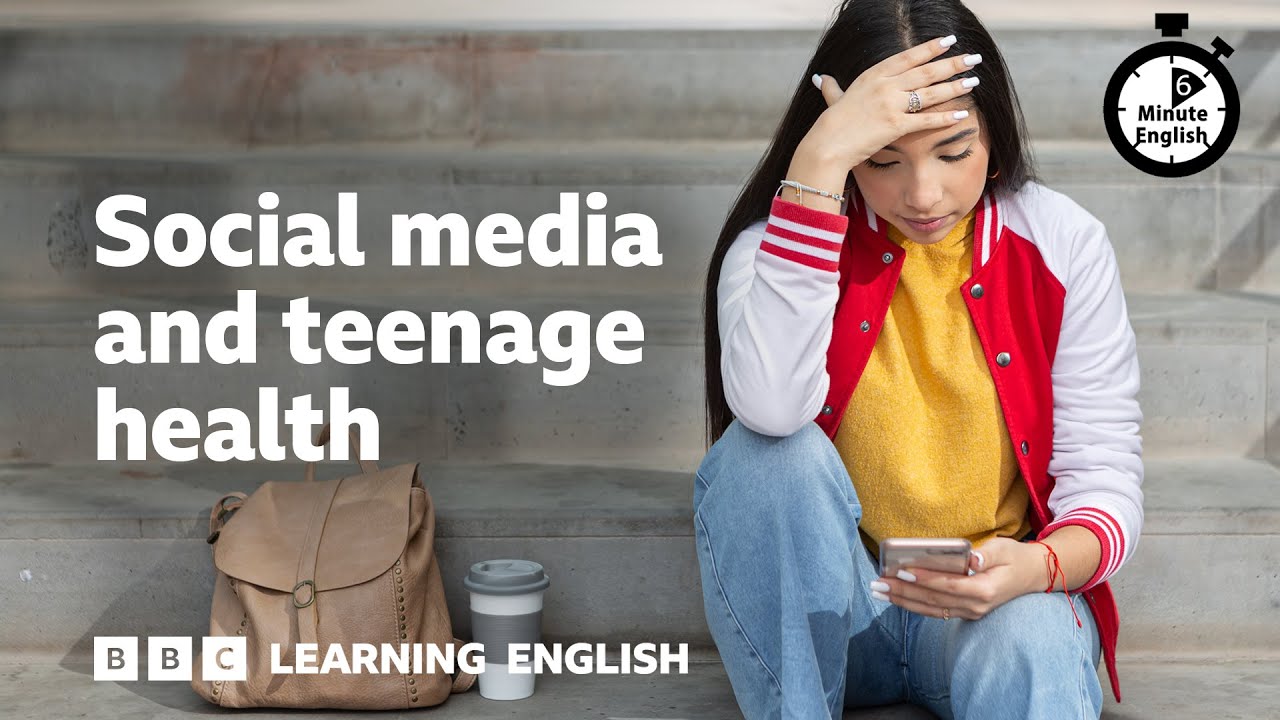
you new research says risky behavior among teenagers begins around the age of 19 the new study of more than 5,000 teenagers and young adults from 11 countries confirms adolescent brains are all prone to risk-taking but acting on it varies psychologist Lisa d'amour takes an in-depth look at that study in her New York Times online article teenagers do dumb things but there are ways to limit recklessness Lisa d'amour is also a CBS News contributor Lisa welcome back thank you I've got three of these that do dumb things and I've had this conversation many times I mean
what's interesting what I notice here is you you talk about the thrill-seeking impulse reaches its peak at 19 yes but the sort of the brakes on that system don't reach their adult level till closer to 23 or 24 so we got four crises there's a real mismatch between when sensation-seeking Peaks and when the controls are fully out that risk-taking is totally normal it is normal it's an expectable part of adolescence we expect teenagers to seek independence and to sort of reach out into the outside world but it also means that parents are nervous yes so
don't just think they're doing dumb things it is wired in their brain yes is that the teenage brain is built so that they really want to seek sensation mm-hmm but it happens it's different how it happens all around the world but in Indonesia I think this was very interesting only 2% of the kids they're engaged in risk-taking behavior have have tried drinking in the last 30 days that was the finding and so what's important about this new research is that it shows that teenagers around the world all have these gawky brains where their impulses can
get ahead of their controls but teenagers around the world don't take risks at the same level so context matters and that's important for parents dawn and your parenting matters too absolutely that there are things parents can do to help keep teenagers what do we do so what do we do so we reinforce laws that we know help keep keep teenagers safe like driving curfew laws we supervise them right because for something to go wrong temptation and opportunity have to come together yeah we plan with them in advance for tricky situations they get in like like
if they show up at a party and suddenly everyone's drinking and they weren't expecting that we don't want teenagers to be trying to figure out how to handle those situations on the fly mmm so we want to have an advance plan with them one of the things that we see is that teenage reasoning and reasoning is very different in different contexts what they can say at home in the cold light of day with you isn't always what happens in the heat of the night yes they agree on an emoji yes so my favorite new thing
is that some teenagers will come to an agreement about a secret emoji code right they'll say to their parents if I send you the hamburger emoji that means come get me your idea that's a great yeah so if their friends see it they know that they're not calling for help they said the more the goal good advice thank you very much