foreign [Music] from 1995 to 2002 there was a company called Worldcom they provided telecommunication services along the same lines as Sprint or at T this was a large company in 2002 they were the second largest long-distance provider and it controlled about half of all internet traffic Michael Jordan starting in 1995 was their spokesperson as our new spokesman Michael will deliver the ldds Worldcom message well in 2002 they had 41 billion dollars in debt and filed for bankruptcy their 107 billion dollars in assets made this the largest bankruptcy in the history of the United States at the time this also happens to be one of the largest accounting scandals in the history of the United States from 1999 until their end in 2002 their earnings Figures were a lie they were using accounting tricks to make the company appear that it was doing better than it actually was which is terrible it essentially meant that they were lying to people to get them to invest in their company to buy their stock they were investing under false figures that were promised to be true people tend to be more familiar with Enron well think of this as being right there with it even bigger by some measures there were both accounting scandals occurring and exposed at similar times involving the same auditing firm Arthur Anderson I made a video talking about the specifics of the Enron Scandal and now I'm here to give a simple overview of what went on over at Worldcom in 1983 at T was broken up they practically controlled that entire industry going back to the invention of the telephone and now that they were being disassembled it allowed new competition to enter the market one of these new competitors was a long distance provider called long distance discount Services who in 1995 changed their name to Worldcom and to make things easier that's what I'll be calling them starting in the mid 80s Worldcom strategy was to grow through the acquisition of other companies in 1986 they had revenue of 8. 6 million dollars and by 1993 it was up to 1 0. 3 billion had bought so many competitors that they were now the fourth largest long distance provider in the U.
S and I know that sounded like an incredible growth rate already but from this point it started getting ridiculous in 1994 they acquired idb Communications Group for 936 million which was a means of entering the international market in 1995 they acquired willtel for 2. 5 billion in 1996 they acquired MFS Communications for 12. 4 billion that's how they entered the industry of local telephone service and they just accelerated their growth from there all in 1998 they acquired Brooks fiber properties for 2 billion ANS Communications for 1.
4 billion and the big one was MCI they bought them in a deal valued at 40 billion dollars which is an insane deal because MCI was actually a significantly larger company the year before their revenues were just under 20 billion where Worldcom reported seven point 4 billion and by the way make a note of that even before that insane MCI acquisition their revenue was almost five times higher than it was four years earlier there were a couple other notable ones but the one that I want to mention is Sprint 1999 they announced that they would merge with them in a 115 billion dollar deal this deal never happened the Department of Justice put a stop to it in fear that the resulting company would be too big and powerful but they came close as far as we know all their accounting and everything they did before 1999 was on the up and up this was when their crime started let me tell you their motivation to lie about their earnings it was the stock price the stock market is understandably very concerned with the company's earnings they released them four times a year and each time everyone's waiting to see if they came in above or below expectations if they're below it is not good for the stock price and obviously any company wants to raise this price but Worldcom had additional motivations first off all these Acquisitions many of them were made possible through that strong stock price simply put it was something valuable they owned that was attractive to other companies for example that crazy MCI acquisition worldcom's strong value on the market made it possible to acquire a company even larger than they were of that 40 billion dollars only 7 billion of it was paid in cash for the rest of it they handed over 1. 13 billion shares of Worldcom stock if they wanted to continue growing through these Acquisitions which is obviously what they wanted to do they needed to keep that stock price up and to keep that stock price up they needed to keep their earnings up starting in 1999 they were having trouble with all of it a possible Factor as to why they were struggling is the denial of that merger would Sprint part of the reason the stock was so attractive was how fast the company was growing but now they were being stopped investors questioned how long they can keep growing in this way it looked like it was coming to an end and it sort of was so now Worldcom was forced to find other way ways to provide value to the shareholders also consider the entire industry was going through some tough times at T's Sprint it wasn't the best year for any of them the competitive landscape was changing the economy was going down and the. com bubble was bursting meaning there was less demand for these Services the important part to take away here is Worldcom needed their earnings to stay high and because of various factors they were having trouble doing it remember Revenue minus expenses equals earnings so the two ways to raise earnings would be to either raise revenue or lower expenses which is the two things that they were doing I mean they weren't doing it but they were making a few accounting adjustments to make it appear that they were doing it at first it was just the revenue it wasn't quite as high as they needed it to be so they just lied and said that they were making more money I thought this was interesting the SEC found some handwritten notes calculating the difference between their actual revenue and their desired Revenue along with some journal entries that would be necessary to cover that difference those entries that were jotted down were then actually made after the quarter had ended to falsely make things look better than they actually were the other big part of it was reduction of expenses which was done by capitalizing things that they shouldn't have a very common way of committing fraud here's what happened their largest single expense was something called line costs their long distance providers so they make the connection between local exchanges part of the cost of doing that is paying those local networks for the right to access their exchange if I want to make a call from Los Angeles to New York Worldcom will connect between the two cities but have to pay each City in order to do it it's obviously an expense something that should be legally subtracted from their revenue and reduce their earnings well they weren't doing that they were treating it as an asset assets aren't expense like that they're expensed over time through depreciation so instead of expensing these costs in the year they happen like they should they criminally elected to expense them over many years resulting in a lower expense in each year initially it was learned that they were doing this to 3.
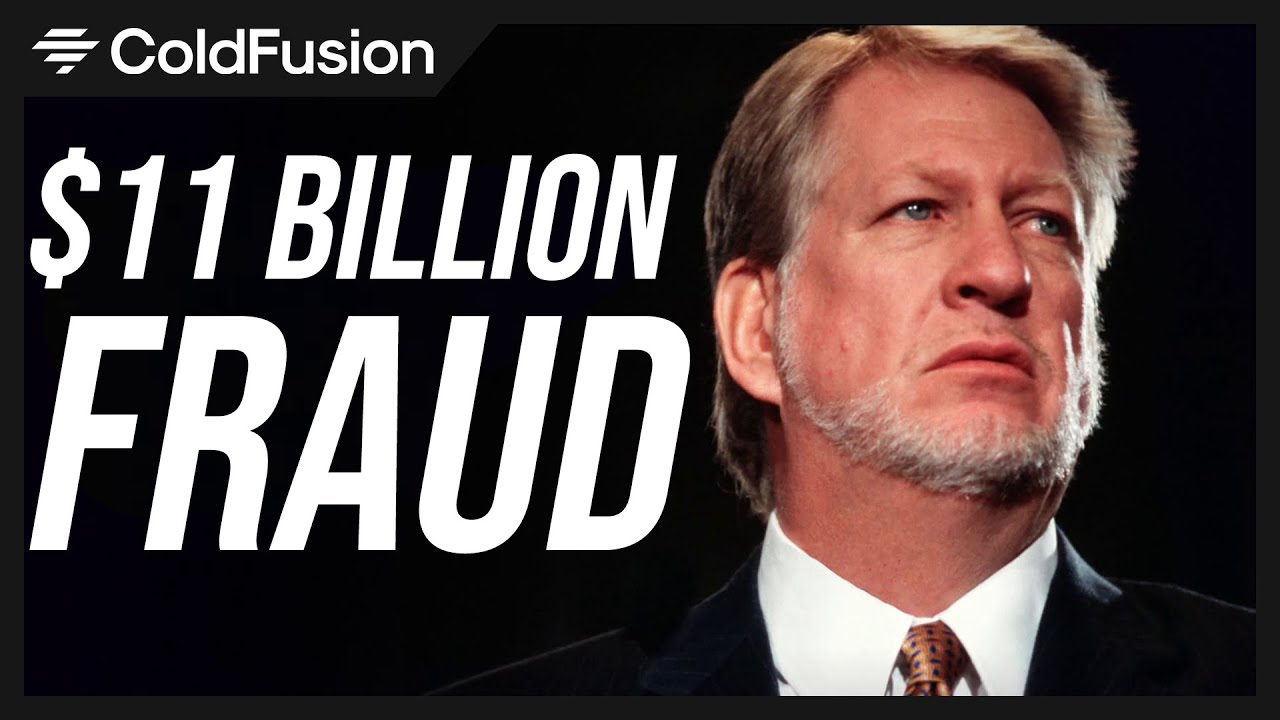
8 billion dollars in line costs and soon after an additional 3. 3 billion was revealed putting the fraud well over 7 billion dollars in total they used a few other tricks too but this was by far the biggest one here's what the SEC put together in 2003 to show the extent of this fraud it shows that in a little more than three years they reported over 9 billion dollars in fraudulent earnings and that estimate has since been increased to 11 billion those are figures that investors believed and many of them used as a main tool in deciding to invest in their stock I want to talk about this guy for a minute Bernie Evers he was the CEO during all this and is generally the one thought to be most responsible Bernie Evers had even further motivation to keep that stock price up because he personally owned a bunch of it some of it was on margin and when that price went down Worldcom actually loaned him 400 million dollars to meet the Margin Call I know that gets tricky but just know there's a lot of levels of fraud here for all these reasons Bernie Evers along with the CFO Scott Sullivan ordered the accounting team to make all of these illegal adjustments of course there was no documentation to back up any of it so those accountants must have known what was going on but still went along with it because they were afraid that they would lose their jobs if they didn't in 2002 the entire thing was exposed it was becoming obvious the whole Enron thing was exposed just months before and Worldcom was magically doing much better than the rest of their industry their internal audit team got together with a new external auditor and started looking into everything and just instantly saw that something was wrong they reported what they found to the public and to the SEC that's when everything started unraveling and the bankruptcy proceedings started soon after Worldcom did make it through the bankruptcy after which they started going by the name MCI in early 2006 they were bought by Verizon for over 8 billion dollars the CEO Bernie Evers was sentenced to 25 years in prison the CFO Scott Sullivan testified against Evers so he was only sentenced to five years in 2009 he was released after only serving four and there were other convictions as well now as far as the people that were tricked into buying these Securities there was a class action lawsuit against a bunch of banks including Citigroup and JP Morgan that ended in a six billion dollar settlement most of which went to the bondholders the SEC issued a civil penalty for 2.