by letting it go it all gets done the world is won by those who let it go but when you try and try the world is beyond winning most of the time we think of effort as something positive a key ingredient for Success that we're constantly told to increase it's Common Sense ingrained in us from childhood if you want to achieve more you need to try harder but what if there's more to effort than just pushing ourselves to the Limit what if trying too hard isn't always the path to success we believe it to be
across the years many thinkers and philosophers have seen trying harder as a potential roadblock and that when we focus too intensely on a goal we might actually be hindering our progress towards it so with that in mind in this video we'll explore why less effort can lead to better outcomes and how different schools of thought guide us in managing this life Paradox Victor Frankl the renowned psychiatrist introduced a concept called paradoxical intention his approach suggests that sometimes the more we try to avoid a negative outcome the more likely we are to experience it the anxiety
and tension created by our intense focus on avoiding something can actually impede our performance and bring about the very thing we fear for example a person lying in bed desperately trying to fall asleep as the minutes tick by their anxiety grows they become increasingly aware of their inability to sleep which in turn makes makes them more anxious this anxiety further activates their mind and body making sleep even more elusive the harder they try to force themselves to sleep the more awake they become this is paradoxical intention and action frankl's approach to Breaking this cycle was
counterintuitive instead of encouraging patients to try harder to sleep he would suggest they try to stay awake for as long as possible by removing the pressure and anxiety associated with trying to sleep patients often found themselves drifting off more easily this principle covers many areas of life as Frankle famously said don't aim at success the more you aim at it and make it a Target the more you are going to miss it you have to let it happen by not caring about it when we strive too hard to avoid failure or manage our emotions or
achieve a particular state of mind we often create internal tension that works against our goals this tension can manifest as physical stress mental preoccupation or emotional turmoil all of which can interfere with our natural abilities and processes the renowned psychologist Mii chent Mii introduced the concept of Flow State a mental condition where people perform at their Peak without conscious effort the Flow State occurs when an individual becomes so absorbed in an activity that their actions seem to unfold naturally and effortlessly in this state self-consciousness disappears time perception alters and performance reaches extem extraordinary levels Mii
described the essence of flow experiences with this observation the best moments in our lives are not the passive receptive relaxing times the best moments usually occur when a person's body or mind is stretched to its limits in a voluntary effort to accomplish something difficult and worthwhile the flow concept applies across various domains athletes describe it as being in the zone where their movements feel automatic and time seems to slow down writers experience periods where words flow effortlessly onto the page and programmers enter states of deep focus where complex problems unravel naturally understanding flow challenges conventional
Notions of productivity and performance it suggests that our best work often comes not from pushing harder but from finding a state of engaged relaxation where our skills and the task at hand align [Music] perfectly stoicism offers a powerful perspective on the Paradox of control and effort this philosophy emphasizes the importance of distinguishing between what we can and cannot control and adjusting our efforts accordingly as epicus once said the chief task in life is simply this to identify and separate matters so that I can say clearly to myself which are externals not under my control and
which have to do with the choices I actually control The stoics observed that many of life's frustrations and disappointments stem from our attempts to control things beyond our influence the harder we try to manipulate external circumstances or outcomes the more stressed and unhappy we often become this increased stress can lead to poor decision-making and ineffective actions creating a self-defeating cycle instead stoicism advocates for a focus on what's truly within our power our own thoughts judgments and actions when we accept external events as they come and direct our energy towards our responses we can achieve better
outcomes with less emotional turmoil for example when a student is preparing for an important exam they can't control the specific questions that will appear obsessing over these factors or trying to prepare for every possible scenario often leads to anxiety and Scattered focus a stoic approach would encourage the student to accept the uncertainty of the exam and concentrate on thorough calm preparation because that's the aspect they can control this principle extends to many areas of life for example in relationships we can't control others feelings or actions but we can control our own behavior and responses the
stoic Emperor Marcus Aurelius captured this idea when he wrote you have power over your mind not outside events realize this and you will find strength stoicism invites us to let go of our desire to control everything around us when we stop trying hard to control things beyond our reach we actually gain more power over ourselves constant struggle to manage everything can leave us feeling frustrated and stressed instead if we shift our Focus to managing our own responses and accepting that we can't control everything we can reduce our stress and find a calmer more resilient mindset
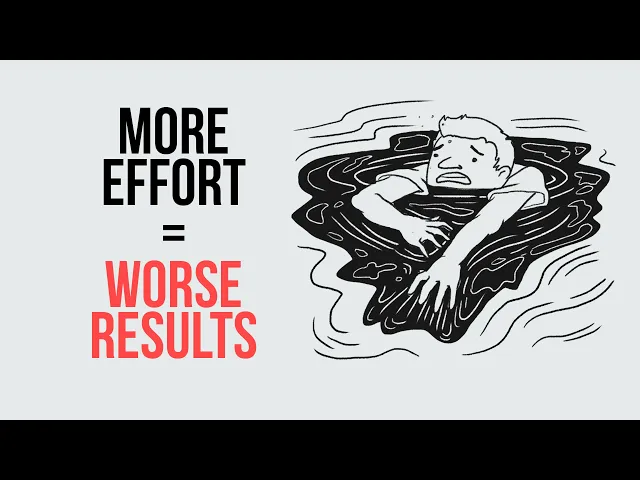
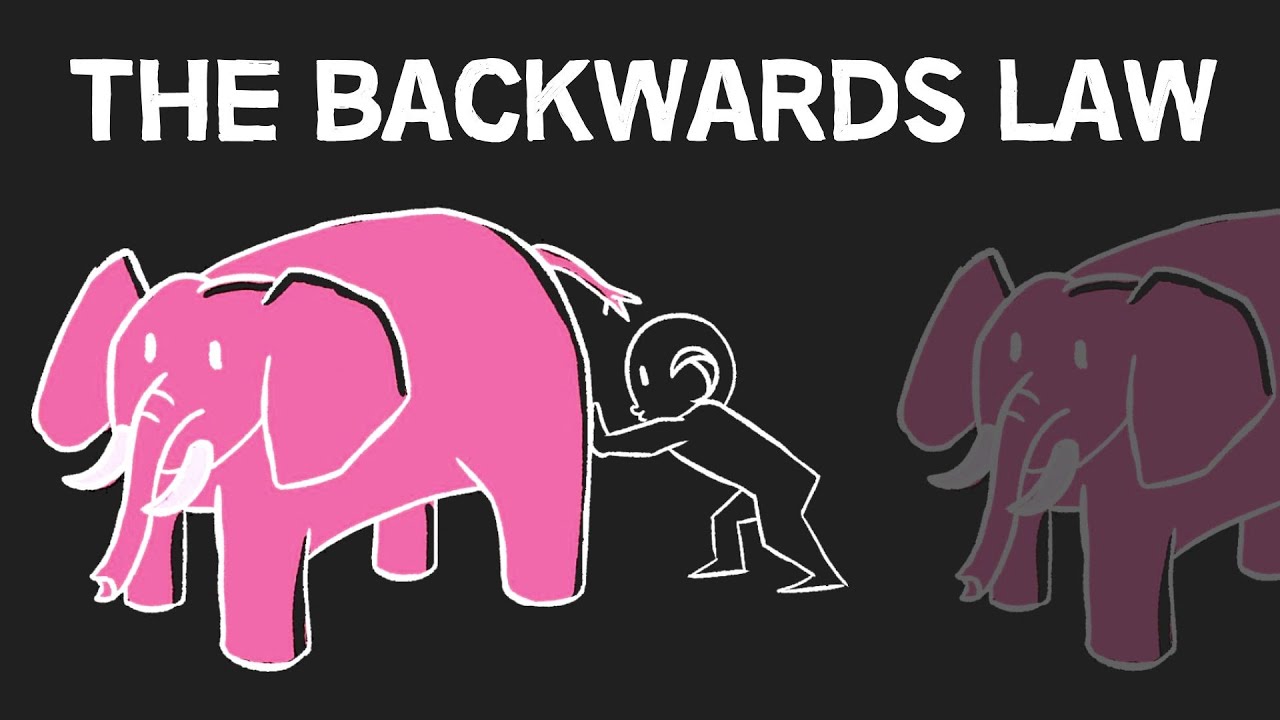
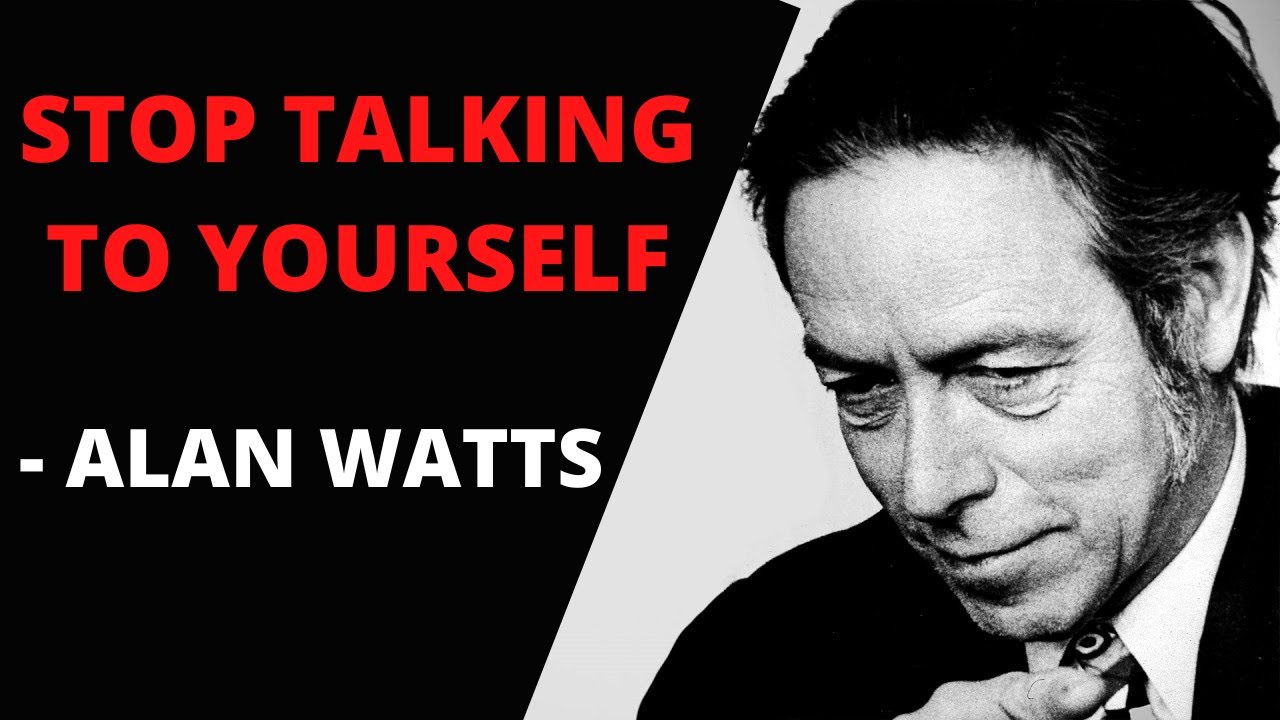
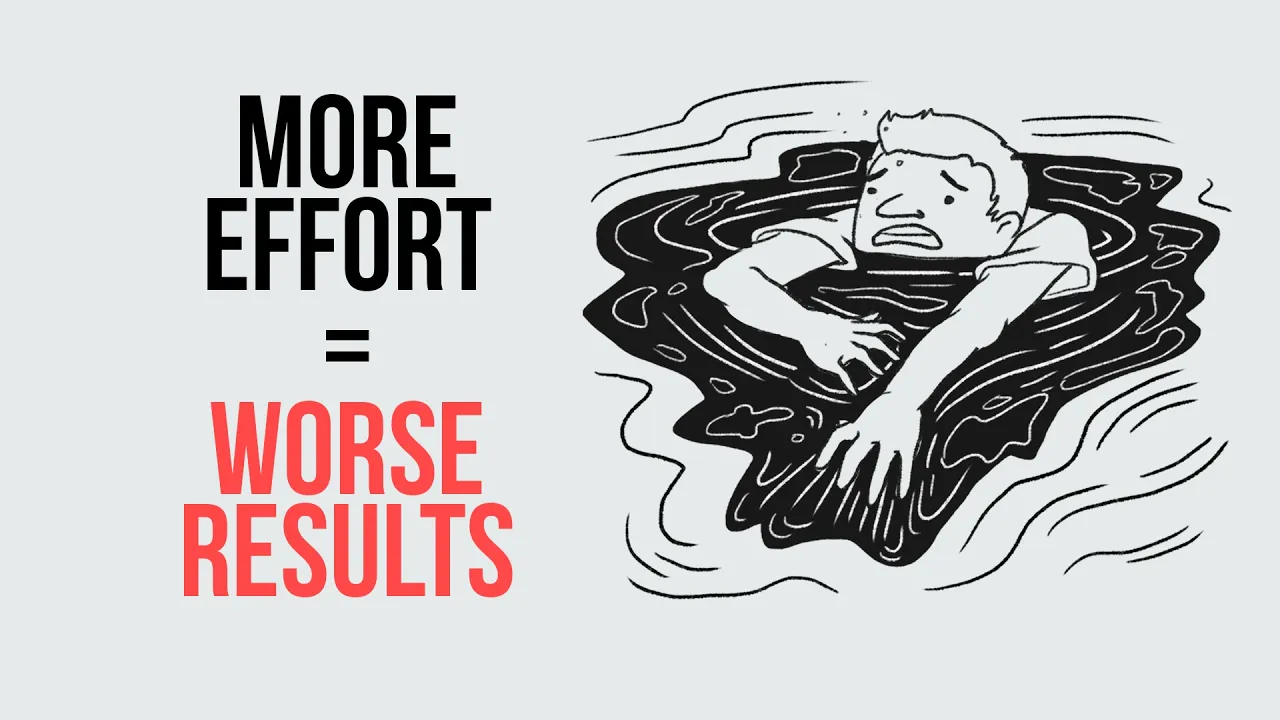
Alan Watts a British philosopher known for popularizing Eastern philosophy in the west introduced a concept he called the backwards law this idea explores the paradoxical nature of human desire and effort suggesting that the more intensely we pursue certain States or outcomes the more elusive they become the backwards law proposes that wanting something too much can actually push it further away as Watts once said when you try to stay on the surface of the water you sink but when you try to sink you float and that insecurity is the result of trying to be secure this
statement encapsulates the counterintuitive Dynamics at play and many aspects of Our Lives just as fighting against water only makes us sink faster struggling too hard against our challenges or obsessively pursuing our goals can often lead to the opposite of what we intend for example the harder we try to feel happy or calm the more we reinforce our current state of unhappiness or anxiety our very efforts to change our emotional state can create tension and frustration moving us further from our desired feelings often our attempts to create absolute Security in our lives whether Financial or emotional
can lead to a pervasive sense of insecurity we become hyper aware of potential threats and constantly anxious about maintaining our secure position the backwards law challenges us to reconsider our approach to personal growth and goal achievement it suggests that sometimes the path to our desires lies not in direct Pursuit but in letting go of our attachment to the outcome instead of intense anxious striving we might cultivate a state of open receptivity when we focus on the process rather than the end goal and find contentment in the present moment we often create the conditions for naturally
achieving what we seek