Have there been times when you just couldn't stop thinking about someone? Having someone in your thoughts all the time, whether it's an old flame, a passing acquaintance, or someone you barely know, can be both confusing and overwhelming. Is your mind trying to figure out if it's love, obsession, or something much deeper?
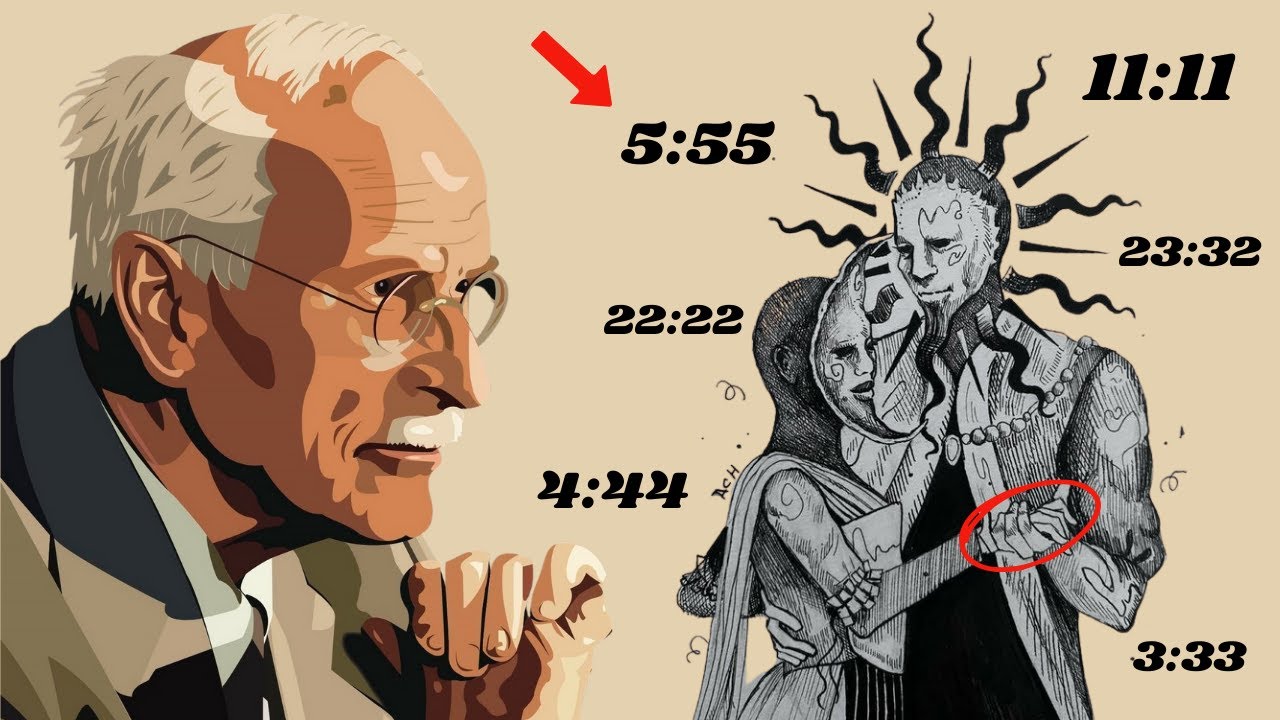
Carl Jung, one of the most important figures in modern psychology, said that these repeated thoughts are not usually random; they are actually deep clues about your inner life that let you see into your unconscious mind. Jung's ideas about the Shadow, the anima and animus, and the strange phenomenon of synchronicity help us figure out what is going on. This in-depth look at Jung's ideas goes into great detail about how they can help us figure out why certain people live in our minds.
By the end of this journey, you'll know how to see these mental interruptions not as problems to be solved, but as chances to learn more about yourself and grow. The unconscious mind: how thoughts work behind the scenes. Being conscious or unconscious, Jung famously said that the mind is made up of two parts: the conscious and the unconscious.
Everything you are aware of, like your thoughts, feelings, and how you see the present moment, is in your conscious mind, but the unconscious is a big hidden place full of memories, wants, fears, and archetypes that shape your thoughts and actions without you even realizing it. Think of the mind as an iceberg; the part above the water is your conscious awareness, and the big part below the water is your unconscious. Jung said that the unconscious is not just a place to store memories that you have forgotten, but also a living, changing force that shapes your relationships, thoughts, and feelings.
When you keep thinking about the same person, your unconscious mind is probably trying to tell you something important. How the unconscious mind affects what we think: symbols, metaphors, and emotional resonance are all ways that the unconscious works. The unconscious mind talks through dreams, intuition, and feelings, while the conscious mind thinks and analyzes things.
When you think about someone a lot, it's usually not about them as a person. Instead, they often represent something deeper in your mind: a trait, desire, or fear that your unconscious wants you to face. Things that cause recurring thoughts: feelings that connect people often have recurring thoughts about the same person because they make them feel strongly.
This could be a good thing, like admiration or longing, or a bad thing, like irritation or resentment. These feelings are like alarm bells that let you know the person is connected to something important in your life. Unfinished arguments: thoughts about other people can show up when you have unresolved problems from past relationships, your childhood, or your own inner struggles.
For instance, an ex-partner might make you think of unresolved feelings of rejection, or a new friend might make you think of someone who was important in your life in the past. The unconscious is using these mental links not by chance, but to bring to your attention things that need to be done. What archetypes do: Jung said that archetypes are patterns and symbols that are shared by everyone and are stored in the collective unconscious.
Some of them are the hero, the mother, and the lover. Someone can become the center of your thoughts when they match an archetype in your unconscious. Someone who fits the lover archetype, for example, might make you feel passionate and connected, even if you haven't spent much time with them.
The Shadow: getting to know your secret self. What does the Shadow mean? The Shadow is made up of all the traits, urges, and feelings that you try to hide, deny, or ignore because they are at odds with how you see yourself.
It's called the dark side of the mind not because it's bad, but because it's hidden and not explored. As Jung saw it, when someone stays with you in your thoughts, they are often your Shadow. They might have traits you like about them that you haven't noticed in yourself, or you might not like about them because they show something you fear or reject about yourself.
Seeing the Shadow in other people: if you have trouble with self-doubt, for example, you might be drawn to someone who is sure of themselves. On the other hand, you might find someone's impulsivity annoying because it reminds you of a trait you've pushed down in favor of being controlled and measured. Jung said that understanding the Shadow is very important for growing as a person.
He once said, "One does not become enlightened by imagining figures of light, but by becoming aware of darkness. " Anima and animus: how they feel inside. What do the anima and animus mean?
Jung came up with the ideas of the anima and animus to talk about the feminine and masculine sides of the mind. While the animus is the masculine side of women, the anima is the feminine side of men. These archetypes affect how we see ourselves and how we relate to others.
When someone strikes a chord with your anima or animus, having repeated thoughts about someone is a sign that their anima or animus is in tune with you. For example, a man might become obsessed with a woman who has traits like compassion, intuition, or creativity that he thinks are important in a woman. In the same way, a woman might be interested in a man who has the qualities she thinks a man should have, such as strength, decisiveness, or protection.
These attractions aren't always about the person, though; they often represent a longing to integrate these qualities into your own psyche. By exploring these dynamics, you can better understand what you seek in yourself and others. Projection: seeing yourself in others.
What is projection? Projection is the psychological process. .
. Of attributing your own thoughts, feelings, or traits to someone else, Jung believed that much of what we admire or dislike in others is a reflection of ourselves. When someone dominates your thoughts, it is often because they serve as a screen for your projections.
Examples of projection: - **Admiration**: You might be captivated by someone's ambition because it reflects a quality you wish to cultivate in yourself. - **Irritation**: You might dislike someone's arrogance because it reminds you of a trait you've suppressed or fear exhibiting. - **Longing**: You might feel drawn to someone's creativity because it mirrors an unfulfilled desire within you.
**Reclaiming your projections**: Jung encouraged individuals to reclaim their projections by recognizing that these feelings often have more to do with themselves than the other person. By doing so, you can uncover hidden aspects of your psyche and grow into a more integrated version of yourself. **Synchronicity: meaningful coincidences** What is synchronicity?
Synchronicity refers to meaningful coincidences that seem too significant to be random. For instance, thinking about someone and then getting a text from them right away or seeing their name or picture over and over again in strange places. Jung thought that these things show a deeper link between your inner world and the outside world.
**Why coincidences happen**: When thoughts keep coming back, it's a sign to pay attention. When someone stays in your mind and coincidences happen based on these events, it seems like the person holds some significance in your quest for self-discovery. Whether it's an unresolved emotion, a message with a hidden meaning, or a call to action, synchronicity wants you to find out what these connections mean.
**How to read your thoughts**: **Useful steps for self-discovery**: - **Step one**: Let yourself feel what you feel. Figure out how you feel when you think about this person. Are you motivated, annoyed, or interested?
Realizing these feelings is the first thing that will help you figure out what they mean. - **Step two**: Think about and analyze. What does this person mean to me?
Are they showing traits I admire or fear? What memories or feelings do they make you think of? Writing in a journal or meditating on these questions can help you understand them better.
- **Step three**: Use what you've learned. Use what you see to get better. If the person makes you think of something creative, explore that side of yourself.
If they make you feel insecure, work on being more confident. Turn these mental interruptions into chances to grow as a person. Thoughts that keep coming back to you about someone are not just distractions; they are invitations to explore deeper into your mind.
Carl Jung's ideas help us understand that our thoughts show us what's going on inside, giving us great chances to learn about ourselves and grow. We can use these experiences to change ourselves in powerful ways. By exploring the shadow, learning about projection, and realizing the meaning of synchronicity, it's not about the other person in the end; it's about you.
You can find hidden parts of yourself and get closer to being the most true version of yourself by looking inward and accepting these reflections.