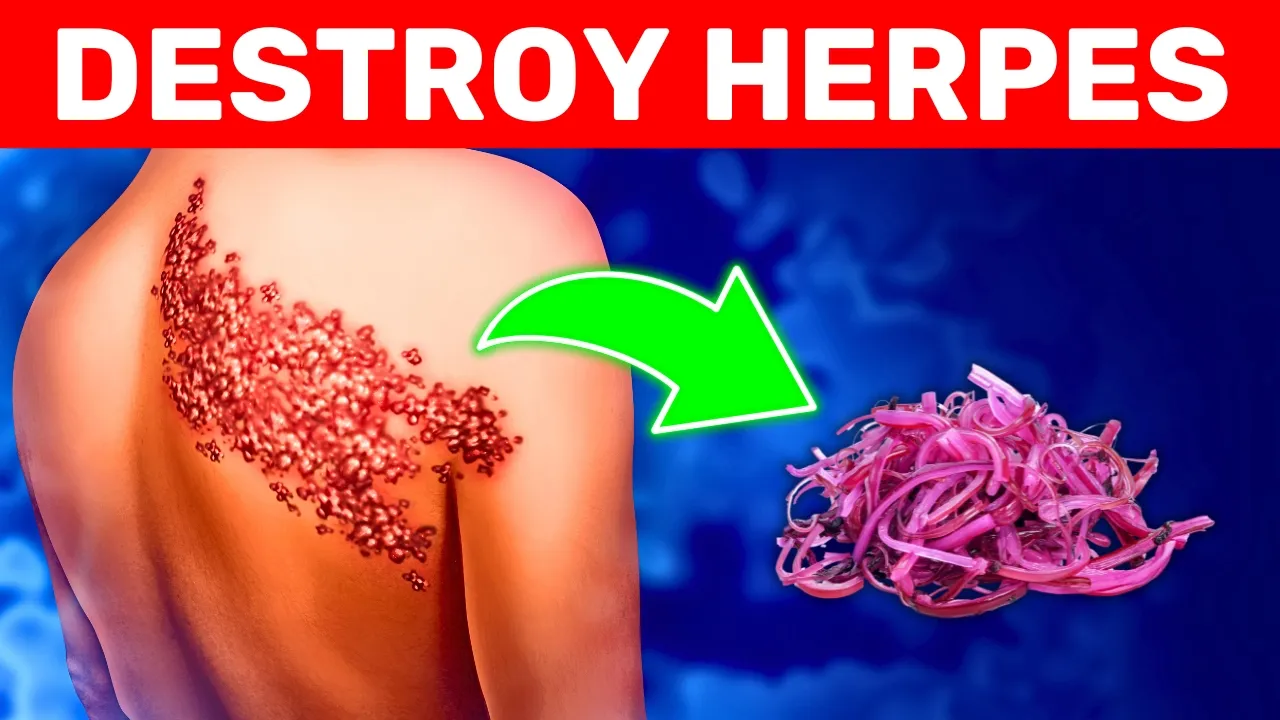
Herpes affects millions worldwide, but what if there's a way to fight back? This video reveals groundbreaking methods to combat herpes, including a mysterious sea plant that's turning heads in the medical community. Stay tuned until the end to discover this natural powerhouse that could change how we manage herpes.
Herpes, caused by the herpes simplex virus (HSV), comes in two types: HSV-1 and HSV-2. HSV-1 typically causes oral herpes, while HSV-2 is responsible for genital herpes. Both are incredibly common, with over 3.
7 billion people under 50 having HSV-1 and about 491 million having HSV-2. While herpes can't be cured, recent research suggests it can be managed so effectively that it may no longer bother those affected. Let's explore cutting-edge strategies that go beyond traditional symptom management, potentially reducing herpes to a mere footnote in your health story.
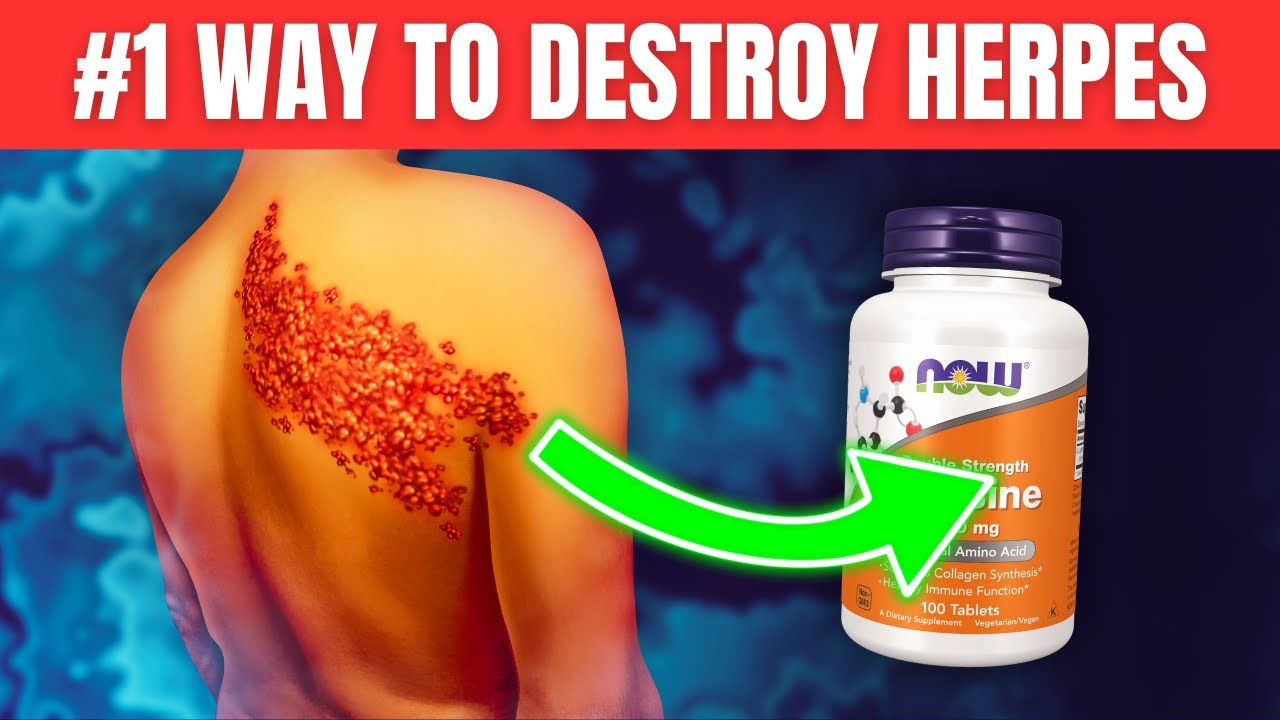
Lysine, an amino acid, has shown promise in combating herpes. It works by blocking arginine, another amino acid that herpes viruses need to replicate. Increasing lysine intake through diet or supplements may reduce outbreaks and viral shedding.
Foods high in lysine include: - Beef and lamb; - Chicken and turkey; - Pork; - Fish, especially sardines and cod; - Cheese, particularly parmesan; - Eggs; - Soybeans and tofu. Some studies suggest aiming for a lysine to arginine ratio of 1. 5 to 1 or higher in the diet.
This means consuming more lysine-rich foods and fewer arginine-rich ones like nuts, chocolate, and gelatin. Vitamin C is another potential ally in the fight against herpes. This antioxidant boosts the immune system and helps produce interferon, a protein that fights viral infections.
Some studies indicate that high doses of vitamin C can reduce herpes outbreak frequency and severity. Zinc has also shown promise in herpes treatment. This mineral is crucial for immune function and has been shown to inhibit HSV replication in laboratory studies.
A study found that a zinc sulfate solution could inactivate both HSV-1 and HSV-2 in vitro. Zinc-rich foods include oysters, beef, pumpkin seeds, and lentils. Stress management is crucial in herpes control.
Stress is a major trigger for outbreaks, as it weakens the immune system. Stress-reduction techniques like meditation, yoga, or deep breathing exercises may be beneficial. Regular exercise can also help boost the immune system and reduce stress.
Intermittent fasting is a controversial approach that's gaining attention. Some researchers hypothesize that fasting can trigger a process called autophagy, where the body breaks down and recycles old, damaged cells. This process might help suppress virus activity.
While more research is needed, some individuals report fewer outbreaks when practicing intermittent fasting. Monolaurin, a compound derived from coconut oil, has shown promise in laboratory studies for its ability to disrupt the lipid coating of viruses, including herpes. While human studies are limited, some people report success in reducing outbreaks with monolaurin supplements.
Quality sleep is crucial for maintaining a strong immune system. Research suggests aiming for 7-9 hours of sleep per night in a cool, dark room may be beneficial for overall health and immune function. Proper hygiene is essential in managing herpes.
During outbreaks, keeping the affected area clean and dry is important. Avoiding touching or scratching lesions, and washing hands frequently can help prevent spreading the virus. Optimizing gut health is another strategy gaining attention.
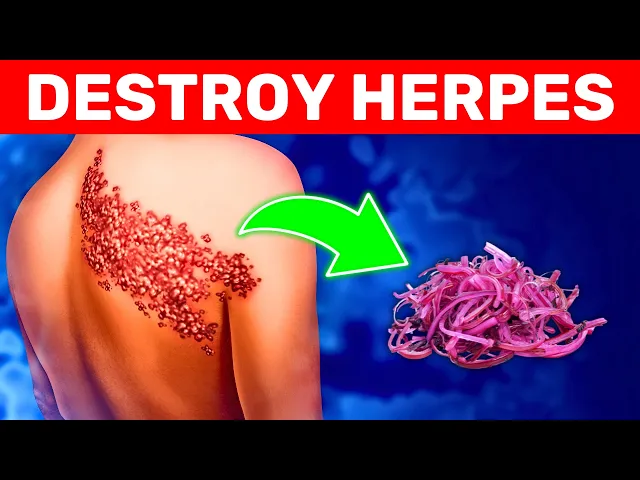
A healthy gut microbiome is essential for a strong immune system. Probiotic-rich foods like yogurt, kefir, and sauerkraut may contribute to overall immune health. Now, for the breakthrough we've been waiting for: red marine algae.
This mysterious sea plant is causing a stir in the medical community for its potential to combat herpes. Found in the depths of the ocean, red marine algae contains unique compounds called sulfated polysaccharides that have demonstrated powerful antiviral properties. Research suggests these compounds may prevent herpes viruses from attaching to and entering cells, potentially reducing the frequency and severity of outbreaks.
While more studies are needed, many individuals report significant improvements when taking red marine algae supplements. This natural powerhouse could be the key to finally gaining the upper hand against herpes symptoms. As research continues, red marine algae may prove to be a game-changer in managing this persistent virus.
Remember, while these strategies show promise in managing herpes symptoms, they're not cures. The goal is to suppress the virus to a point where it no longer impacts daily life. Always consult with a healthcare professional before making significant changes to any treatment plan.
Thanks for watching! Bye now.